 Vista previa
 Compartir
 Compartir
 Ver detalles

 Descargar
 Ver similares
 Radiografía
 Presentación de diapositivas
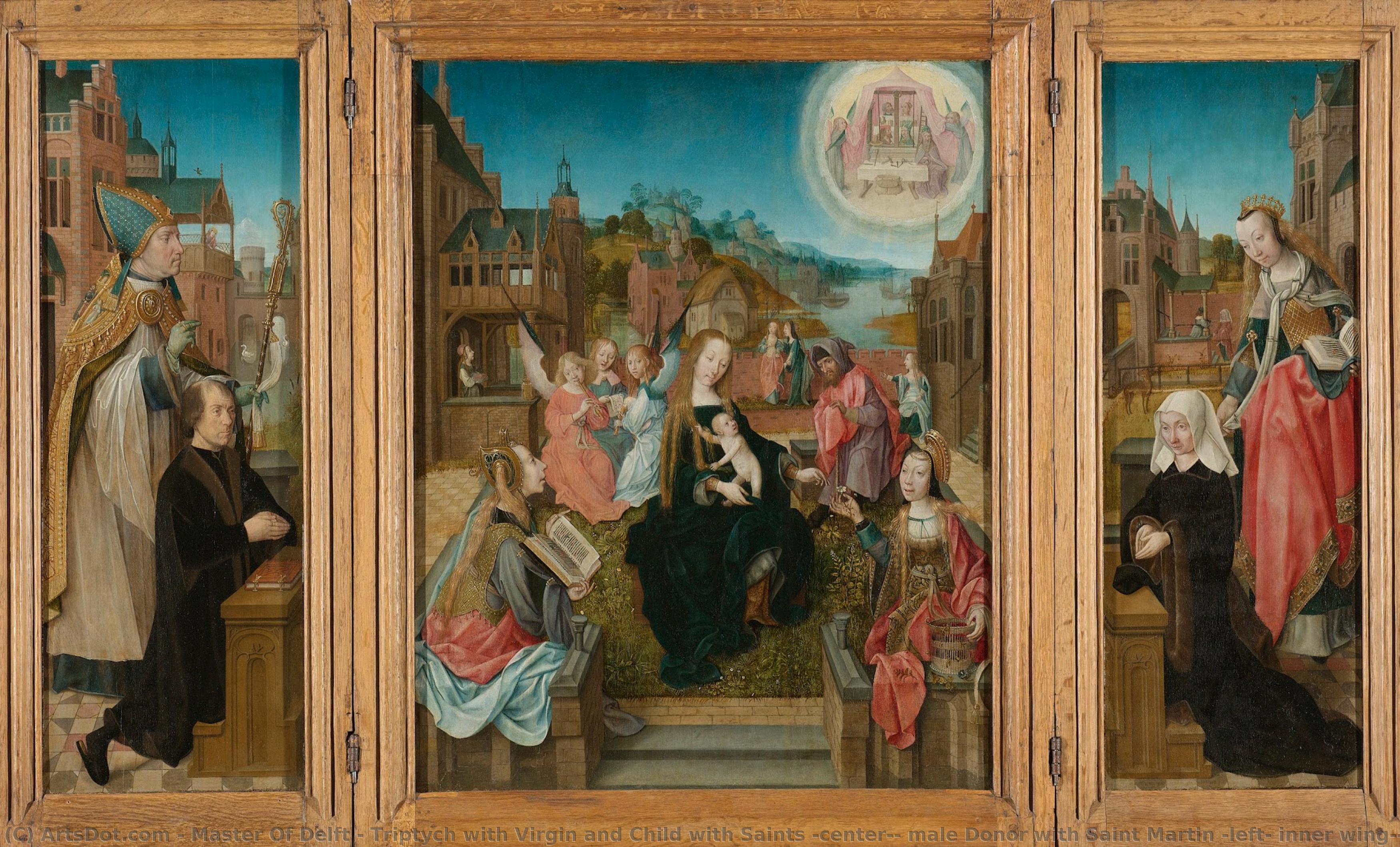
Triptych with Virgin and Child with Saints (center), male Donor with Saint Martin (left, inner wing), female Donor with Saint Cunera (right, inner wing), and the Annunciation (outer wings), Master of Delft, c. 1500 - c. 1510
 1510
1510 87.0 x 69.0 cm
 Leer más
Reproducción al óleo hecha a mano
Óleo sobre lienzo pintado a mano en el tamaño y marco de su elección, realizado por encargo por nuestros artistas. ( Pedir impresión Comprar descarga)




































Elija entre nuestros tamaños predefinidos que respetan las proporciones originales de la obra.

Puede ingresar sus propias dimensiones para adaptarse a un marco o espacio específico. Si el tamaño seleccionado no coincide con las proporciones de la imagen original, recortaremos la obra o extenderemos la pintura con elementos adicionales pintados a mano. Se le enviará una maqueta digital para su aprobación antes de comenzar la producción.
Tenga en cuenta que la vista previa en pantalla no refleja el recorte o la extensión reales. Solo la maqueta mostrará con precisión la composición final.
Si bien existen tamaños personalizados, recomendamos seleccionar una dimensión de la lista predefinida para preservar las proporciones originales.
Tras realizar el pedido, el equipo de ArtsDot.com enviará un correo electrónico al cliente para solicitar instrucciones y proporcionarle una vista previa del boceto.
Envío a todo el mundo () en 3-4 semanas en lugar de las 5 semanas estándar. (22 agosto). Sin comprometer la calidad.

Envío exprés gratuito a todo el mundo

Lienzo de lino de alta calidad

Seguro de envío completo

Garantía de reembolso de aranceles aduaneros

Garantía de fidelidad cromática exacta

Política de devolución de 60 días (solo por defectos)

Garantía de devolución del 100% del dinero

Oferta por volumen
 La opción de vidrio solo está disponible en tamaños inferiores a 110 cm.

Triptych with Virgin and Child with Saints (center), male Donor with Saint Martin (left, inner wing), female Donor with Saint Cunera (right, inner wing), and the Annunciation (outer wings), Master of Delft, c. 1500 - c. 1510
Técnica de reproducción
Tamaño de la reproducción
-


Precio total
$ 263
Descripción de la obra
Obras relacionadas







Biografía del artista
El Maestro de Delft fue un pintor neerlandés que habitó el crepúsculo de la pintura flamenca primitiva, un artista cuyo nombre real permanece oculto tras los velos de la historia. Se cree que pudo haber nacido alrededor de 1470. Su sobrenombre artístico fue acuñado por primera vez en 1913 por Max Jakob Friedländer, al describir las alas de un tríptico que presenta a la Virgen y el Niño con Santa Ana, cuya tabla central pertenece al Maestro de Frankfurt y que hoy se conserva en Aquisgrán. Esta obra es testimonio de una época vibrante, pues contiene retratos de donantes pertenecientes a una familia identificable de Delft: la del burgomaestre Dirck Dircksz van Beest Heemskerck (1463–1545), junto a su esposa e hijos.
Estilo artístico y trayectoria
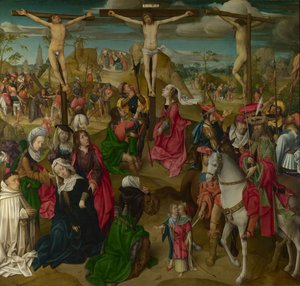
La conexión del Maestro de Delft con su ciudad natal se hace tangible a través de detalles arquitectónicos casi íntimos, como la inclusión de la torre de la Nieuwe Kerk —finalizada en 1496— en el fondo de su tríptico Escenas de la Pasión de Cristo, ubicado en la National Gallery de Londres. Esta pieza es ampliamente considerada su obra maestra y el tríptico más representativo y mejor conservado del grupo que se le atribuye. Gracias al análisis de las grabados en los que se inspira, podemos situar su producción con una precisión asombrosa hacia el año 1509. Los aspectos fundamentales que definen la maestría de este pintor incluyen:
- El uso delicado del óleo sobre tabla y la temple
- Un enfoque profundo en escenas religiosas y retratos de pequeña escala
- Una iconografía compleja impregnada de ilusiónismo
- Paisajes ricamente detallados que, aunque majestuosos, suelen quedar relegados al fondo para dar protagonismo a lo sagrado
Obras notables y legado
Entre las piezas más memorables del Maestro de Delft destacan:
- La Crucifixión: tabla central (98 x 105 cm, National Gallery, Londres)
- Tríptico de la Virgen y el Niño con Santa Ana (Aquisgrán)
El eco del Maestro de Delft resuena en la historia del arte a través de las pinceladas de otros grandes maestros neerlandeses, como Johannes Vermeer y Rembrandt van Rijn, quienes también exploraron con maestría el juego de la luz y la complejidad simbólica. Para profundizar en la vida de estos genios, visite https://ArtsDot.com/@/johannes-vermeer y https://ArtsDot.com/@/rembrandt-van-rijn. Para obtener más información sobre el Maestro de Delft y otros pintores flamencos, visite https://en.wikipedia.org/wiki/early_netherlandish_painting y https://ArtsDot.com/@/master-of-delft.
Maestro De Delft
Países Bajos
Datos clave
- Artistas O Movimientos Influenciados Por Este Artista: ['Las influencias incluyen varias figuras del pop art']
- Artistas Que Influyeron En Este Artista: ['Influenciado por diversos artistas dentro del movimiento World Goes Pop']
- Fecha De Fallecimiento: Vivo
- Lugar De Nacimiento: WahooArt
- Movimiento O Estilo Artístico: World Goes Pop
- Obras Notables: ['Diversas obras presentadas en la exposición The World Goes Pop']