

 Ver en contexto
 Enviar
 Compartir
 Detalles

 Descargar
 Similares
 Radiografía
 Presentación de diapositivas
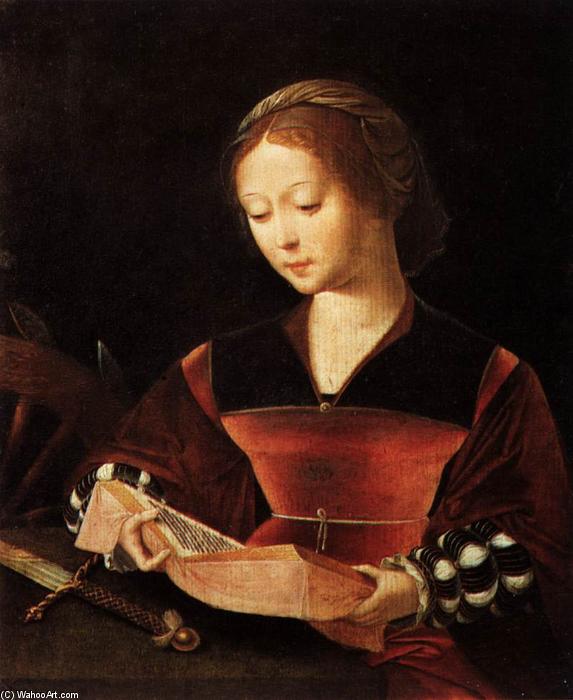
St Catherine
 1530
1530 45.0 x 36.0 cm
 Pinacoteca de Brera
 Ver más
Reproducción al óleo hecha a mano
Óleo sobre lienzo pintado a mano en el tamaño y marco de su elección, realizado por encargo por nuestros artistas. ( Comprar impresión Comprar imagen)




































Elija entre nuestros tamaños predefinidos que respetan las proporciones originales de la obra.

Puede ingresar sus propias dimensiones para adaptarse a un marco o espacio específico. Si el tamaño seleccionado no coincide con las proporciones de la imagen original, recortaremos la obra o extenderemos la pintura con elementos adicionales pintados a mano. Se le enviará una maqueta digital para su aprobación antes de comenzar la producción.
Tenga en cuenta que la vista previa en pantalla no refleja el recorte o la extensión reales. Solo la maqueta mostrará con precisión la composición final.
Si bien existen tamaños personalizados, recomendamos seleccionar una dimensión de la lista predefinida para preservar las proporciones originales.
Tras realizar el pedido, el equipo de ArtsDot.com enviará un correo electrónico al cliente para solicitar instrucciones y proporcionarle una vista previa del boceto.
Envío a todo el mundo () en 3-4 semanas en lugar de las 5 semanas estándar. (29 agosto). Sin comprometer la calidad.

Envío exprés gratuito a todo el mundo

Lienzo de lino de alta calidad

Seguro de envío total

Garantía de reembolso de impuestos aduaneros

Garantía de fidelidad cromática exacta

Política de devolución de 60 días (solo por defectos)

Garantía de devolución del 100% del dinero

Descuento por cantidad
 La opción de vidrio solo está disponible en tamaños inferiores a 110 cm.

St Catherine
Técnica de reproducción
Dimensiones de la reproducción
-


Precio total final
$ 263
Artistic Style and Technique
The Master Of Female Half Lengths was known for his distinctive style, which emphasized the beauty and elegance of women. In St Catherine, the artist showcases his skill in capturing the subtleties of female expression and the play of light on fabric. The painting's composition is characterized by a sense of intimacy and quiet contemplation, drawing the viewer into the serene world of the subject. Northern Renaissance art is marked by its attention to detail and use of symbolism, both of which are evident in St Catherine. The artist's use of color, particularly the deep reds and blues, adds depth and richness to the painting. For more information on the Northern Renaissance movement, visit Master Of Female Half Lengths page on ArtsDot.com.Historical Context and Significance
St Catherine is one of the many paintings attributed to the Master Of Female Half Lengths, who was active in the early 16th century. The artist's true identity remains unknown, but his work has been widely admired for its beauty and technical skill. To learn more about the Master Of Female Half Lengths and his works, visit his page on St Catherine. Some notable features of the painting include:- The use of symbolism, such as the book and the necklace, to convey the subject's virtues and character
- The artist's attention to detail in capturing the textures of fabric and the play of light on the subject's face and clothing
- The sense of intimacy and quiet contemplation that pervades the painting, drawing the viewer into the subject's world
The captivating painting St Catherine by Master Of Female Half Lengths is a testament to the artist's skill and attention to detail, and continues to inspire admiration and appreciation from art lovers around the world.
Obras relacionadas
Biografía del artista
The Enigmatic Master of the Female Half-Lengths
The identity of the “Master of the Female Half-Lengths” remains one of art history’s most enduring mysteries, a captivating puzzle that has occupied scholars for over a century. This elusive figure, or more accurately, this workshop of artists active in the Low Countries during the early sixteenth century, produced an astonishing body of work – currently numbering around 130 paintings – depicting aristocratic young women engaged in a variety of domestic and leisure activities. These intimate portraits, often rendered on small wooden panels, offer a unique glimpse into the social customs and artistic sensibilities of the Northern Renaissance, and their enduring appeal lies not only in their technical skill but also in the enigmatic beauty and serene grace of their subjects.
The genesis of this remarkable oeuvre is believed to have begun around 1520-1530, though the precise location and duration of the workshop’s activity remain uncertain. Antwerp, Bruges, Ghent, and Mechelen have all been proposed as potential centers of production, with estimates for the Master's active period ranging from the early to late sixteenth century. The works were primarily intended for export, reflecting the thriving trade networks that connected Flanders with Northern Europe and beyond. The sheer volume of paintings – a staggering 67 initially, now augmented by over forty more – suggests a highly organized workshop operation, producing art on a scale rarely seen in contemporary workshops.
A Portrait of an Era: Style and Technique
The defining characteristic of the Master’s work is undoubtedly its consistent depiction of young women presented at half-length. These figures are typically positioned within richly furnished interiors – often featuring dark wood paneling, tapestries, and glimpses of landscape through arched windows – or against neutral backgrounds that emphasize their delicate features. The compositions are remarkably balanced and symmetrical, reflecting a desire for order and harmony. The palette is restrained, dominated by muted earth tones—browns, ochres, and greys—creating an atmosphere of quiet contemplation.
Technically, the Master demonstrated considerable skill in rendering fabrics, textures, and subtle gradations of light and shadow. The faces of the women are remarkably consistent, characterized by heart-shaped features, gentle expressions, and a captivating serenity. A recurring motif is the inclusion of an ointment jar – a symbol often associated with Mary Magdalene – suggesting a connection to religious iconography while simultaneously elevating the status of these young ladies.
Influences and Artistic Connections
Pinpointing the Master’s specific influences remains a complex challenge, but several artistic connections have been identified. The works share affinities with the portraiture of Bernard van Orley in Paris, particularly in their emphasis on elegant attire and refined manners. Furthermore, there is evidence of influence from Joachim Patinir, whose landscapes—characterized by atmospheric perspective and meticulous detail—provided a crucial backdrop for many of the Master’s scenes. The workshop's style also echoes that of Adriaen Isenbrant, another prominent Bruges painter known for his depictions of female figures in domestic settings.
However, it is important to note that the Master’s work possesses a distinct originality and a unique sensibility that transcends simple imitation. The figures are not merely copies of fashionable models; they embody an idealized vision of young womanhood—a blend of innocence, grace, and quiet intelligence. The consistent features across the paintings suggest a deliberate effort to create a recognizable type, reflecting a shared artistic concept within the workshop.
Identification and Legacy
Despite extensive research and scholarly debate, the Master’s true identity remains elusive. Otto Benesch proposed that Jan or Hans Vereycke of Bruges might be responsible for the work, but this theory has not gained universal acceptance. The lack of a clear patron or destination point for these paintings—suggesting a production aimed primarily at the open market—further complicates the identification process.
Regardless of their individual identity, the Master of the Female Half-Lengths left an indelible mark on Northern Renaissance art. Their captivating portraits continue to fascinate viewers with their serene beauty and timeless appeal. The workshop’s prolific output provides a remarkable window into the social customs, artistic trends, and aesthetic values of a pivotal era in European history. The mystery surrounding the Master's identity only adds to the enduring allure of this enigmatic artist and their extraordinary body of work.
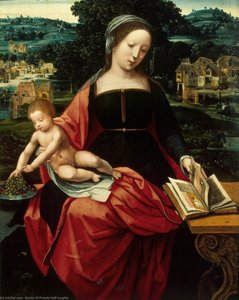
master of female half lengths
Netherlands
Datos clave
- Artistic Movement Or Style: Northern Renaissance
- Artists Or Movements Influenced By This Artist: ['Bernard van Orley']
- Artists Who Influenced This Artist: ['Joachim Patinir']
- Full Name: Master of the Female Half-Lengths
- Nationality: Flemish
- Notable Artworks:
- Madonna and Child
- Concert of Women
- St Catherine

