 Ver en contexto
 Enviar
 Compartir
 Detalles

 Descargar
 Similares
 Radiografía
 Presentación de diapositivas
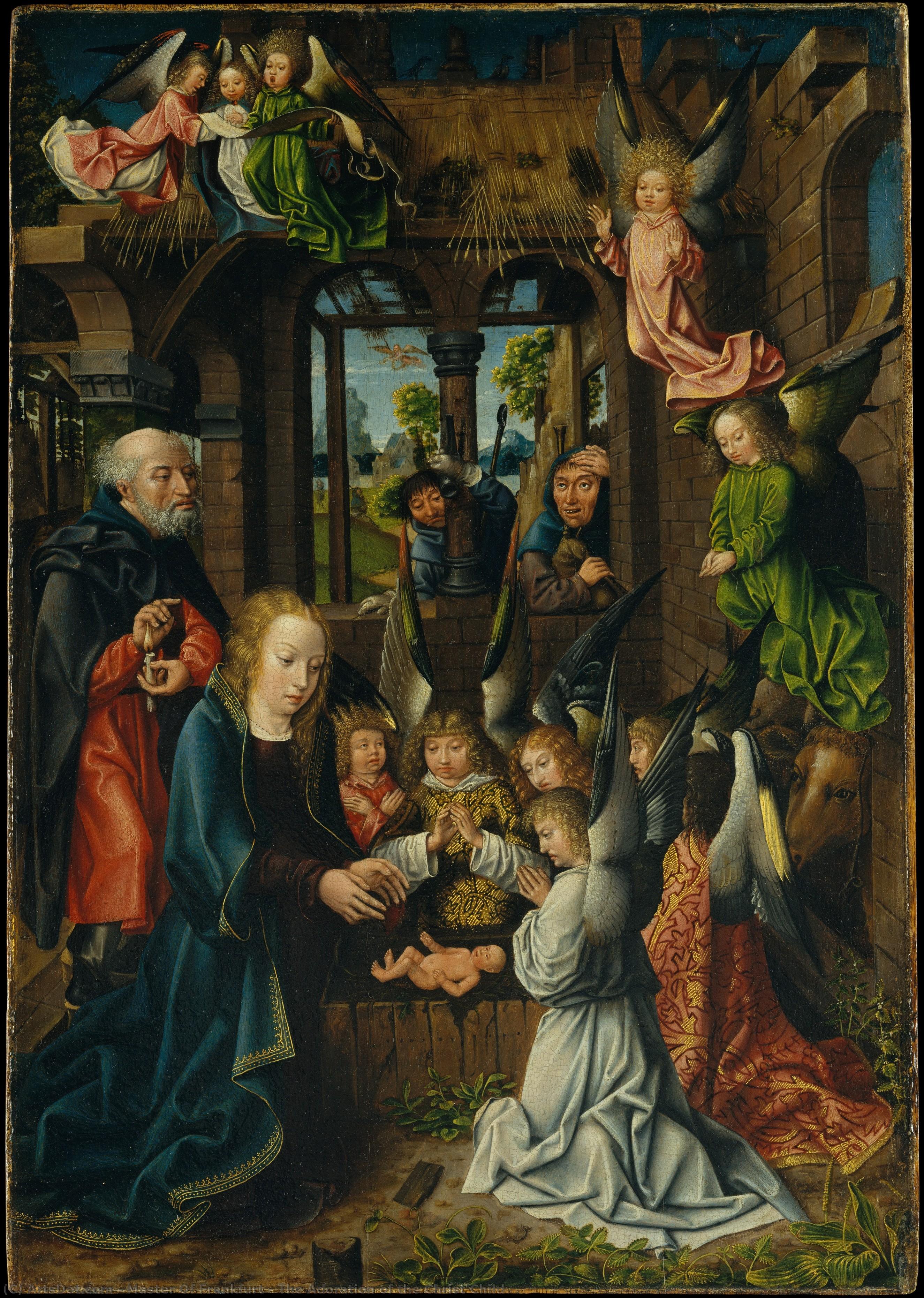
The Adoration of the Christ Child
 1502
1502 59.0 x 41.0 cm
 Museo Metropolitano de Arte
 Ver más
Adquiera una imagen digital de alta resolución y optimizada, muy superior a la vista previa en línea.
Cada archivo es preparado meticulosamente por nuestros especialistas internos mediante el uso de herramientas avanzadas y un experto retoque manual. Nos aseguramos de que cada imagen posea una claridad excepcional, una precisión cromática impecable y un detalle minucioso.
El archivo final se entrega por correo electrónico en un plazo de 72 horas, optimizado para su uso inmediato en entornos profesionales, editoriales y de impresión. Esta es la misma calidad en la que confían los estudios de diseño, las editoriales y las galerías de primer nivel.
Imagen Digital
Descarga un archivo de alta resolución para exhibición personal, impresión y proyectos creativos. ( Comprar impresión Comprar pintura hecha a mano)
Incluido en cada pedido de imágenes digitales
Entrega digital experta, garantizada.
Al elegir ArtsDot.com, no solo está adquiriendo una imagen; está recibiendo una obra de arte digital mejorada profesionalmente, elaborada con precisión y respaldada por una garantía de satisfacción. Esto es todo lo que incluye su pedido, automáticamente:

Entrega rápida por email
Recibirá su archivo de imagen digital en alta resolución por correo electrónico en un plazo de 72 horas tras realizar su pedido, listo para su uso inmediato.

Archivo digital optimizado por IA
Su obra de arte se optimiza profesionalmente mediante herramientas avanzadas de IA y edición manual, garantizando el máximo detalle, claridad y precisión cromática.

Reenvío gratuito de por vida
¿Has borrado o perdido tu archivo por error? No te preocupes: te lo volveremos a enviar en cualquier momento, sin coste adicional.

Sin gastos de importación, siempre
Disfrute de su obra de arte al instante sin aduanas, aranceles ni gastos de envío; las descargas digitales siempre están libres de impuestos.

Garantía de fidelidad de color
Garantizamos que su imagen digital refleje los colores originales con la mayor fidelidad posible, mediante el uso de herramientas profesionales y gestión del color.

Garantía de satisfacción de 60 días
Si no está satisfecho con su imagen digital, la revisaremos o le reembolsaremos el 100% en un plazo de 60 días, sin preguntas.

100% Garantía de devolución de dinero
¿No está satisfecho? Obtenga un reembolso completo dentro de los 60 días posteriores a la recepción de su archivo digital, sin necesidad de explicaciones.

Descuentos por pedidos grandes
Compra 3 imágenes, ahorra 10% - Compra 5, ahorra 15% - Compra 10+, ahorra 20%. Ideal para proyectos creativos, galerías y agencias.
Obras relacionadas




Biografía del artista
The Enigmatic World of the Master of Frankfurt
The ‘Master of Frankfurt’ remains one of the most compelling and elusive figures in early Netherlandish painting. Unlike many artists of his time, a concrete biographical record stubbornly resists discovery. We know him not through signed portraits or documented commissions, but rather through a distinctive body of work – approximately twenty surviving paintings that reveal a singular artistic vision steeped in religious fervor, intricate detail, and a touch of the fantastical. His very name is an attribution derived from the frequent presence of Frankfurt cityscapes within his compositions, suggesting a strong connection to this important mercantile center during the 16th century. While the precise identity of the artist continues to be debated among scholars, the power and originality of his paintings have secured his place as a significant contributor to the Northern Renaissance.A Style Forged in Religious Devotion
The Master of Frankfurt’s artistic style is immediately recognizable. He specialized almost exclusively in religious scenes, particularly depictions of the Holy Family – the Virgin Mary, Joseph, and the infant Christ. These are not grand, sweeping narratives, however; instead, they focus on intimate moments of domestic life within a meticulously rendered interior setting. His paintings often feature multiple figures crowded into relatively small spaces, creating a sense of closeness and immediacy that draws the viewer directly into the sacred drama unfolding before them. A hallmark of his work is the inclusion of detailed architectural backgrounds, frequently showcasing recognizable views of Frankfurt, which served not merely as decorative elements but also as anchors to the contemporary world, grounding the spiritual narrative in a tangible reality. The artist’s palette favors rich, saturated colors – deep reds, blues, and golds – applied with a remarkable precision that highlights the textures of fabrics, skin, and objects.Influences and Artistic Lineage
Pinpointing the Master of Frankfurt's artistic influences is a complex undertaking given the limited information available about his training. However, scholars generally agree that he was deeply influenced by the Delft School, particularly the work of painters like Jan van der Heyden and Hans Vredeman de Vries. This influence is evident in his meticulous attention to perspective, architectural detail, and the use of light and shadow to create a sense of depth and realism. Furthermore, echoes of Geertgen tot Sint Jans’s serene piety and compositional clarity can be detected in his depictions of the Holy Family. It's also plausible that he absorbed elements from the broader artistic milieu of the Rhineland, known for its tradition of devotional painting and woodcarving. He doesn’t simply imitate these influences; rather, he synthesizes them into a unique style characterized by an unusual blend of realism, emotional intensity, and symbolic complexity.Symbolism Woven into Everyday Life
The Master of Frankfurt was not merely a skilled craftsman but also a sophisticated visual storyteller. His paintings are replete with symbolism, often subtly embedded within the seemingly ordinary details of everyday life. Objects, gestures, and even architectural elements carry layers of meaning that enrich the religious narrative. For example, the inclusion of specific flowers or fruits might allude to virtues or theological concepts. The careful arrangement of figures and objects within the composition is also deliberate, guiding the viewer’s eye towards key symbolic motifs. The artist's use of light, often emanating from a hidden source, serves not only to illuminate the scene but also to represent divine grace and spiritual enlightenment. Deciphering these layers of symbolism requires careful observation and an understanding of contemporary religious beliefs and iconography.Historical Significance and Lasting Legacy
Despite the anonymity surrounding his life, the Master of Frankfurt’s work holds a significant place in art history. He represents a fascinating example of a regional painter who developed a highly individual style within the broader context of the Northern Renaissance. His paintings offer valuable insights into the religious sensibilities of 16th-century Germany and the role of art in fostering personal devotion.- His meticulous realism and attention to detail influenced subsequent generations of painters.
- The inclusion of recognizable cityscapes provides a unique glimpse into the urban landscape of Frankfurt during this period.
- His focus on intimate scenes of the Holy Family resonated with contemporary audiences seeking a more personal connection to religious narratives.