

 Ver en contexto
 Enviar
 Compartir
 Detalles

 Descargar
 Similares
 Radiografía
 Presentación de diapositivas
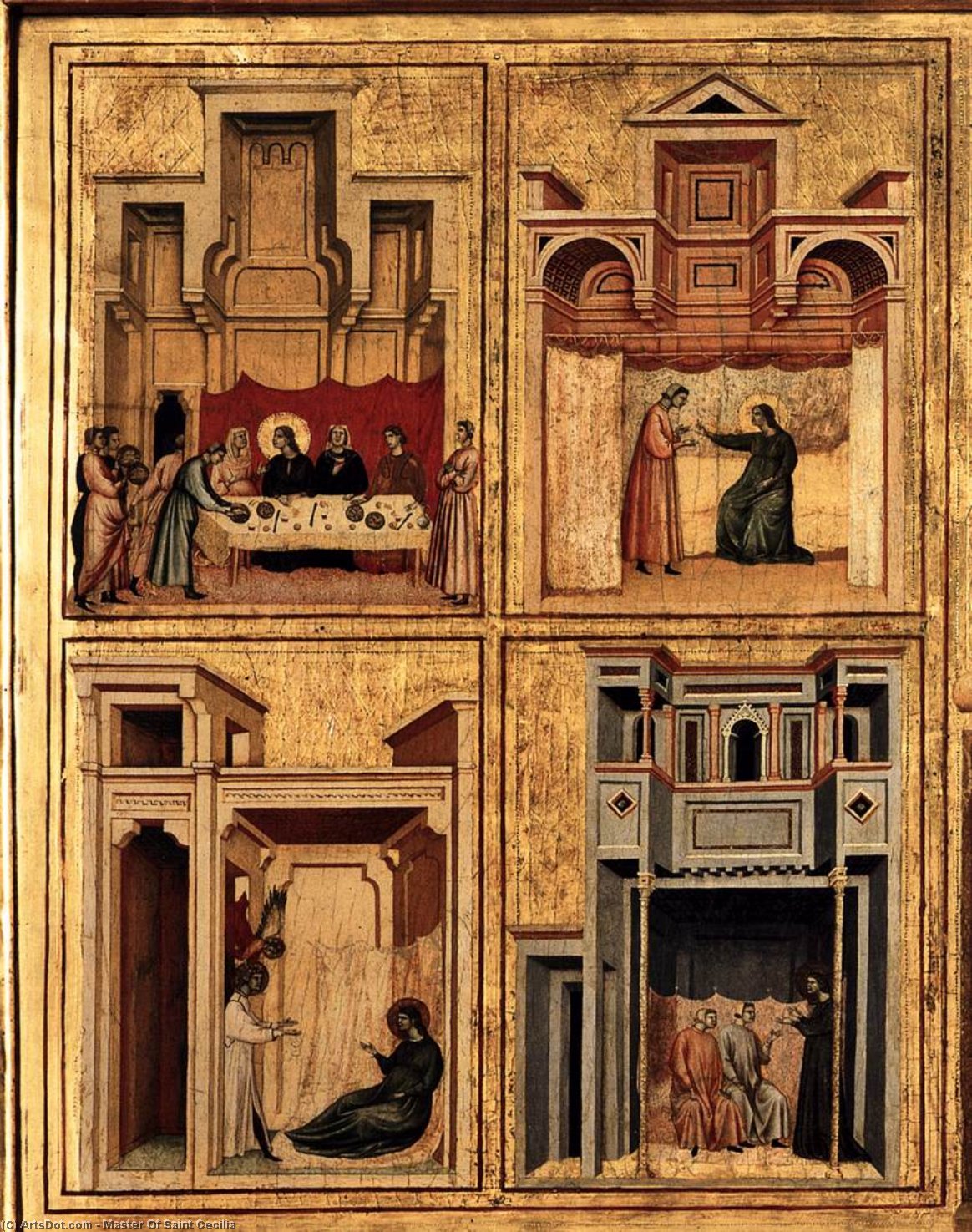
Saint Cecilia Altarpiece (detail)


 Ver más
Adquiera una imagen digital de alta resolución y optimizada, muy superior a la vista previa en línea.
Cada archivo es preparado meticulosamente por nuestros especialistas internos mediante el uso de herramientas avanzadas y un experto retoque manual. Nos aseguramos de que cada imagen posea una claridad excepcional, una precisión cromática impecable y un detalle minucioso.
El archivo final se entrega por correo electrónico en un plazo de 72 horas, optimizado para su uso inmediato en entornos profesionales, editoriales y de impresión. Esta es la misma calidad en la que confían los estudios de diseño, las editoriales y las galerías de primer nivel.
Imagen Digital
Descarga un archivo de alta resolución para exhibición personal, impresión y proyectos creativos. ( Comprar impresión Comprar pintura hecha a mano)
Incluido en cada pedido de imágenes digitales
Entrega digital experta, garantizada.
Al elegir ArtsDot.com, no solo está adquiriendo una imagen; está recibiendo una obra de arte digital mejorada profesionalmente, elaborada con precisión y respaldada por una garantía de satisfacción. Esto es todo lo que incluye su pedido, automáticamente:

Entrega rápida por email
Recibirá su archivo de imagen digital en alta resolución por correo electrónico en un plazo de 72 horas tras realizar su pedido, listo para su uso inmediato.

Archivo digital optimizado por IA
Su obra de arte se optimiza profesionalmente mediante herramientas avanzadas de IA y edición manual, garantizando el máximo detalle, claridad y precisión cromática.

Reenvío gratuito de por vida
¿Has borrado o perdido tu archivo por error? No te preocupes: te lo volveremos a enviar en cualquier momento, sin coste adicional.

Sin gastos de importación, siempre
Disfrute de su obra de arte al instante sin aduanas, aranceles ni gastos de envío; las descargas digitales siempre están libres de impuestos.

Garantía de fidelidad de color
Garantizamos que su imagen digital refleje los colores originales con la mayor fidelidad posible, mediante el uso de herramientas profesionales y gestión del color.

Garantía de satisfacción de 60 días
Si no está satisfecho con su imagen digital, la revisaremos o le reembolsaremos el 100% en un plazo de 60 días, sin preguntas.

100% Garantía de devolución de dinero
¿No está satisfecho? Obtenga un reembolso completo dentro de los 60 días posteriores a la recepción de su archivo digital, sin necesidad de explicaciones.

Descuentos por pedidos grandes
Compra 3 imágenes, ahorra 10% - Compra 5, ahorra 15% - Compra 10+, ahorra 20%. Ideal para proyectos creativos, galerías y agencias.
Descripción del coleccionable
The Enigmatic Master of Saint Cecilia
The identity of the ‘Master of Saint Cecilia’ remains one of art history's most enduring mysteries—a testament to the challenges faced by scholars attempting to reconstruct the life and career of a pivotal figure in early Netherlandish painting. Active primarily between 1475/1480 and 1510, this artist emerged from the shadows of Cologne’s artistic milieu, leaving behind only tantalizing clues about his origins and motivations. Despite lacking a definitive name, his distinctive style—characterized by vibrant enamel colors and a masterful grasp of Gothic techniques—has secured him a place among the most recognizable artists of the Renaissance in Germany.
A Canvas Born from Darkness
Information regarding the Master’s life is scarce; biographical details are absent beyond speculation based on circumstantial evidence. He was born sometime around 1450, likely in Italy, though precise birthplace remains elusive. His artistic journey began in Utrecht or Leuven, where he honed his skills amidst a burgeoning artistic community eager to embrace new stylistic influences from Florence and Venice.
A Symphony of Byzantine Influence
The Master’s oeuvre is dominated by altarpiece panels—primarily depictions of Saint Cecilia, the patron saint of musicians—that exemplify the profound impact of Byzantine iconography on Northern European art. These works are instantly recognizable for their flattened perspective, stylized figures rendered with meticulous detail, and an overwhelming palette of gold leaf, ochre, brown, and muted blues and reds. The artist skillfully employed tempera paint on a gessoed wood panel, adhering to traditional techniques that prioritized spiritual resonance over realistic representation.
Decoding the Symbolism
Each scene within the Saint Cecilia Altarpiece is laden with symbolic significance. The central figure of Saint Cecilia—often depicted in serene repose—is surrounded by halos signifying holiness and illuminated by radiant light symbolizing divine grace. Her drapery folds are rendered with geometric precision, reflecting the formal aesthetic of Byzantine art and emphasizing spiritual contemplation. Furthermore, musical instruments – lyres and pipes – are prominently displayed, representing Cecilia’s devotion to music as a form of prayer.
A Legacy of Dramatic Light
The artist's masterful manipulation of light is particularly noteworthy. Strong contrasts between illumination and shadow create a dramatic visual effect, directing the viewer’s gaze towards key figures and architectural elements within each panel. This technique—characteristic of Byzantine churches—underscores the spiritual solemnity of the subject matter and evokes a palpable sense of reverence.
A Window into Medieval Faith
The Saint Cecilia Altarpiece stands as an exceptional example of medieval devotional art, encapsulating the artistic conventions and theological beliefs prevalent during its creation. Its enduring appeal lies not only in its aesthetic beauty but also in its ability to convey profound spiritual truths—a testament to the artist’s skill in capturing the essence of Christian faith through visual storytelling.
Obras relacionadas


Biografía del artista
The Enigmatic Master of Saint Cecilia
The identity of the ‘Master of Saint Cecilia’ remains one of art history's most enduring mysteries—a testament to the challenges faced by scholars attempting to reconstruct the life and career of a pivotal figure in early Netherlandish painting. Active primarily between 1475/1480 and 1510, this artist emerged from the shadows of Cologne’s artistic milieu, leaving behind only tantalizing clues about his origins and motivations. Despite lacking a definitive name, his distinctive style—characterized by vibrant enamel colors and a masterful grasp of Gothic techniques—has secured him a place among the most recognizable artists of the Renaissance in Germany.A Canvas Born from Darkness
Information regarding the Master’s life is scarce; biographical details are absent beyond speculation based on circumstantial evidence. He was born sometime around 1450, likely in Italy, though precise birthplace remains elusive. His artistic journey began in Utrecht or Gelderland, where he honed his skills during a formative period marked by burgeoning humanist ideals and the revival of classical art forms. The discovery of a book of hours bearing Sophia van Bylant’s imprint—a remarkable example of Netherlandish manuscript illumination—provided invaluable insight into his cultural context, suggesting connections to Arnhem and highlighting the influence of Flemish artistic traditions. Around 1480, he relocated to Cologne, where he established himself as a respected painter and collaborated extensively with the Carthusian Monastery, cementing his reputation for producing devotional imagery.The Saint Cecilia Altarpiece: A Defining Work
His fame rests largely upon the ‘Saint Cecilia Altarpiece,’ commissioned circa 1505-1510 for Cologne Cathedral—a monumental undertaking that exemplifies his artistic prowess. Depicting saint Cecilia flanked by saint Agnes and saint Bartholomew, the altarpiece showcases a breathtaking palette of enamel colors—a technique perfected during this era—and demonstrates an exceptional understanding of Gothic architectural principles. The inclusion of a Carthusian monk within the composition underscores the artist’s affiliation with Cologne’s monastic community and speaks to the pervasive religious fervor of the time. This masterpiece is considered one of the most important works of art from his period, demonstrating his ability to synthesize stylistic elements from both Northern and Byzantine traditions. Analysis of his oeuvre reveals a fascinating trajectory—beginning with miniatures for Sophia van Bylant’s book of hours, where the ‘Flagellation’ scene exemplifies an early Netherlandish style characterized by meticulous detail and expressive brushwork. The use of Flemish pigments and compositional conventions suggests that he initially trained in Utrecht or Gelderland, marking him as part of a broader artistic movement. Furthermore, stylistic affinities with Cologne’s artistic circles—particularly evident in the altarpiece—indicate a sustained engagement with German art and intellectual currents.Stylistic Echoes: From Utrecht to Cologne
Despite his anonymity, the Master of Saint Cecilia's influence extends far beyond his surviving paintings. His distinctive style served as inspiration for subsequent generations of artists, shaping the visual landscape of early Renaissance Germany. He stands as a symbol of artistic innovation within a period defined by uncertainty and experimentation—a figure whose enduring legacy continues to captivate art historians and enthusiasts alike. The ‘Saint Cecilia Altarpiece,’ along with other works attributed to him, remains a cornerstone of Netherlandish art history, ensuring that the enigma surrounding his identity will continue to fascinate for years to come.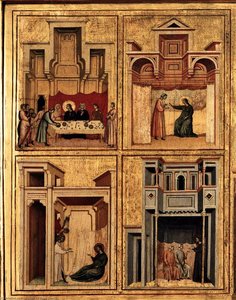
Maestro de Santa Cecilia
1450 - 1510 , Italia
Breves datos
- Artistic Movement Or Style: Early Netherlandish Renaissance
- Artists Who Influenced This Artist:
- Jan van Eyck
- Rogier van der Weyden
- Date Of Birth: 1450
- Full Name: Master of Saint Cecilia
- Nationality: Dutch
- Notable Artworks:
- Saint Bartholomew Altarpiece
- Madonna and Child with Saint Anne
- Place Of Birth: Italy

