 Ver en contexto
 Enviar
 Compartir
 Detalles

 Descargar
 Similares
 Radiografía
 Presentación de diapositivas
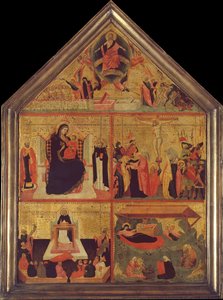
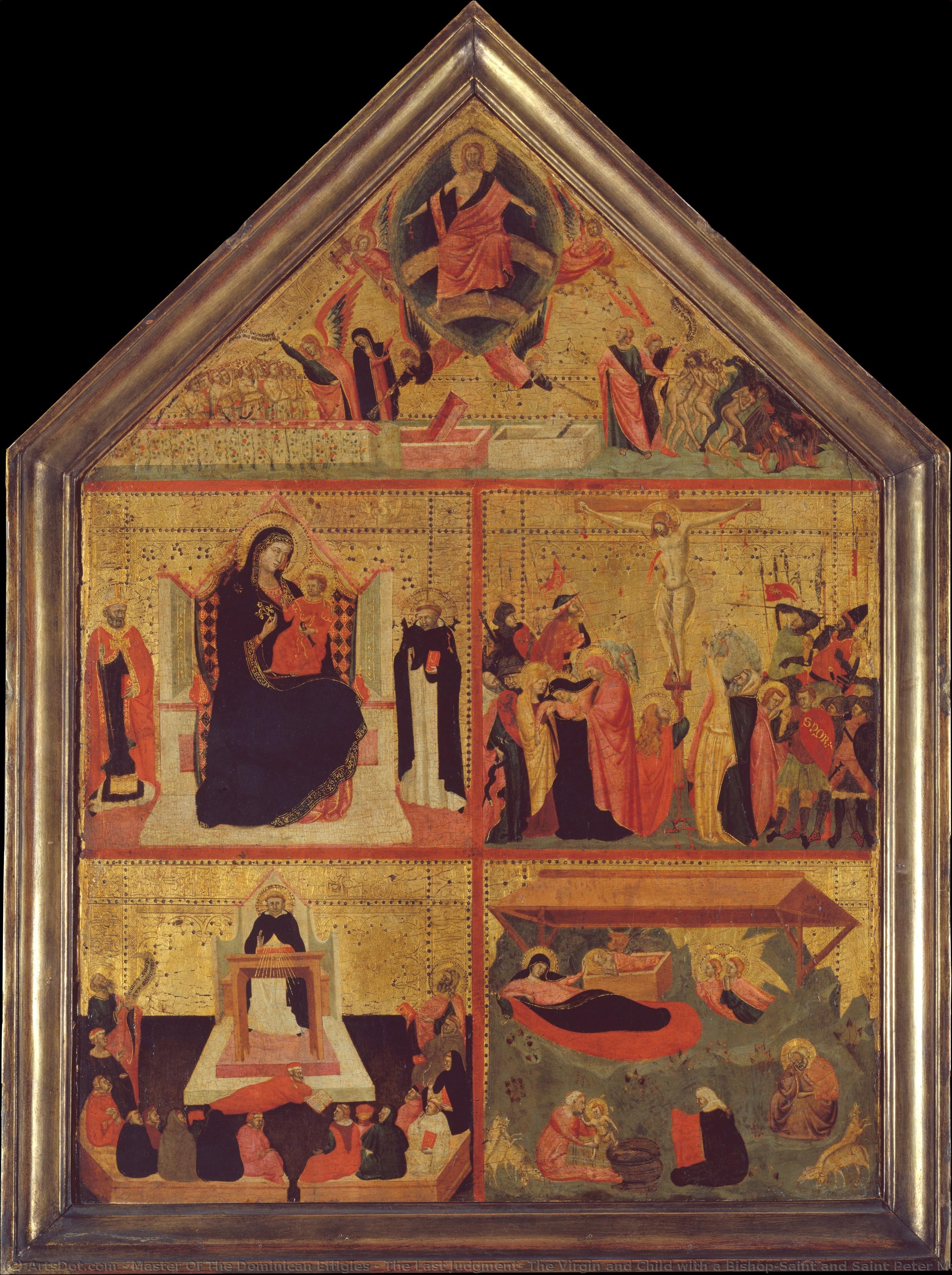
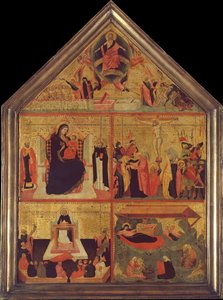
El Juicio Final; La Virgen y el Niño con un Santo Obispo y San Pedro Mártir; La Crucifixión; La Glorificación de Santo Tomás de Aquino; La Natividad


 Ver más
Giclée / Impresión de arte
Impresiones giclée o en lienzo de calidad de museo con producción rápida y opciones de acabado flexibles. ( Comprar pintura hecha a mano Comprar imagen)




P118B $10

P118H $10

P118W $10

P438Z $10

P508JH $12

P508YH $12

P805H $10

P805Z $10

P919BZ $10

P919G $10

P919XJ $10

P959ZH $10

P968JZ $12

W106C $8

W218G $10

W218JH $8

W218Y $10

W307PJ $10

W316G $10

W316PJ $8

W316Y $10

W398PJ $8

W4111J $10

W500HY $15

W500JH $15

W692G $12

W849H $8

W940BG $15

W953PJ $8




Elija entre nuestros tamaños predefinidos que respetan las proporciones originales de la obra.

Puede introducir sus propias dimensiones para adaptarse a un marco o espacio específico. Si el tamaño seleccionado no coincide con las proporciones de la imagen original, recortaremos la obra de arte o extenderemos la imagen con un borde con efecto espejo o de color sólido. Se enviará una maqueta digital para su aprobación antes de que comience la producción.
Tenga en cuenta que la vista previa en pantalla no refleja el recorte o la extensión real. Solo la maqueta mostrará con precisión la composición final.
Aunque existen tamaños personalizados, recomendamos seleccionar una dimensión de la lista predefinida para preservar las proporciones originales.
Envío a todo el mundo () en 2 semanas en lugar de las 4/5 semanas estándar. (4 septiembre)

Envío exprés gratuito a todo el mundo

Lienzo de lino de alta calidad

Seguro de envío total

Garantía de reembolso de impuestos aduaneros

Garantía de fidelidad cromática exacta

Política de devolución de 60 días (solo por defectos)

Garantía de devolución del 100% del dinero

Descuento por cantidad
 La opción de vidrio solo está disponible en tamaños inferiores a 110 cm.

El Juicio Final; La Virgen y el Niño con un Santo Obispo y San Pedro Mártir; La Crucifixión; La Glorificación de Santo Tomás de Aquino; La Natividad
Giclée / Impresión de arte
Dimensiones de la reproducción
-


Precio total final
$ 62
Un Viaje a través de los Siglos: Comprendiendo la Visión Artística
En el reino del arte, pocas piezas capturan la esencia de la fe y la devoción con tanta profundidad como "El Juicio Final; La Virgen y el Niño con un Santo Obispo y San Pedro Mártir; La Crucifixión; La Glorificación de Santo Tomás de Aquino; La Natividad" del Maestro de las Efigies Dominicanas. Esta obra maestra, datada en 1325, es un testimonio del genio artístico de su creador, quien no solo fue un principal iluminador de manuscritos florentinos, sino también un pintor consumado.El Contexto Artístico: Una Mezcla de Narrativa y Detalle Decorativo
El Maestro de las Efigies Dominicanas, nombrado así por su panel que representa a Cristo y la Virgen con diecisiete santos dominicos en la Iglesia de Santa Maria Novella, en Florencia, aportó una mezcla única de narrativa y detalle decorativo a su obra. Esto es evidente en el panel Lehman, que ejemplifica su énfasis en una narración vívida y un diseño intrincado, ejecutado en formato reducido, resaltando sus tendencias como miniaturista.La Pintura: Un Tapiz Visual de Temas Cristianos
La pintura en sí es un tapiz visual que entrelaza diversos temas cristianos. En su centro se erige la figura de Jesucristo, rodeada por otras figuras que representan distintos aspectos del cristianismo. Pequeñas figuras de personas y ángeles se dispersan por toda la obra, añadiendo complejidad y detalle a la pieza artística.Significado Histórico: Un Encargo para la Devoción Privada
Es probable que este panel formara el centro de un pequeño tabernáculo plegable, destinado a la devoción privada. La inclusión de Santo Tomás de Aquino, teólogo dominico, sugiere que el tabernáculo fue encargado para una institución o patrón dominico, convirtiéndolo en una pieza significativa en la historia del arte religioso.Preservación y Exhibición: Un Tesoro en el Metropolitan Museum of Art
Hoy en día, esta obra maestra se conserva y exhibe en el Metropolitan Museum of Art en Nueva York. La colección del museo incluye otras obras notables como "Cristo cargando la cruz" de El Greco (Doménikos Theotokopoulos), la "Crucifixión" de Jan Van Eyck y el "Crucifijo" de Giotto Di Bondone.Reproducciones: Devolviendo la Vida al Arte con ArtsDot.com
Para aquellos que deseen traer una parte de esta historia artística a sus propios hogares, ArtsDot.com ofrece reproducciones de pinturas al óleo hechas a mano. Su colección incluye obras de diversos artistas, como el Maestro de la Crucifixión en la Marienkirche de Dortmund, asegurando que la belleza y el significado de estas obras maestras sean accesibles para todos.Conclusión: Un Legado de Fe y Maestría
"El Juicio Final; La Virgen y el Niño con un Santo Obispo y San Pedro Mártir; La Crucifixión; La Glorificación de Santo Tomás de Aquino; La Natividad" del Maestro de las Efigies Dominicanas se erige como un legado de fe y maestría, un testimonio del poder perdurable del arte religioso. A través de sus intrincados detalles y temas profundos, esta pintura continúa cautivando al público, inspirando una comprensión más profunda de las tradiciones artísticas y espirituales que la moldearon.- Pintura de 'Maestro de las Efigies Dominicanas' | Maestro de las Efigies Dominicanas: El Juicio Final; La Virgen y el Niño con un Santo Obispo y San Pedro Mártir; La Crucifixión; La Glorificación de Santo Tomás de Aquino; La Natividad
- Pintura de 'El Greco (Doménikos Theotokopoulos)' | El Greco (Doménikos Theotokopoulos): Cristo cargando la cruz
- Pintura de 'Jan Van Eyck' | Jan Van Eyck: Crucifixión
Obras relacionadas
Biografía del artista
The Enigma of the Florentine Brush
In the golden, flickering light of early fourteenth-century Florence, an artist emerged whose name remains a whispered mystery, known only through the enduring beauty of his creations. The Master of the Dominican Effigies stands as a singular, anonymous figure in the annals of art history, a creator whose true identity is lost to time but whose vision remains vibrantly alive. Active approximately between 1328 and 1350, this master was not merely a painter but a principal Florentine manuscript illuminator, a craftsman capable of weaving profound spiritual narratives into both expansive panels and the delicate, intimate pages of illuminated codices.
While historical records offer little regarding his personal life or origins—though some scholarly fragments suggest a connection to Lombardy—his artistic fingerprints are unmistakable. He operated within a Florence characterized by burgeoning civic pride and an intense, almost spiritual engagement with Byzantine aesthetics. This era was a crossroads of styles, where the monumental, static grandeur of the East met the burgeoning humanism of the Italian West, and the Master of the Dominican Effigities stood at the very heart of this stylistic alchemy.
A Symphony of Gold and Devotion
The work of the Master is a breathtaking testament to the power of religious iconography. His technique was a masterful blend of narrative depth and decorative splendor, often characterized by a luminous palette that seemed to radiate from within the pigment itself. To observe his work is to witness a meticulous devotion to detail; he possessed a rare ability to use gold leaf not merely as an ornament, but as a divine light that sanctified the figures he depicted. His style frequently employed flattened figures and stylized drapery, a clear homage to the monumental frescoes of Constantinople and Thessalonica, yet he infused these traditional forms with a uniquely Florentine sense of expressive emotion.
His achievements are most notably preserved in several remarkable masterpieces that continue to captivate the modern eye:
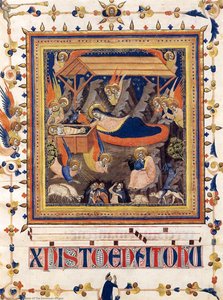
- The Laudario of the Compagnia di Sant'Agnese: A monumental achievement in manuscript illumination, where the pages serve as celestial portals. Through intricate gold leaf and azure pigments, he captured scenes from the Gospels with a sense of ceremony that transcends the medieval era.
- The Last Judgment and Related Panels: A complex, multi-layered work dating to around 1325, showcasing his prowess as both an illuminator and a painter. This piece weaves together themes of the Crucifixion, the Nativity, and the glorification of saints into a singular, cohesive visual tapestry.
- The Lehnman Panel: A work that highlights his tendencies as a miniaturist, emphasizing lively storytelling through reduced, intricate forms that demand close, meditative study.
Legacy of the Byzantine Influence
The historical significance of the Master of the Dominican Effigies lies in his role as a bridge between eras. He was a pioneer who helped integrate the rigid, iconic traditions of the Byzantine Empire into the evolving language of Florentine painting. By blending the decorative richness of the East with the burgeoning narrative complexity of the Italian tradition, he contributed to the foundational layers of what would eventually blossom into the Renaissance.
Though his name remains shrouded in shadow, his legacy is etched in gold and pigment across the great collections of the world, from the Metropolitan Museum of Art to the Getty Museum. He remains a vital figure for any student of art history—a reminder that even when an artist's identity vanishes, the soul of their work can remain eternally present, speaking across centuries of devotion and beauty.
Datos clave
- Artistic Movement Or Style: Medieval Catholic Art
- Artists Or Movements Influenced By This Artist: ['Medieval Catholic Art']
- Artists Who Influenced This Artist:
- Egyptian Art Influence
- Ptolemaic Egypt Art
- Byzantine Style
- Full Name: Master of the Dominican Effigies
- Nationality: Italian
- Notable Artworks:
- Laudario of Sant'Agnese
- Fragment of a Triptych
- The Last Judgment
- The Crucifixion
- The Glorification of Saint Thomas Aquinas
- The Virgin and Child with a Bishop-Saint and Saint Peter Martyr
- Place Of Birth: Florence
Artículos relacionados
El Crepúsculo Radiante de la Visión Medieval: Fe, Forma y Emotividad en el Arte Gótico Tardío (c. 1300-1500)
Explore el esplendor del arte gótico tardío (c. 1300-1500). Descubra la síntesis de fe, forma y emoción en la pintura internacional, los retablos medievales y la influencia de Giotto. Análisis experto.
10 Obras Maestras Medievales que Definen el Arte (y tu Hogar)
Descubre 10 obras maestras del arte medieval, desde Duccio a Van Eyck. Explora la historia, simbolismo y belleza de Giotto, Simone Martini y más. Encuentra reproducciones de alta calidad para decorar tu hogar en ArtsDot.com.
Más Allá de las Fronteras: Innovaciones Espirituales y Estilísticas del Arte Gótico Internacional
Descubra las innovaciones espirituales y estilísticas del Arte Gótico Internacional. Análisis profundo de sus orígenes, características clave, influencia en España y legado artístico. Expertos en historia del arte.
Proto-Renacimiento: 10 Obras Maestras que Cambiaron la Historia del Arte | ArtsDot
Descubre las 10 obras maestras del Proto Renacimiento que revolucionaron el arte italiano. Explora la historia de Giotto, Duccio y Cimabue. Reproducciones de arte en ArtsDot.com para decorar tu hogar con belleza atemporal.
La Sombra de la Fe: Explorando la Intensidad Espiritual y la Innovación Arquitectónica del Arte Gótico
Descubre la profunda espiritualidad y la innovadora arquitectura del arte gótico. Explora la Basílica de Saint-Denis, su simbolismo cristiano y el legado duradero de este fascinante estilo. Análisis experto en ArtsDot.