

 Ver en contexto
 Enviar
 Compartir
 Detalles

 Descargar
 Similares
 Radiografía
 Presentación de diapositivas
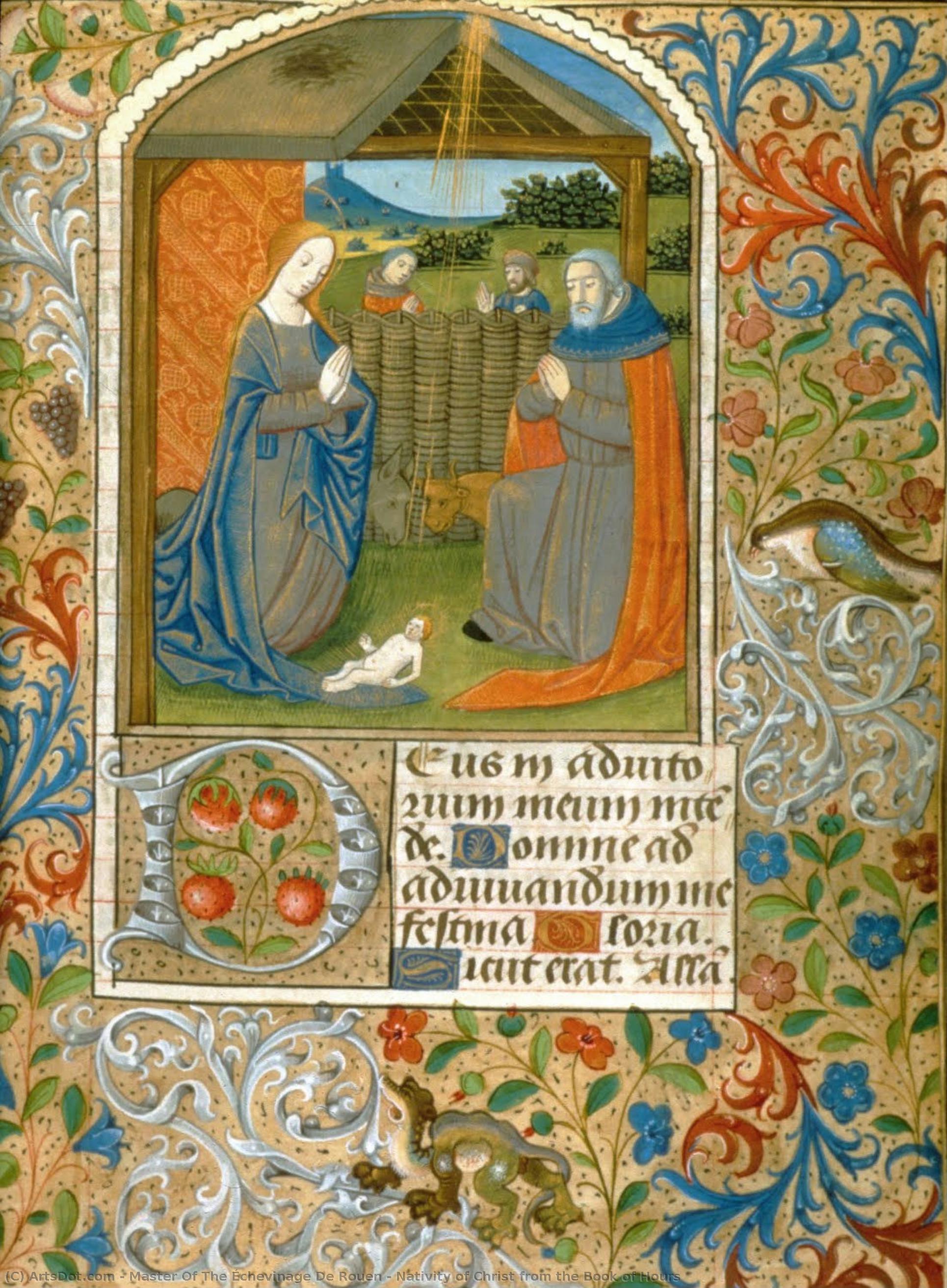
Nativity of Christ from the Book of Hours
 Manuscript
- Late Medieval
 1480
1480- Late Medieval
 20.0 x 15.0 cm
 Museo de Arte Chrysler
 Ver más
Giclée / Impresión de arte
Impresiones giclée o en lienzo de calidad de museo con producción rápida y opciones de acabado flexibles. ( Comprar pintura hecha a mano Comprar imagen)




P118B $10

P118H $10

P118W $10

P438Z $10

P508JH $12

P508YH $12

P805H $10

P805Z $10

P919BZ $10

P919G $10

P919XJ $10

P959ZH $10

P968JZ $12

W106C $8

W218G $10

W218JH $8

W218Y $10

W307PJ $10

W316G $10

W316PJ $8

W316Y $10

W398PJ $8

W4111J $10

W500HY $15

W500JH $15

W692G $12

W849H $8

W940BG $15

W953PJ $8




Elija entre nuestros tamaños predefinidos que respetan las proporciones originales de la obra.

Puede introducir sus propias dimensiones para adaptarse a un marco o espacio específico. Si el tamaño seleccionado no coincide con las proporciones de la imagen original, recortaremos la obra de arte o extenderemos la imagen con un borde con efecto espejo o de color sólido. Se enviará una maqueta digital para su aprobación antes de que comience la producción.
Tenga en cuenta que la vista previa en pantalla no refleja el recorte o la extensión real. Solo la maqueta mostrará con precisión la composición final.
Aunque existen tamaños personalizados, recomendamos seleccionar una dimensión de la lista predefinida para preservar las proporciones originales.
Envío a todo el mundo () en 2 semanas en lugar de las 4/5 semanas estándar. (4 septiembre)

Envío exprés gratuito a todo el mundo

Lienzo de lino de alta calidad

Seguro de envío total

Garantía de reembolso de impuestos aduaneros

Garantía de fidelidad cromática exacta

Política de devolución de 60 días (solo por defectos)

Garantía de devolución del 100% del dinero

Descuento por cantidad
 La opción de vidrio solo está disponible en tamaños inferiores a 110 cm.

Nativity of Christ from the Book of Hours
Giclée / Impresión de arte
Dimensiones de la reproducción
-


Precio total final
$ 62
A Sacred Window into the Late Middle Ages
In the quiet intimacy of a fifteenth-century devotional life, few objects held as much spiritual weight as the illuminated manuscript. The Nativity of Christ from the Book of Hours, crafted around 1480 by the master of the échevinage de rouen, serves as a breathtaking portal into this era of profound piety. This delicate miniature, measuring just 20 x 15 cm, was not merely a book but a vessel for prayer, designed to guide the faithful through the canonical hours of the day. As the eye wanders across the page, one is immediately struck by the lavish golden border that frames the sacred scene, a testament to the immense value placed on such hand-painted treasures. The artistry reflects a period when every stroke of pigment and application of gold leaf was an act of devotion, intended to elevate the reader's mind from the earthly realm toward the divine.
The composition of this masterpiece is a masterful blend of the celestial and the terrestrial. At its heart lies the Nativity, where the Virgin Mary cradles the infant Jesus with a tenderness that transcends centuries. Nearby, Joseph stands in quiet contemplation, anchoring the holy family within a scene that feels both monumental and deeply personal. Yet, what makes this particular illumination truly captivating for the modern observer is the subtle infusion of secular life into the sacred narrative. The presence of two dogs—one on the left and another on the right—and an apple tree scattered with fruit introduces a sense of lived reality. These elements suggest that the miracle of Christ's birth is not an isolated event in a vacuum, but one woven into the very fabric of the natural world, making the divine accessible to the everyday observer.
Technique and the Art of Illumination
The master of the échevinage de rouen demonstrates a level of technical precision that remains awe-inspiring even by contemporary standards. The use of vibrant pigments, likely derived from precious minerals, creates a rich color palette that has survived the passage of half a millennium. The artist employs a delicate layering technique to achieve depth within such a small scale, using fine brushwork to define the soft folds of Mary's garments and the subtle textures of the surrounding landscape. The interplay between the luminous gold leaf and the saturated blues and reds creates a rhythmic visual movement, drawing the viewer into the miniature's intricate details. This meticulous craftsmanship is further highlighted by the embellished Latin invocation, “Deus, veni in adiutorium meum” (Oh God, come to my aid), where the ornate letter “D” serves as both a linguistic and artistic anchor for the page.
For collectors and interior designers alike, a high-quality reproduction of this work offers more than just aesthetic beauty; it provides a sense of historical continuity and intellectual depth. The painting’s ability to balance religious solemnity with charming, earthly details—such as the bird perched in the corner or the scattered apples—makes it a versatile piece for sophisticated decor. Whether placed in a study filled with classical literature or as a focal point in a gallery-style living space, this artwork invites contemplation and conversation. It is a piece that does not merely decorate a room but enriches its atmosphere, bringing the quiet, luminous spirit of the French Renaissance into the modern home.
Obras relacionadas
Biografía del artista
The Master of the Échevinage de Rouen: A Beacon of Late Medieval French Illuminatory Art
The Master of the Échevinage de Rouen, a name whispered among art historians—a moniker that encapsulates understated brilliance and meticulous craftsmanship—stands as one of the most significant figures in the artistic landscape of 15th-century France. Though shrouded in relative obscurity compared to contemporaries like Limbourg or Mariotto Alfano, his contribution to illuminated manuscripts—particularly those produced in Rouen—is undeniable, shaping the aesthetic sensibilities of an era defined by piety and burgeoning humanist thought. Born around 1460 in Rouen, France – precise biographical details remain frustratingly elusive, adding to the mystique surrounding this prolific artist who commanded a workshop that flourished throughout the decade of his prime.Early Life & Training: The Flemish Echoes
Information regarding his formative years is sparse, suggesting he honed his skills within Rouen’s established artistic milieu—a tradition steeped in Flemish influences. Evidence strongly indicates connections with the Ghent Altarpiece, a monumental achievement of Northern Renaissance art that exemplifies the stylistic convergence occurring across Europe during this period. This broader trend toward visual experimentation mirrored a deeper intellectual shift: the humanist movement championed anatomical accuracy and observation—a deliberate departure from earlier artistic conventions prioritizing symbolic representation over realistic depiction. The influence of Flemish masters like Jan van Eyck is palpable in his later works, demonstrating an artist acutely attuned to the evolving artistic landscape.The Rouen Workshop & Artistic Style: A Flourishing Environment
Rouen experienced a dramatic surge in manuscript production following the expulsion of the English from the city in 1449—a pivotal moment reshaping the economic and cultural fabric of Normandy. The Master swiftly ascended to prominence as the dominant illuminator, capitalizing on this favorable environment and establishing a workshop that produced breathtaking books—secular chronicles alongside devotional psalters—characterized by remarkable realism and masterful color palettes. His atelier became synonymous with excellence, attracting talented artisans eager to contribute to its ambitious projects. This workshop’s output wasn't merely decorative; it served as a conduit for disseminating humanist ideas and religious narratives—reflecting the intellectual ferment of the time.Notable Works: “Nativity of Christ from the Book of Hours” – A Testament to Humanism
Among his most celebrated creations is “Nativity of Christ from the Book of Hours,” a masterpiece that encapsulates the Master’s signature style and embodies the humanist ideals prevalent at the time. The intricate depiction of Mary, Joseph, and the infant Jesus—a scene imbued with profound emotional depth—represents a significant advancement in artistic representation. Anatomical accuracy was paramount; artists painstakingly studied human anatomy to achieve lifelike depictions—a conscious effort to capture the essence of humanity rather than merely conveying symbolic meaning. Furthermore, his meticulous attention to detail extended beyond mere visual fidelity; he skillfully employed techniques like glazing and burnishing to achieve luminous surfaces that captivated viewers centuries later – a testament to his mastery of artistic craft.Techniques & Influences: Embracing Innovation
The Master’s artistic vision was undoubtedly shaped by Flemish art, particularly the expressive realism championed by Jan van Eyck. He embraced innovative pigment preparation methods—incorporating ultramarine blue derived from lapis lazuli—a costly material that signaled prestige and sophistication. This daring choice underscored his commitment to pushing artistic boundaries and elevating visual artistry to new heights. Beyond pigment selection, he subtly enhanced spatial depth within his compositions using techniques reminiscent of perspective—demonstrating an artist deeply versed in the principles of Renaissance art.Legacy & Historical Significance: An Enduring Influence
The Master’s output cemented Rouen's reputation as a center for artistic excellence and profoundly impacted the trajectory of French illuminatory art. His work serves as an invaluable window into the intellectual and cultural currents of the late medieval period—demonstrating the enduring power of visual storytelling to convey religious devotion and humanist values. Today, reproductions of his illuminated manuscripts continue to inspire admiration for their beauty and technical prowess – securing his place among the titans of European art history. His legacy persists not merely as a stylistic exemplar but as a symbol of artistic perseverance and dedication—a reminder that brilliance can emerge from obscurity when coupled with unwavering commitment to craft.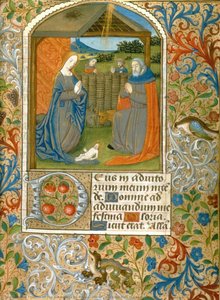
Maestro Del Échevinaje De Rouen
Francia
Datos clave
- Artistic Movement Or Style: Late Medieval Illumination
- Date Of Birth: (Living)
- Full Name: master of the échevinage de rouen
- Nationality: French
- Notable Artworks: ['Nativity of Christ from the Book of Hours']
- Place Of Birth: Rouen, France
Artículos relacionados
Las 10 Obras Maestras del Alto Medieval: Arte, Historia y Decoración Exclusiva
Descubre las 10 obras maestras del Alto Medieval. Explora la historia, el simbolismo y la belleza de la pintura románica y gótica. Reproducciones exclusivas en ArtsDot.com para decorar tu hogar con arte atemporal.
Illuminating Faith & Power: A Journey Through Medieval Art (c. 500 – c. 1500)
Explore the rich history of Medieval Art (c. 500 – c. 1500) with ArtsDot. Discover Byzantine mosaics, Gothic cathedrals & Renaissance masterpieces. Expert insights & museum-quality reproductions.
10 Obras Maestras del Arte Medieval Temprano: Belleza e Historia para tu Hogar
Descubre 10 obras maestras del arte medieval temprano. Explora la historia, los artistas y el significado de iconos religiosos, mosaicos bizantinos y más. Reproducciones de alta calidad en ArtsDot.com.

10 Obras Maestras Medievales que Definen el Arte (y tu Hogar)
Descubre 10 obras maestras del arte medieval, desde Duccio a Van Eyck. Explora la historia, simbolismo y belleza de Giotto, Simone Martini y más. Encuentra reproducciones de alta calidad para decorar tu hogar en ArtsDot.com.

Los 10 Maestros del Siglo de Oro Holandés: Arte, Historia y Decoración Exclusiva
Descubre los 10 imprescindibles del Siglo de Oro Holandés: Rembrandt, Vermeer y más. Explora la historia, técnica y belleza de estos lienzos clásicos. Encuentra reproducciones de arte exclusivas para decorar tu hogar en .

