

 Ver en contexto
 Enviar
 Compartir
 Detalles

 Descargar
 Similares
 Radiografía
 Presentación de diapositivas
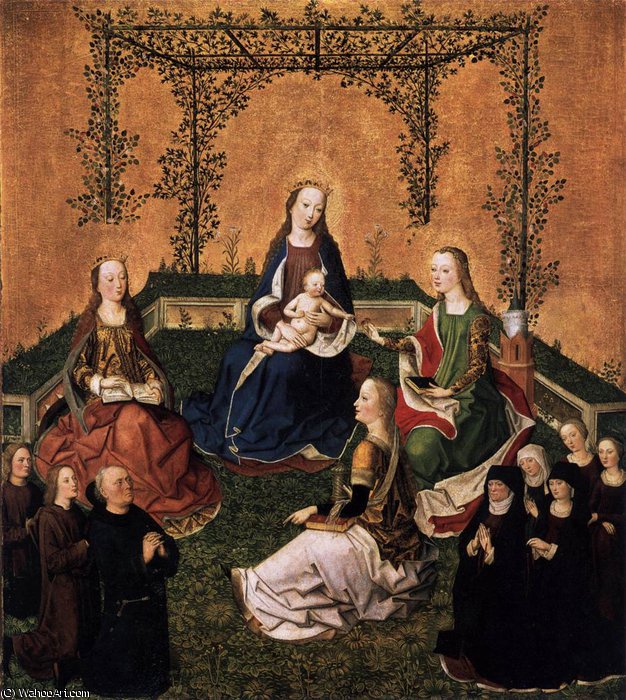
and Child with Three Saints
 Ver más
Adquiera una imagen digital de alta resolución y optimizada, muy superior a la vista previa en línea.
Cada archivo es preparado meticulosamente por nuestros especialistas internos mediante el uso de herramientas avanzadas y un experto retoque manual. Nos aseguramos de que cada imagen posea una claridad excepcional, una precisión cromática impecable y un detalle minucioso.
El archivo final se entrega por correo electrónico en un plazo de 72 horas, optimizado para su uso inmediato en entornos profesionales, editoriales y de impresión. Esta es la misma calidad en la que confían los estudios de diseño, las editoriales y las galerías de primer nivel.
Imagen Digital
Descarga un archivo de alta resolución para exhibición personal, impresión y proyectos creativos. ( Comprar impresión Comprar pintura hecha a mano)
Incluido en cada pedido de imágenes digitales
Entrega digital experta, garantizada.
Al elegir ArtsDot.com, no solo está adquiriendo una imagen; está recibiendo una obra de arte digital mejorada profesionalmente, elaborada con precisión y respaldada por una garantía de satisfacción. Esto es todo lo que incluye su pedido, automáticamente:

Entrega rápida por email
Recibirá su archivo de imagen digital en alta resolución por correo electrónico en un plazo de 72 horas tras realizar su pedido, listo para su uso inmediato.

Archivo digital optimizado por IA
Su obra de arte se optimiza profesionalmente mediante herramientas avanzadas de IA y edición manual, garantizando el máximo detalle, claridad y precisión cromática.

Reenvío gratuito de por vida
¿Has borrado o perdido tu archivo por error? No te preocupes: te lo volveremos a enviar en cualquier momento, sin coste adicional.

Sin gastos de importación, siempre
Disfrute de su obra de arte al instante sin aduanas, aranceles ni gastos de envío; las descargas digitales siempre están libres de impuestos.

Garantía de fidelidad de color
Garantizamos que su imagen digital refleje los colores originales con la mayor fidelidad posible, mediante el uso de herramientas profesionales y gestión del color.

Garantía de satisfacción de 60 días
Si no está satisfecho con su imagen digital, la revisaremos o le reembolsaremos el 100% en un plazo de 60 días, sin preguntas.

100% Garantía de devolución de dinero
¿No está satisfecho? Obtenga un reembolso completo dentro de los 60 días posteriores a la recepción de su archivo digital, sin necesidad de explicaciones.

Descuentos por pedidos grandes
Compra 3 imágenes, ahorra 10% - Compra 5, ahorra 15% - Compra 10+, ahorra 20%. Ideal para proyectos creativos, galerías y agencias.
Obras relacionadas
Biografía del artista
A Shadowy Figure in Late Gothic Art
The identity of the “Master of the Life of the Virgin” remains one of art history’s most enduring mysteries. This elusive 15th-century Flemish painter, active primarily in Cologne and identified through his remarkably consistent style and a body of devotional panels depicting scenes from Mary's life, operated under an assumed name – a common practice among artists of the period. Often referred to as the “Meister des Marienlebens” (Master of the Virgin), or occasionally Johann van Duyren, he’s a figure shrouded in anonymity, yet his work profoundly influenced generations of Northern European painters. His legacy lies not just in the beauty of his paintings but also in the questions they raise about artistic attribution and the nature of creative genius.
The earliest evidence of his workshop dates back to around 1463, with the completion of a series of eight panels for the Ursulakirche (Ursuline Church) in Cologne. These scenes – including the Annunciation, Visitation, Nativity, Presentation in the Temple, Flight into Egypt, and various episodes from Mary’s childhood and later life – quickly established his reputation. The style is characterized by its serene elegance, a masterful use of color, and a remarkable attention to detail. He drew heavily on the influence of Netherlandish masters like Dirk Bouts and Rogier van der Weyden, incorporating their sophisticated draftsmanship and expressive figures into his own distinctive vision. However, he possessed a unique ability to imbue these borrowed elements with a profound sense of piety and emotional depth.
The Corpus of Works: A Devotional Cycle
Beyond the panels from Cologne, the Master’s workshop produced a significant body of work, primarily centered around altarpieces and individual devotional paintings. Notable examples include a striking Crucifixion for the hospital chapel in Bernkastel-Kues, an Adoration of the Magi for the Germanisches Nationalmuseum in Nuremberg, and a captivating Deposition at the Wallraf-Richartz Museum in Cologne. The “Triptych of Canon Gerhard ter Streegen de Monte” is another significant work, showcasing his skill in composition and narrative storytelling. The consistent quality across these diverse works—ranging from large-scale altarpieces to intimate devotional panels—demonstrates a highly organized and disciplined workshop, suggesting the involvement of numerous assistants and followers.
Interestingly, many of the scenes from the Life of the Virgin were not considered central or particularly important within the broader narrative. The Master’s cycle often included less-celebrated episodes, such as the Presentation of Mary at the Temple, reflecting a deep understanding of Marian devotion and a desire to offer a comprehensive portrayal of her life. The scarcity of surviving examples—particularly the central panel from the Werden altarpiece—further complicates our understanding of his output and contributes to the enduring mystery surrounding this artist.
Technique and Style: A Synthesis of Influences
The Master’s style is a compelling synthesis of Northern European Gothic and Early Renaissance influences. He employed tempera on wood, a technique favored by artists in the region at the time, achieving remarkable luminosity and detail. His figures are rendered with a graceful elegance, characterized by flowing drapery, subtle modeling, and expressive gestures. He demonstrated a sophisticated understanding of perspective and spatial relationships, creating scenes that feel both intimate and monumental. The use of color is particularly noteworthy—a rich palette of reds, blues, and golds, carefully balanced to create a sense of harmony and serenity.
The influence of Netherlandish masters is readily apparent in his draftsmanship and compositional structure. However, the Master’s work transcends mere imitation; he infused these borrowed elements with his own unique sensibility, creating paintings that are both technically proficient and emotionally resonant. His ability to convey a sense of profound piety and spiritual contemplation distinguishes him as one of the most important figures in late Gothic painting.
Historical Significance: A Window into Northern Renaissance Devotion
The Master of the Life of the Virgin’s work offers invaluable insights into the religious and artistic landscape of 15th-century Germany. His devotional panels reflect the growing importance of Mary within Christian piety, as well as the increasing demand for images of the Virgin and Child in private homes and churches. The cycle he created exemplifies the widespread practice of commissioning altarpieces and individual paintings depicting scenes from the Life of the Virgin—a testament to the enduring power of Marian devotion.
Despite the lack of a definitive identity, the Master’s work continues to captivate viewers with its beauty, serenity, and profound spiritual depth. He remains an enigmatic figure in art history, a shadowy master whose paintings serve as a poignant reminder of the mysteries that surround artistic creation and the enduring power of faith.
Breves datos
- Artistic Movement Or Style: Late Gothic
- Artists Or Movements Influenced By This Artist: ['Cologne School']
- Artists Who Influenced This Artist:
- Dirk Bouts
- Rogier van der Weyden
- Date Of Birth: c. 1463
- Date Of Death: c. 1490
- Full Name: Meister des Marienlebens
- Nationality: German
- Notable Artworks:
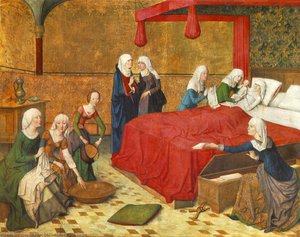
- The Birth of Mary
- Visitation
- Christ on the Cross
- Presentation in the Temple
- Place Of Birth: Cologne, Germany

