

 Ver en contexto
 Enviar
 Compartir
 Detalles

 Descargar
 Similares
 Radiografía
 Presentación de diapositivas
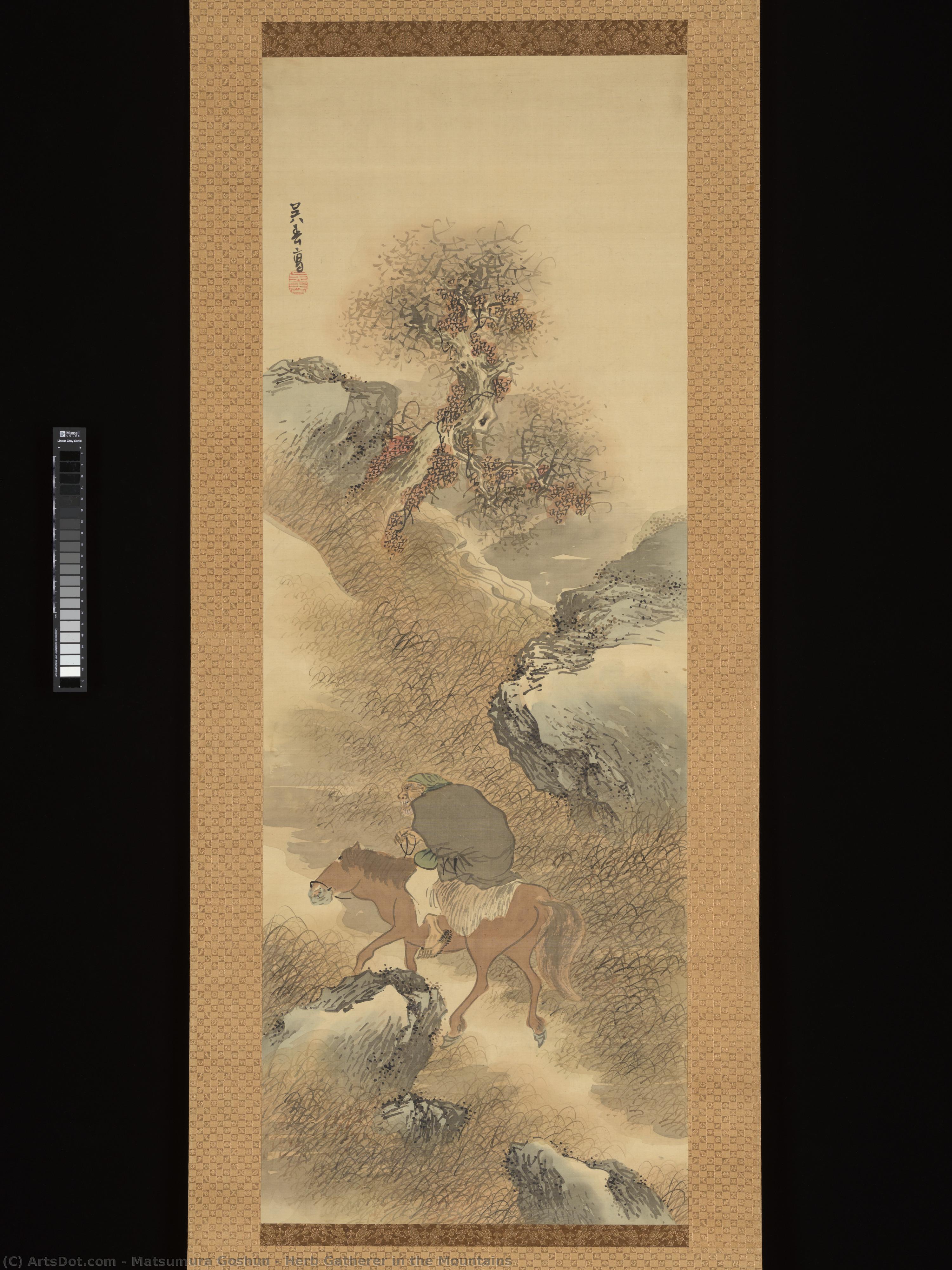
Herb Gatherer in the Mountains
 1780
1780 112.0 x 41.0 cm
 Ver más
Adquiera una imagen digital de alta resolución y optimizada, muy superior a la vista previa en línea.
Cada archivo es preparado meticulosamente por nuestros especialistas internos mediante el uso de herramientas avanzadas y un experto retoque manual. Nos aseguramos de que cada imagen posea una claridad excepcional, una precisión cromática impecable y un detalle minucioso.
El archivo final se entrega por correo electrónico en un plazo de 72 horas, optimizado para su uso inmediato en entornos profesionales, editoriales y de impresión. Esta es la misma calidad en la que confían los estudios de diseño, las editoriales y las galerías de primer nivel.
Imagen Digital
Descarga un archivo de alta resolución para exhibición personal, impresión y proyectos creativos. ( Comprar impresión Comprar pintura hecha a mano)
Incluido en cada pedido de imágenes digitales
Entrega digital experta, garantizada.
Al elegir ArtsDot.com, no solo está adquiriendo una imagen; está recibiendo una obra de arte digital mejorada profesionalmente, elaborada con precisión y respaldada por una garantía de satisfacción. Esto es todo lo que incluye su pedido, automáticamente:

Entrega rápida por email
Recibirá su archivo de imagen digital en alta resolución por correo electrónico en un plazo de 72 horas tras realizar su pedido, listo para su uso inmediato.

Archivo digital optimizado por IA
Su obra de arte se optimiza profesionalmente mediante herramientas avanzadas de IA y edición manual, garantizando el máximo detalle, claridad y precisión cromática.

Reenvío gratuito de por vida
¿Has borrado o perdido tu archivo por error? No te preocupes: te lo volveremos a enviar en cualquier momento, sin coste adicional.

Sin gastos de importación, siempre
Disfrute de su obra de arte al instante sin aduanas, aranceles ni gastos de envío; las descargas digitales siempre están libres de impuestos.

Garantía de fidelidad de color
Garantizamos que su imagen digital refleje los colores originales con la mayor fidelidad posible, mediante el uso de herramientas profesionales y gestión del color.

Garantía de satisfacción de 60 días
Si no está satisfecho con su imagen digital, la revisaremos o le reembolsaremos el 100% en un plazo de 60 días, sin preguntas.

100% Garantía de devolución de dinero
¿No está satisfecho? Obtenga un reembolso completo dentro de los 60 días posteriores a la recepción de su archivo digital, sin necesidad de explicaciones.

Descuentos por pedidos grandes
Compra 3 imágenes, ahorra 10% - Compra 5, ahorra 15% - Compra 10+, ahorra 20%. Ideal para proyectos creativos, galerías y agencias.
Descripción del coleccionable
Obras relacionadas










Biografía del artista
Matsumura Goshun: Bridging Literati Tradition and Maruyama Realism
Matsumura Goshun (1752-1811), often referred to as Matsumura Gekkei, stands as a pivotal figure in Japanese painting during the Edo period. He wasn’t merely a painter; he was a foundational architect of the Shijō school, a unique artistic lineage that skillfully blended the contemplative elegance of literati painting with the burgeoning realism championed by Maruyama Ōkyo and his circle. Born into a privileged family – his father served as an official at the royal mint – Goshun’s early life was steeped in cultural refinement, receiving rigorous instruction in calligraphy, poetry, classical literature, and, crucially, painting from accomplished masters of both nanga (Chinese-style landscape) and literati traditions. This comprehensive education laid the groundwork for his distinctive artistic voice. His formative years were deeply influenced by Yosa Buson (1716–1784), a master of the Southern School of Japanese painting, whose profound understanding of composition, brushwork, and atmospheric perspective shaped Goshun’s early style. Buson instilled in him the core tenets of literati painting – an emphasis on capturing the essence of nature through subtle details, conveying emotion rather than literal representation, and prioritizing personal expression over meticulous detail. However, Goshun's journey wasn't without its hardships. The untimely deaths of his wife and father, coupled with Buson’s declining health in 1781, forced him to relocate from Kyoto’s Shijō-district to Ikeda near Osaka, a period marked by financial struggle and the necessity of seeking patronage. Despite these challenges, he continued to hone his skills, maintaining a connection to Buson's literati style while grappling with the realities of self-sufficiency.The Influence of Maruyama Ōkyo and the Shift in Style
A turning point arrived in 1787 when Goshun joined the circle of painters working for Maruyama Ōkyo (1733–1795), a leading figure in the Maruyama school. Ōkyo’s influence proved transformative, introducing elements of Western perspective and a more direct engagement with observation into his work. This exposure led to a significant evolution in Goshun's style. He began incorporating Ōkyo’s techniques – bolder brushstrokes, heightened color palettes, and a greater attention to detail—into his compositions. This wasn’t a wholesale abandonment of his literati roots but rather a sophisticated synthesis; he retained the core principles of balance and harmony while embracing a more dynamic and visually arresting approach. The fire that ravaged parts of Kyoto in 1789 further solidified this shift, forcing both Goshun and Ōkyo to seek refuge together at a temple, fostering a period of collaborative exchange and mutual influence.A Unique Artistic Synthesis: Literati Brushwork Meets Maruyama Realism
Goshun’s artistic development can be characterized by a remarkable ability to fuse disparate influences into a cohesive and deeply personal style. While his early work is undeniably rooted in Buson's literati tradition – characterized by understated elegance, subtle color gradations, and a focus on capturing the spirit of nature—his later paintings demonstrate a growing mastery of Maruyama’s techniques. He skillfully balanced the contemplative mood of literati painting with Ōkyo’s more direct approach to observation, resulting in works that possess both intellectual depth and visual vibrancy. His compositions often feature meticulously rendered details – birds perched on branches, rocks sculpted by wind and water, or glimpses of distant mountains—all presented within a framework of carefully considered balance and harmony.Notable Works and Legacy
Among Goshun’s most celebrated works is “Herb Gatherer in the Mountains,” a captivating depiction of a solitary figure amidst a serene landscape. This piece exemplifies his ability to convey both the beauty of nature and the quiet dignity of human experience. His paintings frequently depict birds, showcasing an exceptional level of detail and sensitivity in capturing their plumage and behavior – a testament to his keen observational skills. Following Ōkyo’s death in 1795, Goshun established the Shijō school, solidifying his position as a key figure in Edo-period art. The school continued to produce works that reflected his unique synthesis of literati tradition and Maruyama realism for decades after his death. Matsumura Goshun’s legacy lies not only in his individual paintings but also in his pioneering role as a bridge between two distinct artistic traditions, shaping the course of Japanese painting for generations to come. His work continues to be exhibited and studied worldwide, offering a profound glimpse into the artistic landscape of 18th-century Japan.
matsumura goshun
1752 - 1811
Breves datos
- Artistic Movement Or Style: Shijō School, Literati, Maruyama
- Artists Or Movements Influenced By This Artist: ['Maruyama Ōkyo']
- Artists Who Influenced This Artist: ['Yosa Buson']
- Date Of Birth: April 28, 1752
- Date Of Death: September 4, 1811
- Full Name: Matsumura Goshun
- Nationality: Japanese
- Notable Artworks: ['Herb Gatherer in the Mountains']
- Place Of Birth: Kyoto, Japan

