

 Ver en contexto
 Enviar
 Compartir
 Detalles

 Descargar
 Similares
 Radiografía
 Presentación de diapositivas
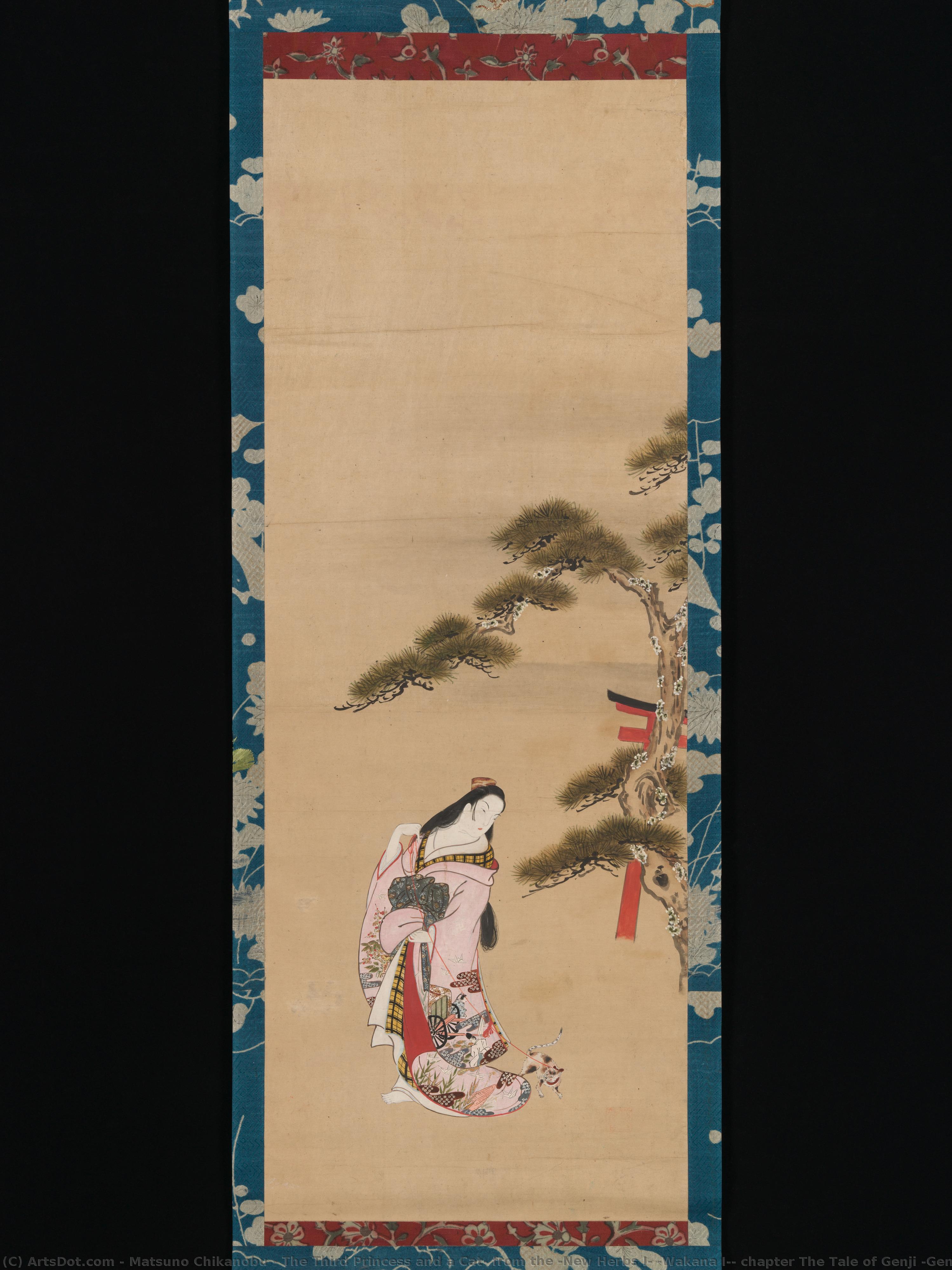
The Third Princess and a Cat, from the "New Herbs I" (Wakana I) chapter The Tale of Genji (Genji monogatari}
 701
701 80.0cm x 30.0cm
 Ver más
Reproducción al óleo hecha a mano
Óleo sobre lienzo pintado a mano en el tamaño y marco de su elección, realizado por encargo por nuestros artistas. ( Comprar impresión Comprar imagen)




































Elija entre nuestros tamaños predefinidos que respetan las proporciones originales de la obra.

Puede ingresar sus propias dimensiones para adaptarse a un marco o espacio específico. Si el tamaño seleccionado no coincide con las proporciones de la imagen original, recortaremos la obra o extenderemos la pintura con elementos adicionales pintados a mano. Se le enviará una maqueta digital para su aprobación antes de comenzar la producción.
Tenga en cuenta que la vista previa en pantalla no refleja el recorte o la extensión reales. Solo la maqueta mostrará con precisión la composición final.
Si bien existen tamaños personalizados, recomendamos seleccionar una dimensión de la lista predefinida para preservar las proporciones originales.
Tras realizar el pedido, el equipo de ArtsDot.com enviará un correo electrónico al cliente para solicitar instrucciones y proporcionarle una vista previa del boceto.
Envío a todo el mundo () en 3-4 semanas en lugar de las 5 semanas estándar. (6 septiembre). Sin comprometer la calidad.

Envío exprés gratuito a todo el mundo

Lienzo de lino de alta calidad

Seguro de envío total

Garantía de reembolso de impuestos aduaneros

Garantía de fidelidad cromática exacta

Política de devolución de 100 días (solo por defectos)

Garantía de devolución del 100% del dinero

Descuento por cantidad
 La opción de vidrio solo está disponible en tamaños inferiores a 110 cm.

The Third Princess and a Cat, from the "New Herbs I" (Wakana I) chapter The Tale of Genji (Genji monogatari}
Técnica de reproducción
Dimensiones de la reproducción
-


Precio total final
$ 263
Obras relacionadas










Biografía del artista
Matsuno Chikanobu: The Master of Elegant Beauty
Matsuno Chikanobu (fl. 1720s) stands as a pivotal figure in the vibrant world of Ukiyo-e, the “pictures of the floating world,” a genre that captured the ephemeral beauty and social life of Edo-period Japan. While much about his life remains shrouded in mystery – he left behind few direct biographical details – his artistic legacy speaks volumes, establishing him as one of the most popular and influential painters within the Kaigetsudō school. His distinctive style, characterized by a graceful elegance and an almost dreamlike quality, profoundly impacted subsequent generations of artists and continues to captivate viewers today.
The Kaigetsudō school, of which Chikanobu was a key member, distinguished itself through its emphasis on refined beauty and delicate execution. Unlike the more overtly theatrical styles prevalent at the time, Kaigetsudō paintings often depicted scenes of quiet contemplation, focusing on the subtle nuances of human emotion and the exquisite details of fashion and ornamentation. Chikanobu’s work is almost exclusively devoted to *bijin-ga* – pictures of beautiful women – a genre that reflected the growing importance of female aesthetics in Edo society. These weren't simply portraits; they were carefully constructed narratives, imbued with an atmosphere of refined elegance and subtle sensuality.
A Style Defined by Grace and Color
Chikanobu’s artistic approach is immediately recognizable. He favored a relatively small format – often around 17 x 35 centimeters – which allowed for meticulous detail and a sense of intimacy. His brushwork was remarkably fluid, creating soft gradations of color and suggesting movement with subtle shifts in tone. He employed a vibrant palette, utilizing rich blues, greens, and reds to depict luxurious silks, intricate hairstyles, and the delicate textures of skin. A key element of his style is the careful rendering of kimono fabrics – he masterfully captured their folds and patterns, conveying both their beauty and their social significance.
Interestingly, Chikanobu’s work shares a striking resemblance with that of Baiōken Eishun, another prominent Kaigetsudō artist. While stylistic similarities suggest a close working relationship—possibly even collaboration—Chikanobu developed his own unique voice within the school's framework. His paintings often possess a slightly melancholic quality, hinting at an underlying sense of longing or wistfulness. This emotional depth distinguishes him from some of his contemporaries and contributes to the enduring appeal of his work.
Influences and Legacy
Tracing Chikanobu’s precise artistic influences remains challenging due to the limited biographical information available. However, it's clear that he was deeply influenced by earlier Ukiyo-e masters, particularly those associated with the Hasegawa school. The meticulous attention to detail, the emphasis on beauty, and the use of vibrant colors all echo these precedents. Furthermore, his work demonstrates a keen awareness of contemporary fashion trends – the elaborate hairstyles, the luxurious kimonos, and the delicate makeup reflect the tastes and aspirations of the elite women of Edo society.
Despite the relative obscurity surrounding his life, Matsuno Chikanobu’s impact on Ukiyo-e is undeniable. His elegant *bijin-ga* became immensely popular during his lifetime and continued to be admired for centuries after. His work served as a model for countless artists who followed in his footsteps, shaping the aesthetic sensibilities of the genre. Today, Chikanobu's paintings are treasured for their exquisite beauty, technical skill, and poignant portrayal of female grace – a testament to the enduring legacy of this enigmatic master.
Notable Works
- Courtesan in Bamboo-Patterned Kimono: This painting exemplifies Chikanobu’s signature style, showcasing his masterful rendering of fabric and his ability to convey an atmosphere of refined elegance. (Image: Cleveland Museum of Art)
- The Third Princess and a Cat, from the “New Herbs I” (Wakana I) chapter The Tale of Genji (Genji monogatari): A beautiful depiction of a young princess in a serene domestic setting. (Image: Google Arts & Culture)
Further Exploration
For more information on Matsuno Chikanobu and the Kaigetsudō school, consider exploring these resources:
matsuno chikanobu
Japan
Datos clave
- Artistic Movement Or Style: Kaigetsudō school
- Artists Or Movements Influenced By This Artist: ['Kaigetsudō style']
- Artists Who Influenced This Artist: ['Baiōken Eishun']
- Date Of Death: Living
- Full Name: Matsuno Chikanobu
- Nationality: Japanese
- Notable Artworks:
- Courtesan
- Ladies in Kimono
- Place Of Birth: Japan