

 Ver en contexto
 Enviar
 Compartir
 Detalles

 Descargar
 Similares
 Radiografía
 Presentación de diapositivas
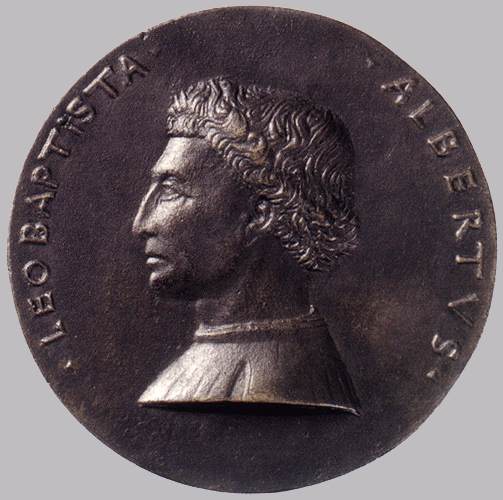
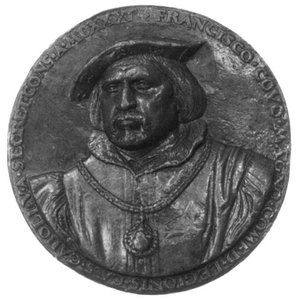
Bust of Leon Battista Alberti
 Oil On Canvas
- WallArt
- Renaissance
 1450
1450 9.0 x 9.0 cm
 Museo del Louvre
 Ver más
Reproducción al óleo hecha a mano
Óleo sobre lienzo pintado a mano en el tamaño y marco de su elección, realizado por encargo por nuestros artistas. ( Comprar impresión Comprar imagen)




P118B $10

P118H $10

P118W $10

P438Z $10

P508JH $12

P508YH $12

P805H $10

P805Z $10

P919BZ $10

P919G $10

P919XJ $10

P959ZH $10

P968JZ $12

W106C $8

W218G $10

W218JH $8

W218Y $10

W307PJ $10

W316G $10

W316PJ $8

W316Y $10

W398PJ $8

W4111J $10

W500HY $15

W500JH $15

W692G $12

W849H $8

W940BG $15

W953PJ $8




Elija entre nuestros tamaños predefinidos que respetan las proporciones originales de la obra.

Puede ingresar sus propias dimensiones para adaptarse a un marco o espacio específico. Si el tamaño seleccionado no coincide con las proporciones de la imagen original, recortaremos la obra o extenderemos la pintura con elementos adicionales pintados a mano. Se le enviará una maqueta digital para su aprobación antes de comenzar la producción.
Tenga en cuenta que la vista previa en pantalla no refleja el recorte o la extensión reales. Solo la maqueta mostrará con precisión la composición final.
Si bien existen tamaños personalizados, recomendamos seleccionar una dimensión de la lista predefinida para preservar las proporciones originales.
Tras realizar el pedido, el equipo de ArtsDot.com enviará un correo electrónico al cliente para solicitar instrucciones y proporcionarle una vista previa del boceto.
Envío a todo el mundo () en 3-4 semanas en lugar de las 5 semanas estándar. (25 agosto). Sin comprometer la calidad.

Envío exprés gratuito a todo el mundo

Lienzo de lino de alta calidad

Seguro de envío total

Garantía de reembolso de impuestos aduaneros

Garantía de fidelidad cromática exacta

Política de devolución de 60 días (solo por defectos)

Garantía de devolución del 100% del dinero

Descuento por cantidad
 La opción de vidrio solo está disponible en tamaños inferiores a 110 cm.

Bust of Leon Battista Alberti
Técnica de reproducción
Dimensiones de la reproducción
-


Precio total final
$ 263
Descripción de la obra
Matteo Di Andrea De’ Pasti: Sculptor of Renaissance Splendor
Matteo di Andrea de’ Pasti (c. 1420 – after 1468/1469) stands as a pivotal figure in the artistic landscape of Verona and the broader Italian Renaissance, renowned primarily for his monumental sculptures and intricately crafted medals that embody the ideals of humanist artistry and royal patronage. Born in Verona, Italy, he emerged from a tradition steeped in Veronese sculptural excellence, inheriting techniques honed by masters like Giovanni Battista Falcone and Andrea Mantegna—skills which would prove instrumental in shaping his distinctive style. His formative years were marked by exposure to the intellectual ferment of the era, fueled by humanist scholarship and artistic innovation emanating from Florence under Lorenzo de’ Medici. This influence is palpable in his embrace of classical proportions and idealized forms, mirroring the stylistic trends championed by Alberti and Brunelleschi. Notably, he collaborated closely with Giovanni Battista Falcone on ambitious projects that showcased both sculptural prowess and architectural vision—a partnership that cemented Verona's reputation as a center for artistic innovation during this transformative period.- Sculptural Style: De’ Pasti’s oeuvre is characterized by a masterful blend of realism and idealism, reflecting the humanist preoccupation with accurately portraying human anatomy while elevating subjects to heroic stature. He skillfully employed techniques honed from his predecessors—particularly Falcone—to achieve breathtaking detail and expressive dynamism in his sculptures.
- Notable Works: Among his most celebrated achievements is the Tempio Malatestiano in Rimini, a magnificent edifice adorned with monumental sculptures that exemplify De’ Pasti's artistic genius. This ambitious undertaking demanded meticulous planning and execution, demonstrating his mastery of architectural design alongside sculptural artistry.
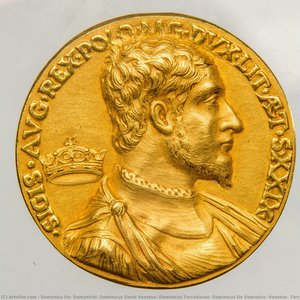
- Medallic Artistry: De’ Pasti excelled as a medalist, producing exquisitely crafted medallions commemorating prominent figures—including Sigismondo Malatesta and Lorenzo de’ Medici—that served as powerful symbols of royal authority and humanist ideals. His medals are distinguished by their precise execution and subtle artistic refinements, reflecting his dedication to upholding the highest standards of craftsmanship.
The Bust of Leon Battista Alberti: A Testament to Renaissance Humanism
This bronze bust of Leon Battista Alberti exemplifies De’ Pasti's commitment to humanist principles—specifically, the celebration of human intellect and virtue. Executed around 1450, it embodies the stylistic trends prevalent during Florence’s golden age under Lorenzo de’ Medici, mirroring the influence of artists like Brunelleschi and Alberti himself. The sculpture’s meticulous detailing captures Albertus Leo Baptista's contemplative gaze and dignified posture—a deliberate choice that underscores the humanist ideal of portraying individuals as embodiments of moral excellence. De’ Pasti skillfully utilized lost wax casting—a technique perfected during this era—to achieve unparalleled accuracy in replicating Albertis’ facial features and conveying his inner character.Technique & Materials: Lost Wax Casting
De’ Pasti's mastery extended beyond stylistic considerations; he possessed an unrivaled understanding of sculptural techniques. The Tempio Malatestiano, like many of his other monumental works, testifies to his expertise in lost wax casting—a process that involves creating a wax model followed by encasing it in clay and melting away the wax to reveal a hollow bronze sculpture. This method allowed for exceptional precision and detail—essential qualities for capturing the nuances of human anatomy and conveying emotional expression. The resulting bronze surface is textured with subtle irregularities, reflecting the inherent imperfections of the casting process while enhancing its visual richness. Furthermore, the patina—a protective layer of oxidation that develops over time—adds depth and luminosity to the sculpture’s appearance, preserving it for posterity.Symbolism & Emotional Impact
The bust serves as a poignant reminder of the Renaissance fascination with classical ideals—particularly those expressed in Roman portraiture. De’ Pasti's depiction of Albertus Leo Baptista reflects the humanist conviction that art should illuminate human nature and inspire moral contemplation. The sculpture’s serene expression conveys Albertis’ intellectual fortitude and unwavering devotion to scholarly pursuits—qualities admired throughout Europe during this period. More broadly, it embodies the Renaissance aspiration for beauty and harmony—a desire to elevate human experience through artistic representation. Viewing this masterpiece evokes a sense of reverence for human intellect and achievement—a legacy that continues to resonate with audiences today.Obras relacionadas
Biografía del artista
Matteo di Andrea de' Pasti: Sculptor of Renaissance Splendor
Matteo di Andrea de’ Pasti (c. 1420 – after 1468/1469) stands as a pivotal figure in the artistic landscape of Verona and the broader Italian Renaissance, renowned primarily for his monumental sculptures and intricately crafted medals that embody the ideals of humanist artistry and royal patronage. Born in Verona, Italy, he emerged from a tradition steeped in Veronese sculptural excellence, inheriting techniques honed by masters like Giovanni Battista Falcone and Andrea Mantegna—skills which would prove instrumental in shaping his distinctive style. His formative years were marked by exposure to the intellectual ferment of the era, fueled by humanist scholarship and artistic innovation emanating from Florence under Lorenzo de’ Medici. This influence is palpable in his embrace of classical proportions and idealized forms, mirroring the stylistic trends championed by Alberti and Brunelleschi. Notably, he collaborated closely with Leone Battista Alberti on the ambitious Tempio Malatestiano in Rimini—a project that cemented his reputation as a visionary architect-sculptor duo. Together, they conceived and executed a breathtaking edifice incorporating innovative structural solutions alongside stunning sculptural decoration, establishing a benchmark for Renaissance grandeur. The Tempio Malatestiano’s soaring dome and intricate mosaics stand as enduring symbols of Alberti's architectural genius and Pasti’s sculptural prowess—a testament to their collaborative vision. Pasti’s prolific output spanned commissions from influential patrons like Lionello d'Este and Sigismondo Pandolfo Malatesta, reflecting the flourishing artistic environment of his time. His sculptures celebrated both religious piety and civic pride, often depicting saints and biblical figures with remarkable realism and emotional depth. The Tempio Malatestiano itself houses several monumental sculptures by Pasti—including a colossal statue of Saint Francis—demonstrating his mastery of scale and expressive power. This sculpture captures the saint’s serene dignity and embodies the humanist ideal of spiritual contemplation, reflecting Pasti's profound understanding of human psychology and artistic technique. Furthermore, he produced numerous portraits and busts for noble families across Italy, capturing the likenesses of prominent individuals with meticulous detail and conveying their character through subtle gestures and facial expressions—a skill that distinguishes him from many of his contemporaries. Beyond sculpture, Matteo de’ Pasti achieved considerable acclaim as a medalist, producing exquisitely crafted coins and commemorative medallions that served as emblems of royal authority and artistic prestige. His medals showcased exceptional technical skill—particularly in embossing techniques—resulting in surfaces adorned with shimmering relief that captivated viewers. These works are now housed in prestigious museums worldwide, including the Cleveland Museum of Art and the British Museum, guaranteeing their enduring legacy as masterpieces of Renaissance metalwork. The intricate designs of his medallions often incorporated allegorical imagery and symbolic references—demonstrating Pasti’s mastery of visual storytelling and his ability to communicate complex ideas through elegant artistic forms. His contribution to art history extends beyond individual pieces; Pasti’s work embodies the humanist spirit of the Renaissance—a commitment to observation, reason, and the pursuit of beauty informed by classical ideals. He remains a testament to the transformative power of artistic collaboration and the ability of sculptors to elevate architectural spaces into symbols of civic virtue and spiritual contemplation. His legacy continues to inspire artists today, reminding us that true artistry lies in harmoniously blending intellectual inquiry with aesthetic excellence—a principle that defines Pasti’s enduring place among the giants of Renaissance sculpture.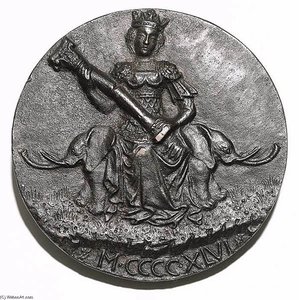
Matteo De Pasti
Italia
Datos clave
- Artistic Movement Or Style: Renacimiento
- Artists Or Movements Influenced By This Artist: ['León Battista Alberti']
- Date Of Birth: Verona, Italy ()
- Date Of Death: Living
- Full Name: Matteo di Andrea de' Pasti
- Nationality: Italian
- Notable Artworks:
- Bust de León Battista Alberti
- Fortitud, sentado en dos elefantes (reverso)
- Tempio Malatestiana
- Place Of Birth: Verona
Artículos relacionados

Las 10 Obras Maestras de Bronce que Revolucionaron la Historia del Arte | ArtsDot
Descubre las 10 esculturas de bronce más influyentes de la historia del arte. Explora obras maestras de Rodin, Degas y otros genios. Encuentra reproducciones de arte de calidad museo en ArtsDot.com.

Esculturas de Bronce Legendarias: 10 Obras Maestras que Transformaron el Arte | ArtsDot
Descubre las 10 esculturas de bronce más legendarias que revolucionaron el arte. Explora la historia de Rodin, Degas y otros maestros del bronce. Encuentra reproducciones de alta calidad e inspiración para tu hogar en ArtsDot.com.

The Enduring Legacy of Bronze: A Historical & Artistic Exploration for the Collector
Explore the rich history & enduring appeal of bronze sculpture with expert insights for collectors at ArtsDot. Learn about casting techniques, iconic artists, collecting tips & contemporary interpretations.
The Enduring Legacy of Bronze: History, Technique & Artistic Expression for the Collector
Explore the rich history & enduring appeal of bronze sculpture with expert insights for collectors at ArtsDot. Learn about casting techniques, iconic artists, and collecting tips.

The Enduring Legacy of Bronze Sculpture: A Collector's Guide to Form & Cultural Significance
Explore the rich history & enduring appeal of bronze sculpture with expert insights for collectors at ArtsDot. Learn about casting techniques, iconic artists, and collecting tips to build a discerning art collection.

