

 Enviar
 Compartir
 Detalles

 Descargar
 Similares
 Presentación de diapositivas
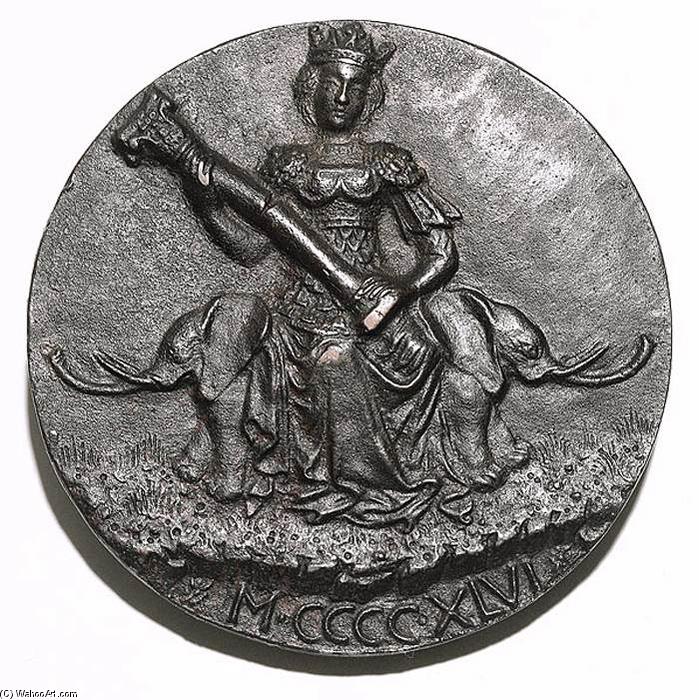
Fortitude, seated on two elephants (reverse)


 Ver más
Adquiera una imagen digital de alta resolución y optimizada, muy superior a la vista previa en línea.
Cada archivo es preparado meticulosamente por nuestros especialistas internos mediante el uso de herramientas avanzadas y un experto retoque manual. Nos aseguramos de que cada imagen posea una claridad excepcional, una precisión cromática impecable y un detalle minucioso.
El archivo final se entrega por correo electrónico en un plazo de 72 horas, optimizado para su uso inmediato en entornos profesionales, editoriales y de impresión. Esta es la misma calidad en la que confían los estudios de diseño, las editoriales y las galerías de primer nivel.
Imagen Digital
Descarga un archivo de alta resolución para exhibición personal, impresión y proyectos creativos. ( Comprar impresión Comprar pintura hecha a mano)
Incluido en cada pedido de imágenes digitales
Entrega digital experta, garantizada.
Al elegir ArtsDot.com, no solo está adquiriendo una imagen; está recibiendo una obra de arte digital mejorada profesionalmente, elaborada con precisión y respaldada por una garantía de satisfacción. Esto es todo lo que incluye su pedido, automáticamente:

Entrega rápida por email
Recibirá su archivo de imagen digital en alta resolución por correo electrónico en un plazo de 72 horas tras realizar su pedido, listo para su uso inmediato.

Archivo digital optimizado por IA
Su obra de arte se optimiza profesionalmente mediante herramientas avanzadas de IA y edición manual, garantizando el máximo detalle, claridad y precisión cromática.

Reenvío gratuito de por vida
¿Has borrado o perdido tu archivo por error? No te preocupes: te lo volveremos a enviar en cualquier momento, sin coste adicional.

Sin gastos de importación, siempre
Disfrute de su obra de arte al instante sin aduanas, aranceles ni gastos de envío; las descargas digitales siempre están libres de impuestos.

Garantía de fidelidad de color
Garantizamos que su imagen digital refleje los colores originales con la mayor fidelidad posible, mediante el uso de herramientas profesionales y gestión del color.

Garantía de satisfacción de 60 días
Si no está satisfecho con su imagen digital, la revisaremos o le reembolsaremos el 100% en un plazo de 60 días, sin preguntas.

100% Garantía de devolución de dinero
¿No está satisfecho? Obtenga un reembolso completo dentro de los 60 días posteriores a la recepción de su archivo digital, sin necesidad de explicaciones.

Descuentos por pedidos grandes
Compra 3 imágenes, ahorra 10% - Compra 5, ahorra 15% - Compra 10+, ahorra 20%. Ideal para proyectos creativos, galerías y agencias.
Matteo di Andrea de’ Pasti: A Renaissance Master of Symbolism and Detail
The bronze medal depicting Fortitude, seated on two elephants (reverse), stands as a testament to Matteo di Andrea de’ Pasti’s unparalleled skill in capturing the spirit of his era—the High Renaissance—and conveying profound symbolic meaning. Crafted around 1449, this artwork embodies the humanist ideals championed by artists like Alberti and Brunelleschi, reflecting a fascination with classical proportions and idealized forms that permeated Florentine artistic circles during Lorenzo de’ Medici's reign. More than just an aesthetically pleasing object, it represents a powerful emblem of courage and resilience—themes central to the Renaissance worldview.Composition and Technique: Embossed Relief – A Dialogue Between Form and Texture
The medal’s composition is strikingly symmetrical, centering on a female figure seated between two elephants. This deliberate arrangement underscores her importance as a representation of Fortitude itself. The sculptor achieved this remarkable level of detail through embossing—a technique involving hammering or pressing metal to raise designs onto its surface—demonstrating mastery over material manipulation and sculptural precision. Fine incised lines weave across the relief, creating subtle textures that mimic the naturalistic style favored by Pasti’s contemporaries. These lines aren't merely decorative; they contribute to the illusion of depth and dimensionality, drawing the viewer into a contemplative engagement with the artwork. The careful consideration of lighting—likely diffused overhead—further enhances this effect, casting soft shadows that accentuate the sculptural contours.Historical Context: Patronage and Symbolism in Renaissance Verona
Matteo di Andrea de’ Pasti flourished during a period marked by significant artistic innovation and royal patronage. His commissions for Sigismondo Pandolfo Malatesta, ruler of Rimini, exemplify the ambition and grandeur characteristic of the time—a desire to commemorate noble virtues and celebrate leadership through monumental sculpture and meticulously crafted medals. The elephant motif itself carries considerable symbolic weight, representing power, stability, and wisdom – qualities highly valued by rulers and artists alike. Furthermore, the Latin inscription “FORTITUDO” serves as a direct declaration of the medal’s purpose: to honor courage and fortitude—values considered essential for moral excellence during the Renaissance.Style and Artistic Influences: Echoes of Classical Antiquity
Pasti's style aligns seamlessly with the stylistic trends established by Alberti and Brunelleschi, reflecting an unwavering commitment to classical ideals. The flowing drapery of the female figure and the rounded anatomical forms demonstrate a profound understanding of human anatomy—a cornerstone of humanist art. Like many Renaissance sculptors, Pasti drew inspiration from ancient Greek and Roman sculptures, adapting their proportions and stylistic conventions to express contemporary concepts of virtue and honor. This fusion of classical tradition with humanist innovation resulted in an artwork that transcends mere ornamentation; it communicates complex ideas about courage and resilience through masterful craftsmanship and evocative imagery.Emotional Impact: A Legacy of Dignity and Remembrance
Ultimately, the Fortitude medal embodies a profound emotional resonance—a palpable sense of dignity and remembrance. Its enduring appeal lies not only in its exquisite beauty but also in its ability to convey timeless values. As a commemorative piece commissioned by Sigismondo Pandolfo Malatesta, it serves as a powerful reminder of the importance of moral fortitude and noble leadership—themes that continue to inspire admiration and contemplation centuries after Pasti’s lifetime. Its presence evokes feelings of strength, resilience, and honor – qualities celebrated throughout Renaissance art history.Obras relacionadas
Biografía del artista
Matteo di Andrea de' Pasti: Sculptor of Renaissance Splendor
Matteo di Andrea de’ Pasti (c. 1420 – after 1468/1469) stands as a pivotal figure in the artistic landscape of Verona and the broader Italian Renaissance, renowned primarily for his monumental sculptures and intricately crafted medals that embody the ideals of humanist artistry and royal patronage. Born in Verona, Italy, he emerged from a tradition steeped in Veronese sculptural excellence, inheriting techniques honed by masters like Giovanni Battista Falcone and Andrea Mantegna—skills which would prove instrumental in shaping his distinctive style. His formative years were marked by exposure to the intellectual ferment of the era, fueled by humanist scholarship and artistic innovation emanating from Florence under Lorenzo de’ Medici. This influence is palpable in his embrace of classical proportions and idealized forms, mirroring the stylistic trends championed by Alberti and Brunelleschi. Notably, he collaborated closely with Leone Battista Alberti on the ambitious Tempio Malatestiano in Rimini—a project that cemented his reputation as a visionary architect-sculptor duo. Together, they conceived and executed a breathtaking edifice incorporating innovative structural solutions alongside stunning sculptural decoration, establishing a benchmark for Renaissance grandeur. The Tempio Malatestiano’s soaring dome and intricate mosaics stand as enduring symbols of Alberti's architectural genius and Pasti’s sculptural prowess—a testament to their collaborative vision. Pasti’s prolific output spanned commissions from influential patrons like Lionello d'Este and Sigismondo Pandolfo Malatesta, reflecting the flourishing artistic environment of his time. His sculptures celebrated both religious piety and civic pride, often depicting saints and biblical figures with remarkable realism and emotional depth. The Tempio Malatestiano itself houses several monumental sculptures by Pasti—including a colossal statue of Saint Francis—demonstrating his mastery of scale and expressive power. This sculpture captures the saint’s serene dignity and embodies the humanist ideal of spiritual contemplation, reflecting Pasti's profound understanding of human psychology and artistic technique. Furthermore, he produced numerous portraits and busts for noble families across Italy, capturing the likenesses of prominent individuals with meticulous detail and conveying their character through subtle gestures and facial expressions—a skill that distinguishes him from many of his contemporaries. Beyond sculpture, Matteo de’ Pasti achieved considerable acclaim as a medalist, producing exquisitely crafted coins and commemorative medallions that served as emblems of royal authority and artistic prestige. His medals showcased exceptional technical skill—particularly in embossing techniques—resulting in surfaces adorned with shimmering relief that captivated viewers. These works are now housed in prestigious museums worldwide, including the Cleveland Museum of Art and the British Museum, guaranteeing their enduring legacy as masterpieces of Renaissance metalwork. The intricate designs of his medallions often incorporated allegorical imagery and symbolic references—demonstrating Pasti’s mastery of visual storytelling and his ability to communicate complex ideas through elegant artistic forms. His contribution to art history extends beyond individual pieces; Pasti’s work embodies the humanist spirit of the Renaissance—a commitment to observation, reason, and the pursuit of beauty informed by classical ideals. He remains a testament to the transformative power of artistic collaboration and the ability of sculptors to elevate architectural spaces into symbols of civic virtue and spiritual contemplation. His legacy continues to inspire artists today, reminding us that true artistry lies in harmoniously blending intellectual inquiry with aesthetic excellence—a principle that defines Pasti’s enduring place among the giants of Renaissance sculpture.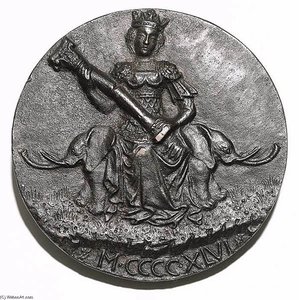
Matteo De Pasti
Italia
Breves datos
- Artistic Movement Or Style: Renacimiento
- Artists Or Movements Influenced By This Artist: ['León Battista Alberti']
- Date Of Birth: Verona, Italy ()
- Date Of Death: Living
- Full Name: Matteo di Andrea de' Pasti
- Nationality: Italian
- Notable Artworks:
- Bust de León Battista Alberti
- Fortitud, sentado en dos elefantes (reverso)
- Tempio Malatestiana
- Place Of Birth: Verona

