 Ver en contexto
 Enviar
 Compartir
 Detalles

 Descargar
 Similares
 Radiografía
 Presentación de diapositivas
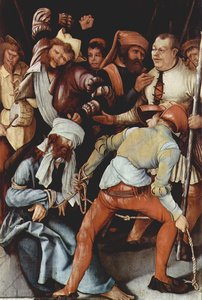
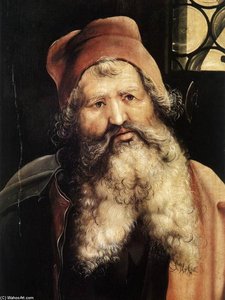
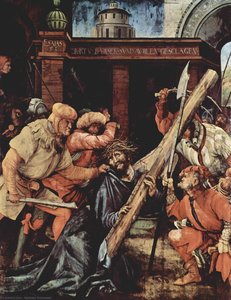
Carrying the Cross (detail)


 Ver más
Giclée / Impresión de arte
Impresiones giclée o en lienzo de calidad de museo con producción rápida y opciones de acabado flexibles. ( Comprar pintura hecha a mano Comprar imagen)




P118B $10

P118H $10

P118W $10

P438Z $10

P508JH $12

P508YH $12

P805H $10

P805Z $10

P919BZ $10

P919G $10

P919XJ $10

P959ZH $10

P968JZ $12

W106C $8

W218G $10

W218JH $8

W218Y $10

W307PJ $10

W316G $10

W316PJ $8

W316Y $10

W398PJ $8

W4111J $10

W500HY $15

W500JH $15

W692G $12

W849H $8

W940BG $15

W953PJ $8




Elija entre nuestros tamaños predefinidos que respetan las proporciones originales de la obra.

Puede introducir sus propias dimensiones para adaptarse a un marco o espacio específico. Si el tamaño seleccionado no coincide con las proporciones de la imagen original, recortaremos la obra de arte o extenderemos la imagen con un borde con efecto espejo o de color sólido. Se enviará una maqueta digital para su aprobación antes de que comience la producción.
Tenga en cuenta que la vista previa en pantalla no refleja el recorte o la extensión real. Solo la maqueta mostrará con precisión la composición final.
Aunque existen tamaños personalizados, recomendamos seleccionar una dimensión de la lista predefinida para preservar las proporciones originales.
Envío a todo el mundo () en 2 semanas en lugar de las 4/5 semanas estándar. (30 agosto)

Envío exprés gratuito a todo el mundo

Lienzo de lino de alta calidad

Seguro de envío total

Garantía de reembolso de impuestos aduaneros

Garantía de fidelidad cromática exacta

Política de devolución de 60 días (solo por defectos)

Garantía de devolución del 100% del dinero

Descuento por cantidad
 La opción de vidrio solo está disponible en tamaños inferiores a 110 cm.

Carrying the Cross (detail)
Giclée / Impresión de arte
Dimensiones de la reproducción
-


Precio total final
$ 62
The Weight of Suffering: Matthias Grünewald’s “Carrying the Cross”
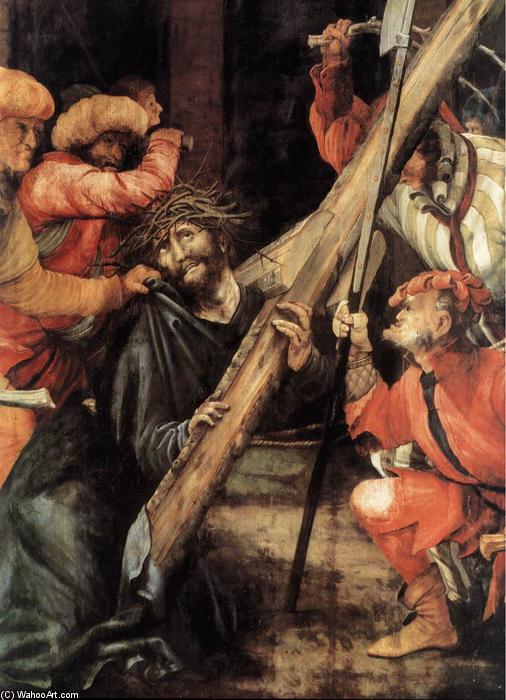
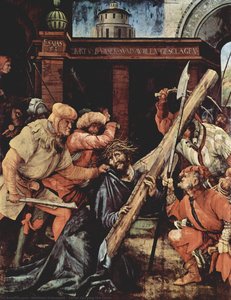
Matthias Grünewald's "Carrying the Cross" (detail), painted in 1523, isn’t merely a depiction of a biblical scene; it’s a visceral plunge into the heart of human suffering and spiritual acceptance. This intimate fragment, once part of a larger altarpiece, immediately commands attention with its dramatic use of light and shadow – hallmarks of the Northern Renaissance tradition that Grünewald so powerfully embraced. The painting doesn't offer a triumphant vision of Christ; instead, it presents him as profoundly vulnerable, bearing not just the physical weight of the cross but also an almost unbearable sorrow. The muted palette—earth tones dominating the composition—underscores this solemnity, creating an atmosphere thick with contemplation and grief.
Grünewald’s skill lies in his ability to imbue even a single figure with immense emotional depth. Christ's face, rendered with remarkable realism, is not one of defiant strength but of quiet resignation. His eyes hold a gaze that suggests both understanding and profound sadness – a recognition of the sacrifice he is about to make. The thorns crowning his head are not simply an adornment; they represent the weight of sin and humanity’s failings, pressing down upon him with brutal force. The figures surrounding him—Roman soldiers, perhaps representing the judgment of the world, and the shadowy presence of onlookers – contribute to a sense of claustrophobia and impending doom, amplifying Christ's isolation.
A Masterpiece of Northern Renaissance Realism
Born in Würzburg around 1470-1475, Matthias Grünewald’s artistic journey was shaped by the rich tapestry of late medieval German art. He wasn’t a participant in the Florentine High Renaissance, but rather developed his own distinctive style—a potent blend of realism, emotional intensity, and meticulous detail. Influenced by artists like Albrecht Dürer and Martin Schongauer, Grünewald pushed beyond mere representation, striving to capture not just what he saw but also the very essence of human experience. His work reflects a deep engagement with religious themes, often imbued with a sense of psychological complexity rarely seen in his contemporaries.
The painting’s technique is equally compelling. Grünewald masterfully employs *sfumato*, creating subtle gradations of light and shadow that give form to the figures and imbue them with an almost ethereal quality. The textures of the clothing, the rough grain of the wood panel, and the details of Christ's crown are rendered with painstaking accuracy. This commitment to realism is balanced by a dramatic use of color—the dark robes contrasting sharply with the pale skin of Christ, drawing the viewer’s eye directly to his face. The composition itself is carefully constructed, guiding the viewer’s gaze through the scene and reinforcing its emotional impact.
Symbolism and Spiritual Weight
Beyond its immediate visual appeal, “Carrying the Cross” is rich in symbolic meaning. The cross itself represents sacrifice, redemption, and the ultimate triumph over death. Christ's suffering serves as a potent reminder of humanity’s fallen state and the need for divine grace. The thorns symbolize sin and shame, while the crown of thorns signifies humiliation and rejection. Even the soldiers, often depicted with grim expressions, can be interpreted as representing the forces of evil that oppose Christ’s mission.
Furthermore, the painting speaks to a broader theological theme—the concept of *kenosis*, or self-emptying. Christ willingly takes upon himself the burden of human suffering, emptying himself of his divine nature in order to identify with humanity and offer salvation. This act of selfless love is at the heart of the painting’s profound emotional power.
A Timeless Testament to Human Resilience
“Carrying the Cross” remains a profoundly moving work of art, offering viewers a glimpse into the depths of human suffering and spiritual resilience. Its enduring appeal lies in its ability to transcend time and culture, speaking to universal themes of faith, sacrifice, and hope. Whether viewed as a historical artifact or a profound meditation on the human condition, this painting continues to resonate with audiences today, reminding us of the importance of compassion, empathy, and the unwavering belief in the power of love.
Obras relacionadas
Biografía del artista
Matías Gothart Neithardt (Grünewald): Vida y Legado
Primeros Años y Orígenes Artísticos
Matías Gothart Neithardt, nacido alrededor de 1470-1475 en Würzburgo, Alemania, fue una figura clave del Renacimiento alemán. A pesar de vivir durante un período cada vez más influenciado por los ideales del Renacimiento italiano, Grünewald se mantuvo profundamente arraigado en las tradiciones artísticas tardomedievales de Europa Central. Hay pocos detalles sobre su vida temprana, pero se sabe que recibió formación como artista, probablemente dentro de talleres locales.
Desarrollo Artístico e Influencias
El desarrollo artístico de Grünewald fue moldeado por las tradiciones artísticas del norte europeo predominantes, caracterizadas por el realismo, la intensidad emocional y la observación detallada. Su obra muestra influencias de artistas como Albrecht Dürer y Martin Schongauer, pero forjó un camino único que se caracteriza por una expresión dramática y colores vivos. No estuvo directamente involucrado con los círculos humanistas prevalecientes en Italia; en cambio, su arte sirvió principalmente para fines religiosos, reflejando las ansiedades espirituales de su tiempo.
Obras Maestras y Estilo Artístico
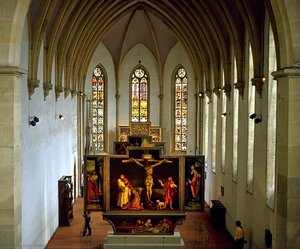
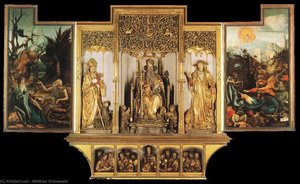
- El Retablo de Isenheim (1512-1516): Esta obra maestra, ubicada en el Musée d'Unterlinden en Colmar, se considera la obra magna de Grünewald. Representa escenas de la vida de Cristo con un realismo desgarrador, centrándose particularmente en el sufrimiento y la redención.
- La Crucifixión (c. 1502-1503): Una obra temprana que demuestra su estilo en desarrollo, mostrando una intensa emoción y detalle anatómico.
- Virgen de la Anunciación (1512-14): Un estudio para el Retablo de Isenheim, revelando su meticuloso proceso de planificación.
- Moisés (1511): Un dibujo que destaca la habilidad de Grünewald para capturar figuras expresivas y poses dramáticas.
El estilo de Grünewald se distingue por:
- Composición Dramática: Empleó arreglos dinámicos para aumentar el impacto emocional.
- Paleta de Colores Vívidos: Su uso de colores intensos, a menudo contrastantes, creó una poderosa experiencia visual.
- Representación Realista del Sufrimiento: Grünewald no evitó representar el dolor físico y emocional asociado con las narrativas religiosas.
- Figuras Expresivas: Sus figuras están imbuidas de fuertes emociones y profundidad psicológica.
Significado Histórico y Legado
La obra de Grünewald es un testimonio del poder perdurable de las tradiciones artísticas medievales en Alemania durante el Renacimiento. Él conectó los puntos entre el estilo gótico tardío y el Renacimiento emergente, creando un lenguaje visual único que resonó con sus contemporáneos. Su influencia se puede ver en artistas alemanes posteriores que continuaron explorando temas de fervor religioso e intensidad emocional. Si bien fue en gran medida olvidado durante siglos después de su muerte en 1528, Grünewald experimentó un renacimiento en el siglo XIX, y hoy es reconocido como uno de los pintores más importantes del Renacimiento alemán. Su arte continúa cautivando a los espectadores con su emoción cruda, brillantez técnica y profundidad espiritual profunda.
Exploración Adicional
Descubra más sobre la vida y obra de Matías Grünewald en: ArtsDot
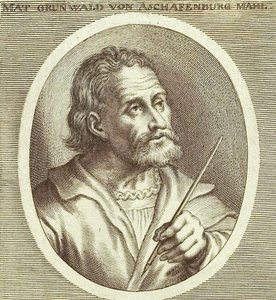
Matthias Grünewald
1480 - 1528 , Alemania
Datos clave
- Artistic Movement Or Style: Renacimiento alemán
- Artists Or Movements Influenced By This Artist: ['Gótico tardío']
- Artists Who Influenced This Artist:
- Albrecht Dürer
- Martin Schongauer
- Date Of Death: 1528
- Full Name: Matías Gothart Neithardt
- Nationality: Alemania
- Notable Artworks:
- El Retablo de Isenheim
- La Crucifixión
- Virgen de la Anunciación
- Place Of Birth: Würzburgo, Alemania
Artículos relacionados
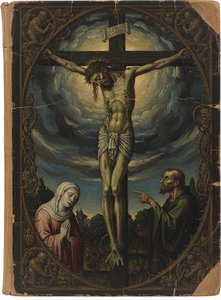
Matthias Grünewald: Devotion, Distortion & Spiritual Turmoil in Renaissance Art
Explore the profound religious art of Matthias Grünewald, master of the Isenheim Altarpiece. Discover his unique expressionism, symbolism & lasting impact on Renaissance painting. A guide for collectors and enthusiasts.
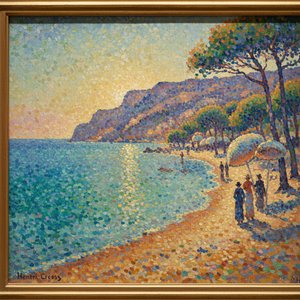
Henri Edmond Cross: A Pioneer of Neo-Impressionism & the Divisionist Aesthetic
Explore the life & art of Henri Edmond Cross, a pivotal Neo-Impressionist painter. Discover his innovative divisionist technique, political affiliations, and lasting influence on modern art movements like Fauvism. Learn about key works & legacy.
Armonizando el Patrimonio: Un Enfoque Intercultural en la Decoración de Interiores con Reproducciones del Arte Asiático, Europeo y Africano
Descubre cómo integrar arte asiático, europeo y africano en tu hogar con reproducciones de alta calidad. Expertos en decoración intercultural para espacios únicos y llenos de significado. ¡Inspírate!
Illuminating Belief: A Visual Exploration of Faith Across Artistic Movements & Historical Contexts
Explore the rich history of faith through art! Discover Renaissance masterpieces, iconic artists & religious symbolism with expert analysis from ArtsDot. Perfect for collectors and enthusiasts.
Los 25 Tesoros de la Alte Pinakothek: Arte Renacentista y Barroco en Munich
Descubre los 25 tesoros de la Alte Pinakothek en Munich. Explora obras maestras de Dürer, Rembrandt y Rubens. Historia del arte renacentista y barroco para inspirar tu hogar. Reproducciones de alta calidad en ArtsDot.com.