 Ver en contexto
 Enviar
 Compartir
 Detalles

 Descargar
 Similares
 Radiografía
 Presentación de diapositivas
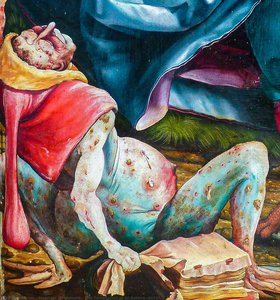
The Temptation of St Anthony (detail)


 Ver más
Reproducción al óleo hecha a mano
Óleo sobre lienzo pintado a mano en el tamaño y marco de su elección, realizado por encargo por nuestros artistas. ( Comprar impresión Comprar imagen)




P118B $10

P118H $10

P118W $10

P438Z $10

P508JH $12

P508YH $12

P805H $10

P805Z $10

P919BZ $10

P919G $10

P919XJ $10

P959ZH $10

P968JZ $12

W106C $8

W218G $10

W218JH $8

W218Y $10

W307PJ $10

W316G $10

W316PJ $8

W316Y $10

W398PJ $8

W4111J $10

W500HY $15

W500JH $15

W692G $12

W849H $8

W940BG $15

W953PJ $8




Elija entre nuestros tamaños predefinidos que respetan las proporciones originales de la obra.

Puede ingresar sus propias dimensiones para adaptarse a un marco o espacio específico. Si el tamaño seleccionado no coincide con las proporciones de la imagen original, recortaremos la obra o extenderemos la pintura con elementos adicionales pintados a mano. Se le enviará una maqueta digital para su aprobación antes de comenzar la producción.
Tenga en cuenta que la vista previa en pantalla no refleja el recorte o la extensión reales. Solo la maqueta mostrará con precisión la composición final.
Si bien existen tamaños personalizados, recomendamos seleccionar una dimensión de la lista predefinida para preservar las proporciones originales.
Tras realizar el pedido, el equipo de ArtsDot.com enviará un correo electrónico al cliente para solicitar instrucciones y proporcionarle una vista previa del boceto.
Envío a todo el mundo () en 3-4 semanas en lugar de las 5 semanas estándar. (29 agosto). Sin comprometer la calidad.

Envío exprés gratuito a todo el mundo

Lienzo de lino de alta calidad

Seguro de envío total

Garantía de reembolso de impuestos aduaneros

Garantía de fidelidad cromática exacta

Política de devolución de 60 días (solo por defectos)

Garantía de devolución del 100% del dinero

Descuento por cantidad
 La opción de vidrio solo está disponible en tamaños inferiores a 110 cm.

The Temptation of St Anthony (detail)
Técnica de reproducción
Dimensiones de la reproducción
-


Precio total final
$ 263
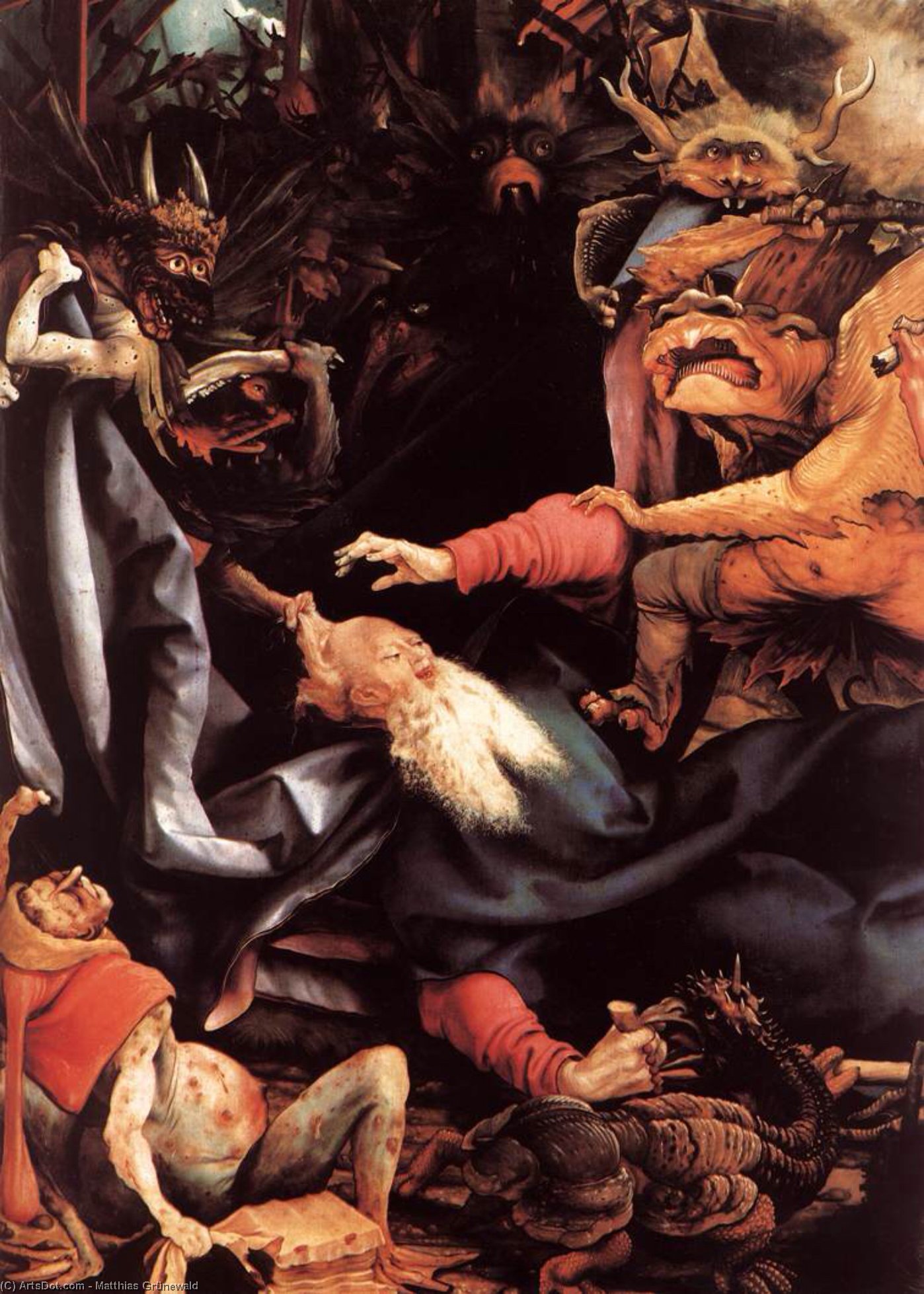
The Tempestuous Soul: Matthias Grünewald’s “The Temptation of St. Anthony”
Matthias Grünewald's "The Temptation of St. Anthony," painted around 1515, isn’t merely a depiction of a biblical scene; it’s a visceral plunge into the heart of spiritual struggle – a haunting meditation on temptation, faith, and the solitary journey towards enlightenment. Emerging from the Isenheim Altarpiece, this particular panel captures a pivotal moment in the life of St. Anthony the Great, a figure revered for his asceticism and unwavering devotion within the early Christian monastic tradition. More than just a religious icon, it’s a profoundly human portrayal of vulnerability and resistance, rendered with an intensity that continues to resonate centuries later.
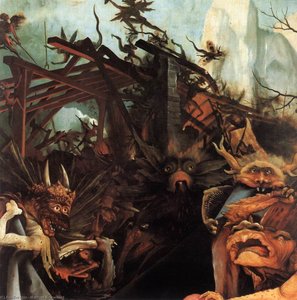
The painting immediately commands attention through its dramatic composition and masterful use of chiaroscuro – the stark contrast between light and shadow. Grünewald eschews the idealized serenity often associated with religious art of his time, instead presenting a scene steeped in turbulent energy. St. Anthony, depicted as an aged figure cloaked in simple monastic garb, is not a triumphant saint but a man wrestling with inner demons. He’s caught mid-fall, his body contorted in anguish, his face etched with a mixture of pain and determination. Around him swirl a chaotic array of figures – grotesque demons, seductive women, and unsettling creatures – each vying for his attention, each representing a different facet of temptation.
A Symphony of Symbolism
Grünewald’s genius lies not just in the dramatic portrayal but also in the intricate web of symbolism woven throughout the panel. The demons aren't simply monstrous figures; they are embodiments of worldly desires, earthly pleasures, and spiritual distractions. A bird perched on St. Anthony’s shoulder represents vanity and pride, while a snake slithering before him symbolizes deceit and temptation. The presence of a book lying on the ground to the left suggests the allure of knowledge and worldly pursuits, offering a tempting alternative to the path of faith. The figures surrounding the saint are not merely decorative; they each carry specific symbolic weight, contributing to the painting’s complex narrative.
Notably, the background landscape is far from idyllic. A ravaged city consumed by flames – a recurring motif in Grünewald's work – hints at the consequences of succumbing to temptation and straying from the righteous path. The inclusion of a ruined tower, reminiscent of St. Anthony’s hermitage, underscores the isolation and hardship inherent in his spiritual quest. The subtle detail of a small crucifix appearing within the saint’s vision serves as a poignant reminder of the ultimate prize – salvation through faith.
Technique and Artistic Innovation
Grünewald's technical skill is evident in every brushstroke, particularly in his masterful manipulation of texture. He employs a technique known as “lost-and-found” hatching—a method where lines are partially obscured to create the illusion of depth and form. This creates an incredibly rich surface, full of subtle variations in tone that bring the figures and their surroundings to life. The use of dark, saturated colors – deep reds, browns, and blacks – amplifies the painting’s dramatic intensity, while carefully placed highlights draw attention to key elements within the composition.
Furthermore, Grünewald's decision to depict St. Anthony in a state of active struggle—a man actively resisting temptation rather than passively enduring it—was remarkably innovative for his time. It reflects a shift towards greater psychological realism and emotional depth in Northern European art, anticipating the developments of the Renaissance. This portrayal elevates the subject beyond a simple religious illustration, transforming it into a powerful allegory of the human condition.
A Timeless Resonance
"The Temptation of St. Anthony" continues to captivate viewers centuries after its creation. Its enduring appeal lies in its ability to tap into universal themes of faith, doubt, and the eternal struggle between good and evil. It’s a painting that invites contemplation, prompting us to examine our own vulnerabilities and the choices we make in navigating the complexities of life. Whether viewed as a profound religious masterpiece or simply as a compelling study of human psychology, Grünewald's "The Temptation of St. Anthony" remains a testament to the power of art to illuminate the deepest recesses of the soul.
Obras relacionadas

Biografía del artista
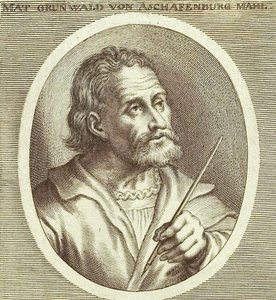
Matías Gothart Neithardt (Grünewald): Vida y Legado
Primeros Años y Orígenes Artísticos
Matías Gothart Neithardt, nacido alrededor de 1470-1475 en Würzburgo, Alemania, fue una figura clave del Renacimiento alemán. A pesar de vivir durante un período cada vez más influenciado por los ideales del Renacimiento italiano, Grünewald se mantuvo profundamente arraigado en las tradiciones artísticas tardomedievales de Europa Central. Hay pocos detalles sobre su vida temprana, pero se sabe que recibió formación como artista, probablemente dentro de talleres locales.
Desarrollo Artístico e Influencias
El desarrollo artístico de Grünewald fue moldeado por las tradiciones artísticas del norte europeo predominantes, caracterizadas por el realismo, la intensidad emocional y la observación detallada. Su obra muestra influencias de artistas como Albrecht Dürer y Martin Schongauer, pero forjó un camino único que se caracteriza por una expresión dramática y colores vivos. No estuvo directamente involucrado con los círculos humanistas prevalecientes en Italia; en cambio, su arte sirvió principalmente para fines religiosos, reflejando las ansiedades espirituales de su tiempo.
Obras Maestras y Estilo Artístico
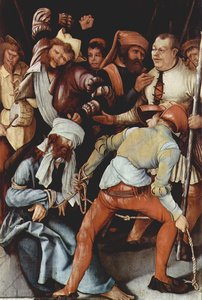
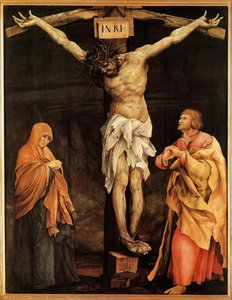
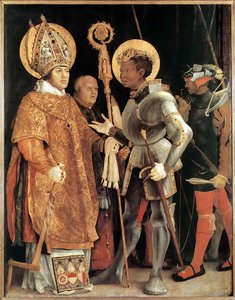
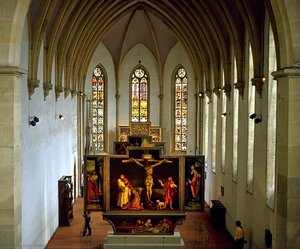
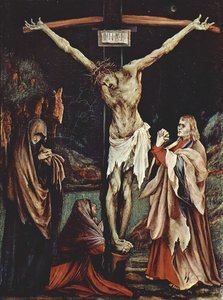
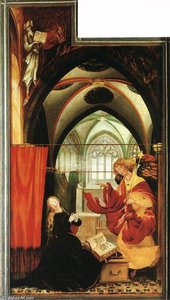
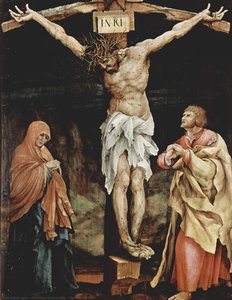
- El Retablo de Isenheim (1512-1516): Esta obra maestra, ubicada en el Musée d'Unterlinden en Colmar, se considera la obra magna de Grünewald. Representa escenas de la vida de Cristo con un realismo desgarrador, centrándose particularmente en el sufrimiento y la redención.
- La Crucifixión (c. 1502-1503): Una obra temprana que demuestra su estilo en desarrollo, mostrando una intensa emoción y detalle anatómico.
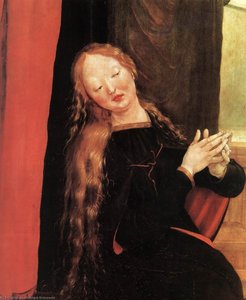
- Virgen de la Anunciación (1512-14): Un estudio para el Retablo de Isenheim, revelando su meticuloso proceso de planificación.
- Moisés (1511): Un dibujo que destaca la habilidad de Grünewald para capturar figuras expresivas y poses dramáticas.
El estilo de Grünewald se distingue por:
- Composición Dramática: Empleó arreglos dinámicos para aumentar el impacto emocional.
- Paleta de Colores Vívidos: Su uso de colores intensos, a menudo contrastantes, creó una poderosa experiencia visual.
- Representación Realista del Sufrimiento: Grünewald no evitó representar el dolor físico y emocional asociado con las narrativas religiosas.
- Figuras Expresivas: Sus figuras están imbuidas de fuertes emociones y profundidad psicológica.
Significado Histórico y Legado
La obra de Grünewald es un testimonio del poder perdurable de las tradiciones artísticas medievales en Alemania durante el Renacimiento. Él conectó los puntos entre el estilo gótico tardío y el Renacimiento emergente, creando un lenguaje visual único que resonó con sus contemporáneos. Su influencia se puede ver en artistas alemanes posteriores que continuaron explorando temas de fervor religioso e intensidad emocional. Si bien fue en gran medida olvidado durante siglos después de su muerte en 1528, Grünewald experimentó un renacimiento en el siglo XIX, y hoy es reconocido como uno de los pintores más importantes del Renacimiento alemán. Su arte continúa cautivando a los espectadores con su emoción cruda, brillantez técnica y profundidad espiritual profunda.
Exploración Adicional
Descubra más sobre la vida y obra de Matías Grünewald en: ArtsDot
Matthias Grünewald
1480 - 1528 , Alemania
Datos clave
- Artistic Movement Or Style: Renacimiento alemán
- Artists Or Movements Influenced By This Artist: ['Gótico tardío']
- Artists Who Influenced This Artist:
- Albrecht Dürer
- Martin Schongauer
- Date Of Death: 1528
- Full Name: Matías Gothart Neithardt
- Nationality: Alemania
- Notable Artworks:
- El Retablo de Isenheim
- La Crucifixión
- Virgen de la Anunciación
- Place Of Birth: Würzburgo, Alemania
Artículos relacionados
Matthias Grünewald: Devotion, Distortion & Spiritual Turmoil in Renaissance Art
Explore the profound religious art of Matthias Grünewald, master of the Isenheim Altarpiece. Discover his unique expressionism, symbolism & lasting impact on Renaissance painting. A guide for collectors and enthusiasts.

El Greco: Las 25 Obras Maestras que Definen un Genio del Arte y la Fe
Descubre las 25 obras maestras de El Greco, el genio del Renacimiento español. Explora su arte religioso, manierismo y la historia detrás de cuadros icónicos como 'El Entierro del Conde de Orgaz'. Encuentra reproducciones de alta calidad en ArtsDot.com.
Los 25 Tesoros de la Alte Pinakothek: Arte Renacentista y Barroco en Munich
Descubre los 25 tesoros de la Alte Pinakothek en Munich. Explora obras maestras de Dürer, Rembrandt y Rubens. Historia del arte renacentista y barroco para inspirar tu hogar. Reproducciones de alta calidad en ArtsDot.com.

Fra Angelico: Las 25 Obras Maestras del Renacimiento para Decorar con Arte y Fe
Descubre las 25 obras maestras de Fra Angelico, el pintor renacentista que llenó el arte sacro de luz y fe. Explora su técnica, simbolismo y belleza en frescos e iconos. Encuentra reproducciones de alta calidad para decorar tu hogar con ArtsDot.com.
Hieronymus Bosch: Las 25 Obras Maestras del Genio Medieval | Arte y Decoración
Descubre las 25 obras maestras de Hieronymus Bosch, el enigmático pintor medieval. Explora 'El Jardín de las Delicias' y su simbolismo único. Reproducciones de arte de alta calidad para tu hogar en ArtsDot.com.