

 Ver en contexto
 Enviar
 Compartir
 Detalles

 Descargar
 Similares
 Radiografía
 Presentación de diapositivas
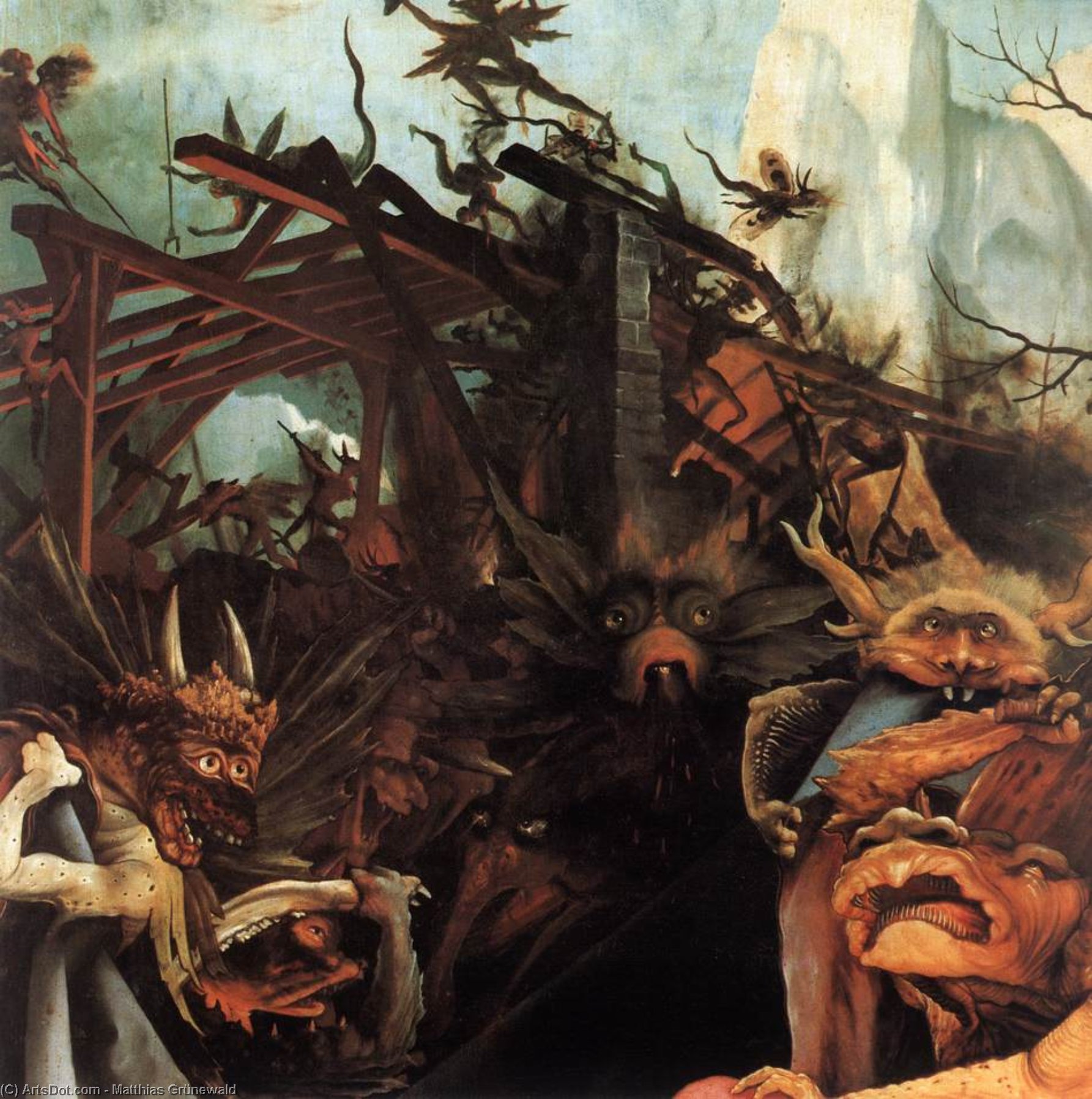
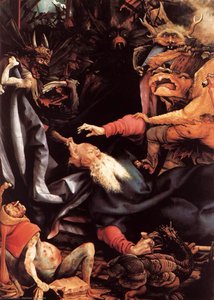
The Temptation of St Anthony (detail)


 Ver más
Adquiera una imagen digital de alta resolución y optimizada, muy superior a la vista previa en línea.
Cada archivo es preparado meticulosamente por nuestros especialistas internos mediante el uso de herramientas avanzadas y un experto retoque manual. Nos aseguramos de que cada imagen posea una claridad excepcional, una precisión cromática impecable y un detalle minucioso.
El archivo final se entrega por correo electrónico en un plazo de 72 horas, optimizado para su uso inmediato en entornos profesionales, editoriales y de impresión. Esta es la misma calidad en la que confían los estudios de diseño, las editoriales y las galerías de primer nivel.
Imagen Digital
Descarga un archivo de alta resolución para exhibición personal, impresión y proyectos creativos. ( Comprar impresión Comprar pintura hecha a mano)
Incluido en cada pedido de imágenes digitales
Entrega digital experta, garantizada.
Al elegir ArtsDot.com, no solo está adquiriendo una imagen; está recibiendo una obra de arte digital mejorada profesionalmente, elaborada con precisión y respaldada por una garantía de satisfacción. Esto es todo lo que incluye su pedido, automáticamente:

Entrega rápida por email
Recibirá su archivo de imagen digital en alta resolución por correo electrónico en un plazo de 72 horas tras realizar su pedido, listo para su uso inmediato.

Archivo digital optimizado por IA
Su obra de arte se optimiza profesionalmente mediante herramientas avanzadas de IA y edición manual, garantizando el máximo detalle, claridad y precisión cromática.

Reenvío gratuito de por vida
¿Has borrado o perdido tu archivo por error? No te preocupes: te lo volveremos a enviar en cualquier momento, sin coste adicional.

Sin gastos de importación, siempre
Disfrute de su obra de arte al instante sin aduanas, aranceles ni gastos de envío; las descargas digitales siempre están libres de impuestos.

Garantía de fidelidad de color
Garantizamos que su imagen digital refleje los colores originales con la mayor fidelidad posible, mediante el uso de herramientas profesionales y gestión del color.

Garantía de satisfacción de 60 días
Si no está satisfecho con su imagen digital, la revisaremos o le reembolsaremos el 100% en un plazo de 60 días, sin preguntas.

100% Garantía de devolución de dinero
¿No está satisfecho? Obtenga un reembolso completo dentro de los 60 días posteriores a la recepción de su archivo digital, sin necesidad de explicaciones.

Descuentos por pedidos grandes
Compra 3 imágenes, ahorra 10% - Compra 5, ahorra 15% - Compra 10+, ahorra 20%. Ideal para proyectos creativos, galerías y agencias.
Descripción del coleccionable
A Vision of Spiritual Struggle: Matthias Grünewald’s “The Temptation of St. Anthony”
Matthias Grünewald's "The Temptation of St. Anthony," painted in 1515, isn’t merely a depiction of a biblical scene; it’s a profound exploration of the human psyche wrestling with temptation and faith. Born in Würzburg around 1470-1475, Grünewald was a pivotal figure bridging the late medieval artistic traditions of Northern Europe with the burgeoning influences of the Italian Renaissance. Unlike his contemporaries who embraced humanist ideals, Grünewald remained deeply rooted in the emotional intensity and meticulous detail characteristic of his region, creating an artwork that resonates with a raw, almost visceral power.
The painting centers on St. Anthony, a hermit renowned for his asceticism and resistance to worldly temptations. Grünewald masterfully portrays this struggle not as a simple battle against external forces, but as an internal conflict waged within the confines of the saint’s own mind. The composition is deliberately complex, layering figures and creating a sense of claustrophobic depth—a visual representation of the overwhelming nature of temptation itself. Notice how Grünewald utilizes dramatic lighting, casting harsh shadows that emphasize the demonic figures and highlighting St. Anthony's solitary figure amidst the chaos.
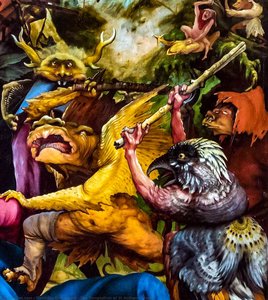
- The Demonic Chorus: The central focus is a grotesque demon, his horns curling menacingly, tongue extended in a seductive gesture. This isn’t a straightforward villain; he embodies the myriad temptations that assail the human spirit – lust, greed, vanity—presented with unsettling realism.
- Angels and Demons Intertwined: The presence of both angels and demons creates a dynamic tension, suggesting the constant battle between good and evil within each individual. The angels, though offering guidance, are not overtly forceful; their role is to witness and acknowledge the saint’s struggle.
- Symbolic Birds: Two birds—one on the left, another towards the top right—add layers of symbolic meaning. Some scholars interpret them as representing temptation itself, while others see them as messengers or guides, reflecting the saint's journey through spiritual darkness.
A Masterclass in Late Medieval Technique
Grünewald’s artistic skill is immediately apparent in his meticulous attention to detail and his masterful use of color. He employs a rich palette—deep reds, blues, and greens—to create a dramatic atmosphere, contrasting the cool hues of St. Anthony's cell with the fiery colors of the demonic figures. The painting demonstrates a remarkable understanding of texture, particularly evident in the depiction of the demon’s skin – rough and leathery, conveying his monstrous nature. The use of *sfumato*, a technique borrowed from Renaissance artists like Albrecht Dürer, subtly blurs the edges of forms, creating an ethereal quality that enhances the sense of depth and movement.
Grünewald’s approach to perspective is also noteworthy. He utilizes atmospheric perspective—distant objects appearing paler and less distinct—to create a convincing illusion of space within the confined setting. This technique, combined with his expressive brushwork, contributes significantly to the painting's overall dynamism and emotional impact.
The Context of Faith and Human Experience
“The Temptation of St. Anthony” is rooted in the broader religious context of 16th-century Germany, a period marked by both fervent piety and growing skepticism. The story of St. Anthony served as a potent allegory for the challenges faced by individuals seeking to live a virtuous life. Grünewald’s painting captures this struggle with remarkable honesty, portraying temptation not as an external force but as an internal battle—a reflection of the human condition itself.
Furthermore, the work reflects the influence of medieval hermeticism and mysticism, which emphasized the importance of inner contemplation and spiritual purification. The setting within a ruined tower symbolizes the isolation and solitude required for such practices, while the presence of Christ in miniature suggests the ultimate source of salvation. The painting’s enduring appeal lies in its ability to resonate with viewers across centuries—a timeless meditation on faith, temptation, and the human search for meaning.
Bringing Grünewald's Vision Home: A ArtsDot Reproduction
ArtsDot is proud to offer meticulously crafted hand-painted reproductions of Matthias Grünewald’s “The Temptation of St. Anthony.” Our artists recreate the painting’s rich textures, dramatic lighting, and symbolic details with unparalleled accuracy, ensuring that you receive a stunning work of art that captures the essence of this iconic masterpiece. Whether for your grand salon or a smaller contemplative space, our reproductions provide an authentic connection to Grünewald's profound vision—a testament to the enduring power of faith and human experience.
Obras relacionadas
Biografía del artista
Matías Gothart Neithardt (Grünewald): Vida y Legado
Primeros Años y Orígenes Artísticos
Matías Gothart Neithardt, nacido alrededor de 1470-1475 en Würzburgo, Alemania, fue una figura clave del Renacimiento alemán. A pesar de vivir durante un período cada vez más influenciado por los ideales del Renacimiento italiano, Grünewald se mantuvo profundamente arraigado en las tradiciones artísticas tardomedievales de Europa Central. Hay pocos detalles sobre su vida temprana, pero se sabe que recibió formación como artista, probablemente dentro de talleres locales.
Desarrollo Artístico e Influencias
El desarrollo artístico de Grünewald fue moldeado por las tradiciones artísticas del norte europeo predominantes, caracterizadas por el realismo, la intensidad emocional y la observación detallada. Su obra muestra influencias de artistas como Albrecht Dürer y Martin Schongauer, pero forjó un camino único que se caracteriza por una expresión dramática y colores vivos. No estuvo directamente involucrado con los círculos humanistas prevalecientes en Italia; en cambio, su arte sirvió principalmente para fines religiosos, reflejando las ansiedades espirituales de su tiempo.
Obras Maestras y Estilo Artístico
- El Retablo de Isenheim (1512-1516): Esta obra maestra, ubicada en el Musée d'Unterlinden en Colmar, se considera la obra magna de Grünewald. Representa escenas de la vida de Cristo con un realismo desgarrador, centrándose particularmente en el sufrimiento y la redención.
- La Crucifixión (c. 1502-1503): Una obra temprana que demuestra su estilo en desarrollo, mostrando una intensa emoción y detalle anatómico.
- Virgen de la Anunciación (1512-14): Un estudio para el Retablo de Isenheim, revelando su meticuloso proceso de planificación.
- Moisés (1511): Un dibujo que destaca la habilidad de Grünewald para capturar figuras expresivas y poses dramáticas.
El estilo de Grünewald se distingue por:
- Composición Dramática: Empleó arreglos dinámicos para aumentar el impacto emocional.
- Paleta de Colores Vívidos: Su uso de colores intensos, a menudo contrastantes, creó una poderosa experiencia visual.
- Representación Realista del Sufrimiento: Grünewald no evitó representar el dolor físico y emocional asociado con las narrativas religiosas.
- Figuras Expresivas: Sus figuras están imbuidas de fuertes emociones y profundidad psicológica.
Significado Histórico y Legado
La obra de Grünewald es un testimonio del poder perdurable de las tradiciones artísticas medievales en Alemania durante el Renacimiento. Él conectó los puntos entre el estilo gótico tardío y el Renacimiento emergente, creando un lenguaje visual único que resonó con sus contemporáneos. Su influencia se puede ver en artistas alemanes posteriores que continuaron explorando temas de fervor religioso e intensidad emocional. Si bien fue en gran medida olvidado durante siglos después de su muerte en 1528, Grünewald experimentó un renacimiento en el siglo XIX, y hoy es reconocido como uno de los pintores más importantes del Renacimiento alemán. Su arte continúa cautivando a los espectadores con su emoción cruda, brillantez técnica y profundidad espiritual profunda.
Exploración Adicional
Descubra más sobre la vida y obra de Matías Grünewald en: ArtsDot
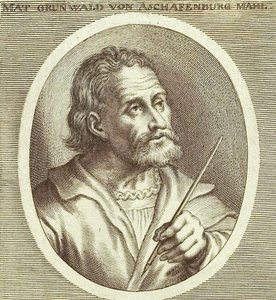
Matthias Grünewald
1480 - 1528 , Alemania
Breves datos
- Artistic Movement Or Style: Renacimiento alemán
- Artists Or Movements Influenced By This Artist: ['Gótico tardío']
- Artists Who Influenced This Artist:
- Albrecht Dürer
- Martin Schongauer
- Date Of Death: 1528
- Full Name: Matías Gothart Neithardt
- Nationality: Alemania
- Notable Artworks:
- El Retablo de Isenheim
- La Crucifixión
- Virgen de la Anunciación
- Place Of Birth: Würzburgo, Alemania

