

 Ver en contexto
 Enviar
 Compartir
 Detalles

 Descargar
 Similares
 Radiografía
 Presentación de diapositivas
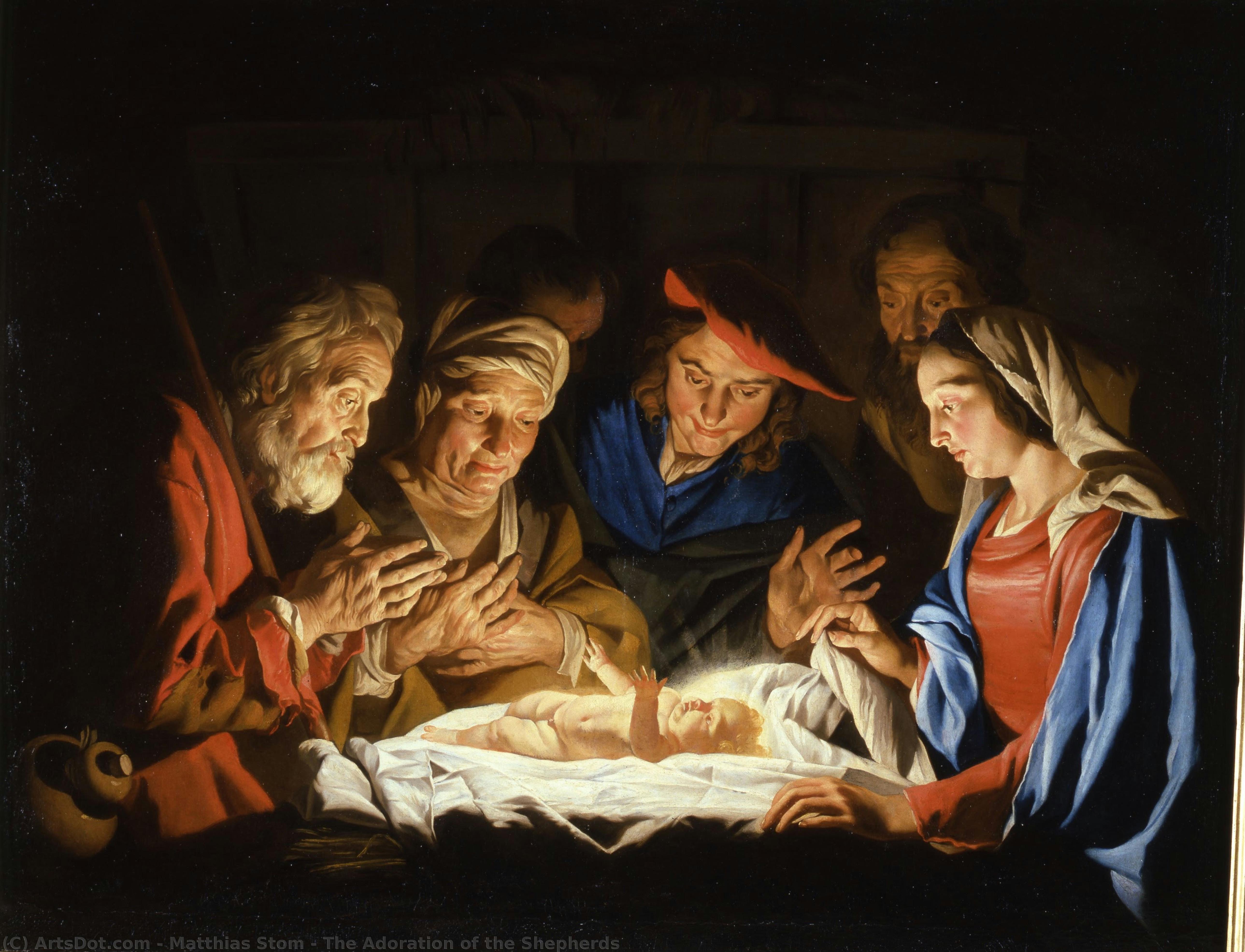
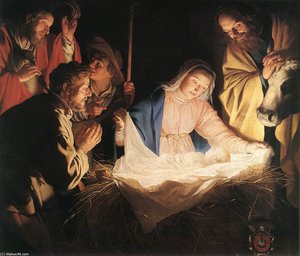
The Adoration of the Shepherds


 Ver más
Adquiera una imagen digital de alta resolución y optimizada, muy superior a la vista previa en línea.
Cada archivo es preparado meticulosamente por nuestros especialistas internos mediante el uso de herramientas avanzadas y un experto retoque manual. Nos aseguramos de que cada imagen posea una claridad excepcional, una precisión cromática impecable y un detalle minucioso.
El archivo final se entrega por correo electrónico en un plazo de 72 horas, optimizado para su uso inmediato en entornos profesionales, editoriales y de impresión. Esta es la misma calidad en la que confían los estudios de diseño, las editoriales y las galerías de primer nivel.
Imagen Digital
Descarga un archivo de alta resolución para exhibición personal, impresión y proyectos creativos. ( Comprar impresión Comprar pintura hecha a mano)
Incluido en cada pedido de imágenes digitales
Entrega digital experta, garantizada.
Al elegir ArtsDot.com, no solo está adquiriendo una imagen; está recibiendo una obra de arte digital mejorada profesionalmente, elaborada con precisión y respaldada por una garantía de satisfacción. Esto es todo lo que incluye su pedido, automáticamente:

Entrega rápida por email
Recibirá su archivo de imagen digital en alta resolución por correo electrónico en un plazo de 72 horas tras realizar su pedido, listo para su uso inmediato.

Archivo digital optimizado por IA
Su obra de arte se optimiza profesionalmente mediante herramientas avanzadas de IA y edición manual, garantizando el máximo detalle, claridad y precisión cromática.

Reenvío gratuito de por vida
¿Has borrado o perdido tu archivo por error? No te preocupes: te lo volveremos a enviar en cualquier momento, sin coste adicional.

Sin gastos de importación, siempre
Disfrute de su obra de arte al instante sin aduanas, aranceles ni gastos de envío; las descargas digitales siempre están libres de impuestos.

Garantía de fidelidad de color
Garantizamos que su imagen digital refleje los colores originales con la mayor fidelidad posible, mediante el uso de herramientas profesionales y gestión del color.

Garantía de satisfacción de 60 días
Si no está satisfecho con su imagen digital, la revisaremos o le reembolsaremos el 100% en un plazo de 60 días, sin preguntas.

100% Garantía de devolución de dinero
¿No está satisfecho? Obtenga un reembolso completo dentro de los 60 días posteriores a la recepción de su archivo digital, sin necesidad de explicaciones.

Descuentos por pedidos grandes
Compra 3 imágenes, ahorra 10% - Compra 5, ahorra 15% - Compra 10+, ahorra 20%. Ideal para proyectos creativos, galerías y agencias.
Descripción del coleccionable
A Symphony of Shadow and Light
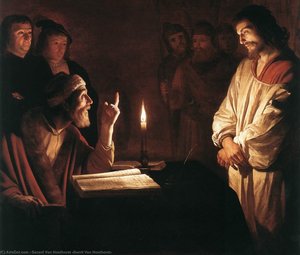
In the quiet, profound depths of Matthias Stom’s The Adoration of the Shepherds, one finds not merely a religious tableau, but a masterclass in the dramatic tension of the Baroque era. As a significant figure within the Caravaggist movement, Stom possessed an uncanny ability to manipulate chiaroscuro—that breathtaking interplay between piercing light and swallowing shadow—to guide the viewer's soul toward the divine. The painting captures a sacred moment of stillness amidst the ruggedness of the world; the soft, ethereal glow emanating from the Christ child acts as the sole protagonist of light, illuminating the weathered faces of the shepherds and the tender features of the Virgin Mary. This technique does more than create depth; it creates a spiritual hierarchy, where light itself becomes a symbol of grace descending into the darkness of the human condition.
The composition is a delicate dance of human emotion and textured realism. Within the frame, nine figures are gathered, each caught in a unique state of reverence, curiosity, or quiet awe. Stom’s commitment to an unflinching realism—a hallmark of his Dutch roots blended with Roman influence—is evident in the palpable textures of the scene: the coarse fabric of the shepherds' garments, the gentle skin of the infant, and the rustic setting that suggests an outdoor sanctuary. There is a profound intimacy in how these figures lean toward the center, their gazes forming an invisible web of devotion that pulls the observer into the very heart of the Nativity.
The Enigma of the Dutch Master
To behold a work by Matthias Stom is to engage with one of the most captivating mysteries of the 17th century. Often referred to as "Stomer," this elusive artist navigated the vibrant artistic landscapes of both Utrecht and Italy, absorbing the stylistic innovations of legends like Caravaggio and Gerard van Honthorst. Unlike many of his Northern contemporaries who favored lighthearted genre scenes or complex allegories, Stom directed his formidable talent toward biblical narratives, imbuing them with a somber, monumental dignity. His work carries the weight of history, reflecting an era of intense religious fervor and artistic experimentation where every brushstroke served to bridge the gap between the earthly and the celestial.
For the discerning collector or interior designer, The Adoration of the Shepherds offers much more than mere decoration; it provides a focal point of profound intellectual and emotional resonance. The painting’s dark, moody palette makes it an exquisite choice for sophisticated spaces, where it can anchor a room with its historical gravity and dramatic flair. Whether placed in a gallery-style study or as a conversation piece in a contemporary living space, this reproduction serves as a window into the Baroque soul—a timeless reminder of the beauty found when light dares to break through the shadows.
Obras relacionadas


Biografía del artista
A Shadowy Master of the Baroque: Unveiling Matthias Stom
The name Matthias Stom, or Stomer as he was sometimes known, resonates with a captivating mystery within the annals of 17th-century painting. A Dutch artist whose life remains shrouded in ambiguity, Stom carved a distinctive niche for himself not in his homeland, but amidst the vibrant artistic landscape of Italy. Born around 1600, likely in Amersfoort near Utrecht, he emerged as a compelling figure within the orbit of Caravaggism—a movement defined by its dramatic use of light and shadow, and an unflinching commitment to realism. While definitive biographical details are scarce, piecing together fragmented records and stylistic analysis reveals a journey marked by artistic exploration and a profound engagement with the prevailing Baroque sensibilities. The very uncertainty surrounding his origins – some scholars suggest possible Flemish roots – adds to the enigmatic allure that surrounds his oeuvre.From Utrecht Influences to Italian Immersion
Stom’s early training remains largely speculative, though it is widely believed he absorbed influences from prominent Utrecht Caravaggists like Gerard van Honthorst, Hendrick ter Brugghen, Paulus Moreelse and Abraham Bloemaert. These artists had embraced the revolutionary style of Michelangelo Merisi da Caravaggio, bringing its tenebrism—the stark contrast between light and dark—and emotionally charged realism to Dutch art. However, Stom’s artistic trajectory diverged from many of his contemporaries who favored genre scenes or allegorical compositions. He gravitated towards biblical narratives, imbuing them with a psychological depth and dramatic intensity that set him apart. Around 1630, he arrived in Rome, documented as living alongside the French painter Nicolas Provost. This marked a pivotal moment in his development, exposing him directly to the source of Caravaggio’s inspiration and allowing him to refine his technique within the heart of the Italian Baroque. His early Roman period culminated in the altarpiece of the Assumption of Mary with three saints, now housed in Chiuduno, showcasing his burgeoning mastery of chiaroscuro and narrative power.Naples, Sicily, and a Distinctive Artistic Voice
The subsequent chapters of Stom’s artistic life unfolded across the Italian peninsula. From approximately 1635 to 1640, he resided in Naples, a city teeming with artistic energy and under the strong influence of the Spanish painter Jusepe de Ribera. This exposure further honed his dramatic style, adding a heightened sense of realism and emotional intensity to his work. It was during this period that Stom began creating pieces for Capuchin churches, solidifying his reputation as a skilled religious painter. Around 1640, he moved to Sicily, where he would spend the most significant portion of his career. Here, he received commissions for churches in Caccamo, Messina, and Monreale, producing some of his most celebrated works. *The Miracle of Saint Isidore the Labourer* (1641) stands as his only securely dated painting, a testament to his ability to capture both the spiritual fervor and human drama of religious events. Other notable Sicilian creations include *Saint Dominic* in Monreale and, tragically lost during the 1908 Messina earthquake, *The Martyrdom of Saint Cecilia*. Stom’s distinctive “claylike” treatment of flesh tones, coupled with his masterful use of light and shadow, became hallmarks of his style.Key Characteristics of Stom's Work
- Dramatic Chiaroscuro: A hallmark of his style, employing strong contrasts between light and dark to create a sense of drama and focus attention.
- Realistic Depiction: An unflinching commitment to portraying figures and scenes with anatomical accuracy and emotional honesty.
- Biblical Narratives: Primarily focused on religious subjects, particularly stories from the Bible, imbued with psychological depth.
- “Claylike” Flesh Tones: A distinctive technique characterized by a warm, earthy palette used to render skin tones.
- Influence of Caravaggio and Ribera: Demonstrates a clear understanding and adaptation of the styles of these Baroque masters.
Rediscovery and Lasting Legacy
Despite his prolific output during his lifetime, Matthias Stom fell into relative obscurity for centuries after his death, which occurred sometime after 1652, likely in Northern Italy. Many of his works were misattributed to other artists, particularly Gerard van Honthorst, obscuring his individual contribution to the Baroque movement. It wasn’t until the early 20th century that dedicated scholarship began to unravel the mystery surrounding Stom, establishing him as a significant figure within the Utrecht Caravaggist school. His rediscovery revealed an artist of remarkable skill and sensitivity, capable of conveying profound emotional depth through his dramatic compositions. Stom's legacy lies in his ability to synthesize Italian Baroque influences with Northern European sensibilities, creating a unique artistic voice that continues to captivate viewers today. He demonstrated the powerful adaptability of Caravaggio’s style, proving its resonance beyond Italy and inspiring generations of artists with his masterful use of light, shadow, and realistic portrayal of religious subjects.
Matthias Stom
1590 - 1670 , Países Bajos
Breves datos
- Artistic Movement Or Style: Utrecht Caravaggismo
- Artists Or Movements Influenced By This Artist: ['Barroco tardío']
- Artists Who Influenced This Artist:
- Caravaggio
- Ribera
- Date Of Birth: c. 1600
- Date Of Death: después de 1652
- Full Name: Matthias Stom
- Nationality: Holandés
- Notable Artworks:
- Asunción Virgen
- Milagro San Isidoro
- San Dominico
- Place Of Birth: Amersfoort, Países Bajos

