 Ver en contexto
 Enviar
 Compartir
 Detalles

 Descargar
 Similares
 Radiografía
 Presentación de diapositivas
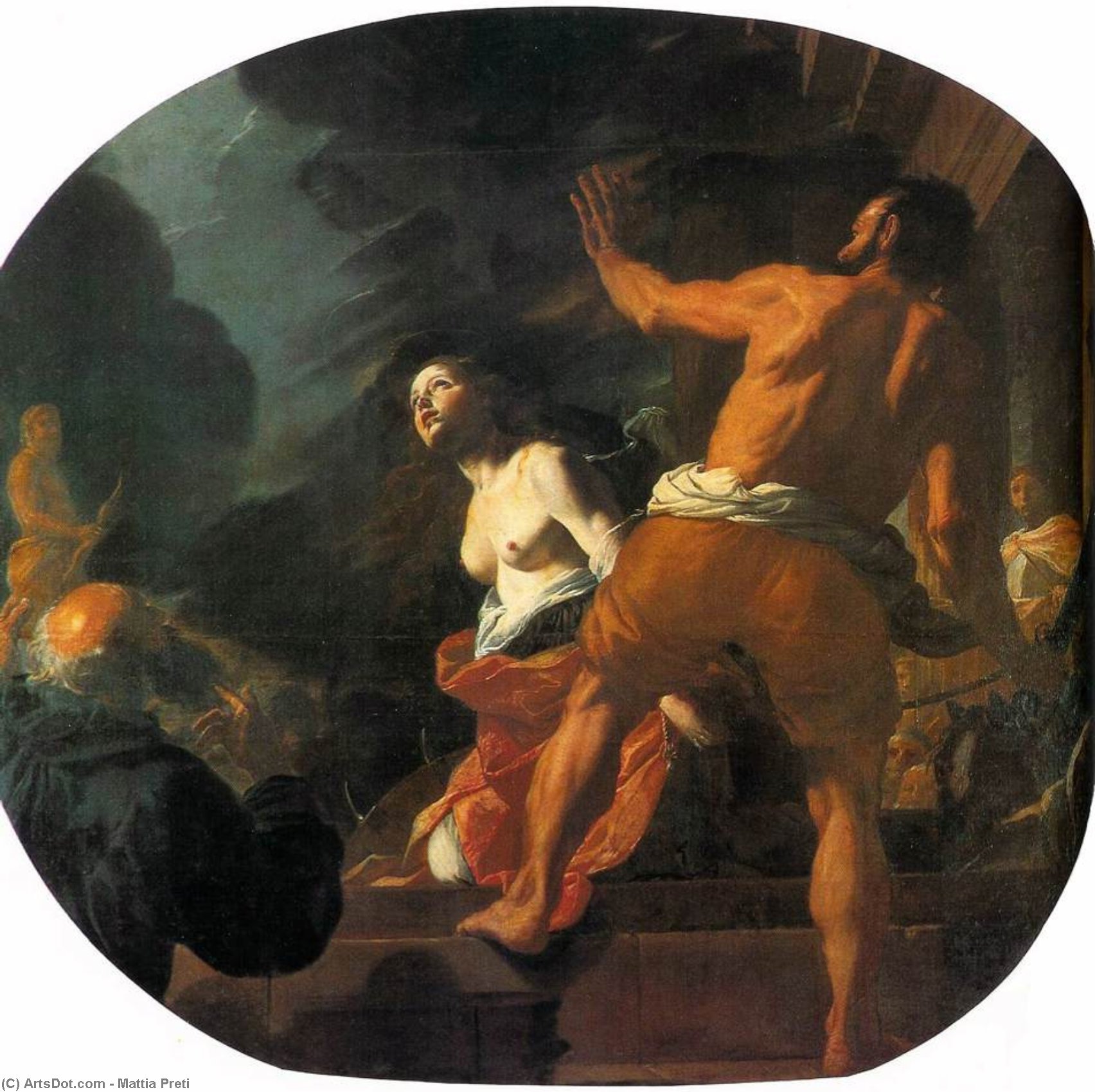
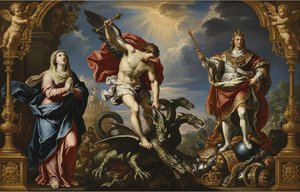
Beheading of St. Catherine


 Ver más
Reproducción al óleo hecha a mano
Óleo sobre lienzo pintado a mano en el tamaño y marco de su elección, realizado por encargo por nuestros artistas. ( Comprar impresión Comprar imagen)




P118B $10

P118H $10

P118W $10

P438Z $10

P508JH $12

P508YH $12

P805H $10

P805Z $10

P919BZ $10

P919G $10

P919XJ $10

P959ZH $10

P968JZ $12

W106C $8

W218G $10

W218JH $8

W218Y $10

W307PJ $10

W316G $10

W316PJ $8

W316Y $10

W398PJ $8

W4111J $10

W500HY $15

W500JH $15

W692G $12

W849H $8

W940BG $15

W953PJ $8




Elija entre nuestros tamaños predefinidos que respetan las proporciones originales de la obra.

Puede ingresar sus propias dimensiones para adaptarse a un marco o espacio específico. Si el tamaño seleccionado no coincide con las proporciones de la imagen original, recortaremos la obra o extenderemos la pintura con elementos adicionales pintados a mano. Se le enviará una maqueta digital para su aprobación antes de comenzar la producción.
Tenga en cuenta que la vista previa en pantalla no refleja el recorte o la extensión reales. Solo la maqueta mostrará con precisión la composición final.
Si bien existen tamaños personalizados, recomendamos seleccionar una dimensión de la lista predefinida para preservar las proporciones originales.
Tras realizar el pedido, el equipo de ArtsDot.com enviará un correo electrónico al cliente para solicitar instrucciones y proporcionarle una vista previa del boceto.
Envío a todo el mundo () en 3-4 semanas en lugar de las 5 semanas estándar. (24 agosto). Sin comprometer la calidad.

Envío exprés gratuito a todo el mundo

Lienzo de lino de alta calidad

Seguro de envío total

Garantía de reembolso de impuestos aduaneros

Garantía de fidelidad cromática exacta

Política de devolución de 60 días (solo por defectos)

Garantía de devolución del 100% del dinero

Descuento por cantidad
 La opción de vidrio solo está disponible en tamaños inferiores a 110 cm.

Beheading of St. Catherine
Técnica de reproducción
Dimensiones de la reproducción
-


Precio total final
$ 263
Descripción de la obra
The Agony of Virtue: Mattia Preti’s “Beheading of St. Catherine”
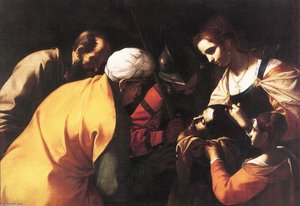
Mattia Preti's "Beheading of St. Catherine," painted circa 1650, is not merely a depiction of martyrdom; it’s a visceral exploration of suffering, faith, and the precarious balance between earthly pain and divine grace. This tondo, measuring approximately three feet in diameter, immediately commands attention with its dramatic chiaroscuro – a hallmark of Preti's signature style and deeply rooted in Caravaggio’s influence. The scene unfolds within a meticulously rendered, yet subtly unsettling, outdoor setting; a stormy sky presses down upon the figures, mirroring the emotional turmoil at the heart of the composition. The artist masterfully employs deep shadows to sculpt the forms, emphasizing the vulnerability of St. Catherine and intensifying the brutality of her execution.
Preti’s technique is characterized by an almost frenetic energy. The brushstrokes are loose and expressive, particularly in the rendering of St. Catherine's flowing hair and garments – a deliberate choice that conveys both her regal bearing as a saint and the immediate terror of her impending fate. Notice the stark contrast between the cool blues and purples of the sky and the warm reds and browns of the figures; this creates a powerful visual tension, drawing the viewer’s eye directly to the central act of violence. The artist's use of impasto – thick application of paint – adds texture and depth, lending a tangible quality to the scene, as if we could almost feel the weight of the sword and the chill of the air.
A Baroque Drama: Context and Symbolism
To understand “Beheading,” one must appreciate the turbulent historical context in which it was created. Preti’s career unfolded during a period of intense religious fervor and political upheaval, particularly in Malta, where he served as a Knight of the Order of St. John. The painting reflects this atmosphere of conflict and spiritual struggle – a common theme within Baroque art. St. Catherine herself is a potent symbol: she represents unwavering faith, intellectual virtue, and resistance against paganism. Her decapitation, therefore, isn’t simply an act of violence; it's a testament to her steadfast devotion in the face of persecution.
The surrounding figures – the executioner, the onlookers, and the elderly man with a sorrowful gaze – are equally significant. The executioner, rendered with a grim intensity, embodies earthly power and brutality. The crowd, largely obscured, represents the indifference of humanity to suffering. However, it is the figure of the old man who offers a poignant counterpoint: his contemplative expression suggests a recognition of Catherine’s sacrifice and a lament for the loss of innocence. This detail elevates the painting beyond a simple historical narrative, inviting viewers to contemplate the broader themes of faith, mortality, and human compassion.
The Power of Emotion: A Viewer's Experience
“Beheading of St. Catherine” is profoundly affecting precisely because it doesn’t shy away from depicting suffering. Preti avoids sentimentality, instead presenting a raw and unflinching portrayal of violence. The direct gaze of the saint, her face etched with pain yet radiating an inner strength, compels the viewer to confront the uncomfortable realities of human existence. The dramatic lighting and dynamic composition heighten the emotional impact, creating a sense of immediacy that transcends time and place.
It’s important to note that Preti's work was often commissioned for religious institutions – churches and chapels – where it served as a powerful visual sermon. The painting aimed to inspire devotion, remind viewers of the sacrifices made in the name of faith, and perhaps even encourage them to emulate St. Catherine’s unwavering virtue. The intensity of the scene, combined with its masterful execution, ensures that “Beheading of St. Catherine” continues to resonate with audiences today, offering a timeless meditation on faith, suffering, and the enduring power of the human spirit.
Reproductions & Legacy
High-quality reproductions of Mattia Preti’s "Beheading of St. Catherine" are available through ArtsDot.com and other fine art reproduction specialists. These meticulously crafted prints capture the artist's dramatic chiaroscuro, vibrant colors, and expressive brushwork with remarkable fidelity. Whether adorning a grand salon or a smaller study, this iconic image will undoubtedly serve as a focal point of conversation and contemplation. The painting’s enduring appeal makes it an excellent choice for collectors seeking to add a touch of Baroque drama and spiritual depth to their interiors.
Obras relacionadas
Biografía del artista
Mattia Preti: Un Destacado Pintor del Barroco Italiano
- Nacido: Taverna, Italia (24 de febrero de 1613)
- Fallecido: 1699
Primeros Años y Formación
Mattia Preti nació en Taverna, Calabria, Italia, el 24 de febrero de 1613. Su formación artística temprana comenzó con Giovanni Battista Caracciolo, un pintor asociado al movimiento caravaggista. Esta exposición inicial moldeó significativamente su estilo, evidente en muchas de sus obras. Antes de 1630, Preti se unió a su hermano Gregorio Preti en Roma, donde se sumergió en las técnicas de Caravaggio y otros artistas destacados de la época. Este período fue crucial para desarrollar su comprensión del uso dramático de la luz y las representaciones realistas.
Desarrollos Artísticos Clave e Influencias
El viaje artístico de Preti involucró una compleja interacción de influencias. Aunque arraigado en el caravaggismo, también absorbió elementos de varios maestros, incluyendo a Guercino, Rubens, Guido Reni y Giovanni Lanfranco. Su tiempo en Nápoles lo expuso al trabajo de Luca Giordano, refinando aún más su estilo. Un cambio notable ocurrió cuando Preti se alejó de la imitación estricta del caravaggismo, desarrollando un estilo barroco más dinámico y expresivo caracterizado por:
- Contrastes Dramáticos de Luz y Sombra: Una característica heredada de Caravaggio, utilizada para crear intenso drama y resaltar figuras clave.
- Intensa Expresión Emocional: Las obras de Preti a menudo transmiten emociones poderosas a través de expresiones faciales y lenguaje corporal.
- Composiciones Dinámicas: Sus pinturas presentan un movimiento enérgico y arreglos complejos de figuras.
Obras Principales y Comisiones
La carrera de Preti se caracterizó por numerosas comisiones significativas a través de Italia y Malta. Algunas obras notables incluyen:
- Ciclos de Frescos en Roma: Creó ciclos de frescos para iglesias como Sant’Andrea della Valle y San Carlo ai Catinari, demostrando su habilidad en la pintura decorativa a gran escala.
- Frescos en San Biagio, Modena: Su trabajo en la iglesia de San Biagio mostró su capacidad para adaptar su estilo a diferentes entornos.
- Frescos de la Peste de Nápoles: Una serie de grandes frescos que representan a la Virgen o a los santos liberando a la gente de la peste fueron pintados en siete puertas de la ciudad de Nápoles. Aunque ahora perdidos, quedan bocetos como testimonio de su escala e impacto.
- Catedral de San Juan, Valleta (Malta): Quizás su logro más significativo fue transformar el interior de la Catedral de San Juan con una vasta serie de pinturas que representan la vida y el martirio de San Juan Bautista. Este proyecto consolidó su reputación y aseguró numerosas comisiones en toda Europa.
Legado y Significado Histórico
La creciente reputación de Mattia Preti, impulsada por su trabajo en Malta, condujo a un círculo más amplio de patrocinadores y encargos de toda Europa. Es recordado como una figura destacada en el arte barroco italiano, conocido por sus composiciones dramáticas, su hábil uso de la luz y la sombra, y su capacidad para transmitir emociones intensas. Su legado continúa siendo apreciado a través de la preservación de sus obras en museos como el Museo de Capodimonte en Nápoles y a través de reproducciones disponibles en ArtsDot.com. Su contribución a la decoración de la Catedral de San Juan sigue siendo un testimonio de su talento artístico e impacto duradero en el arte barroco.
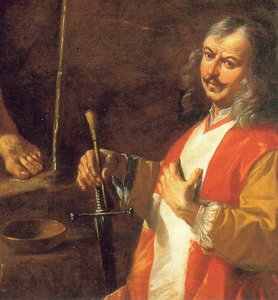
Mattia Preti
1613 - 1699 , Italia
Datos clave
- Artistas Influenciados Por Este Artista: ['Francesco Stringa']
- Artistas Que Influyeron:
- Giovanni Battista Caracciolo
- Caravaggio
- Luca Giordano
- Fecha De Muerte: 1699
- Fecha De Nacimiento: 24 de febrero de 1613
- Lugar De Nacimiento: Taverna, Italia
- Movimiento Artístico: Barroco
- Nacionalidad: Italiana
- Nombre Completo: Mattia Preti
- Obras Notables:
- Dinero de tributo
- El banquete de Absalón
- El concierto
- Martirio de San Erasmo
- Fiesta de Herodes
Artículos relacionados

The Dramatic Flourish: Exploring the Baroque Movement's Enduring Legacy in Art History
Explore the dramatic world of Baroque art! Discover iconic artists like Caravaggio & Rubens, defining techniques, and its lasting impact on art history. Expert insights for collectors & enthusiasts at ArtsDot.

Barroco Sublime: 10 Obras Maestras que Definieron una Época |
Descubre las 10 obras maestras del Barroco que marcaron una época. Caravaggio, Bernini y Velázquez cobran vida en . Reproducciones de arte de calidad museo para decorar tu hogar con elegancia. ¡Explora la colección online!
The Dramatic Flourish: Exploring Themes of Power, Faith & Emotion in Baroque Artworks
Explore the dramatic world of Baroque art! Discover masters like Zurbarán & the powerful influence of religious zeal on painting techniques. Expert insights for collectors and enthusiasts.

El Greco: Las 25 Obras Maestras que Definen un Genio del Arte y la Fe
Descubre las 25 obras maestras de El Greco, el genio del Renacimiento español. Explora su arte religioso, manierismo y la historia detrás de cuadros icónicos como 'El Entierro del Conde de Orgaz'. Encuentra reproducciones de alta calidad en ArtsDot.com.

The Visceral Stage: Exploring Dramatic Narratives & Emotional Intensity in Baroque Art
Explore the dramatic world of Baroque art! Discover iconic masters like Caravaggio & Rembrandt, their techniques, and the movement's lasting impact. Expert insights for collectors & enthusiasts at ArtsDot.