 Ver en contexto
 Enviar
 Compartir
 Detalles

 Descargar
 Similares
 Radiografía
 Presentación de diapositivas
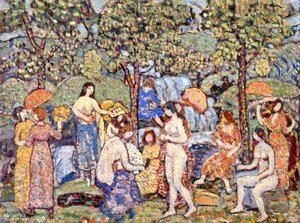
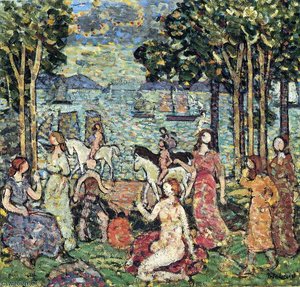
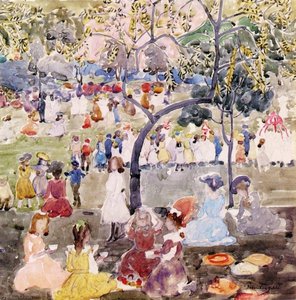
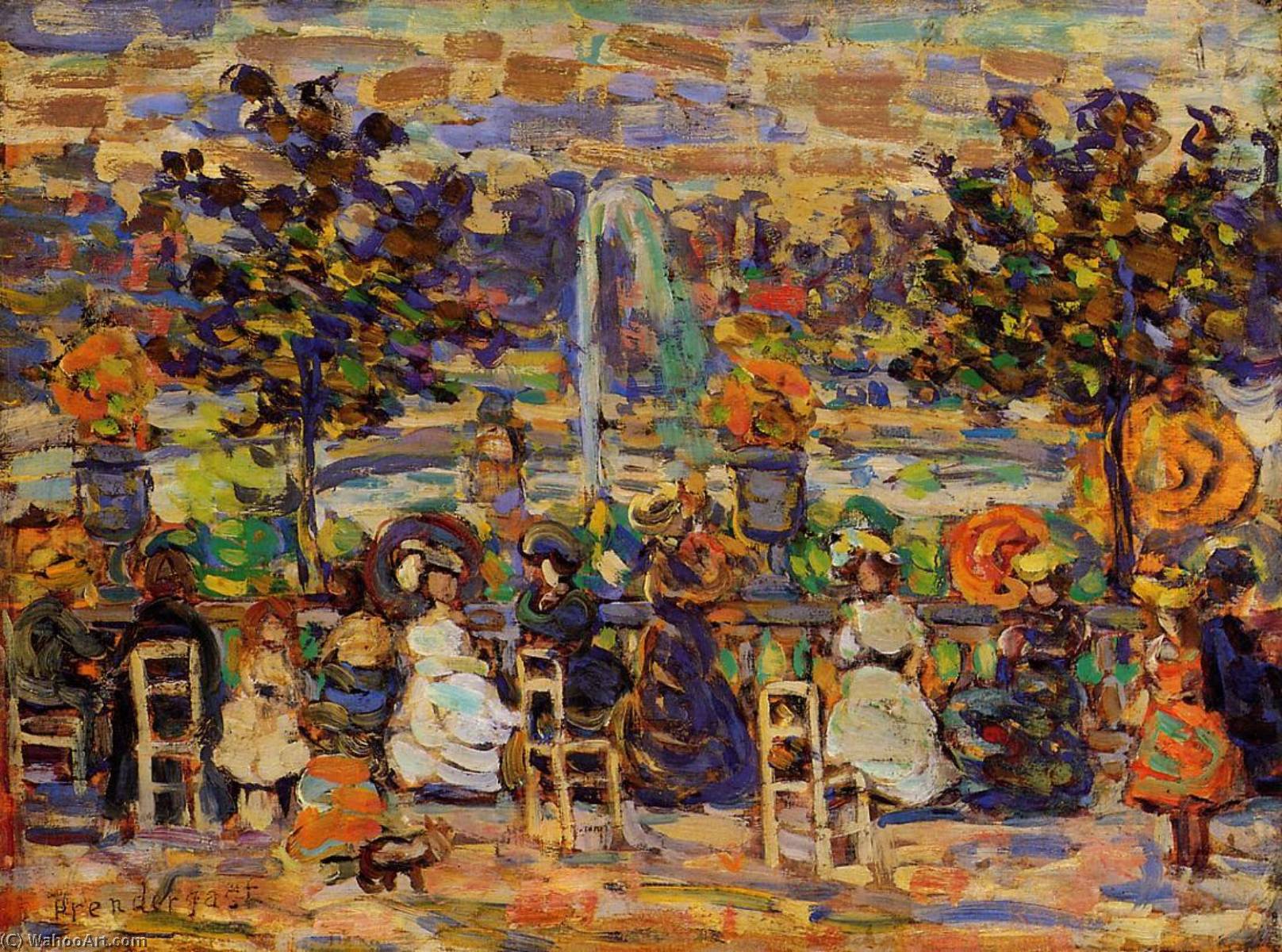
In Luxembourg Gardens


 Ver más
Reproducción al óleo hecha a mano
Óleo sobre lienzo pintado a mano en el tamaño y marco de su elección, realizado por encargo por nuestros artistas. ( Comprar impresión Comprar imagen)




P118B $10

P118H $10

P118W $10

P438Z $10

P508JH $12

P508YH $12

P805H $10

P805Z $10

P919BZ $10

P919G $10

P919XJ $10

P959ZH $10

P968JZ $12

W106C $8

W218G $10

W218JH $8

W218Y $10

W307PJ $10

W316G $10

W316PJ $8

W316Y $10

W398PJ $8

W4111J $10

W500HY $15

W500JH $15

W692G $12

W849H $8

W940BG $15

W953PJ $8




Elija entre nuestros tamaños predefinidos que respetan las proporciones originales de la obra.

Puede ingresar sus propias dimensiones para adaptarse a un marco o espacio específico. Si el tamaño seleccionado no coincide con las proporciones de la imagen original, recortaremos la obra o extenderemos la pintura con elementos adicionales pintados a mano. Se le enviará una maqueta digital para su aprobación antes de comenzar la producción.
Tenga en cuenta que la vista previa en pantalla no refleja el recorte o la extensión reales. Solo la maqueta mostrará con precisión la composición final.
Si bien existen tamaños personalizados, recomendamos seleccionar una dimensión de la lista predefinida para preservar las proporciones originales.
Tras realizar el pedido, el equipo de ArtsDot.com enviará un correo electrónico al cliente para solicitar instrucciones y proporcionarle una vista previa del boceto.
Envío a todo el mundo () en 3-4 semanas en lugar de las 5 semanas estándar. (25 agosto). Sin comprometer la calidad.

Envío exprés gratuito a todo el mundo

Lienzo de lino de alta calidad

Seguro de envío total

Garantía de reembolso de impuestos aduaneros

Garantía de fidelidad cromática exacta

Política de devolución de 60 días (solo por defectos)

Garantía de devolución del 100% del dinero

Descuento por cantidad
 La opción de vidrio solo está disponible en tamaños inferiores a 110 cm.

In Luxembourg Gardens
Técnica de reproducción
Dimensiones de la reproducción
-


Precio total final
$ 263
Descripción de la obra
A Moment Frozen in Light: Maurice Brazil Prendergast’s Luxembourg Gardens
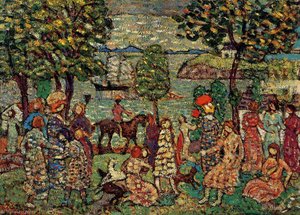
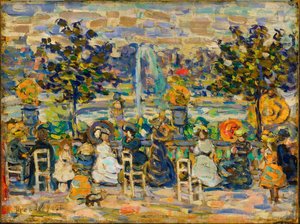
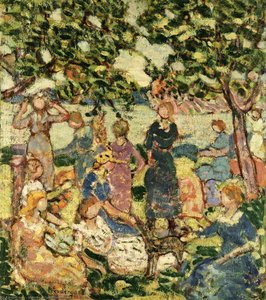
Maurice Brazil Prendergast's "In Luxembourg Gardens" isn’t merely a depiction of a Parisian park; it’s an embodiment of Impressionism’s quest to capture fleeting sensations—the dappled sunlight filtering through the leaves, the murmur of conversation amongst visitors, and the serene stillness of afternoon repose. Painted in 1907, this canvas exemplifies Prendergast's signature style: luminous color palettes blended with loose brushstrokes that prioritize atmosphere over meticulous detail. He eschewed academic conventions entirely, prioritizing instead what he termed “the feeling of a place,” mirroring the broader artistic movement’s rejection of realism in favor of subjective experience.The Canvas Speaks Volumes
The composition itself is deceptively simple. Several chairs and benches are strategically positioned within the garden's expanse, drawing the eye towards figures seated comfortably amidst the greenery. Prendergast skillfully utilizes a palette dominated by greens—ranging from deep emerald to pale lime—creating an immersive visual environment that transports the viewer back to early 20th-century Paris. Notice how he employs complementary colors – splashes of warm yellows and oranges – to highlight certain areas, adding vibrancy and dynamism to the tranquil scene. These subtle tonal shifts aren’t intended to represent literal objects but rather to convey emotional resonance—a sense of warmth, contentment, and connection with nature.Technique: Light as Medium
Prendergast's technique is characterized by rapid layering of paint – a hallmark of Impressionist practice – allowing him to achieve remarkable luminosity. He applied thin washes of color onto the canvas, building up texture gradually through successive strokes. The brushstrokes themselves are visible, contributing to the overall impression of spontaneity and immediacy. Unlike artists who strive for smooth surfaces, Prendergast embraced imperfections as integral to his artistic vision, reflecting a belief that beauty resides not in flawless representation but in capturing the essence of a moment. This approach aligns perfectly with the Impressionists’ fascination with optical phenomena—the way light interacts with color and surface—demonstrating their commitment to scientific observation combined with artistic intuition.Historical Context: Paris at Its Belle Époque Zenith
“In Luxembourg Gardens” sits firmly within the Belle Époque, a period of unprecedented optimism and cultural flourishing in France. The garden itself was established in 1847 by Louise-Hippolyte Edelmann de Villeneuve, Princess of Monaco, as a gift to commemorate Queen Victoria’s visit to Paris—a gesture symbolizing Franco-British friendship and celebrating the grandeur of European civilization. Prendergast's painting captures this spirit of celebration, portraying Parisians enjoying leisure activities in one of the city’s most iconic spaces. The garden served as a focal point for artistic creativity during this era, attracting painters like Monet, Renoir, and Sisley who sought to document its beauty with unparalleled accuracy.Symbolism Beyond Surface Beauty
Beyond its visual splendor, “In Luxembourg Gardens” carries symbolic weight. The benches represent social interaction and communal experience—a core theme of Impressionist art. The umbrellas symbolize protection from the sun’s glare but also serve as a visual motif, echoing the delicate interplay of light and shadow that defines Prendergast's style. Ultimately, however, the painting speaks to a deeper yearning for tranquility and beauty—values that resonated powerfully with audiences at the time and continue to inspire viewers today. It is a testament to Prendergast’s ability to transform a simple landscape into an emotionally evocative masterpiece.Emotional Resonance: A Quiet Celebration
The overall emotional impact of “In Luxembourg Gardens” is one of serene contemplation. The painting invites us to pause, breathe deeply, and savor the beauty of the natural world—a sentiment that aligns perfectly with the Impressionists’ desire to convey subjective experience. It's a scene brimming with warmth and contentment, capturing a fleeting moment of joy amidst the everyday rhythms of Parisian life. Prendergast’s masterful use of color and brushstroke ensures that this feeling persists long after viewing the artwork, cementing its place as an enduring symbol of Impressionistic idealism.Obras relacionadas
Biografía del artista
Vida Temprana y Formación
Maurice Brazil Prendergast, un destacado artista canadiense-americano, nació el 10 de octubre de 1858 en St. John's, Terranova, Canadá. Su hermana gemela, Lucy, y él formaban parte de una familia que operaba un puesto comercial subártico. Tras el fracaso del puesto comercial, la familia se mudó a Boston, donde Prendergast creció en el South End. Fue aprendiz de un artista comercial cuando era joven, lo que condicionó sus efectos característicos de patrones planos y colores brillantes en su obra madura.Influencias Artísticas y Estilo
El estilo de Prendergast fue influenciado por el impresionista de Boston, Childe Hassam. Estudió en París desde 1891 hasta 1895 en la Académie Colarossi con Gustave Courtois y Jean-Joseph Benjamin-Constant, y en la Académie Julian. Sus vínculos con "The Eight", un grupo de artistas estadounidenses, no definieron su estilo, que estuvo más alineado con el postimpresionismo. Su obra se caracteriza por una técnica de mosaico, utilizando pequeños toques de color para crear imágenes vibrantes y llenas de luz. A menudo representaba escenas urbanas bulliciosas, playas concurridas y momentos de ocio, capturando la energía de la vida moderna en Estados Unidos.Obras Destacadas y Exposiciones
* Las inventivas acuarelas de Maurice Brazil Prendergast de Venecia se encuentran entre sus obras más apreciadas en la actualidad. (Ejemplo: vea las obras de Prendergast en ArtsDot) * Exhibió en las Macbeth Galleries en 1908 con The Eight, un grupo que incluía a William Glackens, Robert Henri y John French Sloan. * La obra de Prendergast fue destacada en la histórica Exposición Armory Show de 1913, presentando ejemplos de su madurez estilística. Obras como "Crescent Beach" y "Ladies in a Seaside Arbor" ejemplifican su habilidad para capturar la luz y el movimiento en escenas costeras.Legado y Vida Posterior
A pesar de sus problemas de salud, Prendergast continuó exhibiendo en importantes exposiciones durante toda su vida. Permaneció soltero y desarrolló un fuerte apego a su hermano menor, Charles Prendergast, también pintor postimpresionista. La primera exposición conmemorativa de Prendergast en Nueva York se llevó a cabo diez años después de su muerte en el Whitney Museum of American Art. Su contribución al arte americano radica en su interpretación única del impresionismo y el postimpresionismo, fusionando elementos de ambos estilos para crear una estética distintiva que refleja la vida moderna estadounidense. Su uso innovador del color y su enfoque en escenas cotidianas lo convierten en un artista importante dentro del panorama artístico del siglo XX.- Descubra más sobre The Eight y su impacto en el arte americano
- Explore la obra de Maurice Brazil Prendergast en el Metropolitan Museum of Art, Nueva York (vea las obras de Prendergast en ArtsDot)
- Aprenda más sobre el postimpresionismo y su influencia en el arte moderno en el directorio de artistas de ArtsDot
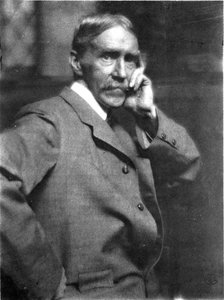
Maurice Brazil Prendergast
1858 - 1924 , Canadá
Datos clave
- Artistas Que Influyeron: ['Childe Hassam']
- Fecha De Fallecimiento: 1924
- Fecha De Nacimiento: 10 de octubre de 1858
- Lugar De Nacimiento: St. John's, Canadá
- Movimiento Artístico O Estilo: Postimpresionismo
- Nacionalidad: Canadiense-estadounidense
- Nombre Completo: Maurice Brazil Prendergast
- Obras Notables:
- Crescent Beach (St. Malo)
- Estudio, St. Malo, No. 12
- Un día oscuro
- El paseo marítimo
- Bañistas
- Damas en un arbolado costero
- El picnic
- Ninfa marina
- Bajo los árboles
- Niña sentada
Artículos relacionados
Cultivating Paradise: A Historical & Artistic Exploration of Gardens in Painting
Explore the rich history of gardens in painting! Discover masterpieces from Renaissance to Impressionism & beyond. Learn about symbolism, artists like Monet & Klimt, and find your perfect artwork at ArtsDot.
Maurice Prendergast: Pioneering Abstraction & the Poetics of Modern American Life
Explore the captivating world of Maurice Brazil Prendergast, a pioneer of American Modernism. Discover his unique mosaic style, influence on abstract art, and investment potential. Expert analysis & collecting guide.

Impresionismo: 10 Obras Maestras que Capturan la Luz y el Momento
Descubre 10 obras maestras del impresionismo de Monet, Renoir y Degas. Explora la luz, el color y las historias detrás de estos icónicos cuadros. Reproducciones de arte en ArtsDot.com para decorar tu hogar con estilo.
Los 10 Maestros del Impresionismo: Obras que Revolucionaron el Arte y la Decoración
Descubre los 10 cuadros más emblemáticos del Impresionismo con Monet, Renoir y Degas. Explora la historia, técnica y belleza de estas obras maestras. Reproducciones de arte en para decorar tu hogar con estilo.

Paul Cézanne: Las 25 Obras Maestras que Definieron el Arte Moderno | ArtsDot
Descubre las 25 obras maestras de Paul Cézanne que revolucionaron el arte moderno. Explora su técnica, inspiración y significado en paisajes, bodegones y retratos. Reproducciones de alta calidad para decorar tu hogar con arte inolvidable. ¡Explora la colección completa en ArtsDot.com!