 Ver en contexto
 Enviar
 Compartir
 Detalles

 Descargar
 Similares
 Radiografía
 Presentación de diapositivas
New England Village
 Watercolor
- WallArt
- Post-Impressionism
 1919
1919 39.0 x 45.0 cm
 Ver más
Reproducción al óleo hecha a mano
Óleo sobre lienzo pintado a mano en el tamaño y marco de su elección, realizado por encargo por nuestros artistas. ( Comprar impresión Comprar imagen)




P118B $10

P118H $10

P118W $10

P438Z $10

P508JH $12

P508YH $12

P805H $10

P805Z $10

P919BZ $10

P919G $10

P919XJ $10

P959ZH $10

P968JZ $12

W106C $8

W218G $10

W218JH $8

W218Y $10

W307PJ $10

W316G $10

W316PJ $8

W316Y $10

W398PJ $8

W4111J $10

W500HY $15

W500JH $15

W692G $12

W849H $8

W940BG $15

W953PJ $8




Elija entre nuestros tamaños predefinidos que respetan las proporciones originales de la obra.

Puede ingresar sus propias dimensiones para adaptarse a un marco o espacio específico. Si el tamaño seleccionado no coincide con las proporciones de la imagen original, recortaremos la obra o extenderemos la pintura con elementos adicionales pintados a mano. Se le enviará una maqueta digital para su aprobación antes de comenzar la producción.
Tenga en cuenta que la vista previa en pantalla no refleja el recorte o la extensión reales. Solo la maqueta mostrará con precisión la composición final.
Si bien existen tamaños personalizados, recomendamos seleccionar una dimensión de la lista predefinida para preservar las proporciones originales.
Tras realizar el pedido, el equipo de ArtsDot.com enviará un correo electrónico al cliente para solicitar instrucciones y proporcionarle una vista previa del boceto.
Envío a todo el mundo () en 3-4 semanas en lugar de las 5 semanas estándar. (23 agosto). Sin comprometer la calidad.

Envío exprés gratuito a todo el mundo

Lienzo de lino de alta calidad

Seguro de envío total

Garantía de reembolso de impuestos aduaneros

Garantía de fidelidad cromática exacta

Política de devolución de 60 días (solo por defectos)

Garantía de devolución del 100% del dinero

Descuento por cantidad
 La opción de vidrio solo está disponible en tamaños inferiores a 110 cm.

New England Village
Técnica de reproducción
Dimensiones de la reproducción
-


Precio total final
$ 263
Descripción de la obra
A Glimpse into Early Twentieth-Century Serenity
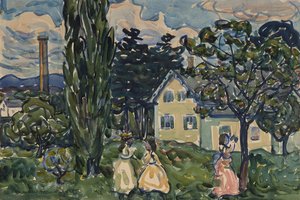
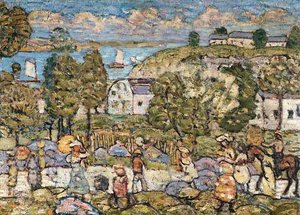
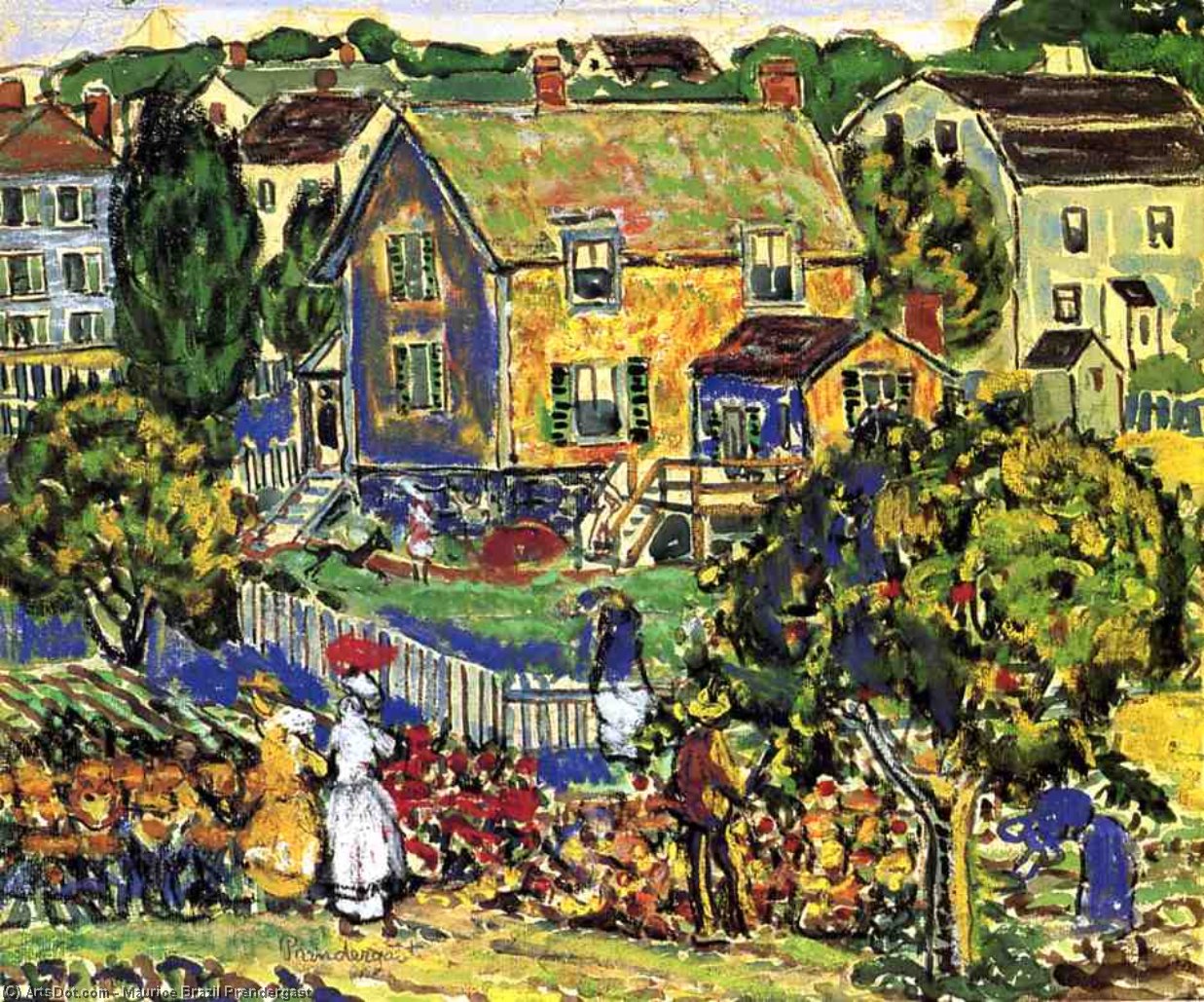
Maurice Brazil Prendergast’s watercolor, New England Village, is more than just a depiction of quaint architecture; it is an immersion into a moment suspended in time. Created in 1919, this piece captures the gentle rhythm of life within a small New England community. One can almost hear the soft sounds of footsteps echoing on cobblestones and feel the subtle breeze rustling through the surrounding foliage. The scene unfolds with a quiet grace, centering around the picturesque daily routines of its inhabitants.
Mastery in Watercolor Technique
The choice of watercolor medium is crucial to the painting's ethereal quality. Prendergast employs soft colors and delicate brushstrokes that lend an undeniable air of serenity to every corner of the village. This technique allows the light itself to become a primary subject, diffusing across the varied surfaces of the houses and trees. Observe the woman traversing the street with her umbrella; this single figure introduces a beautiful sense of movement against the static backdrop of enduring stone and wood. The interplay between the soft washes of color and the defined structures speaks volumes about the artist's technical skill.
Architectural Echoes and Human Connection
The village itself is a tapestry of regional character, showcasing diverse architectural styles, including a structure reminiscent of a rustic barn. These varied dwellings ground the scene in a tangible history, offering a window into early 20th-century American life. Yet, the painting never feels purely documentary. The presence of other figures, some carrying handbags, injects a vital human element. It is this delicate balance—between the permanence of the setting and the fleeting passage of people—that gives the artwork its profound emotional resonance.
A Post-Impressionist Heartbeat
While rooted in a specific locale, New England Village resonates with the broader currents of Post-Impressionism. Like the works of masters such as Van Gogh, Prendergast uses color and pattern not merely to record what he saw, but to evoke how it felt to be there. The harmony achieved between nature—the lush trees—and human habitation suggests a deep appreciation for place. For those seeking an artwork that whispers tales of history while radiating calm, this piece offers both intellectual depth and immediate visual comfort.
Bringing the Village Home
Owning a reproduction of New England Village allows one to curate a corner of timeless tranquility within a modern space. Whether displayed in a sunlit parlor or an entryway hall, its soft palette and narrative charm act as a gentle anchor for any interior design scheme. It is a piece that invites contemplation, encouraging the viewer to slow down and appreciate the quiet beauty found in everyday moments.
Obras relacionadas

Biografía del artista
Vida Temprana y Formación
Maurice Brazil Prendergast, un destacado artista canadiense-americano, nació el 10 de octubre de 1858 en St. John's, Terranova, Canadá. Su hermana gemela, Lucy, y él formaban parte de una familia que operaba un puesto comercial subártico. Tras el fracaso del puesto comercial, la familia se mudó a Boston, donde Prendergast creció en el South End. Fue aprendiz de un artista comercial cuando era joven, lo que condicionó sus efectos característicos de patrones planos y colores brillantes en su obra madura.Influencias Artísticas y Estilo
El estilo de Prendergast fue influenciado por el impresionista de Boston, Childe Hassam. Estudió en París desde 1891 hasta 1895 en la Académie Colarossi con Gustave Courtois y Jean-Joseph Benjamin-Constant, y en la Académie Julian. Sus vínculos con "The Eight", un grupo de artistas estadounidenses, no definieron su estilo, que estuvo más alineado con el postimpresionismo. Su obra se caracteriza por una técnica de mosaico, utilizando pequeños toques de color para crear imágenes vibrantes y llenas de luz. A menudo representaba escenas urbanas bulliciosas, playas concurridas y momentos de ocio, capturando la energía de la vida moderna en Estados Unidos.Obras Destacadas y Exposiciones
* Las inventivas acuarelas de Maurice Brazil Prendergast de Venecia se encuentran entre sus obras más apreciadas en la actualidad. (Ejemplo: vea las obras de Prendergast en ArtsDot) * Exhibió en las Macbeth Galleries en 1908 con The Eight, un grupo que incluía a William Glackens, Robert Henri y John French Sloan. * La obra de Prendergast fue destacada en la histórica Exposición Armory Show de 1913, presentando ejemplos de su madurez estilística. Obras como "Crescent Beach" y "Ladies in a Seaside Arbor" ejemplifican su habilidad para capturar la luz y el movimiento en escenas costeras.Legado y Vida Posterior
A pesar de sus problemas de salud, Prendergast continuó exhibiendo en importantes exposiciones durante toda su vida. Permaneció soltero y desarrolló un fuerte apego a su hermano menor, Charles Prendergast, también pintor postimpresionista. La primera exposición conmemorativa de Prendergast en Nueva York se llevó a cabo diez años después de su muerte en el Whitney Museum of American Art. Su contribución al arte americano radica en su interpretación única del impresionismo y el postimpresionismo, fusionando elementos de ambos estilos para crear una estética distintiva que refleja la vida moderna estadounidense. Su uso innovador del color y su enfoque en escenas cotidianas lo convierten en un artista importante dentro del panorama artístico del siglo XX.- Descubra más sobre The Eight y su impacto en el arte americano
- Explore la obra de Maurice Brazil Prendergast en el Metropolitan Museum of Art, Nueva York (vea las obras de Prendergast en ArtsDot)
- Aprenda más sobre el postimpresionismo y su influencia en el arte moderno en el directorio de artistas de ArtsDot
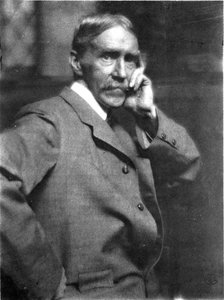
Maurice Brazil Prendergast
1858 - 1924 , Canadá
Datos clave
- Artistas Que Influyeron: ['Childe Hassam']
- Fecha De Fallecimiento: 1924
- Fecha De Nacimiento: 10 de octubre de 1858
- Lugar De Nacimiento: St. John's, Canadá
- Movimiento Artístico O Estilo: Postimpresionismo
- Nacionalidad: Canadiense-estadounidense
- Nombre Completo: Maurice Brazil Prendergast
- Obras Notables:
- Crescent Beach (St. Malo)
- Estudio, St. Malo, No. 12
- Un día oscuro
- El paseo marítimo
- Bañistas
- Damas en un arbolado costero
- El picnic
- Ninfa marina
- Bajo los árboles
- Niña sentada
Artículos relacionados

Acuarelas Legendarias: 10 Obras Maestras que Transformaron el Arte | ArtsDot
Descubre 10 acuarelas legendarias de Turner, Monet y Sargent que revolucionaron el arte. Explora la historia, técnica y belleza de estas obras maestras impresionistas y románticas. Reproducciones de museo en ArtsDot.com.

Ephemeral Visions: Exploring the Artistic Legacy & Contemporary Practice of Watercolor Painting
Explore the captivating world of watercolor painting! Discover its rich history, essential techniques, influential artists & collecting tips. A comprehensive guide for art enthusiasts from ArtsDot.

Visiones Efímeras: Historia y Resonancia Emocional de la Pintura Acuarela
Descubre la fascinante historia de la acuarela, desde sus orígenes hasta su expresión contemporánea. Explora técnicas, artistas clave como Paul Klee y encuentra reproducciones de alta calidad en ArtsDot.
Ephemeral Visions: Exploring the Artistic Legacy & Nuances of Watercolor Painting
Explore the captivating world of watercolor painting! Discover its rich history, essential techniques, influential artists & collecting tips from art experts. A comprehensive guide for enthusiasts.

La Fascinación Duradera de la Acuarela: Historia, Técnicas y Práctica Contemporánea
Descubre la fascinante historia y las técnicas de la acuarela. Explora obras maestras, aprende con expertos y encuentra reproducciones o comisiones personalizadas en .