Menú
Ver en contextoVer en contexto Vista previa en RAVista previa en RA Cambiar a Impresión Cambiar a ImpresiónComprar pintura hecha a mano Comprar pintura hecha a mano EnviarEnviar
DetallesDetalles Añadir a favoritos Añadir a favoritos DescargarDescargar SimilaresSimilares RadiografíaRadiografía Presentación de diapositivasPresentación de diapositivas EstadísticasEstadísticas

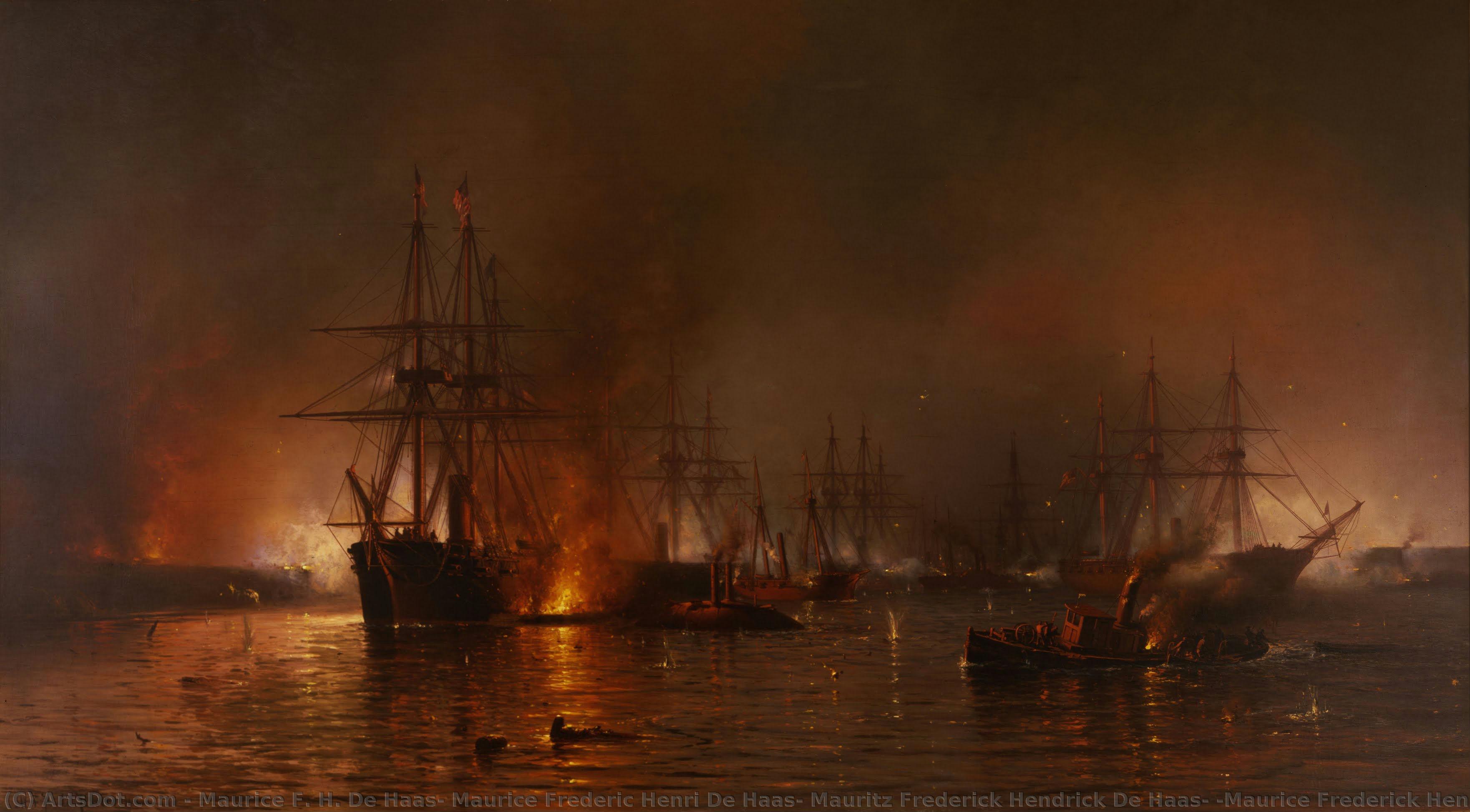
Farragut

Dutch Impressionist Maurice F.H. de Haas captured the serene beauty of Dutch landscapes and intimate interiors with a delicate touch; discover his evocative paintings and experience the tranquility of 19th-century Holland.

Adquiera una imagen digital de alta resolución y optimizada, muy superior a la vista previa en línea.

Cada archivo es preparado meticulosamente por nuestros especialistas internos mediante el uso de herramientas avanzadas y un experto retoque manual. Nos aseguramos de que cada imagen posea una claridad excepcional, una precisión cromática impecable y un detalle minucioso.

El archivo final se entrega por correo electrónico en un plazo de 72 horas, optimizado para su uso inmediato en entornos profesionales, editoriales y de impresión. Esta es la misma calidad en la que confían los estudios de diseño, las editoriales y las galerías de primer nivel.

Imagen Digital

Descarga un archivo de alta resolución para exhibición personal, impresión y proyectos creativos. (Cambiar a Impresión Cambiar a ImpresiónComprar pintura hecha a mano Comprar pintura hecha a mano)

Precio total

$ 24,00

Incluido en cada pedido de imágenes digitales

Entrega digital experta, garantizada.

Al elegir ArtsDot.com, no solo está adquiriendo una imagen; está recibiendo una obra de arte digital mejorada profesionalmente, elaborada con precisión y respaldada por una garantía de satisfacción. Esto es todo lo que incluye su pedido, automáticamente:

shipping_icon
Entrega rápida por email

Recibirá su archivo de imagen digital en alta resolución por correo electrónico en un plazo de 72 horas tras realizar su pedido, listo para su uso inmediato.

canvas_icon
Archivo digital optimizado por IA

Su obra de arte se optimiza profesionalmente mediante herramientas avanzadas de IA y edición manual, garantizando el máximo detalle, claridad y precisión cromática.

insurance_icon
Reenvío gratuito de por vida

¿Has borrado o perdido tu archivo por error? No te preocupes: te lo volveremos a enviar en cualquier momento, sin coste adicional.

tax_icon
Sin gastos de importación, siempre

Disfrute de su obra de arte al instante sin aduanas, aranceles ni gastos de envío; las descargas digitales siempre están libres de impuestos.

color_icon
Garantía de fidelidad de color

Garantizamos que su imagen digital refleje los colores originales con la mayor fidelidad posible, mediante el uso de herramientas profesionales y gestión del color.

return_icon
Garantía de satisfacción de 100 días

Si no está satisfecho con su imagen digital, la revisaremos o le reembolsaremos el 100% en un plazo de 100 días, sin preguntas.

guarantee_icon
100% Garantía de devolución de dinero

¿No está satisfecho? Obtenga un reembolso completo dentro de los 100 días posteriores a la recepción de su archivo digital, sin preguntas.

discount_icon
Descuentos por pedidos grandes

Compra 3 imágenes, ahorra 10% - Compra 5, ahorra 15% - Compra 10+, ahorra 20%. Ideal para proyectos creativos, galerías y agencias.


Biografía del artista

The Enigmatic Landscapes of Maurice F. H. De Haas

Maurice F. H. De Haas remains a somewhat elusive figure in the pantheon of 19th and early 20th-century landscape painters, despite a body of work characterized by its atmospheric depth, subtle color palettes, and profound sense of tranquility. Born in , his life details are sparsely documented, contributing to the mystique surrounding his art. What *is* known suggests a dedication to capturing the fleeting moods of nature, particularly the evocative light and expansive skies that define much of his oeuvre. He wasn’t a painter who sought grand narratives or dramatic events; instead, De Haas found beauty in the quiet contemplation of the natural world, meticulously rendering scenes often imbued with a melancholic stillness. His artistic journey unfolded during a period of significant change – the transition from Romanticism to Impressionism and beyond – yet he carved out a unique space for himself, resisting easy categorization.

Early Influences and Artistic Development

De Haas’s early training remains largely unknown, but scholars posit influences stemming from the Dutch Romantic landscape tradition, particularly artists like Jacob van Ruisdael and Aert van der Neer. These masters instilled a deep appreciation for atmospheric perspective, detailed observation of cloud formations, and the use of light to create mood. However, De Haas’s work also reveals an affinity for the Barbizon school painters – Théodore Rousseau and Jean-François Millet – who championed *plein air* painting and a realistic depiction of rural life. It's likely he travelled extensively throughout Europe, absorbing these diverse influences firsthand. His early paintings demonstrate a meticulous technique, focusing on precise rendering of trees, fields, and waterways. Over time, his brushwork loosened, and his palette became more subdued, moving away from the detailed realism of his predecessors towards a more impressionistic approach focused on capturing the *impression* of light and atmosphere rather than strict topographical accuracy. This evolution wasn’t abrupt; it was a gradual refinement of his artistic vision, driven by a desire to convey not just what he saw, but how it felt to be present in those landscapes.

Themes and Techniques: A Symphony of Light and Shadow

The dominant theme throughout De Haas's career is the landscape – specifically, scenes of rural tranquility often featuring expansive skies, bodies of water (rivers, lakes, canals), and gently rolling hills. He rarely included figures in his compositions, emphasizing instead the power and beauty of nature itself. His technique is characterized by a masterful use of glazing, building up layers of thin paint to create luminous effects and subtle color transitions. This layering process resulted in paintings that possess an extraordinary depth and atmospheric quality. De Haas was particularly adept at capturing the nuances of light – the golden glow of sunset, the soft haze of dawn, the dramatic shadows cast by storm clouds. He employed a limited palette, favoring muted tones of blues, greens, browns, and grays, which further enhanced the sense of tranquility and melancholic beauty in his work. His paintings are not about vibrant spectacle; they’re about quiet observation and emotional resonance. The subtle interplay of light and shadow is crucial to understanding his artistic intent – it's through these delicate gradations that he evokes a specific mood or atmosphere, inviting the viewer to share in his contemplative experience.

Recognition and Legacy

While De Haas enjoyed some recognition during his lifetime, exhibiting at various galleries across Europe, he never achieved widespread fame. His work was appreciated by collectors who valued its quiet beauty and technical skill, but it often remained overshadowed by the more flamboyant styles of his contemporaries. Today, however, there is a growing appreciation for his unique contribution to landscape painting. His paintings are increasingly sought after by museums and private collectors alike. De Haas’s legacy lies in his ability to capture the essence of nature with remarkable sensitivity and skill. He wasn't interested in making grand statements or pushing artistic boundaries; instead, he focused on perfecting a particular vision – a vision that celebrates the beauty of the natural world and invites contemplation and emotional connection. His work serves as a reminder that true artistry lies not in innovation alone, but in the ability to convey profound meaning through subtle observation and masterful technique. He continues to inspire artists and art lovers who seek solace and tranquility in the quiet beauty of the landscape.