 Ver en contexto
 Enviar
 Compartir
 Detalles

 Descargar
 Similares
 Radiografía
 Presentación de diapositivas
Portrait of Nicole Richard as Child
 Acrylic On Canvas
- WallArt
- Rococo Portraiture
 1748
1748 454.0 x 358.0 cm
 Museo del Louvre
 Ver más
Reproducción al óleo hecha a mano
Óleo sobre lienzo pintado a mano en el tamaño y marco de su elección, realizado por encargo por nuestros artistas. ( Comprar impresión Comprar imagen)




P118B $10

P118H $10

P118W $10

P438Z $10

P508JH $12

P508YH $12

P805H $10

P805Z $10

P919BZ $10

P919G $10

P919XJ $10

P959ZH $10

P968JZ $12

W106C $8

W218G $10

W218JH $8

W218Y $10

W307PJ $10

W316G $10

W316PJ $8

W316Y $10

W398PJ $8

W4111J $10

W500HY $15

W500JH $15

W692G $12

W849H $8

W940BG $15

W953PJ $8




Elija entre nuestros tamaños predefinidos que respetan las proporciones originales de la obra.

Puede ingresar sus propias dimensiones para adaptarse a un marco o espacio específico. Si el tamaño seleccionado no coincide con las proporciones de la imagen original, recortaremos la obra o extenderemos la pintura con elementos adicionales pintados a mano. Se le enviará una maqueta digital para su aprobación antes de comenzar la producción.
Tenga en cuenta que la vista previa en pantalla no refleja el recorte o la extensión reales. Solo la maqueta mostrará con precisión la composición final.
Si bien existen tamaños personalizados, recomendamos seleccionar una dimensión de la lista predefinida para preservar las proporciones originales.
Tras realizar el pedido, el equipo de ArtsDot.com enviará un correo electrónico al cliente para solicitar instrucciones y proporcionarle una vista previa del boceto.
Envío a todo el mundo () en 3-4 semanas en lugar de las 5 semanas estándar. (31 agosto). Sin comprometer la calidad.

Envío exprés gratuito a todo el mundo

Lienzo de lino de alta calidad

Seguro de envío total

Garantía de reembolso de impuestos aduaneros

Garantía de fidelidad cromática exacta

Política de devolución de 60 días (solo por defectos)

Garantía de devolución del 100% del dinero

Descuento por cantidad
 La opción de vidrio solo está disponible en tamaños inferiores a 110 cm.

Portrait of Nicole Richard as Child
Técnica de reproducción
Dimensiones de la reproducción
-


Precio total final
$ 263
Portrait of Nicole Richard as Child: A Pastel Masterpiece by Maurice Quentin de La Tour
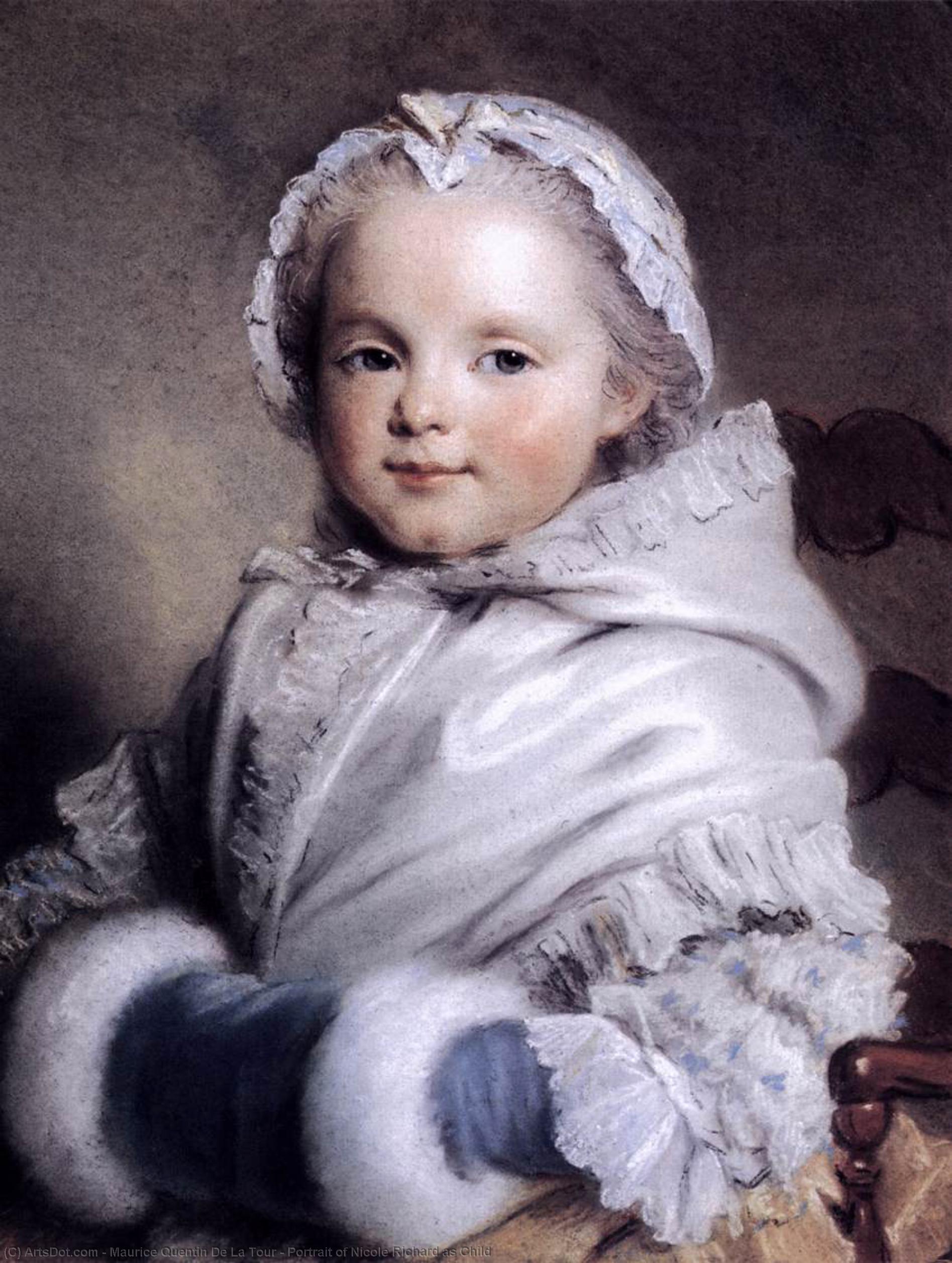
Maurice Quentin de La Tour’s “Portrait of Nicole Richard as Child,” painted in 1748, is more than just a charming depiction of youthful innocence; it's a remarkably intimate window into the Rococo era of French aristocratic life. This pastel portrait, measuring an impressive 454 x 358 cm, showcases de La Tour’s unparalleled skill in capturing character and emotion through delicate layers of color and subtle shading – techniques that firmly established him as one of the foremost portraitists of his time. The painting immediately draws the viewer in with Nicole Richard's radiant smile, a gesture both genuine and captivating, suggesting a personality brimming with curiosity and vitality despite her young age.
De La Tour’s mastery lies not just in replicating likeness but in conveying an inner world. Notice how he utilizes light to sculpt the girl’s face – a soft glow illuminating her cheekbones and highlighting the delicate curve of her lips. The subtle variations in pastel tone create a sense of depth, moving beyond mere representation to evoke a feeling of warmth and tenderness. The choice of pastel itself is significant; it was a relatively new medium at this time, favored for its ability to achieve luminous effects and capture fleeting expressions – qualities perfectly suited to de La Tour’s artistic vision.
Rococo Intimacy and Courtly Life
To fully appreciate “Portrait of Nicole Richard as Child,” we must understand the context in which it was created. The Rococo period, flourishing in 18th-century France, was characterized by a shift away from the grandeur of the Baroque era towards an atmosphere of elegance, frivolity, and intimate social gatherings. Portraits during this time were not simply records of appearance; they were carefully constructed statements about status, wealth, and social connections. De La Tour’s work exemplifies this trend, offering a glimpse into the refined world of French nobility.
The inclusion of the two figures in the background – a man standing behind Nicole and another further back – adds layers of narrative to the scene. While their identities remain somewhat enigmatic, they likely represent members of Nicole’s family or social circle, subtly reinforcing her position within this elite network. The simple chair or bench in the background provides a grounding element, anchoring the portrait within a domestic setting and suggesting a sense of comfort and familiarity.
Technique and Artistic Innovation
De La Tour's technique is truly remarkable. He was a pioneer in pastel painting, pushing the medium’s boundaries through his innovative layering and blending techniques. Unlike oil paints, pastels offer unparalleled control over color and tone, allowing for incredibly subtle gradations and delicate details. De La Tour expertly exploited this advantage, creating an image that feels both luminous and remarkably tactile – you can almost feel the softness of the pastel strokes.
Furthermore, de La Tour’s use of light is particularly noteworthy. He masterfully employs chiaroscuro—the contrast between light and dark—to create a sense of drama and depth. The subtle shadows that fall across Nicole's face not only define her features but also contribute to the overall mood of the portrait, imbuing it with an air of mystery and intrigue. His ability to capture fleeting expressions – like the slight upturn of Nicole’s lips – is a testament to his keen observational skills and artistic sensitivity.
Symbolism and Emotional Resonance
Beyond its technical brilliance, “Portrait of Nicole Richard as Child” resonates with profound emotional depth. The girl's youthful innocence and radiant smile evoke feelings of warmth, joy, and hope. The pearl necklace she wears—a symbol of purity and refinement—further emphasizes her privileged status and suggests a future filled with promise. De La Tour’s portrait is not merely a likeness; it’s an embodiment of the ideals of beauty, grace, and social harmony that defined the Rococo era.
Reproductions of this exquisite work offer a unique opportunity to bring this captivating scene into your home or office. ArtsDot's hand-painted reproductions faithfully capture the original’s delicate details and vibrant colors, allowing you to experience the artistry of Maurice Quentin de La Tour in stunning clarity. Whether you are an art enthusiast, collector, or simply seeking a touch of timeless elegance, this portrait is sure to be a cherished addition to any collection.
Obras relacionadas
Biografía del artista
Maurice Quentin de La Tour: Una Vida en Pastel
- Nacimiento: 5 de septiembre de 1704, Saint-Quentin, Francia
- Fallecimiento: 17 de febrero de 1788, Saint-Quentin, Picardía, Reino de Francia
- Conocido Por: Retratista rococó en pastel, capturando los rasgos de Voltaire, Luis XV y Madame de Pompadour.
Primeros Años y Desarrollo Artístico
- Maurice Quentin de La Tour nació en una familia musical; su padre, François de La Tour, era músico para el Duc du Maine. A pesar de las expectativas familiares iniciales, Maurice se dedicó a la pintura.
- Alrededor de 1724, se mudó a París, donde comenzó su carrera artística. Su formación temprana incluyó estudios con Jacques Spoede y un breve período en Rheims. Un viaje a Inglaterra en 1725 influyó aún más en su estilo.
- Sus primeros retratos, como el de Voltaire (1731), demostraron un talento emergente para capturar carácter y semejanza. Este retrato fue notablemente grabado por Langlois, lo que le brindó mayor reconocimiento.
Estilo Artístico y Obras Notables
- Dominio del Pastel: De La Tour es celebrado por su excepcional habilidad en el uso de pasteles. Empleó este medio para crear retratos con una suavidad y delicadeza notables, capturando sutiles matices de expresión y textura.
- Influencia Rococó: Su obra ejemplifica el estilo rococó, caracterizado por la elegancia, la gracia y un enfoque en representar a la sociedad de moda.
- Obras Notables:
- Retrato de Voltaire (1731) - Estableció su reputación temprano en su carrera.
- Autorretrato, Riéndose (c. 1737) – Muestra su capacidad para retratar la personalidad y el ingenio.
- Retrato de Madame de Pompadour – Una comisión significativa que demuestra su habilidad para capturar el parecido de una figura prominente.
- Retratos de Luis XV - Varios retratos del rey francés, lo que solidificó su posición en la corte.
- Exposiciones en el Salón: Exhibió regularmente en el Salón de París, mostrando una serie de 150 retratos durante tres décadas, lo que se convirtió en un punto culminante para los visitantes.
Reconocimiento y Vida Posterior
- Reconocimiento Real: En 1737, fue reconocido por la Academia Real de Pintura y Escultura. Más tarde se convirtió en retratista del rey en 1750.
- Filantropía: A medida que crecía su riqueza, de La Tour se dedicó a proyectos filantrópicos, fundando una escuela de dibujo en Saint-Quentin y apoyando a artistas empobrecidos.
- Desafíos de Salud Mental: Alrededor de 1773, experimentó un colapso nervioso, lo que provocó períodos de enfermedad mental y eventual retiro a su ciudad natal de Saint-Quentin.
Legado y Significado Histórico
- Los retratos de De La Tour son muy valorados por su perspicacia psicológica y brillantez técnica. Elevó el retrato en pastel a nuevas alturas, influyendo en generaciones posteriores de artistas.
- Su capacidad para capturar la esencia de sus sujetos: sus personalidades, inteligencia y estatus social, lo convirtió en uno de los retratistas más solicitados de su tiempo.
- Hoy en día, sus obras se conservan en prestigiosos museos de todo el mundo, incluido el Museo del Louvre, proporcionando valiosas perspectivas sobre la sociedad francesa y las prácticas artísticas del siglo XVIII.
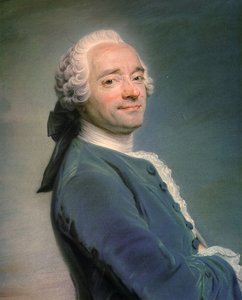
Maurice Quentin de La Tour
1704 - 1788 , Francia
Datos clave
- Fecha De Muerte: 17 de febrero de 1788
- Fecha De Nacimiento: 5 de septiembre de 1704
- Lugar De Nacimiento: Saint-Quentin, Francia
- Movimiento Artístico: Rococó
- Nacionalidad: Francés
- Nombre Completo: Maurice Quentin de La Tour
- Obras Notables:
- Retrato de Voltaire
- Autorretrato riendo
- Madame de Pompadour
- Retratos de Luis XV
Artículos relacionados
Maurice Quentin de La Tour: Light, Shadow & the Rococo Portrait
Explore the captivating world of Maurice Quentin de La Tour, a master of Rococo portraiture. Discover his innovative pastel techniques, intimate depictions of French aristocracy, and lasting artistic legacy. Learn more at ArtsDot.

Rococó: 10 Obras Maestras que Definieron una Época | Arte y Decoración en
Descubre las 10 obras maestras del Rococó que marcaron una época. Explora la elegancia de Fragonard, Boucher y Watteau en . Reproducciones de arte de calidad museo para decorar tu hogar con estilo.

La Estética Rococó: Opulencia, Rebelión y Placer en el Arte del Siglo XVIII
Descubre la fascinante estética rococó: su historia, características clave y los artistas más influyentes del siglo XVIII. Un análisis profundo para amantes del arte y coleccionistas.
The Subdued Radiance of Pastel: Exploring Nuance & Emotion in Art
Explore the nuanced world of pastel art! Discover its history, techniques & emotional power with expert insights from ArtsDot.com. Find museum-quality reproductions and learn about collecting this delicate medium.
La Sutileza del Pastel: Técnica, Historia y Resonancia Emocional en el Arte
Descubre la sutileza del pastel: técnica, historia y artistas clave como Degas y Renoir. Guías expertas sobre materiales, conservación y cómo expresar emociones a través de este bello arte.