 Ver en contexto
 Enviar
 Compartir
 Detalles

 Descargar
 Similares
 Radiografía
 Presentación de diapositivas
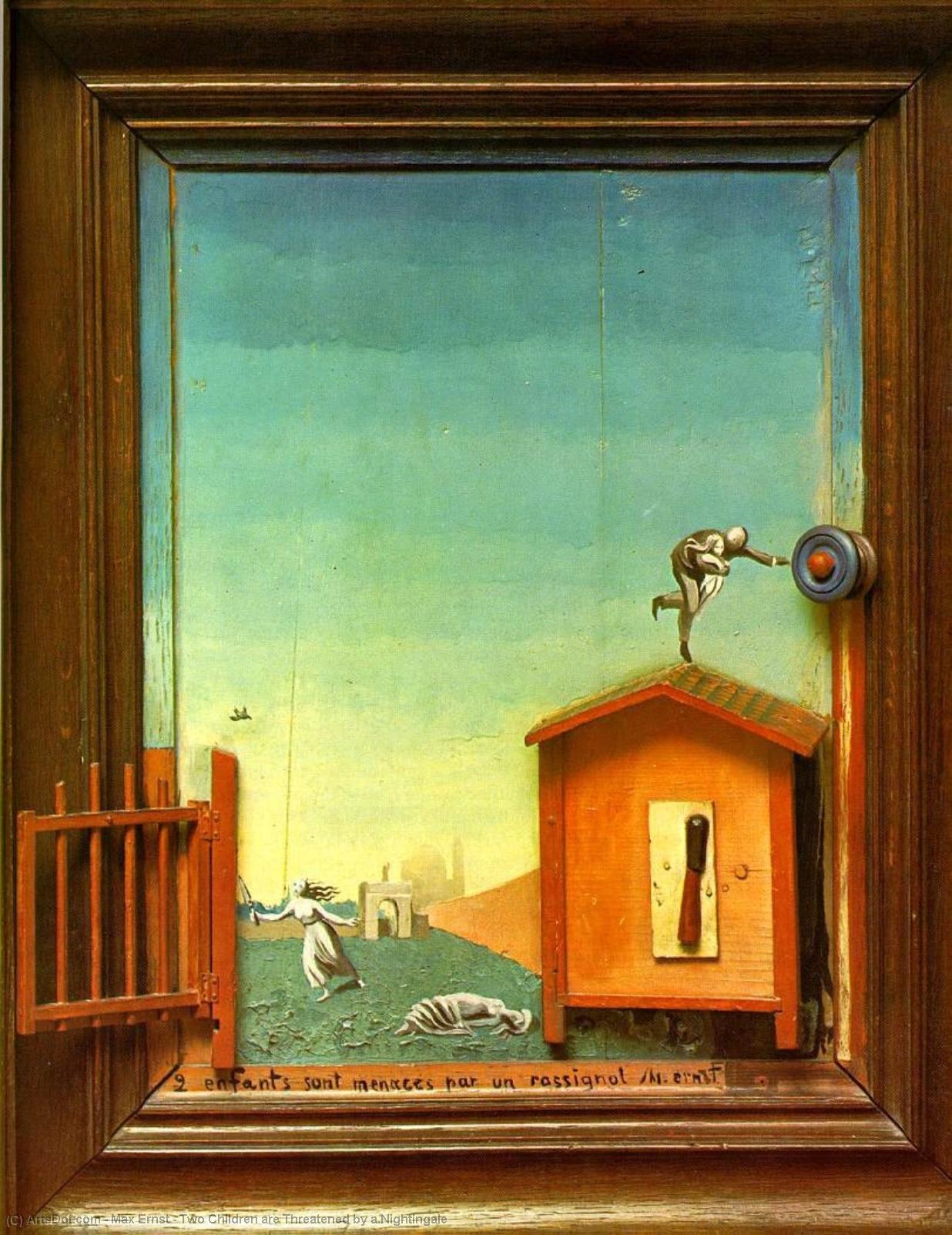
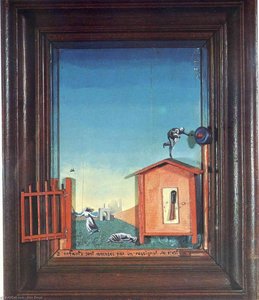
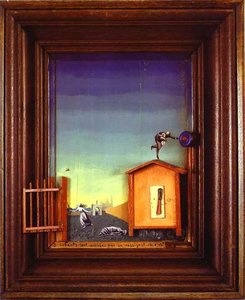
Dos niños están amenazados por un ruiseñuelo


 Ver más
Giclée / Impresión de arte
Impresiones giclée o en lienzo de calidad de museo con producción rápida y opciones de acabado flexibles. ( Comprar pintura hecha a mano Comprar imagen)




P118B $10

P118H $10

P118W $10

P438Z $10

P508JH $12

P508YH $12

P805H $10

P805Z $10

P919BZ $10

P919G $10

P919XJ $10

P959ZH $10

P968JZ $12

W106C $8

W218G $10

W218JH $8

W218Y $10

W307PJ $10

W316G $10

W316PJ $8

W316Y $10

W398PJ $8

W4111J $10

W500HY $15

W500JH $15

W692G $12

W849H $8

W940BG $15

W953PJ $8




Elija entre nuestros tamaños predefinidos que respetan las proporciones originales de la obra.

Puede introducir sus propias dimensiones para adaptarse a un marco o espacio específico. Si el tamaño seleccionado no coincide con las proporciones de la imagen original, recortaremos la obra de arte o extenderemos la imagen con un borde con efecto espejo o de color sólido. Se enviará una maqueta digital para su aprobación antes de que comience la producción.
Tenga en cuenta que la vista previa en pantalla no refleja el recorte o la extensión real. Solo la maqueta mostrará con precisión la composición final.
Aunque existen tamaños personalizados, recomendamos seleccionar una dimensión de la lista predefinida para preservar las proporciones originales.
Envío a todo el mundo () en 2 semanas en lugar de las 4/5 semanas estándar. (3 septiembre)

Envío exprés gratuito a todo el mundo

Lienzo de lino de alta calidad

Seguro de envío total

Garantía de reembolso de impuestos aduaneros

Garantía de fidelidad cromática exacta

Política de devolución de 60 días (solo por defectos)

Garantía de devolución del 100% del dinero

Descuento por cantidad
 La opción de vidrio solo está disponible en tamaños inferiores a 110 cm.

Dos niños están amenazados por un ruiseñuelo
Giclée / Impresión de arte
Dimensiones de la reproducción
-


Precio total final
$ 62
Two Children Are Threatened by a Nightingale
Max Ernst’s “Two Children Are Threatened by a Nightingale,” painted in 1924, stands as a cornerstone of Surrealist art—a mesmerizing enigma that continues to captivate viewers decades later. Created during the fervent crucible of André Robert Breton's movement, this artwork transcends mere visual representation; it delves into the subconscious mind and confronts us with unsettling juxtapositions designed to provoke contemplation. Ernst’s genius resided in his ability to fuse dreamlike imagery with recognizable elements, resulting in a composition brimming with symbolic depth and psychological resonance.The Artistic Context: Surrealism
Surrealism emerged as a defiant reaction against rational thought and artistic conventions of the early 20th century. Spearheaded by Breton, it championed the exploration of dreams, irrationality, and automatism—techniques aimed at bypassing conscious control and accessing primal impulses. Ernst’s painting embodies this ethos perfectly, mirroring the Surrealist preoccupation with confronting anxieties about sexuality and mortality. The movement sought to liberate creativity from the constraints of logic, prioritizing intuition and fantasy as pathways to artistic truth. As Breton famously declared, “The real is objective; it exists outside us.” Surrealists aimed to capture this elusive realm—the hidden depths of human experience—through unconventional methods.Composition and Symbolism
The artwork depicts two children positioned before a diminutive building adorned with a scarlet roof, their gaze fixed upwards toward an unseen presence. Ernst’s meticulous attention to detail is evident in the textured impasto technique he employs—a deliberate choice that enhances the painting's tactile quality and contributes to its dreamlike atmosphere. The background unfolds as a labyrinthine landscape populated by clocks, birds, and architectural fragments—each element imbued with symbolic significance. The proliferation of clocks underscores the manipulation of time—a recurring motif in Surrealist art—suggesting an awareness of mortality and the anxieties associated with linear progression. Simultaneously, the birds represent freedom yet simultaneously harbor the potential for danger—reflecting the paradoxical nature of human desire and vulnerability.Artistic Influences
Ernst’s artistic vision was profoundly shaped by his engagement with fellow innovators like Igor Stravinsky, whose groundbreaking ballet “The Rite of Spring” challenged musical norms and provoked a scandal upon its premiere. Like Stravinsky's audacious defiance of tradition, Ernst pushed boundaries within painting—rejecting academic realism in favor of expressive abstraction and collage techniques. Furthermore, Ernst’s fascination with Freud’s psychoanalytic theories fueled his exploration of the unconscious mind—a central preoccupation of Surrealism—and informed his artistic process. He meticulously analyzed dream imagery and employed automatistic methods to liberate subconscious ideas onto canvas.Conclusion
“Two Children Are Threatened by a Nightingale” remains an indelible testament to Ernst's pioneering contribution to Surrealist art. Its unsettling juxtaposition of figures and objects—combined with its masterful execution—continues to inspire artists and collectors alike. For those seeking to immerse themselves in the visionary world of Max Ernst, reproductions of this iconic artwork are available on ArtsDot.com, alongside explorations of Stravinsky’s musical legacy and Breton's seminal manifesto, “Surrealism.” This painting serves as a poignant reminder that art possesses the capacity to transcend rational understanding—inviting viewers into a realm where dreams intertwine with reality and where unsettling images provoke profound introspection. Explore more about Surrealism and Ernst’s artistic journey at /art/list/?Filter=A@D3CPSD-Surrealism-Art-Movement.Obras relacionadas
Biografía del artista
Max Ernst: Una Vida en el Surrealismo
Juventud y Educación
- Nacido: 1 de abril de 1891, en Brühl, Alemania.
- El padre de Ernst, Philipp Ernst, era maestro de sordos y pintor aficionado, fomentando el interés temprano de Max por el arte.
- Estudió filosofía, historia del arte, literatura, psicología y psiquiatría en la Universidad de Bonn desde 1909.
- Esta diversa formación académica influyó profundamente en sus posteriores exploraciones artísticas.
Desarrollo Artístico e Influencias
- Un momento decisivo fue la exposición Sonderbund en Colonia (1912), donde conoció obras de Pablo Picasso, Vincent van Gogh, y Paul Gauguin.
- En 1914, conoció a Hans Arp, comenzando una amistad que duró toda la vida e influyó significativamente en su trayectoria artística.
- La Primera Guerra Mundial impactó profundamente a Ernst; sus experiencias como soldado llevaron al desencanto y a una visión crítica de la sociedad.
- Se sintió influenciado por las obras de Sigmund Freud, explorando temas de la mente inconsciente en su arte.
Dada y Surrealismo
- Ernst se convirtió en una figura clave del grupo Dada de Colonia después de la Primera Guerra Mundial, rechazando las convenciones artísticas tradicionales.
- Pionero en técnicas innovadoras como frottage (frotar lápiz sobre superficies texturizadas) y grattage (raspar pintura para revelar capas subyacentes).
- En la década de 1920, se unió al movimiento Surrealista en París, colaborando con artistas como Paul Éluard.
- Su obra durante este período exploró imágenes oníricas y temas psicológicos.
Obras Principales y Técnicas
- Frottage: Una técnica utilizada para crear texturas e imágenes inesperadas, ejemplificada en muchas de sus obras.
- Collage: Ernst empleó con frecuencia el collage, combinando elementos dispares para crear composiciones surrealistas.
- Obras Notables:
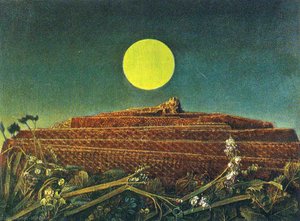
- La Ciudad Entera
- Euclides
- De Esto Ninguno Debería Saber
- Bosque y Paloma
- Sus pinturas a menudo presentan imágenes simbólicas, incluyendo pájaros (particularmente su alter ego Loplop), paisajes y yuxtaposiciones inquietantes.
Vida Tardía y Legado
- Ernst se trasladó a Estados Unidos durante la Segunda Guerra Mundial, continuando pintando y experimentando con nuevas técnicas.
- Regresó a Francia después de la guerra y permaneció activo hasta su muerte el 1 de abril de 1976, en París.
- Significado Histórico: Las contribuciones de Max Ernst a Dada y Surrealismo fueron innovadoras. Desafió las normas artísticas, exploró la mente subconsciente e inventó técnicas innovadoras que continúan inspirando a los artistas de hoy en día.
- Sigue siendo una de las figuras más importantes e influyentes del arte del siglo XX.
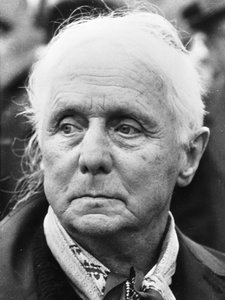
Max Ernst
1891 - 1976 , Alemania
Datos clave
- Artistas Influenciados: ['Muchos artistas posteriores']
- Artistas Que Influyeron:
- Pablo Picasso
- Vincent van Gogh
- Paul Gauguin
- Sigmund Freud
- Fecha De Muerte: 1 de abril de 1976
- Fecha De Nacimiento: 1 de abril de 1891
- Lugar De Nacimiento: Brühl, Alemania
- Movimiento Artístico: Dadaísmo y Surrealismo
- Nacionalidad: Alemán/Americano/Francés
- Nombre Completo: Max Ernst
- Obras Notables:
- La Ciudad Entera
- Euclides
- Bosque y Paloma
- El Elefante de Célebes
Artículos relacionados
Max Ernst: Las 25 Obras Maestras del Surrealismo para Decorar tu Hogar con Arte
Descubre las 25 obras maestras de Max Ernst, el rey del surrealismo. Explora su arte onírico, técnicas innovadoras y simbolismo profundo. Reproducciones de alta calidad para decorar tu hogar con estilo en ArtsDot.com
Dreamscapes & Disrupted Realities: Exploring Surrealism's Enduring Influence
Explore the fascinating world of Surrealism! Discover its origins, key artists like Dalí & Magritte, and enduring influence on art & culture. Expert insights & high-quality reproductions at ArtsDot.
Más Allá de la Realidad Tangible: Explorando los Fundamentos Filosóficos del Surrealismo
Descubre los fundamentos filosóficos del Surrealismo. Explora su contexto histórico, la influencia de Freud y las técnicas clave con análisis experto. Un viaje al corazón de este revolucionario movimiento artístico.
Los 10 Maestros del Surrealismo: Obras que Desafían la Realidad | ArtsDot
Descubre los 10 cuadros surrealistas más influyentes de artistas como Dalí y Magritte. Explora la historia, el simbolismo y las técnicas del movimiento surrealista. Encuentra reproducciones de arte de museo en ArtsDot.com.
Surrealismo: 10 Obras Maestras que Transformaron el Arte y la Decoración
Descubre las 10 obras maestras del Surrealismo con Dalí, Magritte y Miró. Explora la historia, el simbolismo y la técnica de estos íconos del arte moderno. Encuentra reproducciones de alta calidad para tu hogar en .