 Vista previa
 Compartir
 Compartir
 Ver detalles

 Descargar
 Ver similares
 Radiografía
 Presentación de diapositivas
Untitled


 Leer más
Giclée / Impresión de arte
Impresiones giclée o en lienzo de calidad de museo con producción rápida y opciones de acabado flexibles. ( Encargar reproducción pintada a mano Comprar descarga)




P118B $10

P118H $10

P118W $10

P438Z $10

P508JH $12

P508YH $12

P805H $10

P805Z $10

P919BZ $10

P919G $10

P919XJ $10

P959ZH $10

P968JZ $12

W106C $8

W218G $10

W218JH $8

W218Y $10

W307PJ $10

W316G $10

W316PJ $8

W316Y $10

W398PJ $8

W4111J $10

W500HY $15

W500JH $15

W692G $12

W849H $8

W940BG $15

W953PJ $8




Elija entre nuestros tamaños predefinidos que respetan las proporciones originales de la obra.

Puede introducir sus propias dimensiones para adaptarse a un marco o espacio específico. Si el tamaño seleccionado no coincide con las proporciones de la imagen original, recortaremos la obra de arte o extenderemos la imagen con un borde con efecto espejo o de color sólido. Se enviará una maqueta digital para su aprobación antes de que comience la producción.
Tenga en cuenta que la vista previa en pantalla no refleja el recorte o la extensión real. Solo la maqueta mostrará con precisión la composición final.
Aunque existen tamaños personalizados, recomendamos seleccionar una dimensión de la lista predefinida para preservar las proporciones originales.
Envío a todo el mundo () en 2 semanas en lugar de las 4/5 semanas estándar. (21 agosto)

Envío exprés gratuito a todo el mundo

Lienzo de lino de alta calidad

Seguro de envío completo

Garantía de reembolso de aranceles aduaneros

Garantía de fidelidad cromática exacta

Política de devolución de 60 días (solo por defectos)

Garantía de devolución del 100% del dinero

Oferta por volumen
 La opción de vidrio solo está disponible en tamaños inferiores a 110 cm.

Untitled
Giclée / Impresión de arte
Tamaño de la reproducción
-


Precio total
$ 62
Descripción de la pieza
A Dreamscape Unbound: The Surrealist Vision of Max Ernst
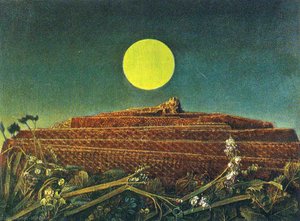
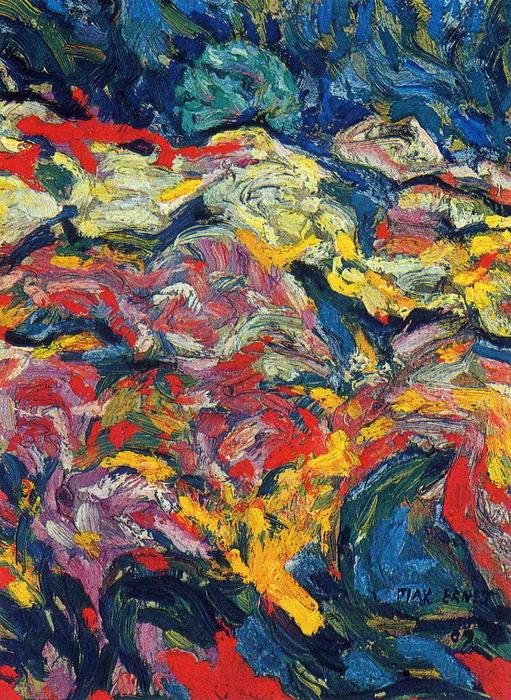
In the realm of early twentieth-century modernism, few names evoke as much mystery and intellectual intrigue as Max Ernst. His untitled masterpiece from 1909 serves as a breathtaking portal into the burgeoning world of Surrealism, long before the movement became a defined cultural phenomenon. This canvas does not merely present a scene; it invites the viewer to abandon the safety of rational thought and descend into a vibrant, dreamlike landscape. At first glance, the eye is immediately arrested by a central, pulsating yellow orb—a luminous anchor amidst a swirling sea of chromatic chaos. Surrounded by an array of amorphous shapes in deep reds, electric blues, and verdant greens, the composition creates a sense of profound depth, as if one were peering into the very fluid dynamics of a subconscious thought.
The technique employed by Ernst in this piece is nothing short of transformative. By utilizing a sophisticated mixed-media approach, he masterfully combined the richness of oil paints with the tactile complexity of collage elements. The integration of paper fragments and textured surfaces creates a layered visual experience that mirrors the multifaceted nature of human memory and desire. This meticulous blending of colors produces a luminous quality, where light seems to emanately from within the pigments themselves. For the discerning collector or interior designer, such a piece offers more than just decoration; it provides a dynamic focal point that commands attention through its intricate textures and the deliberate rejection of traditional realism.
Symbolism and the Echoes of the Subconscious
To gaze upon this artwork is to engage in a silent dialogue with the symbols of the psyche. The prominent yellow mass, positioned as the heart of the composition, carries heavy symbolic weight. Historically associated with enlightenment, divinity, and vitality, its placement here suggests a moment of sudden clarity or spiritual awakening amidst the surrounding disorientation. This tension between order and chaos is the hallmark of Ernst’s genius. The horizontal lines that traverse the canvas act as subtle structural reminders of reality, yet they are constantly being disrupted by the organic, unpredictable movement of the colorful blobs.
Created during a period of intense European upheaval, the painting captures the zeitgeist of an era searching for new truths. Influenced by the burgeoning field of psychoanalysis, Ernst sought to liberate art from the constraints of academic tradition, tapping into the hidden depths of human consciousness. The emotional impact of the work is one of exhilarating disorientation—a sense of wonder mixed with a slight, beautiful unease. It is an evocative piece that resonates deeply within contemporary spaces, offering a sophisticated blend of historical significance and avant-garde energy. Whether placed in a curated gallery setting or as a bold statement in a modern living space, this reproduction brings the transformative power of the Surrealist revolution into the home.
Obras relacionadas
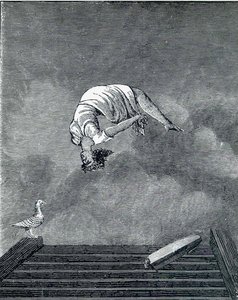
Biografía del artista
Max Ernst: Una Vida en el Surrealismo
Juventud y Educación
- Nacido: 1 de abril de 1891, en Brühl, Alemania.
- El padre de Ernst, Philipp Ernst, era maestro de sordos y pintor aficionado, fomentando el interés temprano de Max por el arte.
- Estudió filosofía, historia del arte, literatura, psicología y psiquiatría en la Universidad de Bonn desde 1909.
- Esta diversa formación académica influyó profundamente en sus posteriores exploraciones artísticas.
Desarrollo Artístico e Influencias
- Un momento decisivo fue la exposición Sonderbund en Colonia (1912), donde conoció obras de Pablo Picasso, Vincent van Gogh, y Paul Gauguin.
- En 1914, conoció a Hans Arp, comenzando una amistad que duró toda la vida e influyó significativamente en su trayectoria artística.
- La Primera Guerra Mundial impactó profundamente a Ernst; sus experiencias como soldado llevaron al desencanto y a una visión crítica de la sociedad.
- Se sintió influenciado por las obras de Sigmund Freud, explorando temas de la mente inconsciente en su arte.
Dada y Surrealismo
- Ernst se convirtió en una figura clave del grupo Dada de Colonia después de la Primera Guerra Mundial, rechazando las convenciones artísticas tradicionales.
- Pionero en técnicas innovadoras como frottage (frotar lápiz sobre superficies texturizadas) y grattage (raspar pintura para revelar capas subyacentes).
- En la década de 1920, se unió al movimiento Surrealista en París, colaborando con artistas como Paul Éluard.
- Su obra durante este período exploró imágenes oníricas y temas psicológicos.
Obras Principales y Técnicas
- Frottage: Una técnica utilizada para crear texturas e imágenes inesperadas, ejemplificada en muchas de sus obras.
- Collage: Ernst empleó con frecuencia el collage, combinando elementos dispares para crear composiciones surrealistas.
- Obras Notables:
- La Ciudad Entera
- Euclides
- De Esto Ninguno Debería Saber
- Bosque y Paloma
- Sus pinturas a menudo presentan imágenes simbólicas, incluyendo pájaros (particularmente su alter ego Loplop), paisajes y yuxtaposiciones inquietantes.
Vida Tardía y Legado
- Ernst se trasladó a Estados Unidos durante la Segunda Guerra Mundial, continuando pintando y experimentando con nuevas técnicas.
- Regresó a Francia después de la guerra y permaneció activo hasta su muerte el 1 de abril de 1976, en París.
- Significado Histórico: Las contribuciones de Max Ernst a Dada y Surrealismo fueron innovadoras. Desafió las normas artísticas, exploró la mente subconsciente e inventó técnicas innovadoras que continúan inspirando a los artistas de hoy en día.
- Sigue siendo una de las figuras más importantes e influyentes del arte del siglo XX.
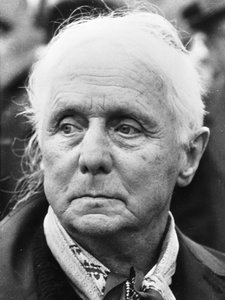
Max Ernst
1891 - 1976 , Alemania
Datos clave
- Artistas Influenciados: ['Muchos artistas posteriores']
- Artistas Que Influyeron:
- Pablo Picasso
- Vincent van Gogh
- Paul Gauguin
- Sigmund Freud
- Fecha De Muerte: 1 de abril de 1976
- Fecha De Nacimiento: 1 de abril de 1891
- Lugar De Nacimiento: Brühl, Alemania
- Movimiento Artístico: Dadaísmo y Surrealismo
- Nacionalidad: Alemán/Americano/Francés
- Nombre Completo: Max Ernst
- Obras Notables:
- La Ciudad Entera
- Euclides
- Bosque y Paloma
- El Elefante de Célebes
Artículos relacionados
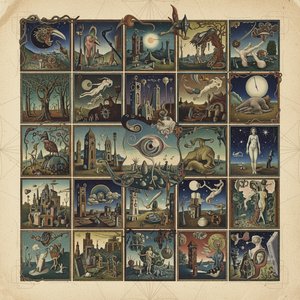
Max Ernst: Las 25 Obras Maestras del Surrealismo para Decorar tu Hogar con Arte
Descubre las 25 obras maestras de Max Ernst, el rey del surrealismo. Explora su arte onírico, técnicas innovadoras y simbolismo profundo. Reproducciones de alta calidad para decorar tu hogar con estilo en ArtsDot.com

Abstracción Geométrica: 10 Obras Maestras que Transformaron el Arte Moderno | ArtsDot
Descubre las 10 obras maestras de la abstracción geométrica que revolucionaron el arte moderno. Explora a Mondrian, Malevich y Kandinsky en ArtsDot.com. Reproducciones de alta calidad para tu hogar.
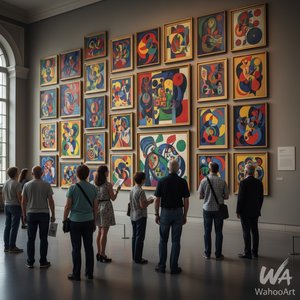
Kandinsky: Las 25 Obras Maestras del Pionero de la Abstracción | ArtsDot
Descubre las 25 obras maestras de Wassily Kandinsky, pionero del arte abstracto. Explora su expresionismo, composiciones únicas y la historia detrás de cada cuadro. Reproducciones de alta calidad para decorar tu hogar con arte moderno en ArtsDot.com.
Beyond Form & Color: Geometric Abstraction's Evolution in 20th/21st Century Art
Explore the evolution of geometric abstraction from Cubism to contemporary art. Discover key artists like Malevich & Mondrian, investment insights, and expert collecting advice at ArtsDot.
Beyond Form & Color: Geometric Abstraction's Enduring Legacy in Art History
Explore the captivating world of geometric abstraction! Discover its origins, key artists like Malevich & Mondrian, and why this movement remains highly valued by art collectors today. Expert insights at ArtsDot.