 Vista previa
 Compartir
 Compartir
 Ver detalles

 Descargar
 Ver similares
 Radiografía
 Presentación de diapositivas
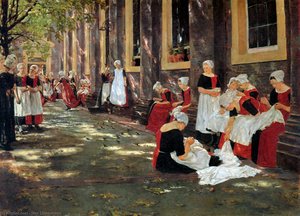
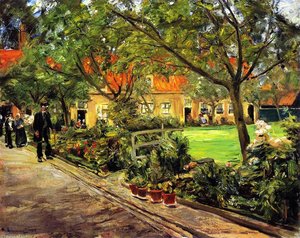
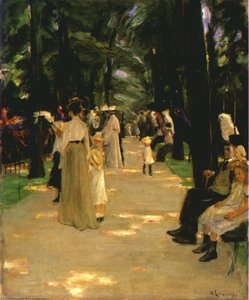
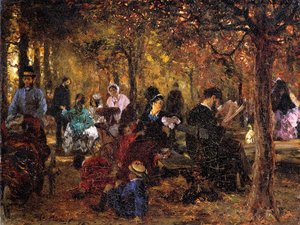
Amsterdam Orphans in the Garden
 Oil
Oil- WallArt
- Impressionism
 1885
1885- 19th Century
 95.0 x 116.0 cm
 Leer más
Reproducción al óleo hecha a mano
Óleo sobre lienzo pintado a mano en el tamaño y marco de su elección, realizado por encargo por nuestros artistas. ( Pedir impresión Comprar descarga)




P118B $10

P118H $10

P118W $10

P438Z $10

P508JH $12

P508YH $12

P805H $10

P805Z $10

P919BZ $10

P919G $10

P919XJ $10

P959ZH $10

P968JZ $12

W106C $8

W218G $10

W218JH $8

W218Y $10

W307PJ $10

W316G $10

W316PJ $8

W316Y $10

W398PJ $8

W4111J $10

W500HY $15

W500JH $15

W692G $12

W849H $8

W940BG $15

W953PJ $8




Elija entre nuestros tamaños predefinidos que respetan las proporciones originales de la obra.

Puede ingresar sus propias dimensiones para adaptarse a un marco o espacio específico. Si el tamaño seleccionado no coincide con las proporciones de la imagen original, recortaremos la obra o extenderemos la pintura con elementos adicionales pintados a mano. Se le enviará una maqueta digital para su aprobación antes de comenzar la producción.
Tenga en cuenta que la vista previa en pantalla no refleja el recorte o la extensión reales. Solo la maqueta mostrará con precisión la composición final.
Si bien existen tamaños personalizados, recomendamos seleccionar una dimensión de la lista predefinida para preservar las proporciones originales.
Tras realizar el pedido, el equipo de ArtsDot.com enviará un correo electrónico al cliente para solicitar instrucciones y proporcionarle una vista previa del boceto.
Envío a todo el mundo () en 3-4 semanas en lugar de las 5 semanas estándar. (22 agosto). Sin comprometer la calidad.

Envío exprés gratuito a todo el mundo

Lienzo de lino de alta calidad

Seguro de envío completo

Garantía de reembolso de aranceles aduaneros

Garantía de fidelidad cromática exacta

Política de devolución de 60 días (solo por defectos)

Garantía de devolución del 100% del dinero

Oferta por volumen
 La opción de vidrio solo está disponible en tamaños inferiores a 110 cm.

Amsterdam Orphans in the Garden
Técnica de reproducción
Tamaño de la reproducción
-


Precio total
$ 263
Descripción de la obra
A Serene Encounter in the Garden
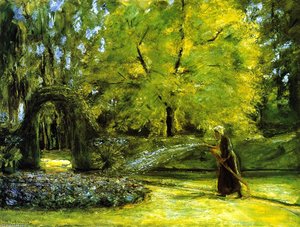
In the gentle embrace of Max Liebermann’s 1885 masterpiece, Amsterdam Orphans in the Garden, we are invited into a moment of profound tranquility and quiet connection. The scene unfolds within a lush, verdant sanctuary where three women sit perched upon a wooden bench, their presence anchored by a sense of shared intimacy. As they engage in soft conversation, the boundaries between humanity and nature seem to dissolve. A lively assembly of at least thirteen birds flutters around them, some landing with fearless curiosity on nearby branches or close to the figures themselves, while others dance through the air. This delicate interplay between the human subjects and the avian visitors creates a rhythmic vitality, suggesting a world where peace is not merely the absence of noise, but the presence of harmony.
Liebermann, a titan of German Impressionism, utilizes his masterful command of light to breathe life into this garden setting. The painting is far more than a mere depiction of a social gathering; it is an exploration of atmosphere. Through fluid brushwork and a sophisticated palette of earthy greens, soft ochres, and dappified sunlight, the artist captures the fleeting essence of a summer afternoon. The way the light filters through the background trees adds a layer of depth and mystery, enveloping the women in a luminous glow that feels both tangible and ethereal. For the discerning collector or interior designer, this piece offers a sophisticated focal point that brings an organic, calming energy to any space, acting as a window into a more contemplative era.
The Impressionist Touch and Emotional Resonance
Technically, the work showcases Liebermann’s transition from his early academic foundations toward the emotive freedom of Impressionism. His technique avoids rigid outlines, opting instead for textured strokes that allow colors to blend visually within the eye of the beholder. This approach imbues the garden with a sense of movement; one can almost feel the rustle of leaves and the fluttering of wings. The composition, which places the women slightly to the left, allows the viewer’s gaze to wander through the surrounding foliage, creating an immersive experience that pulls the observer into the very heart of the garden.
Beyond its aesthetic beauty, the painting carries a deep emotional weight. There is a poignant sweetness in the way the birds gravitate toward the women, symbolizing a state of innocence and a lack of fear. This theme of gentle coexistence serves as a powerful metaphor for peace and the restorative power of nature. For those seeking to adorn their homes with art that inspires reflection and provides a sense of sanctuary, Amsterdam Orphans in the Garden stands as an exquisite choice. It is a timeless testament to the beauty found in life's quietest, most unobserved moments, making it a profound addition to any curated collection of fine art reproductions.
Obras relacionadas
Biografía del artista
Primeros años y educación
- Nacimiento: Berlín, Alemania (1847)
- Fallecimiento: 1935
Carrera artística e influencias
- Impresionismo: Liebermann se convirtió en un destacado defensor del Impresionismo en Alemania, capturando momentos fugaces de la vida moderna con un enfoque en la luz y el color.
- Influencias: Su estilo estuvo notablemente influenciado por Édouard Manet, evidente en su espíritu y enfoque pictórico.
- Motivos: Frecuentemente representaba escenas de la burguesía y aspectos de su jardín cerca del lago Wannsee.
- Retratista: Liebermann ganó reconocimiento como un renombrado retratista, creando más de 200 retratos encargados, incluyendo los de Albert Einstein y Paul von Hindenburg.
Obras destacadas y logros
- "El niño Jesús de doce años en el templo": Una obra temprana que generó debate debido a su representación de un niño Jesús con rasgos semíticos.
- Elección a la Academia Prusiana de las Artes: Un reconocimiento significativo de su mérito artístico y contribución.
- Liderazgo de la Secesión de Berlín (1899-1911): Lideró esta destacada formación vanguardista en Alemania, desafiando las normas artísticas tradicionales.
Vida posterior y significado histórico
- Renuncia a la Academia Prusiana: En 1933, renunció tras la decisión de la academia de excluir a los artistas judíos.
- Fallecimiento y legado: Falleció en Berlín en 1935, dejando atrás una importante obra que continúa siendo celebrada por su estilo impresionista y su retrato perspicaz de la sociedad alemana.
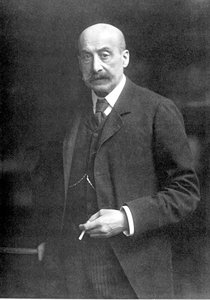
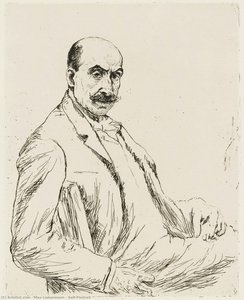
Max Liebermann
1847 - 1935 , Alemania
Datos clave
- Artistas Influenciados: ['Lovis Corinth']
- Artistas Que Influyeron: ['Édouard Manet']
- Fecha De Fallecimiento: 8 de febrero de 1935
- Fecha De Nacimiento: 20 de julio de 1847
- Lugar De Nacimiento: Berlín, Alemania
- Movimiento Artístico: Impresionismo
- Nacionalidad: Alemán
- Nombre Completo: Max Liebermann
- Obras Notables:
- El niño Jesús en el templo
- Granja holandesa
- Retrato del Dr. Max Linde
Artículos relacionados
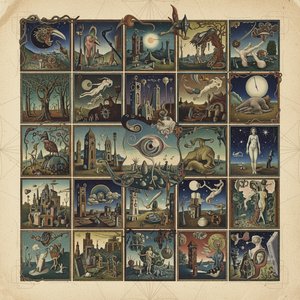
Max Ernst: Las 25 Obras Maestras del Surrealismo para Decorar tu Hogar con Arte
Descubre las 25 obras maestras de Max Ernst, el rey del surrealismo. Explora su arte onírico, técnicas innovadoras y simbolismo profundo. Reproducciones de alta calidad para decorar tu hogar con estilo en ArtsDot.com
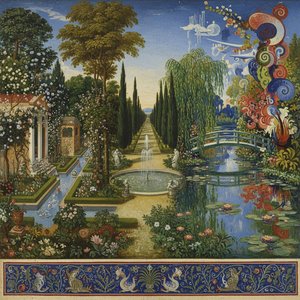
Cultivating Paradise: A Historical & Artistic Exploration of Gardens in Painting
Explore the rich history of gardens in painting! Discover masterpieces from Renaissance to Impressionism & beyond. Learn about symbolism, artists like Monet & Klimt, and find your perfect artwork at ArtsDot.
The Enduring Muse: Women as Subject & Symbol in Art History
Explore the rich history of women in art – from iconic muses to groundbreaking artists. Discover feminist movements, global perspectives & reclaim female narratives with ArtsDot.
Feathered Visions: A Historical & Artistic Exploration of Birds in Painting
Explore the rich history of birds in painting! Discover symbolism, artistic movements & master artists like Audubon. High-quality reproductions available at ArtsDot.
Portrayals of Power & Perception: A Historical Survey of Women in Art
Explore the rich history of women in art – from iconic muses to groundbreaking artists. Discover feminist movements & reclaim female narratives with ArtsDot. Expert insights for discerning collectors.