 Vista previa
 Compartir
 Compartir
 Ver detalles

 Descargar
 Ver similares
 Radiografía
 Presentación de diapositivas
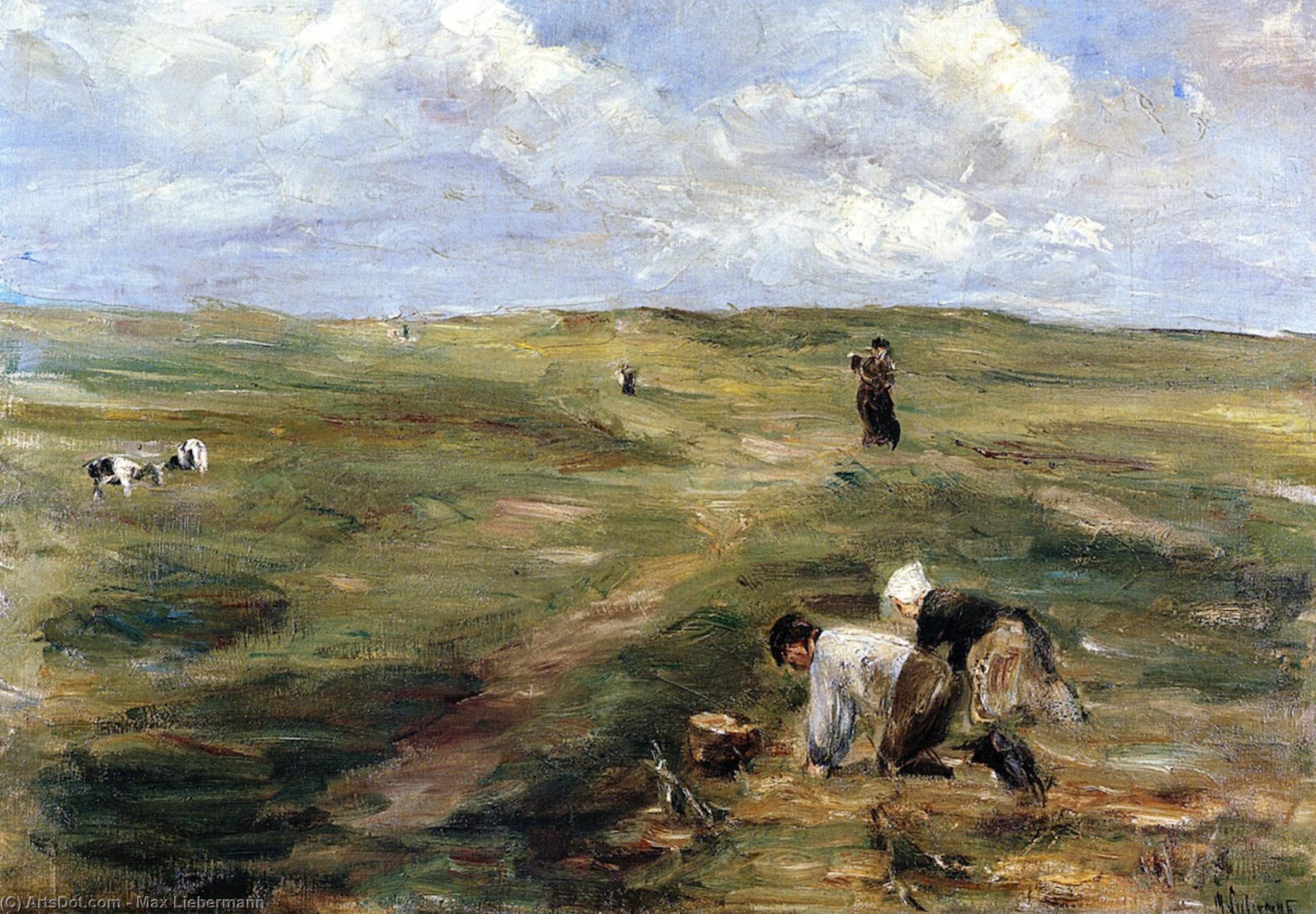
Digging for Potatoes in the Dunes at Zandvoort
 Oil On Canvas
- WallArt
- Impressionism
 1895
1895 75.0 x 105.0 cm
 Germanisches Nationalmuseum
 Leer más
Reproducción al óleo hecha a mano
Óleo sobre lienzo pintado a mano en el tamaño y marco de su elección, realizado por encargo por nuestros artistas. ( Pedir impresión Comprar descarga)




P118B $10

P118H $10

P118W $10

P438Z $10

P508JH $12

P508YH $12

P805H $10

P805Z $10

P919BZ $10

P919G $10

P919XJ $10

P959ZH $10

P968JZ $12

W106C $8

W218G $10

W218JH $8

W218Y $10

W307PJ $10

W316G $10

W316PJ $8

W316Y $10

W398PJ $8

W4111J $10

W500HY $15

W500JH $15

W692G $12

W849H $8

W940BG $15

W953PJ $8




Elija entre nuestros tamaños predefinidos que respetan las proporciones originales de la obra.

Puede ingresar sus propias dimensiones para adaptarse a un marco o espacio específico. Si el tamaño seleccionado no coincide con las proporciones de la imagen original, recortaremos la obra o extenderemos la pintura con elementos adicionales pintados a mano. Se le enviará una maqueta digital para su aprobación antes de comenzar la producción.
Tenga en cuenta que la vista previa en pantalla no refleja el recorte o la extensión reales. Solo la maqueta mostrará con precisión la composición final.
Si bien existen tamaños personalizados, recomendamos seleccionar una dimensión de la lista predefinida para preservar las proporciones originales.
Tras realizar el pedido, el equipo de ArtsDot.com enviará un correo electrónico al cliente para solicitar instrucciones y proporcionarle una vista previa del boceto.
Envío a todo el mundo () en 3-4 semanas en lugar de las 5 semanas estándar. (21 agosto). Sin comprometer la calidad.

Envío exprés gratuito a todo el mundo

Lienzo de lino de alta calidad

Seguro de envío completo

Garantía de reembolso de aranceles aduaneros

Garantía de fidelidad cromática exacta

Política de devolución de 60 días (solo por defectos)

Garantía de devolución del 100% del dinero

Oferta por volumen
 La opción de vidrio solo está disponible en tamaños inferiores a 110 cm.

Digging for Potatoes in the Dunes at Zandvoort
Técnica de reproducción
Tamaño de la reproducción
-


Precio total
$ 288
Descripción de la obra
A Snapshot of Rural Life – The Enduring Appeal of Liebermann’s “Digging for Potatoes”
Max Liebermann's "Digging for Potatoes in the Dunes at Zandvoort," painted in 1895, isn’t merely a depiction of a rural scene; it’s a carefully constructed meditation on labor, community, and the quiet beauty of everyday existence. Created during a period when Impressionism was challenging academic traditions, Liebermann's work stands as a testament to his ability to capture not just appearances but also the underlying spirit of a time and place. The painting transports us to the windswept dunes near Zandvoort, a coastal town in the Netherlands, where a group of figures – men, women, and children – are diligently engaged in the arduous task of harvesting potatoes. It’s a scene both familiar and profoundly evocative, resonating with viewers across generations.
Liebermann's artistic style is immediately recognizable: bold brushstrokes, vibrant yet earthy colors, and a deliberate flattening of perspective. He wasn’t striving for photographic realism; instead, he employed a technique reminiscent of Impressionism, prioritizing the *impression* of light and atmosphere. Notice how he uses short, broken strokes to suggest the movement of the figures and the texture of the sand – a dynamic interplay that brings the scene to life. The composition is carefully balanced, drawing our eye across the canvas and inviting us into this intimate slice of rural life. The cloudy sky overhead adds a sense of drama and reinforces the feeling of being present in this particular moment.
Decoding Symbolism: Labor, Community, and the Dutch Landscape
Beyond its surface depiction, “Digging for Potatoes” is rich with symbolic meaning. The act of digging itself represents hard work, a fundamental aspect of rural life that Liebermann sought to celebrate. The collaborative effort of the figures – working together as a team – speaks volumes about the importance of community and shared purpose in this setting. Observe how they are not isolated individuals but part of a larger unit, united by their labor. The presence of dogs and horses further emphasizes the connection between humans and animals within this agricultural landscape, highlighting the symbiotic relationship that underpinned rural life.
Furthermore, the choice of Zandvoort as the setting is significant. This coastal region held a special place in Liebermann’s heart, and he frequently depicted its landscapes and people. The dunes themselves are iconic features of the Dutch coastline, representing both beauty and vulnerability – a constant reminder of the power of nature. The painting subtly evokes a sense of nostalgia for a simpler time, a connection to the land that is increasingly rare in modern society.
Technique and Materials: A Masterful Blend
Liebermann’s masterful use of oil paints is central to the painting's impact. He applied the paint with thick impasto – building up layers of color directly onto the canvas – creating a tactile surface that invites close examination. The colors are remarkably vibrant, yet grounded in natural tones: ochres, browns, greens, and blues dominate the palette, reflecting the earthy hues of the landscape. The artist’s brushwork is loose and expressive, conveying a sense of movement and spontaneity. It's important to note the scale of the work – measuring 75 x 105 cm – which allows for a great deal of detail while maintaining an overall feeling of spaciousness.
The painting’s current location in the Germanisches Nationalmuseum in Nuremberg, Germany, underscores its significance as a key example of late 19th-century art. It represents a pivotal moment in Liebermann's career and offers a valuable insight into his artistic vision and his engagement with contemporary social and cultural themes.
Bringing “Digging for Potatoes” Home: Reproductions and Legacy
High-quality reproductions of "Digging for Potatoes in the Dunes at Zandvoort" are now available through ArtsDot.com, offering art enthusiasts a chance to own a piece of this iconic artwork. Whether displayed in a home or office, this painting’s evocative imagery and timeless themes will undoubtedly spark conversation and inspire contemplation. It's more than just a beautiful image; it’s a window into the past, a celebration of human connection, and a testament to the enduring power of art.
Obras relacionadas
Biografía del artista
Primeros años y educación
- Nacimiento: Berlín, Alemania (1847)
- Fallecimiento: 1935
Carrera artística e influencias
- Impresionismo: Liebermann se convirtió en un destacado defensor del Impresionismo en Alemania, capturando momentos fugaces de la vida moderna con un enfoque en la luz y el color.
- Influencias: Su estilo estuvo notablemente influenciado por Édouard Manet, evidente en su espíritu y enfoque pictórico.
- Motivos: Frecuentemente representaba escenas de la burguesía y aspectos de su jardín cerca del lago Wannsee.
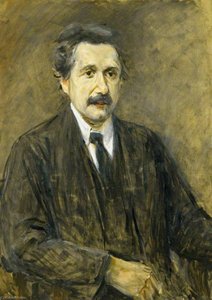
- Retratista: Liebermann ganó reconocimiento como un renombrado retratista, creando más de 200 retratos encargados, incluyendo los de Albert Einstein y Paul von Hindenburg.
Obras destacadas y logros
- "El niño Jesús de doce años en el templo": Una obra temprana que generó debate debido a su representación de un niño Jesús con rasgos semíticos.
- Elección a la Academia Prusiana de las Artes: Un reconocimiento significativo de su mérito artístico y contribución.
- Liderazgo de la Secesión de Berlín (1899-1911): Lideró esta destacada formación vanguardista en Alemania, desafiando las normas artísticas tradicionales.
Vida posterior y significado histórico
- Renuncia a la Academia Prusiana: En 1933, renunció tras la decisión de la academia de excluir a los artistas judíos.
- Fallecimiento y legado: Falleció en Berlín en 1935, dejando atrás una importante obra que continúa siendo celebrada por su estilo impresionista y su retrato perspicaz de la sociedad alemana.
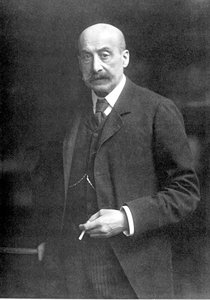
Max Liebermann
1847 - 1935 , Alemania
Datos clave
- Artistas Influenciados: ['Lovis Corinth']
- Artistas Que Influyeron: ['Édouard Manet']
- Fecha De Fallecimiento: 8 de febrero de 1935
- Fecha De Nacimiento: 20 de julio de 1847
- Lugar De Nacimiento: Berlín, Alemania
- Movimiento Artístico: Impresionismo
- Nacionalidad: Alemán
- Nombre Completo: Max Liebermann
- Obras Notables:
- El niño Jesús en el templo
- Granja holandesa
- Retrato del Dr. Max Linde
Artículos relacionados
Max Ernst: Las 25 Obras Maestras del Surrealismo para Decorar tu Hogar con Arte
Descubre las 25 obras maestras de Max Ernst, el rey del surrealismo. Explora su arte onírico, técnicas innovadoras y simbolismo profundo. Reproducciones de alta calidad para decorar tu hogar con estilo en ArtsDot.com
Impresionismo: 10 Obras Maestras que Capturan la Luz y el Momento
Descubre 10 obras maestras del impresionismo de Monet, Renoir y Degas. Explora la luz, el color y las historias detrás de estos icónicos cuadros. Reproducciones de arte en ArtsDot.com para decorar tu hogar con estilo.

Paul Cézanne: Las 25 Obras Maestras que Definieron el Arte Moderno | ArtsDot
Descubre las 25 obras maestras de Paul Cézanne que revolucionaron el arte moderno. Explora su técnica, inspiración y significado en paisajes, bodegones y retratos. Reproducciones de alta calidad para decorar tu hogar con arte inolvidable. ¡Explora la colección completa en ArtsDot.com!
Expresionismo Alemán: 10 Obras Maestras que Transformaron el Arte | ArtsDot
Descubre las 10 obras maestras del Expresionismo Alemán: Kirchner, Munch y más. Explora la historia, técnica y emoción detrás de estos lienzos icónicos. Reproducciones de arte de museo en ArtsDot.com. ¡Inspira tu hogar con arte!
Impresionismo y Postimpresionismo: Una Exploración de la Evolución Artística y sus Distinciones Clave
Explora la evolución del Impresionismo al Postimpresionismo. Descubre sus características, artistas clave y las diferencias esenciales en este análisis experto.