 Ver en contexto
 Enviar
 Compartir
 Detalles

 Descargar
 Similares
 Radiografía
 Presentación de diapositivas
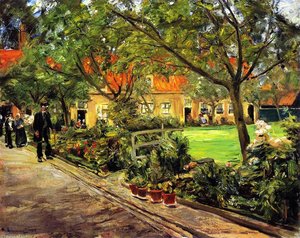
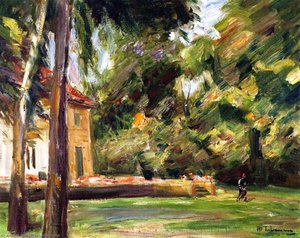
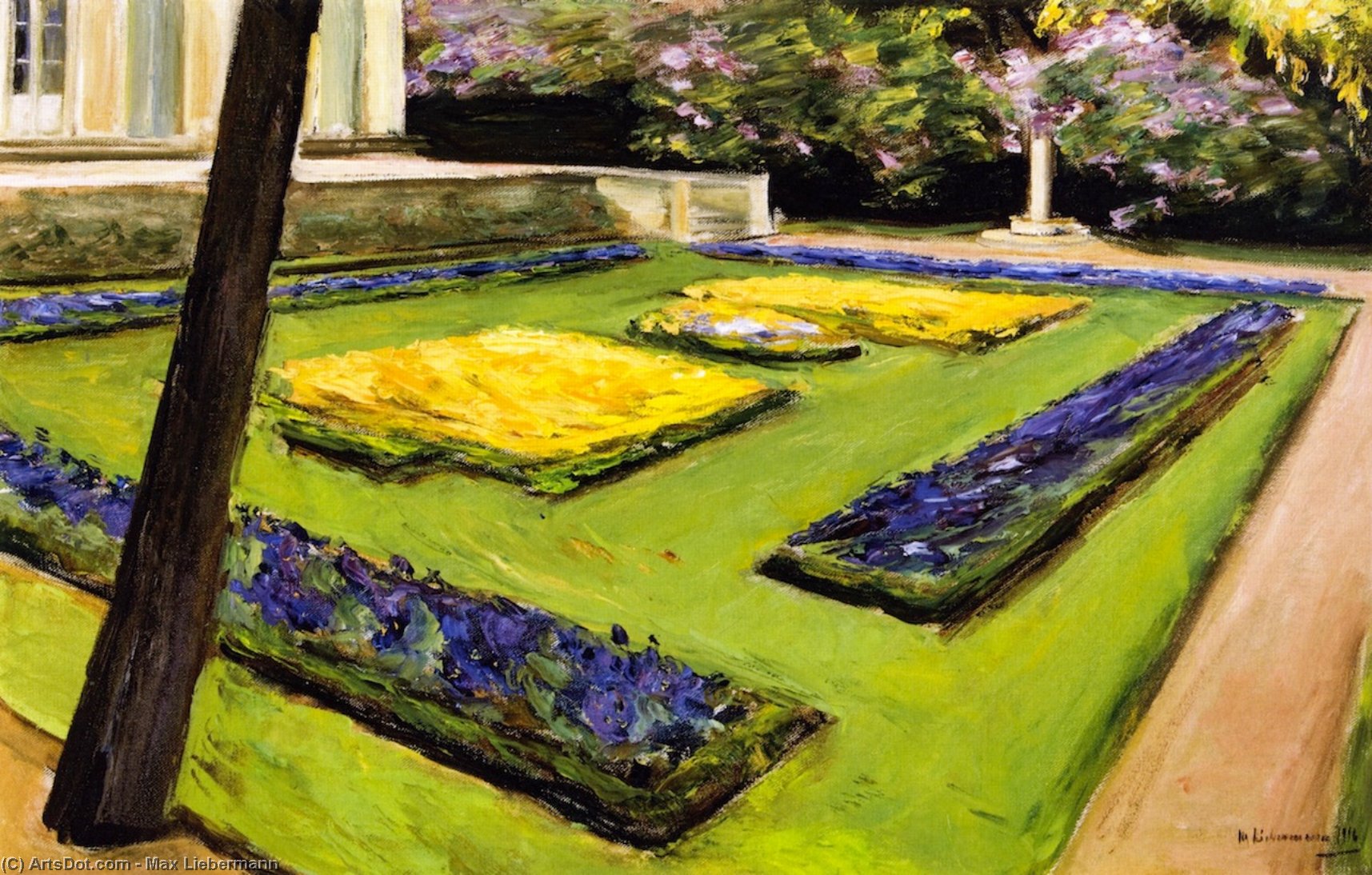
Terrace in the Garden near the Wannsee toward Northwest


 Ver más
Reproducción al óleo hecha a mano
Óleo sobre lienzo pintado a mano en el tamaño y marco de su elección, realizado por encargo por nuestros artistas. ( Comprar impresión Comprar imagen)




P118B $10

P118H $10

P118W $10

P438Z $10

P508JH $12

P508YH $12

P805H $10

P805Z $10

P919BZ $10

P919G $10

P919XJ $10

P959ZH $10

P968JZ $12

W106C $8

W218G $10

W218JH $8

W218Y $10

W307PJ $10

W316G $10

W316PJ $8

W316Y $10

W398PJ $8

W4111J $10

W500HY $15

W500JH $15

W692G $12

W849H $8

W940BG $15

W953PJ $8




Elija entre nuestros tamaños predefinidos que respetan las proporciones originales de la obra.

Puede ingresar sus propias dimensiones para adaptarse a un marco o espacio específico. Si el tamaño seleccionado no coincide con las proporciones de la imagen original, recortaremos la obra o extenderemos la pintura con elementos adicionales pintados a mano. Se le enviará una maqueta digital para su aprobación antes de comenzar la producción.
Tenga en cuenta que la vista previa en pantalla no refleja el recorte o la extensión reales. Solo la maqueta mostrará con precisión la composición final.
Si bien existen tamaños personalizados, recomendamos seleccionar una dimensión de la lista predefinida para preservar las proporciones originales.
Tras realizar el pedido, el equipo de ArtsDot.com enviará un correo electrónico al cliente para solicitar instrucciones y proporcionarle una vista previa del boceto.
Envío a todo el mundo () en 3-4 semanas en lugar de las 5 semanas estándar. (3 septiembre). Sin comprometer la calidad.

Envío exprés gratuito a todo el mundo

Lienzo de lino de alta calidad

Seguro de envío total

Garantía de reembolso de impuestos aduaneros

Garantía de fidelidad cromática exacta

Política de devolución de 60 días (solo por defectos)

Garantía de devolución del 100% del dinero

Descuento por cantidad
 La opción de vidrio solo está disponible en tamaños inferiores a 110 cm.

Terrace in the Garden near the Wannsee toward Northwest
Técnica de reproducción
Dimensiones de la reproducción
-


Precio total final
$ 263
Terrace in the Garden near the Wannsee Toward Northwest – A Symphony of Light and Tranquility
Max Liebermann’s “Terrace in the Garden Near the Wannsee Toward Northwest,” completed in 1916, transcends mere landscape painting; it embodies a profound distillation of Impressionistic ideals. Executed on canvas measuring 89 x 58 cm, this artwork resides within the Museum of Fine Arts Houston's collection and represents Liebermann’s masterful ability to capture not just what he saw but how light itself transformed the serene beauty of Prussian summer.A Delicate Balance: Style and Technique
Liebermann adhered rigorously to Impressionistic principles—a conscious rejection of academic conventions favoring instead fleeting impressions of color and atmosphere. The painting's technique is characterized by visible brushstrokes, layered textures achieved through multiple glazes of oil paint, and a masterful manipulation of tonal gradations. These deliberate marks aren’t haphazard; they contribute significantly to the overall feeling of movement and luminosity—a hallmark of Liebermann’s oeuvre. Notice how the artist skillfully blends hues to create an illusion of depth, mirroring the dappled sunlight filtering through the foliage of the surrounding trees. The use of color is particularly noteworthy, with blues dominating the garden vista, reflecting both the sky and the tranquil waters of Wannsee Lake.Historical Context: Embracing Modernity Amidst Tradition
Painted during a period of burgeoning artistic experimentation in Germany—the early 20th century— “Terrace in the Garden Near the Wannsee Toward Northwest” reflects the broader movement away from Romanticism’s emotive grandeur toward Impressionism's objective observation. Liebermann, like many artists of his time, sought to depict nature as it appeared to the eye, prioritizing sensory experience over idealized representation. This stylistic choice aligns perfectly with the intellectual currents of the era—a fascination with scientific inquiry and a desire to capture the immediacy of modern life without resorting to sentimental embellishment. The painting speaks to a cultural shift toward valuing beauty in simplicity and capturing ephemeral moments with precision.Symbolism Within Nature’s Embrace
Beyond its formal artistry, “Terrace in the Garden Near the Wannsee Toward Northwest” carries subtle symbolic resonance. The garden itself represents harmony—a deliberate contrast to the anxieties of the time. The carefully arranged flowers symbolize fertility and renewal, while the bench invites contemplation and connection with the natural world. Liebermann’s meticulous depiction underscores the importance of observing and appreciating the beauty inherent in everyday surroundings – a sentiment that continues to resonate powerfully today.Emotional Impact: A Moment Frozen in Time
Ultimately, “Terrace in the Garden Near the Wannsee Toward Northwest” evokes a feeling of profound peace and tranquility. The painting’s luminous palette and expressive brushstrokes transport viewers back to a sunlit afternoon, capturing the essence of summer's fleeting splendor. It is an artwork that invites contemplation—a reminder that amidst the complexities of life, there exists enduring beauty found in the quiet grandeur of nature.- Explore More: Terrace in the Garden Near the Wannsee Toward Northwest
- Discover Similar Artists: In The Garden
- Learn More About Liebermann:Max Liebermann
Obras relacionadas
Biografía del artista
Primeros años y educación
- Nacimiento: Berlín, Alemania (1847)
- Fallecimiento: 1935
Carrera artística e influencias
- Impresionismo: Liebermann se convirtió en un destacado defensor del Impresionismo en Alemania, capturando momentos fugaces de la vida moderna con un enfoque en la luz y el color.
- Influencias: Su estilo estuvo notablemente influenciado por Édouard Manet, evidente en su espíritu y enfoque pictórico.
- Motivos: Frecuentemente representaba escenas de la burguesía y aspectos de su jardín cerca del lago Wannsee.
- Retratista: Liebermann ganó reconocimiento como un renombrado retratista, creando más de 200 retratos encargados, incluyendo los de Albert Einstein y Paul von Hindenburg.
Obras destacadas y logros
- "El niño Jesús de doce años en el templo": Una obra temprana que generó debate debido a su representación de un niño Jesús con rasgos semíticos.
- Elección a la Academia Prusiana de las Artes: Un reconocimiento significativo de su mérito artístico y contribución.
- Liderazgo de la Secesión de Berlín (1899-1911): Lideró esta destacada formación vanguardista en Alemania, desafiando las normas artísticas tradicionales.
Vida posterior y significado histórico
- Renuncia a la Academia Prusiana: En 1933, renunció tras la decisión de la academia de excluir a los artistas judíos.
- Fallecimiento y legado: Falleció en Berlín en 1935, dejando atrás una importante obra que continúa siendo celebrada por su estilo impresionista y su retrato perspicaz de la sociedad alemana.
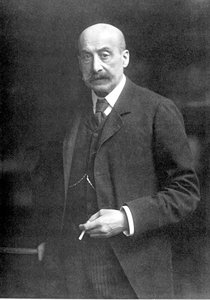
Max Liebermann
1847 - 1935 , Alemania
Datos clave
- Artistas Influenciados: ['Lovis Corinth']
- Artistas Que Influyeron: ['Édouard Manet']
- Fecha De Fallecimiento: 8 de febrero de 1935
- Fecha De Nacimiento: 20 de julio de 1847
- Lugar De Nacimiento: Berlín, Alemania
- Movimiento Artístico: Impresionismo
- Nacionalidad: Alemán
- Nombre Completo: Max Liebermann
- Obras Notables:
- El niño Jesús en el templo
- Granja holandesa
- Retrato del Dr. Max Linde
Artículos relacionados
Max Ernst: Las 25 Obras Maestras del Surrealismo para Decorar tu Hogar con Arte
Descubre las 25 obras maestras de Max Ernst, el rey del surrealismo. Explora su arte onírico, técnicas innovadoras y simbolismo profundo. Reproducciones de alta calidad para decorar tu hogar con estilo en ArtsDot.com
Cultivating Paradise: A Historical & Artistic Exploration of Gardens in Painting
Explore the rich history of gardens in painting! Discover masterpieces from Renaissance to Impressionism & beyond. Learn about symbolism, artists like Monet & Klimt, and find your perfect artwork at ArtsDot.

Paul Cézanne: Las 25 Obras Maestras que Definieron el Arte Moderno | ArtsDot
Descubre las 25 obras maestras de Paul Cézanne que revolucionaron el arte moderno. Explora su técnica, inspiración y significado en paisajes, bodegones y retratos. Reproducciones de alta calidad para decorar tu hogar con arte inolvidable. ¡Explora la colección completa en ArtsDot.com!

Evocations of Place: A Historical Journey Through Landscape Art
Explore the rich history of landscape art with ArtsDot. Discover renowned artists, movements like Impressionism & Romanticism, and expert guidance for collecting timeless pieces. Find your perfect serene escape today!
Evocations of Place: A Historical Journey Through Landscape Art
Explore the rich history of landscape art with ArtsDot. Discover renowned artists, movements like Impressionism & tonalism, and expert guidance for collecting timeless pieces. Find your perfect serene escape today!