

 Ver en contexto
 Enviar
 Compartir
 Detalles

 Descargar
 Similares
 Radiografía
 Presentación de diapositivas
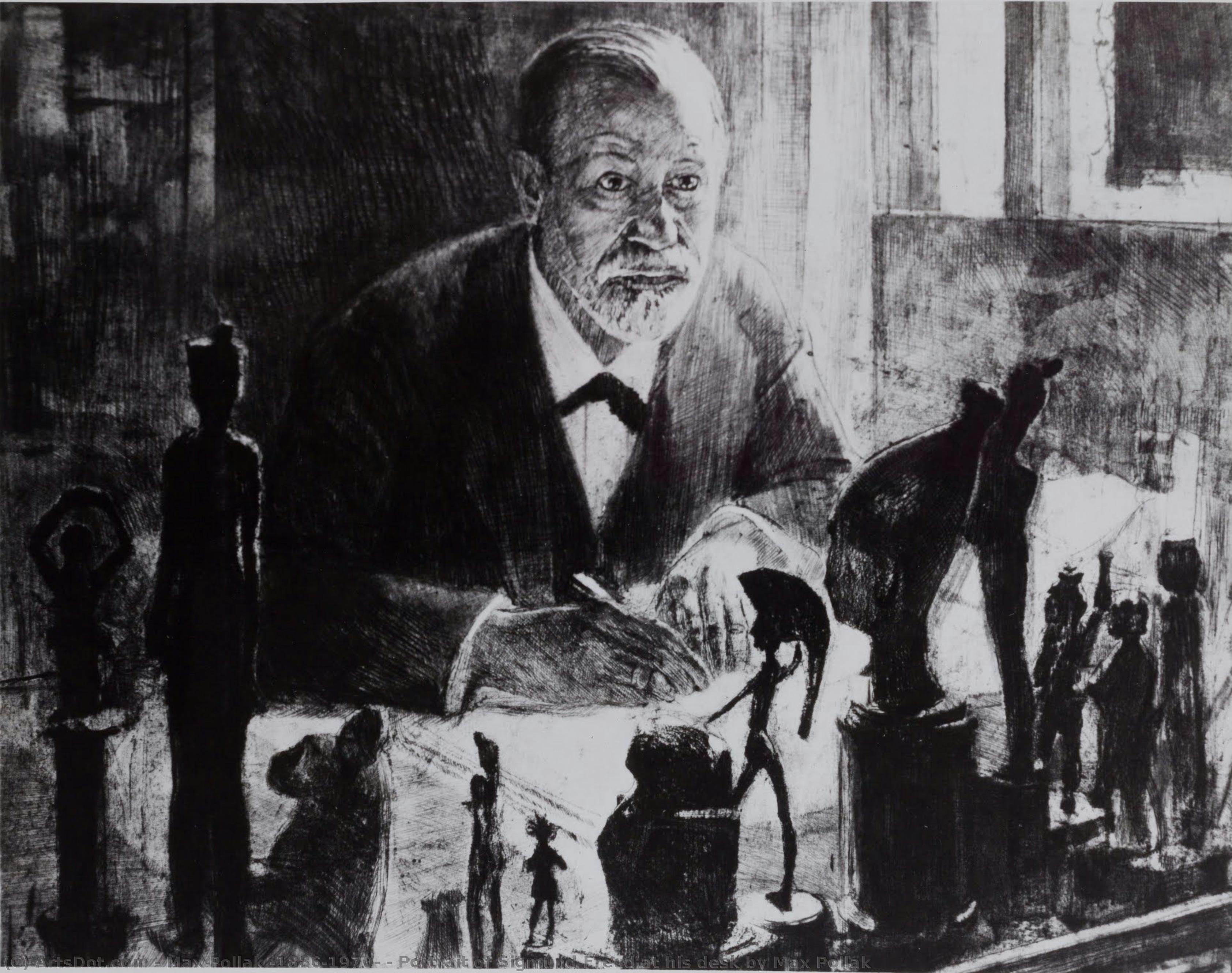
Portrait of Sigmund Freud at his desk by Max Pollak
 Etching
- Art Nouveau
 1914
1914 47.0 x 47.0 cm
 Freud Museum Londres
 Ver más
Giclée / Impresión de arte
Impresiones giclée o en lienzo de calidad de museo con producción rápida y opciones de acabado flexibles. ( Comprar pintura hecha a mano Comprar imagen)




P118B $10

P118H $10

P118W $10

P438Z $10

P508JH $12

P508YH $12

P805H $10

P805Z $10

P919BZ $10

P919G $10

P919XJ $10

P959ZH $10

P968JZ $12

W106C $8

W218G $10

W218JH $8

W218Y $10

W307PJ $10

W316G $10

W316PJ $8

W316Y $10

W398PJ $8

W4111J $10

W500HY $15

W500JH $15

W692G $12

W849H $8

W940BG $15

W953PJ $8




Elija entre nuestros tamaños predefinidos que respetan las proporciones originales de la obra.

Puede introducir sus propias dimensiones para adaptarse a un marco o espacio específico. Si el tamaño seleccionado no coincide con las proporciones de la imagen original, recortaremos la obra de arte o extenderemos la imagen con un borde con efecto espejo o de color sólido. Se enviará una maqueta digital para su aprobación antes de que comience la producción.
Tenga en cuenta que la vista previa en pantalla no refleja el recorte o la extensión real. Solo la maqueta mostrará con precisión la composición final.
Aunque existen tamaños personalizados, recomendamos seleccionar una dimensión de la lista predefinida para preservar las proporciones originales.
Envío a todo el mundo () en 2 semanas en lugar de las 4/5 semanas estándar. (31 agosto)

Envío exprés gratuito a todo el mundo

Lienzo de lino de alta calidad

Seguro de envío total

Garantía de reembolso de impuestos aduaneros

Garantía de fidelidad cromática exacta

Política de devolución de 60 días (solo por defectos)

Garantía de devolución del 100% del dinero

Descuento por cantidad
 La opción de vidrio solo está disponible en tamaños inferiores a 110 cm.

Portrait of Sigmund Freud at his desk by Max Pollak
Giclée / Impresión de arte
Dimensiones de la reproducción
-


Precio total final
$ 62
Portrait of Sigmund Freud at his desk by Max Pollak – A Study in Precision and Psychological Depth
Max Pollak’s 1914 etching, “Portrait of Sigmund Freud at his desk,” is more than a simple likeness; it's a meticulously crafted meditation on intellect, strategy, and the enigmatic nature of the human psyche. Executed with the characteristic precision that defined Pollak’s oeuvre, this monochrome work offers a compelling glimpse into the artistic sensibilities of early 20th-century Vienna – a period marked by both artistic innovation and profound intellectual ferment.
- The Subject: The central figure is, of course, Sigmund Freud himself, rendered with remarkable detail. Pollak’s ability to capture not just the physical appearance but also the perceived intensity of Freud's gaze is a testament to his skill as a portraitist.
- Technique and Materials: As an etching, the artwork relies on the skillful manipulation of lines – hatching and cross-hatching – to build up tonal values and create texture. Pollak employed a metal plate (likely copper or zinc), meticulously scratching away areas to reveal the white paper beneath, then applying ink with precision before transferring the image onto paper. This process demanded immense patience and control, resulting in a surface of intricate lines that shimmer with subtle variations.
- Historical Context: Created during a period of significant psychological exploration, the portrait reflects the burgeoning interest in psychoanalysis spearheaded by Freud himself. Pollak’s work aligns with the broader artistic currents of Art Nouveau and early Expressionism, characterized by simplified forms and an emphasis on line as a primary expressive tool.
A Symphony of Lines: Analyzing Pollak's Composition
Pollak’s compositional choices are deliberately layered, adding to the artwork’s symbolic richness. The central placement of Freud behind his desk immediately establishes a sense of authority and intellectual focus. However, it is the surrounding elements – the scattered chess pieces and stylized figures – that truly elevate the work. These aren't merely decorative additions; they function as potent symbols.
- Chess Pieces: The inclusion of chess pieces speaks to themes of strategy, analysis, and perhaps even the complexities of human relationships—all central concerns within Freud’s psychoanalytic theories.
- Stylized Figures: The obscured figure in the background could represent the unconscious mind, a recurring motif in Freud's work, or perhaps patients undergoing treatment – hinting at the therapeutic process itself.
- Line Work and Depth: Notice how Pollak uses parallel lines to create a sense of depth, drawing the viewer’s eye into the scene while simultaneously emphasizing the formal qualities of the composition. The contrast between thick outlines defining Freud's form and finer lines detailing his features adds another layer of visual interest.
Symbolism and Emotional Resonance
“Portrait of Sigmund Freud at his desk” transcends a simple portrait; it’s an evocative exploration of intellectual power, psychological complexity, and the human condition. The monochromatic palette – shades of gray ranging from near-black to white – contributes significantly to the artwork's mood, creating a sense of solemnity and introspection.
- Lighting: The directional lighting, originating from the left side, casts dramatic shadows across Freud’s face and desk, intensifying the scene’s emotional impact.
- Emotional Impact: The overall effect is one of quiet contemplation – inviting viewers to ponder the mysteries of the mind and the enduring legacy of Sigmund Freud's work.
Dimensions & Details
Size: 47 x 47 cmDate: 1914
Artist: max pollak (1886-1970) – A master of precision, Pollak’s work continues to resonate with its intellectual depth and artistic skill. This reproduction offers a unique opportunity to own a piece of art history, capturing the essence of a pivotal figure in psychology and the remarkable talent of one of Vienna's most accomplished printmakers.
Obras relacionadas

Biografía del artista
una vida de arte y precisión
max pollak, pintor y grabador, nació el 2 de febrero de 1886 en Praga, Checoslovaquia. El viaje de su vida lo llevó a Viena, Austria, donde transcurrieron sus años formativos, ingresando finalmente en la academia de bellas artes de Viena a la edad de dieciséis años en 1902.la formación de un maestro
la obra temprana de pollak ya mostraba una habilidad prometedora en el aguafuerte, lo que más tarde se convertiría en una de sus características definitorias. Mientras perfeccionaba su oficio en Viena, Austria, desarrolló un estilo único que lo distinguió de sus contemporáneos. Sus retratos singulares y penetrantes, particularmente aquel de sigmund freud, son un testimonio de su profunda comprensión para capturar la esencia humana.legado artístico
- obras clave: los grabados de max pollak destacan por su precisión y profundidad, ofreciendo una mirada a la escena artística de principios del siglo XX en Viena.
- movimiento artístico notable: su trabajo se asocia frecuentemente con las etapas iniciales del art nouveau, reflejando la fascinación de la época por las formas naturales y las líneas curvas.
- museos y colecciones: aunque sus obras se encuentran dispersas en diversas colecciones privadas, algunas piezas notables pueden hallarse en la base de datos de ArtsDot.com, ofreciendo un vistazo digital a su universo artístico.
impacto perdurable
el fallecimiento de max pollak en 1970 marcó el fin de una era, pero su arte continúa inspirando. Para aquellos interesados en profundizar en su obra y en el contexto en el que fue creada, la extensa base de datos de ArtsDot.com proporciona un recurso integral.- explora más: visita max pollak (1886-1970) en ArtsDot para contemplar sus obras y conocer más sobre su vida.
- descubre artistas similares: navega por la sección de grandes artistas para encontrar una lista curada de pintores y grabadores de renombre.
recordando la huella artística de max pollak
al reflexionar sobre la vida y obra de max pollak, queda claro que su legado se extiende más allá de las fronteras del tiempo. Su arte, que hoy forma parte de nuestro patrimonio cultural compartido, sigue cautivando a audiencias de todo el mundo.- comparte tus pensamientos: participa con la comunidad de ArtsDot compartiendo tus reflexiones sobre la obra de max pollak y su importancia en el contexto más amplio del arte de principios del siglo XX.
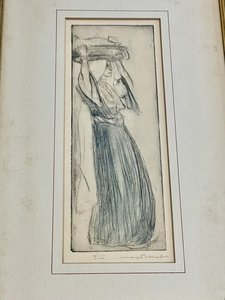
Max Pollak
1886 - 1970 , Chequia
Datos clave
- Artistic Movement Or Style: Postimpresionismo
- Artists Or Movements Influenced By This Artist: ['Expresionismo']
- Artists Who Influenced This Artist:
- Monet
- Degas
- Date Of Birth: 30 de marzo de 1853
- Date Of Death: 29 de julio de 1890
- Full Name: Vincent Willem van Gogh
- Nationality: Neerlandés
- Notable Artworks:
- Girasoles
- El dormitorio en Arlés
- La noche estrellada
- Trigal con cuervos
- Place Of Birth: Gante, Bélgica
Artículos relacionados

Blanco Sublime: Los 10 Cuadros Más Famosos Dominados por la Luz y el Color
Descubre los 10 cuadros blancos más emblemáticos de la historia del arte. Explora Monet, Van Gogh y Klimt, y su magistral uso de la luz y el color. Encuentra reproducciones de alta calidad e inspírate para tu decoración en .
El Aguafuerte: Un Recorrido Histórico por su Técnica, Cualidades Estéticas y Significado Duradero
Descubre la fascinante historia y técnica del aguafuerte. Explora su evolución artística, los maestros que lo dominaron y sus cualidades estéticas únicas. Guía experta para amantes del arte.

Las 10 Grabados Legendarios que Revolucionaron el Arte | ArtsDot
Descubre los 10 grabados legendarios que transformaron la historia del arte. Explora las obras maestras de Rembrandt, Goya y Dürer. Encuentra reproducciones de alta calidad e inspírate para decorar tu hogar con arte clásico en ArtsDot.com.
The Intricate World of Etching: A Historical Survey of Technique, Aesthetic Evolution, and Enduring Artistic Impact
Explore the rich history of etching, from its origins to modern practice. Discover techniques, key artists like Rembrandt, and insights for collectors. A comprehensive guide by ArtsDot.

Las 10 Pinturas Más Famosas Dominadas por el Negro | Arte y Decoración
Descubre las 10 pinturas más impactantes dominadas por el negro. Explora obras maestras de Rembrandt, Goya y Rothko, su historia y significado. Encuentra reproducciones de arte exclusivas para transformar tu hogar en .

