 Ver en contexto
 Enviar
 Compartir
 Detalles

 Descargar
 Similares
 Radiografía
 Presentación de diapositivas
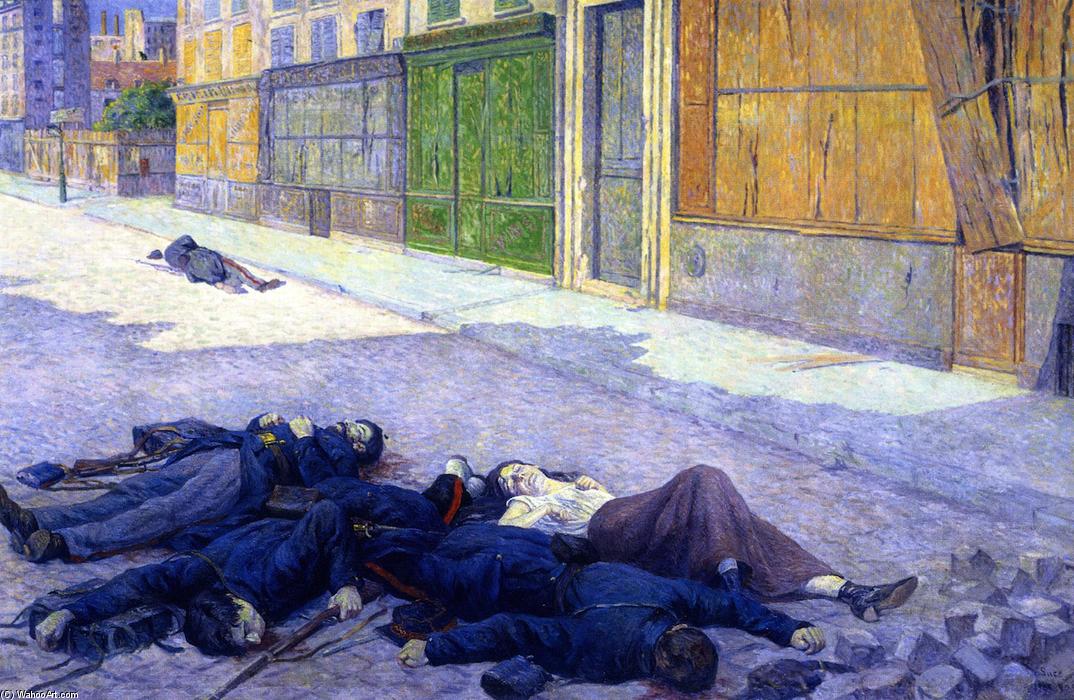
A Paris Street in May 1871 (also known as The Commune)


 Ver más
Reproducción al óleo hecha a mano
Óleo sobre lienzo pintado a mano en el tamaño y marco de su elección, realizado por encargo por nuestros artistas. ( Comprar impresión Comprar imagen)




P118B $10

P118H $10

P118W $10

P438Z $10

P508JH $12

P508YH $12

P805H $10

P805Z $10

P919BZ $10

P919G $10

P919XJ $10

P959ZH $10

P968JZ $12

W106C $8

W218G $10

W218JH $8

W218Y $10

W307PJ $10

W316G $10

W316PJ $8

W316Y $10

W398PJ $8

W4111J $10

W500HY $15

W500JH $15

W692G $12

W849H $8

W940BG $15

W953PJ $8




Elija entre nuestros tamaños predefinidos que respetan las proporciones originales de la obra.

Puede ingresar sus propias dimensiones para adaptarse a un marco o espacio específico. Si el tamaño seleccionado no coincide con las proporciones de la imagen original, recortaremos la obra o extenderemos la pintura con elementos adicionales pintados a mano. Se le enviará una maqueta digital para su aprobación antes de comenzar la producción.
Tenga en cuenta que la vista previa en pantalla no refleja el recorte o la extensión reales. Solo la maqueta mostrará con precisión la composición final.
Si bien existen tamaños personalizados, recomendamos seleccionar una dimensión de la lista predefinida para preservar las proporciones originales.
Tras realizar el pedido, el equipo de ArtsDot.com enviará un correo electrónico al cliente para solicitar instrucciones y proporcionarle una vista previa del boceto.
Envío a todo el mundo () en 3-4 semanas en lugar de las 5 semanas estándar. (23 agosto). Sin comprometer la calidad.

Envío exprés gratuito a todo el mundo

Lienzo de lino de alta calidad

Seguro de envío total

Garantía de reembolso de impuestos aduaneros

Garantía de fidelidad cromática exacta

Política de devolución de 60 días (solo por defectos)

Garantía de devolución del 100% del dinero

Descuento por cantidad
 La opción de vidrio solo está disponible en tamaños inferiores a 110 cm.

A Paris Street in May 1871 (also known as The Commune)
Técnica de reproducción
Dimensiones de la reproducción
-


Precio total final
$ 263
Descripción de la obra
Echoes of Turmoil: A Glimpse into Parisian Struggle
To stand before A Paris Street in May 1871 is not merely to observe a scene; it is to confront a moment suspended in the brutal amber of history. Maximilien Luce captures the raw, visceral aftermath of conflict on the cobblestones of Paris. The composition immediately arrests the viewer with its stark tableau: bodies scattered across the street, silent witnesses to the violence that erupted during the tumultuous period known as the Commune. This is an unflinching depiction, a testament painted in oil on canvas that refuses the comfort of polite distance. Luce masterfully frames not just the dead, but the very atmosphere—a thick, heavy air saturated with loss and unresolved tension.
The Weight of History: Context and Symbolism
The year 1871 looms large over this painting, anchoring it to one of modern France's most fraught chapters. The Paris Commune was a period of intense revolutionary fervor and subsequent bloodshed. Luce, whose own life and art were deeply intertwined with the social fabric of Parisian working-class neighborhoods, channeled this historical weight into his brushstrokes. The fallen figures are more than mere casualties; they symbolize the profound cost of ideological struggle, the fragility of civil order, and the enduring memory of revolutionary spirit. Observe the standing figures in the background—are they observers, survivors, or perhaps even participants still grappling with the immediate aftermath? Their presence adds a layer of unresolved narrative tension, suggesting that while the fighting may have paused, the reckoning has only just begun.
Mastery of Line and Shadow: Technical Brilliance
Technically, Luce’s work showcases his foundational training in graphic arts. While executed in oil paint, there is an undeniable echo of the meticulous line work associated with engraving, giving the scene a sharp, almost journalistic clarity despite the chaotic subject matter. The handling of light and shadow is crucial; it carves out the forms of the deceased while simultaneously deepening the sense of oppressive gloom over the entire streetscape. One can almost feel the grit underfoot and the chill in the air. This skilled application allows the viewer’s eye to wander, tracing the narrative from one fallen form to the next, absorbing the totality of the scene's tragedy.
Bringing the Street Home: Decorating with Memory
For the discerning collector or interior designer, this reproduction offers more than just decoration; it offers a profound conversation piece. Placing A Paris Street in May 1871 within a modern space infuses that area with intellectual depth and historical resonance. It speaks to themes of human resilience, political passion, and the enduring power of art to bear witness. The somber palette and dramatic composition lend themselves beautifully to rooms seeking an atmosphere of contemplative gravitas—a place where one pauses to consider the complex relationship between society, conflict, and the enduring spirit of humanity.
Obras relacionadas
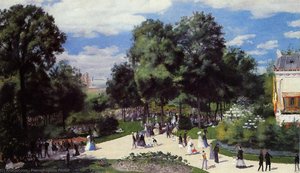
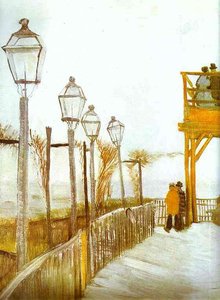
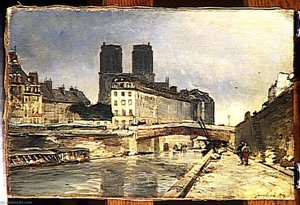
Biografía del artista
**Primeros años y formación**
Maximilien-Jules-Constant Luce, un prolífico artista neoimpresionista francés, nació el 13 de marzo de 1858 en París. Sus padres, de modestos recursos, fueron Charles-Désiré Luce (1823–1888), empleado ferroviario, y Louise-Joséphine Dunas (1822–1878). La familia residía en Montparnasse, un distrito obrero de París.**Evolución Artística**
El viaje artístico de Luce comenzó como aprendiz de grabador en madera, Henri Théophile Hildebrand (1824–1897) en 1872. Posteriormente, se centró en la pintura, primero como impresionista, luego como puntillista y finalmente regresando al impresionismo. Esta evolución es evidente en sus obras, como "Las Tuileries en París" (puntillismo) y "El Sena en Andelys" (puntillismo), que demuestran su dominio del color y la luz.**Obras Notables y Exposiciones**
- “En la orilla del Sena en Poissy” (1895), una radiante pintura puntillista, fue elogiada por un crítico del New York Times como "una celebración lírica de la naturaleza".
- Luce expuso en cada muestra de Les Indépendants desde 1887 hasta su muerte en 1941, incluyendo una retrospectiva de treinta años celebrada en 1926.
- Fue elegido vicepresidente de la Société des Artistes Indépendants en 1909 y presidente en 1935.
**Legado y Colecciones de Museos**
Las obras de Luce se pueden encontrar en diversas colecciones de museos, incluyendo el Musée d'Orsay, que alberga una impresionante colección de maestros impresionistas y postimpresionistas. Descubra las obras maestras del museo de Francia.- Explore la técnica puntillista de Luce en su pintura, “Las orillas del Sena” (puntillismo), que muestra su estilo único. Pintura de 'Maximilien Luce' | Maximilien Luce: Las orillas del Sena (puntillismo)
- Aprenda más sobre la evolución artística de Luce y sus contribuciones al movimiento neoimpresionista. Maximilien Luce - Wikipedia
- Descubra más obras maestras con ArtsDot.com, que proporciona reproducciones de alta calidad de las obras de Luce, incluyendo “El Pont-Neuf, París” (puntillismo). Pintura de 'Maximilien Luce' | Maximilien Luce: El Pont-Neuf, París (puntillismo)
**Influencia e Importancia Histórica**
Maximilien Luce se destacó por su capacidad para combinar la precisión científica del puntillismo con una sensibilidad impresionista. Su obra refleja un profundo amor por el paisaje parisino y la vida cotidiana, capturando momentos de luz y color con una técnica distintiva. Aunque a menudo eclipsado por figuras más prominentes del neoimpresionismo como Seurat y Signac, Luce desarrolló su propio estilo único, caracterizado por pinceladas más libres y una paleta vibrante. Su compromiso con Les Indépendants lo convirtió en un defensor de la libertad artística y contribuyó al desarrollo del arte moderno en Francia. Su legado reside en su habilidad para traducir la belleza efímera del mundo que le rodeaba en obras de arte atemporales, ofreciendo una visión personal e íntima de la vida urbana y rural a finales del siglo XIX y principios del XX.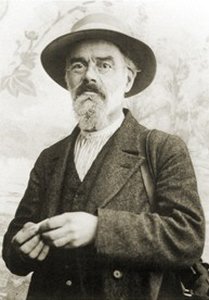
Maximilien Luce
1858 - 1941 , Francia
Datos clave
- Estilo Artístico: Neoimpresionismo, Puntillismo
- Fecha De Muerte: 1941
- Fecha De Nacimiento: 13 de marzo de 1858
- Lugar De Nacimiento: París, Francia
- Nacionalidad: Francesa
- Nombre Completo: Maximilien Luce
- Obras Notables:
- El Sena en Poissy
- Los Tuileries en París
- El Sena en Andelys
- Le Pont-Neuf, París
Artículos relacionados
Islas Cromáticas: Explorando la Teoría y el Legado del Puntillismo en el Arte del Siglo XIX
Descubre el puntillismo: su origen, técnica innovadora y los artistas clave como Seurat y Signac. Explora la ciencia del color y su legado en la historia del arte. ¡Un análisis profundo y fascinante!

Georges Seurat: Las 25 Obras Maestras del Pionero Puntillista | ArtsDot
Descubre las 25 obras maestras de Georges Seurat, el innovador del puntillismo. Explora su técnica única, colores vibrantes y legado artístico en ArtsDot.com. Reproducciones de arte de museo para tu hogar.
Camille Pissarro: Pioneer of Impressionism & Father of Modern Art – A Legacy Explored
Explore the life & art of Camille Pissarro, a pivotal figure in Impressionism and Post-Impressionism. Discover his techniques, influences, and lasting legacy on modern painting. Learn more at ArtsDot.
Paul Signac: Pointillism, Politics & the Pursuit of Harmony in Modern Art
Explore the life & art of Paul Signac, a key figure in Neo-Impressionism. Discover his Pointillist technique, anarchist beliefs, and stunning coastal scenes. Learn about his influence on modern art history.
Georges Seurat: Pointillism, Perception & the Scientific Foundations of Modern Art
Explore the revolutionary art of Georges Seurat and the science behind Pointillism. Discover chromoluminarism, optical mixing, and the lasting impact of Neo-Impressionism on modern art history.