

 Ver en contexto
 Enviar
 Compartir
 Detalles

 Descargar
 Similares
 Radiografía
 Presentación de diapositivas
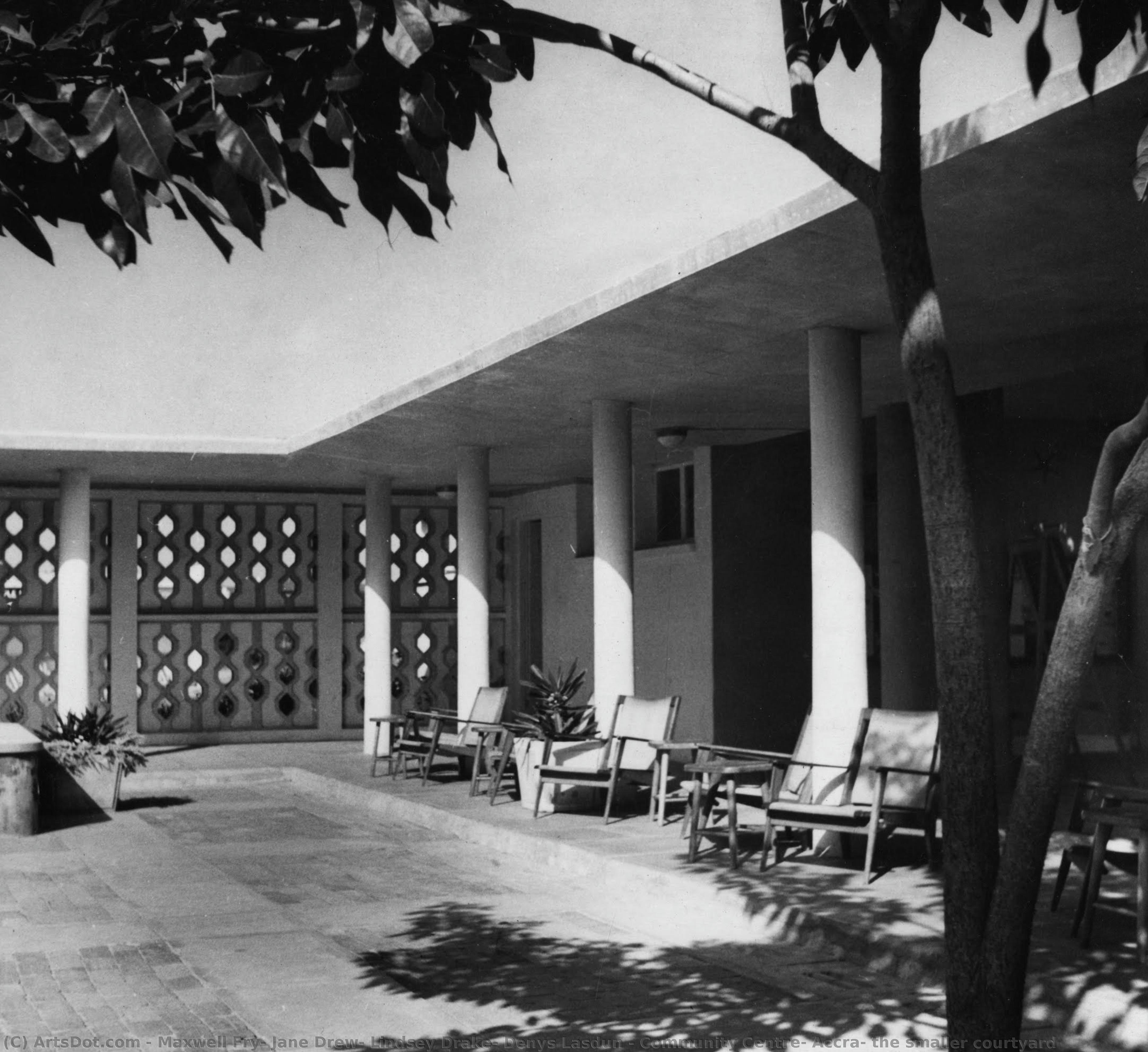
Community Centre, Accra: the smaller courtyard


 Ver más
Reproducción al óleo hecha a mano
Óleo sobre lienzo pintado a mano en el tamaño y marco de su elección, realizado por encargo por nuestros artistas. ( Comprar impresión Comprar imagen)




































Elija entre nuestros tamaños predefinidos que respetan las proporciones originales de la obra.

Puede ingresar sus propias dimensiones para adaptarse a un marco o espacio específico. Si el tamaño seleccionado no coincide con las proporciones de la imagen original, recortaremos la obra o extenderemos la pintura con elementos adicionales pintados a mano. Se le enviará una maqueta digital para su aprobación antes de comenzar la producción.
Tenga en cuenta que la vista previa en pantalla no refleja el recorte o la extensión reales. Solo la maqueta mostrará con precisión la composición final.
Si bien existen tamaños personalizados, recomendamos seleccionar una dimensión de la lista predefinida para preservar las proporciones originales.
Tras realizar el pedido, el equipo de ArtsDot.com enviará un correo electrónico al cliente para solicitar instrucciones y proporcionarle una vista previa del boceto.
Envío a todo el mundo () en 3-4 semanas en lugar de las 5 semanas estándar. (3 septiembre). Sin comprometer la calidad.

Envío exprés gratuito a todo el mundo

Lienzo de lino de alta calidad

Seguro de envío total

Garantía de reembolso de impuestos aduaneros

Garantía de fidelidad cromática exacta

Política de devolución de 60 días (solo por defectos)

Garantía de devolución del 100% del dinero

Descuento por cantidad
 La opción de vidrio solo está disponible en tamaños inferiores a 110 cm.

Community Centre, Accra: the smaller courtyard
Técnica de reproducción
Dimensiones de la reproducción
-


Precio total final
$ 263
Obras relacionadas








Biografía del artista
The Pioneering Partnership: Maxwell Fry, Jane Drew, and the Shaping of Modern Britain
Maxwell Fry, Jane Drew, Lindsey Drake, and Denys Lasdun – collectively known as Fry, Drew & Partners – represent a pivotal moment in British architectural history. Established in 1950, this partnership wasn’t merely a collection of talented architects; it was a dynamic collaboration that fundamentally reshaped the landscape of post-war Britain and beyond. Their work, characterized by a unique blend of modernist principles, tropical design sensibilities, and an acute awareness of local context, continues to resonate today. The firm's story is one of innovation, social responsibility, and a profound engagement with the challenges and opportunities presented by a rapidly changing world.Early Years and the Rise of Modernism
Maxwell Fry’s journey began in Liverpool, where he honed his skills at the prestigious Liverpool Institute High School. Initially trained in neo-classical styles, Fry underwent a significant shift towards modernism during his time at university, profoundly influenced by figures like Walter Gropius and Le Corbusier. This transition wasn't simply aesthetic; it reflected a deep desire to address social issues through design – a core tenet of the movement. He believed architecture could be a tool for positive change, creating spaces that were not only beautiful but also functional and accessible to all. Jane Drew, born Iris Radcliffe Drew in Croydon, also possessed a strong artistic background, studying architecture at the Architectural Association School in London. Her early career was marked by collaboration with her husband, James Alliston, and she quickly established herself as a skilled designer and planner, known for her meticulous attention to detail and innovative use of materials. The partnership between Fry and Drew began in 1942, solidifying their shared vision for a new era of British architecture – a vision rooted in functionality, simplicity, and social responsibility.Chandigarh: A Masterpiece of Tropical Modernism
Perhaps the firm’s most enduring legacy is its role in designing Chandigarh, the planned capital city of Punjab, India. Commissioned in 1950, this ambitious project involved collaboration with Le Corbusier and Pierre Jeanneret – a truly remarkable confluence of architectural genius. Fry, Drew, Drake, and Lasdun were instrumental in translating Le Corbusier’s visionary plans into a tangible reality, adapting modernist principles to the specific climatic conditions and cultural context of India. The resulting city – characterized by its geometric forms, open spaces, and use of local materials like sandstone and concrete – is widely considered a landmark achievement in tropical architecture and a testament to the firm's ability to create functional, beautiful, and socially conscious urban environments. The community centre at Accra, Ghana, showcases their approach to creating spaces that foster social interaction within a tropical climate, demonstrating a thoughtful consideration of light, ventilation, and local materials. The project was not without its challenges, requiring careful negotiation with Indian authorities and adaptation to local building practices.Expanding Horizons: Tropical Design and Global Influence
Following Chandigarh, Fry, Drew & Partners continued to expand their reach, undertaking projects across Africa, the Middle East, and India. They were particularly adept at adapting modernist principles to tropical climates, pioneering innovative solutions for ventilation, shading, and material selection. Their work in West Africa, including schools and universities, demonstrated a commitment to improving educational facilities while respecting local traditions and resources. The firm’s influence extended beyond individual buildings; they played a key role in shaping urban planning strategies and promoting sustainable design practices. The collaboration with Denys Lasdun brought a distinct Brutalist aesthetic to some of these projects, creating a diverse portfolio that showcased their collective creativity and commitment to innovation. Lindsey Drake's contributions were equally significant, particularly in the early years of the firm, focusing on residential designs and urban planning strategies. The partnership’s willingness to embrace diverse cultural contexts—from the bustling streets of Accra to the vast landscapes of India—established them as global architects with a unique perspective.Denys Lasdun and the Legacy of Collaboration
While Maxwell Fry and Jane Drew formed the core of the firm, the addition of Lindsey Drake and Denys Lasdun in 1952 broadened their scope and expertise. Lasdun, a prominent figure in Brutalist architecture, brought a distinct aesthetic sensibility to the partnership. Drake’s contributions were equally significant, particularly in the early years of the firm, focusing on residential designs and urban planning strategies. The collaboration between these four architects resulted in a diverse portfolio of projects that showcased their collective creativity and commitment to innovation. Though Drake left the firm in 1963, his influence remained integral to its continued success. Fry's later work, including his autobiographical sketches, provides valuable insight into the collaborative dynamics within the partnership and the evolution of his architectural philosophy. The legacy of Fry, Drew & Partners endures not only through their iconic buildings but also as a model for collaborative design and social responsibility in architecture.
Maxwell Fry
1950 - , Reino Unido
Datos clave
- Artistic Movement Or Style: Modernismo tropical, Postmodernismo británico
- Artists Or Movements Influenced By This Artist:
- Jane Drew
- Denys Lasdun
- Artists Who Influenced This Artist:
- Le Corbusier
- Walter Gropius
- Pierre Jeanneret
- Date Of Birth: 1950 (Londres, UK)
- Date Of Death: Vivo
- Full Name: Maxwell Fry, Jane Drew, Lindsey Drake, Denys Lasdun
- Nationality: Británico
- Notable Artworks:
- Centro comunitario Accra
- Complejo Chandigarh
- Place Of Birth: Londres, Reino Unido

