 Ver en contexto
 Enviar
 Compartir
 Detalles

 Descargar
 Similares
 Radiografía
 Presentación de diapositivas
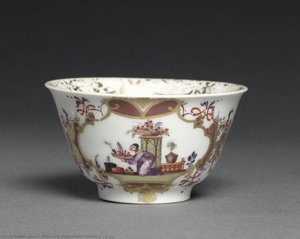
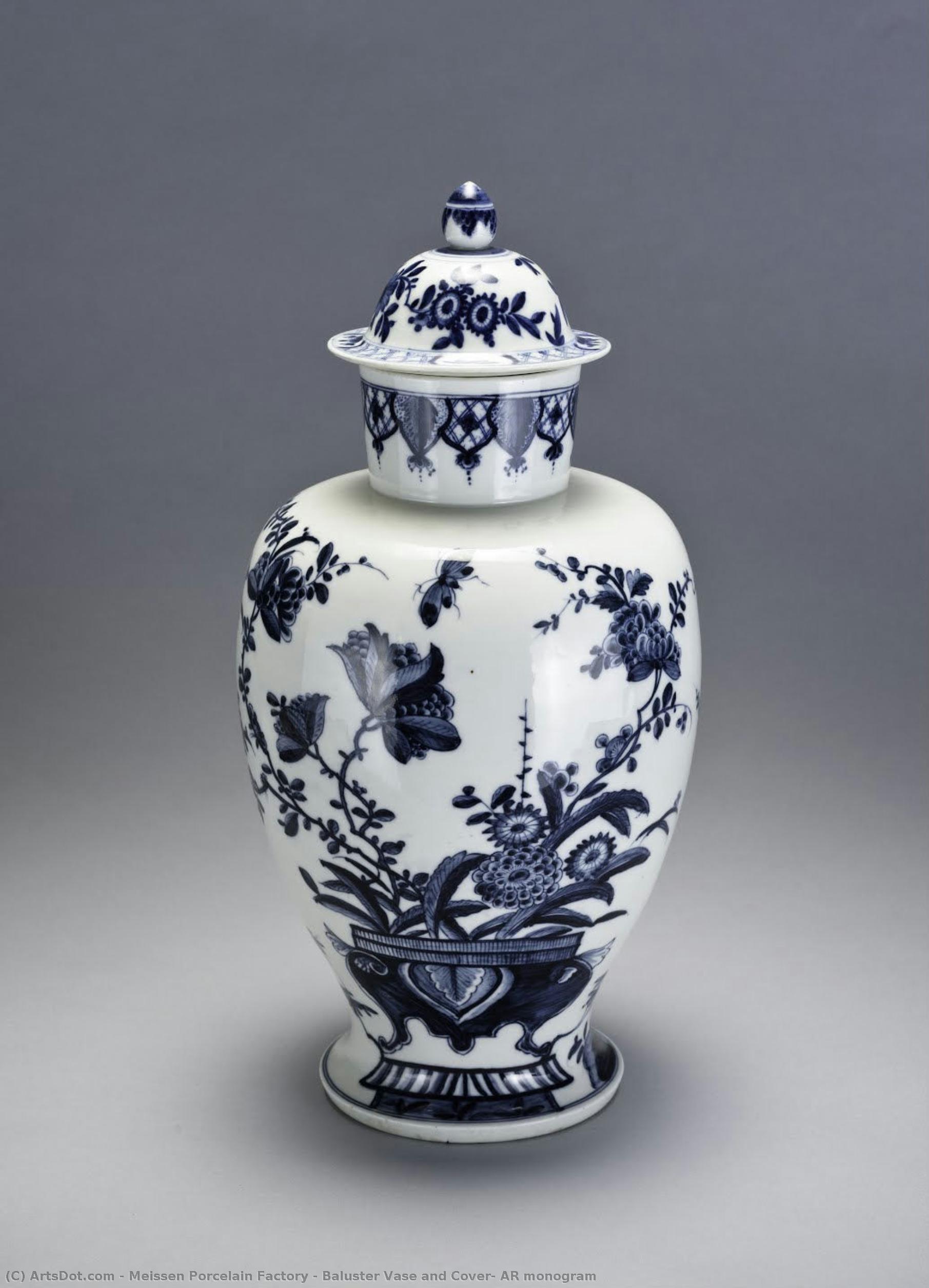
Baluster Vase and Cover, AR monogram
 41.0 x 21.0 cm
 Legion of Honor
 Ver más
Adquiera una imagen digital de alta resolución y optimizada, muy superior a la vista previa en línea.
Cada archivo es preparado meticulosamente por nuestros especialistas internos mediante el uso de herramientas avanzadas y un experto retoque manual. Nos aseguramos de que cada imagen posea una claridad excepcional, una precisión cromática impecable y un detalle minucioso.
El archivo final se entrega por correo electrónico en un plazo de 72 horas, optimizado para su uso inmediato en entornos profesionales, editoriales y de impresión. Esta es la misma calidad en la que confían los estudios de diseño, las editoriales y las galerías de primer nivel.
Imagen Digital
Descarga un archivo de alta resolución para exhibición personal, impresión y proyectos creativos. ( Comprar impresión Comprar pintura hecha a mano)
Incluido en cada pedido de imágenes digitales
Entrega digital experta, garantizada.
Al elegir ArtsDot.com, no solo está adquiriendo una imagen; está recibiendo una obra de arte digital mejorada profesionalmente, elaborada con precisión y respaldada por una garantía de satisfacción. Esto es todo lo que incluye su pedido, automáticamente:

Entrega rápida por email
Recibirá su archivo de imagen digital en alta resolución por correo electrónico en un plazo de 72 horas tras realizar su pedido, listo para su uso inmediato.

Archivo digital optimizado por IA
Su obra de arte se optimiza profesionalmente mediante herramientas avanzadas de IA y edición manual, garantizando el máximo detalle, claridad y precisión cromática.

Reenvío gratuito de por vida
¿Has borrado o perdido tu archivo por error? No te preocupes: te lo volveremos a enviar en cualquier momento, sin coste adicional.

Sin gastos de importación, siempre
Disfrute de su obra de arte al instante sin aduanas, aranceles ni gastos de envío; las descargas digitales siempre están libres de impuestos.

Garantía de fidelidad de color
Garantizamos que su imagen digital refleje los colores originales con la mayor fidelidad posible, mediante el uso de herramientas profesionales y gestión del color.

Garantía de satisfacción de 60 días
Si no está satisfecho con su imagen digital, la revisaremos o le reembolsaremos el 100% en un plazo de 60 días, sin preguntas.

100% Garantía de devolución de dinero
¿No está satisfecho? Obtenga un reembolso completo dentro de los 60 días posteriores a la recepción de su archivo digital, sin necesidad de explicaciones.

Descuentos por pedidos grandes
Compra 3 imágenes, ahorra 10% - Compra 5, ahorra 15% - Compra 10+, ahorra 20%. Ideal para proyectos creativos, galerías y agencias.
Obras relacionadas








Biografía del artista
The Enduring Legacy of Meissen Porcelain
The story of Meissen porcelain is inextricably linked to the ambition of Augustus the Strong, Elector of Saxony and King of Poland, a ruler consumed by a passion for collecting and creating objects of unparalleled beauty. While not an artist in the traditional sense, his vision birthed what would become the first successful European hard-paste porcelain manufactory – the Meissen Porcelain Factory, established in 1710. Before this moment, Europe relied on imports from China, a source shrouded in mystery and subject to fluctuating trade relations. Augustus’s desire was not merely to possess these coveted wares but to unlock their secrets and establish Saxony as a rival center of porcelain production. This quest began with the recruitment of Johann Friedrich Böttger, an alchemist initially tasked with discovering the philosopher's stone, who serendipitously stumbled upon the formula for hard-paste porcelain while experimenting with various materials in Dresden.Early Innovations and Rococo Flourishes
The initial years were dedicated to perfecting the process – a complex undertaking involving kaolin (white clay), quartz, feldspar, and meticulous firing techniques. By 1713, Meissen was producing porcelain that rivaled its Chinese counterpart in quality and translucence. The early pieces, often referred to as “onion shape” due to their distinctive form, were decorated with vibrant colors inspired by Eastern motifs. However, the factory quickly moved beyond imitation, embracing a distinctly European aesthetic. Under the artistic direction of figures like Johann Gregorius Höroldt, Meissen porcelain became synonymous with the Rococo style. Delicate scenes of courtly love, playful allegories, and intricate floral arrangements adorned teacups, figurines, and elaborate tableware. The factory’s mastery extended to innovative sculptural forms, particularly small, exquisitely detailed animal sculptures and figures of harlequins and musicians. This period saw the development of underglaze blue painting, a technique that allowed for incredibly fine detail and depth of color, becoming a hallmark of Meissen's early production. Höroldt’s influence was pivotal in establishing the factory’s reputation for both technical excellence and artistic refinement.The Kändler Era: A Golden Age
The arrival of Johann Joachim Kändler in 1731 marked a turning point, ushering in what is widely considered Meissen's golden age. Kändler, a sculptor of exceptional talent, revolutionized the factory’s output with his lifelike figurines and elaborate table centerpieces. His most celebrated creation, the “Swan Service” (begun in 1737), commissioned for Count Heinrich von Brühl, remains an iconic example of Rococo extravagance – a sprawling ensemble depicting scenes from Greek mythology populated by hundreds of individually sculpted figures. Kändler’s skill lay not only in his ability to capture anatomical accuracy but also in his understanding of narrative and theatrical composition. He established distinct modeling styles, including the “crossed swords” mark which became synonymous with quality and authenticity. Beyond the Swan Service, Kändler designed numerous other services for European nobility, each reflecting a unique theme and showcasing Meissen’s unparalleled craftsmanship. His influence extended to the creation of allegorical figures representing the months of the year, elements of nature, and scenes from everyday life, solidifying Meissen's position as a leading producer of luxury goods.Neoclassicism and Beyond: Adapting to Changing Tastes
As Rococo gave way to Neoclassicism in the latter half of the 18th century, Meissen adapted its style accordingly. While retaining its commitment to quality, the factory embraced simpler forms, more restrained decoration, and themes inspired by classical antiquity. Sculptors like Johann Peter Melby continued Kändler’s legacy, producing elegant figures based on mythological subjects and portraits of contemporary personalities. The Napoleonic Wars brought disruption, but Meissen persevered, continuing to produce porcelain for a changing world. Throughout the 19th and 20th centuries, the factory experimented with new techniques and styles, including Art Nouveau and Art Deco designs, while always remaining true to its heritage of craftsmanship and artistic innovation.- The introduction of decalcomania in the 19th century allowed for more complex and detailed decoration.
- The factory’s commitment to preserving traditional modeling techniques ensured the continuity of its distinctive style.