

 Ver en contexto
 Enviar
 Compartir
 Detalles

 Descargar
 Similares
 Radiografía
 Presentación de diapositivas
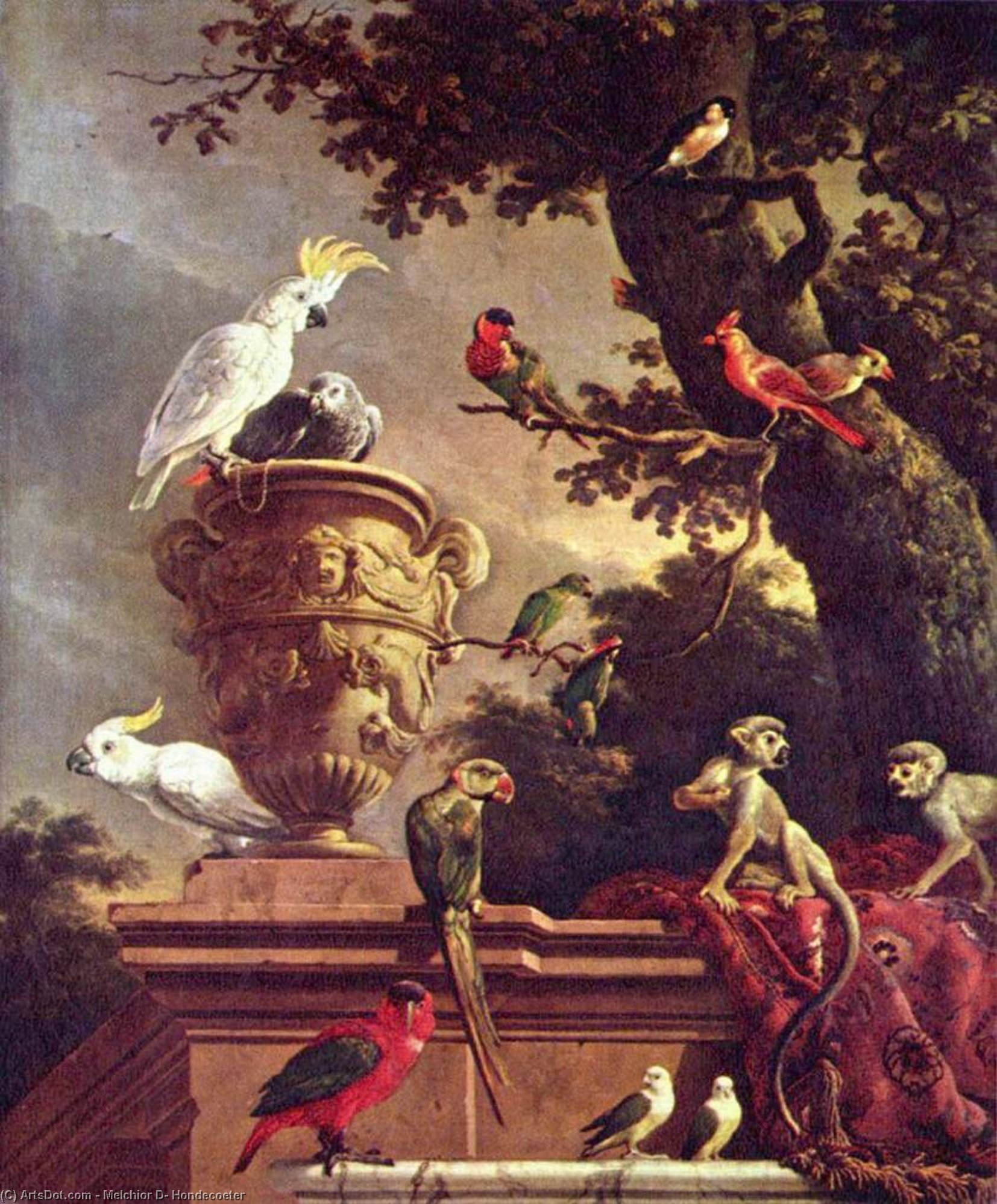
The Menagerie


 Ver más
Reproducción al óleo hecha a mano
Óleo sobre lienzo pintado a mano en el tamaño y marco de su elección, realizado por encargo por nuestros artistas. ( Comprar impresión Comprar imagen)




P118B $10

P118H $10

P118W $10

P438Z $10

P508JH $12

P508YH $12

P805H $10

P805Z $10

P919BZ $10

P919G $10

P919XJ $10

P959ZH $10

P968JZ $12

W106C $8

W218G $10

W218JH $8

W218Y $10

W307PJ $10

W316G $10

W316PJ $8

W316Y $10

W398PJ $8

W4111J $10

W500HY $15

W500JH $15

W692G $12

W849H $8

W940BG $15

W953PJ $8




Elija entre nuestros tamaños predefinidos que respetan las proporciones originales de la obra.

Puede ingresar sus propias dimensiones para adaptarse a un marco o espacio específico. Si el tamaño seleccionado no coincide con las proporciones de la imagen original, recortaremos la obra o extenderemos la pintura con elementos adicionales pintados a mano. Se le enviará una maqueta digital para su aprobación antes de comenzar la producción.
Tenga en cuenta que la vista previa en pantalla no refleja el recorte o la extensión reales. Solo la maqueta mostrará con precisión la composición final.
Si bien existen tamaños personalizados, recomendamos seleccionar una dimensión de la lista predefinida para preservar las proporciones originales.
Tras realizar el pedido, el equipo de ArtsDot.com enviará un correo electrónico al cliente para solicitar instrucciones y proporcionarle una vista previa del boceto.
Envío a todo el mundo () en 3-4 semanas en lugar de las 5 semanas estándar. (23 agosto). Sin comprometer la calidad.

Envío exprés gratuito a todo el mundo

Lienzo de lino de alta calidad

Seguro de envío total

Garantía de reembolso de impuestos aduaneros

Garantía de fidelidad cromática exacta

Política de devolución de 60 días (solo por defectos)

Garantía de devolución del 100% del dinero

Descuento por cantidad
 La opción de vidrio solo está disponible en tamaños inferiores a 110 cm.

The Menagerie
Técnica de reproducción
Dimensiones de la reproducción
-


Precio total final
$ 263
Descripción de la obra
A Baroque Rhapsody in Feathers: Melchior de Hondecoetter’s “The Menagerie”
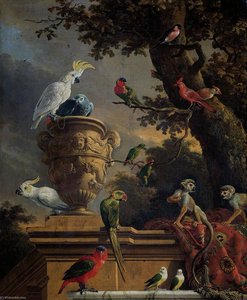
Melchior de Hondecoetter's "The Menagerie," painted circa 1690, isn’t merely a depiction of exotic birds; it’s a vibrant explosion of life, a miniature world teeming with the audacious spirit of the Baroque era. This captivating artwork, now housed within the Rijksmuseum in Amsterdam, transports the viewer to a lavish interior—likely the private chamber of William III—where nature's wildest inhabitants are presented not as trophies of the hunt, but as objects of exquisite beauty and playful curiosity.
The painting’s core is dominated by a monumental vase, its intricately carved surface serving as a stage for an astonishing array of creatures. A magnificent purple-naped lory perches proudly atop it, while a flamboyant macaw surveys the scene with intelligent eyes. Below, a mischievous monkey playfully investigates a delicate porcelain figurine, and a regal eagle observes the proceedings from a nearby branch. Hondecoetter masterfully blends species—a white sulphur-crested cockatoo from Australia shares space with a grey parrot from Africa—creating a harmonious yet dynamic composition that speaks to the artist’s fascination with global fauna.
The Master of Avian Detail: Hondecoetter's Technique
Hondecoetter was a revolutionary figure in Dutch Golden Age painting, distinguished by his unparalleled skill in rendering birds. Unlike earlier depictions which often focused on hunting scenes and presented birds as lifeless specimens, Hondecoetter imbued them with an astonishing sense of vitality and movement. His technique is characterized by meticulous detail—each feather meticulously rendered, each eye gleaming with intelligence—yet it never feels labored or overly realistic. Instead, he employs a loose, painterly style that captures the essence of his subjects’ personalities.
The artist's use of color is particularly noteworthy. He eschews dark, somber tones in favor of vibrant hues—rich blues, fiery reds, and dazzling yellows—that evoke the exotic origins of many of the birds depicted. The interplay of light and shadow further enhances the sense of depth and drama, drawing the viewer into this miniature menagerie.
A Royal Commission & Baroque Symbolism
"The Menagerie" was commissioned by William III, a keen collector of curiosities and an admirer of the natural world. Such lavish displays of exotic animals were not uncommon in royal residences during the 17th century, serving as symbols of wealth, power, and cultural sophistication. The inclusion of diverse species—representing continents far removed from Holland—underscores the king’s global reach and his embrace of foreign cultures.
Beyond its political significance, the painting is rich in symbolic meaning. Birds have long been associated with freedom, spirituality, and divine inspiration. In this context, Hondecoetter's menagerie can be interpreted as a celebration of nature’s beauty and a testament to the king’s appreciation for the wonders of the world.
An Emotional Resonance: Wonder & Delight
More than just a meticulously rendered depiction of animals, “The Menagerie” evokes a profound sense of wonder and delight. The sheer abundance of life—the playful monkeys, the proud birds, the intricate vase—creates an atmosphere of joyous exuberance. Hondecoetter’s masterful composition invites the viewer to lose themselves in this miniature world, experiencing a fleeting moment of escape from the constraints of everyday life.
Reproductions of “The Menagerie” offer a remarkable opportunity to bring this Baroque masterpiece into your home or office. Its vibrant colors and dynamic composition will undoubtedly serve as a source of inspiration and delight for years to come, capturing the spirit of a bygone era and reminding us of the enduring beauty of the natural world.
Obras relacionadas
Biografía del artista
Melchior de Hondecoetter: A Master of Baroque Bird Painting
Melchior de Hondecoetter (c. 1636 – 3 April 1695) stands as a pivotal figure in Dutch Golden Age art, celebrated primarily for his breathtaking depictions of birds—particularly exotic specimens—that embody the spirit and precision characteristic of the Baroque style. Born in Utrecht, Netherlands, he ascended to prominence as an animalier painter, meticulously capturing the dynamism and beauty of avian life with unparalleled skill. His legacy resides not only in the sheer artistry of his canvases but also in his contribution to establishing a distinct visual language that continues to inspire artists today.Early Life and Artistic Training
Information regarding Hondecoetter’s formative years remains somewhat sparse, reflecting the limitations of archival records during the seventeenth century. However, he apprenticed under Willem van Royen, a respected Utrecht painter known for his landscapes and genre scenes, providing him with a foundational understanding of artistic principles and techniques. This early training instilled in Hondecoetter a commitment to observation and realism—qualities that would define his oeuvre throughout his career. He was the grandson of Gilles d’Hondecoeter, whose artistic lineage stretched back centuries, fostering an environment rich in artistic tradition. His father, Gijsbrecht de Hondecoeter, similarly pursued painting, demonstrating a familial dedication to visual arts. Recognizing the importance of formal education, Melchior studied under Jan Baptist Weenix, a prominent Utrecht artist who championed dramatic lighting and expressive brushwork—influences that would profoundly shape Hondecoetter’s artistic vision.Style and Technique: Bold Strokes and Precise Observation
Hondecoetter’s distinctive style is immediately recognizable by its bold brushstrokes, vibrant colors, and masterful rendering of texture. Unlike many of his contemporaries who favored subtle tonal gradations, Hondecoetter embraced expressive marks that conveyed movement and energy—a hallmark of Baroque art. Crucially, he achieved this dynamism through painstaking anatomical study and meticulous attention to detail. He dissected birds with scientific accuracy, meticulously documenting their plumage, musculature, and skeletal structure before translating these observations onto canvas. This dedication to realism elevated Hondecoetter’s paintings beyond mere representation; they communicated a profound understanding of the natural world. His technique involved layering pigments with remarkable precision, creating textures that mimicked feathers and foliage—a testament to his mastery of artistic craftmanship.Notable Works and Commissions
Hondecoeter's artistic reputation soared during his lifetime thanks to numerous prestigious commissions—most notably adorning the royal palaces of Bensberg and Oranienstein. His masterpiece, “The Floating Feather,” exemplifies his stylistic prowess and technical virtuosity. This monumental canvas showcases a magnificent peacock in flight amidst lush foliage, rendered with breathtaking detail and luminous color. Beyond these grand commissions, Hondecoetter produced an impressive body of work encompassing landscapes populated by birds, portraits of avian subjects, and decorative panels for interiors—demonstrating his versatility as an artist. His paintings are housed in prominent collections worldwide, including the Wallace Collection in London and Belton House in England, cementing his place among the most revered painters of his era.Influences and Legacy
Hondecoetter’s artistic vision was shaped by influences ranging from Flemish Baroque masters like Peter Paul Rubens to Italian Mannerist artists such as Caravaggio. He absorbed techniques of dramatic lighting and expressive brushwork—elements that would become integral to his own distinctive style. Furthermore, Hondecoetter fostered a collaborative spirit among his pupils, including Willem Hendrik Wilhemus van Royen and Jan Weenix, ensuring the continuation of his artistic legacy. Today, Melchior de Hondecoetter’s paintings continue to captivate audiences with their beauty and scientific rigor—serving as enduring symbols of Dutch Baroque artistry and demonstrating the transformative power of observation and meticulous craftsmanship. He remains an inspiration for artists striving to capture the essence of nature with unparalleled skill and emotional intensity.
Melchior de Hondecoetter
1636 - 1695 , Países Bajos
Datos clave
- Artistic Movement Or Style: Baroque
- Artists Or Movements Influenced By This Artist: ['William Hendrik Wilhemus van Royen']
- Artists Who Influenced This Artist: ['None Known']
- Date Of Birth: c. 1636
- Full Name: Melchior de Hondecoetter
- Nationality: Dutch
- Notable Artworks:
- The Fight Between a Cock and a Turkey
- Ornamental Fowl in and beside a Pond in a Park, with a Peacock in Flight
- Place Of Birth: Utrecht, Netherlands
Artículos relacionados
Animalia: Explorando la Presencia Duradera de los Animales en el Arte y el Diseño de Interiores
Descubre la fascinante historia de los animales en el arte y cómo inspirar tu hogar con su simbolismo. Expertos en reproducciones y asesoramiento artístico.

Los 10 Maestros del Barroco Holandés: Obras que Definen una Época | ArtsDot
Descubre los 10 imprescindibles del Barroco holandés: Rembrandt, Vermeer y más. Explora la historia, técnica y belleza de estas obras maestras. Reproducciones de arte en ArtsDot.com para decorar tu hogar con elegancia.

Reflejos de una Época Dorada: La Pintura Barroca Holandesa y la Innovación Cultural
Descubra la riqueza y el detalle de la pintura barroca holandesa del Siglo de Oro. Explore las obras maestras de Rembrandt, Vermeer y otros artistas clave. Análisis experto e historia cultural.
Beastly Brushstrokes: A Historical Journey Through Animal Painting & Aesthetic Movements
Explore the rich history of animal painting across cultures & movements. Discover iconic artists, symbolism, collecting trends & expert art consultation at ArtsDot.com.

Barroco Sublime: 10 Obras Maestras que Definieron una Época |
Descubre las 10 obras maestras del Barroco que marcaron una época. Caravaggio, Bernini y Velázquez cobran vida en . Reproducciones de arte de calidad museo para decorar tu hogar con elegancia. ¡Explora la colección online!

