 Ver en contexto
 Enviar
 Compartir
 Detalles

 Descargar
 Similares
 Radiografía
 Presentación de diapositivas
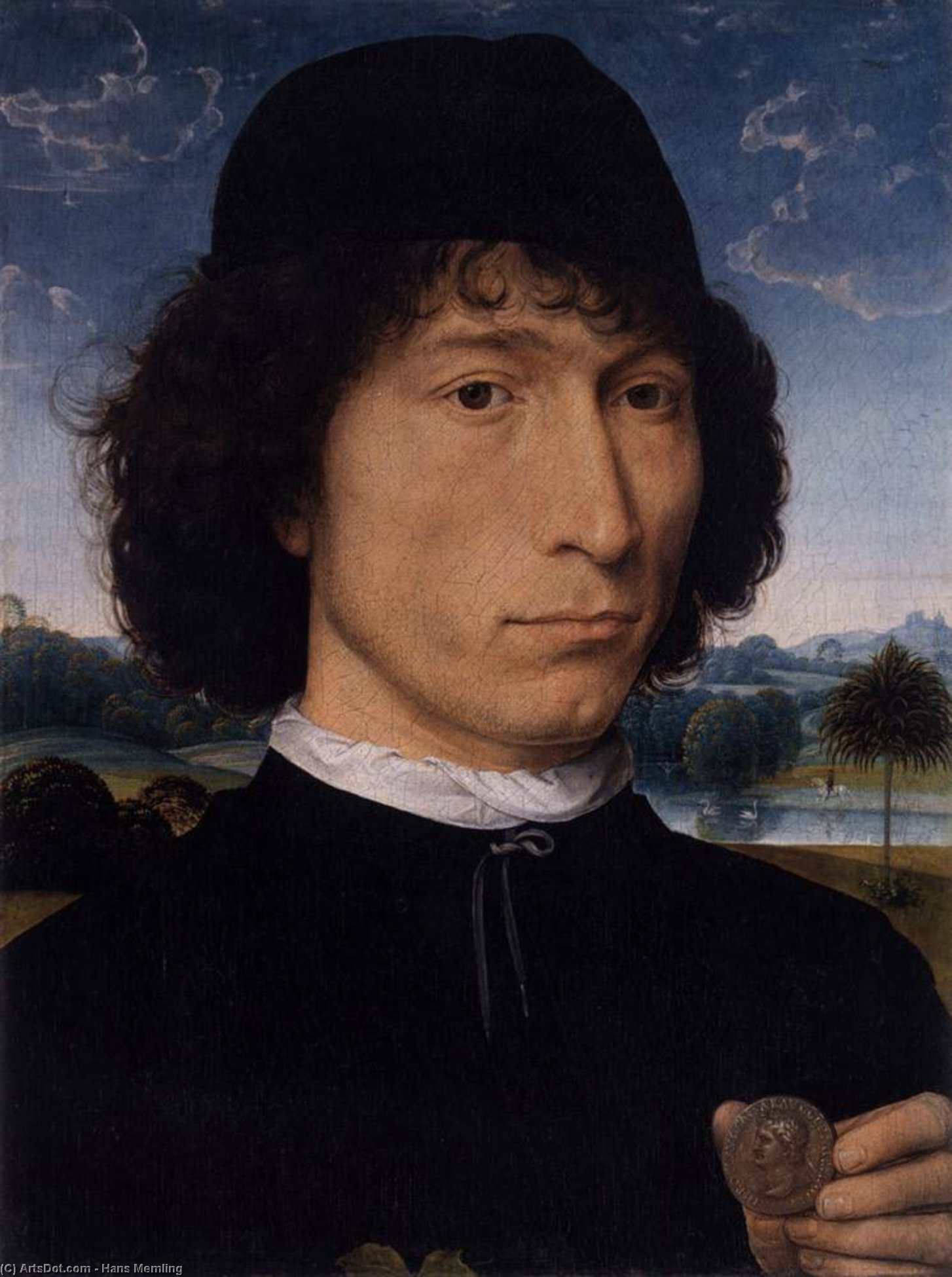
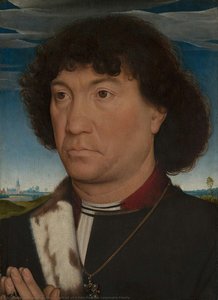
Portrait of a Man with a Roman Coin
 Oil On Panel
- WallArt
- Early Netherlandish Painting
 1480
1480- Renaissance
 31.0 x 23.0 cm
 Koninklijk Museum voor Schone Kunsten
 Ver más
Giclée / Impresión de arte
Impresiones giclée o en lienzo de calidad de museo con producción rápida y opciones de acabado flexibles. ( Comprar pintura hecha a mano Comprar imagen)




P118B $10

P118H $10

P118W $10

P438Z $10

P508JH $12

P508YH $12

P805H $10

P805Z $10

P919BZ $10

P919G $10

P919XJ $10

P959ZH $10

P968JZ $12

W106C $8

W218G $10

W218JH $8

W218Y $10

W307PJ $10

W316G $10

W316PJ $8

W316Y $10

W398PJ $8

W4111J $10

W500HY $15

W500JH $15

W692G $12

W849H $8

W940BG $15

W953PJ $8




Elija entre nuestros tamaños predefinidos que respetan las proporciones originales de la obra.

Puede introducir sus propias dimensiones para adaptarse a un marco o espacio específico. Si el tamaño seleccionado no coincide con las proporciones de la imagen original, recortaremos la obra de arte o extenderemos la imagen con un borde con efecto espejo o de color sólido. Se enviará una maqueta digital para su aprobación antes de que comience la producción.
Tenga en cuenta que la vista previa en pantalla no refleja el recorte o la extensión real. Solo la maqueta mostrará con precisión la composición final.
Aunque existen tamaños personalizados, recomendamos seleccionar una dimensión de la lista predefinida para preservar las proporciones originales.
Envío a todo el mundo () en 2 semanas en lugar de las 4/5 semanas estándar. (31 agosto)

Envío exprés gratuito a todo el mundo

Lienzo de lino de alta calidad

Seguro de envío total

Garantía de reembolso de impuestos aduaneros

Garantía de fidelidad cromática exacta

Política de devolución de 60 días (solo por defectos)

Garantía de devolución del 100% del dinero

Descuento por cantidad
 La opción de vidrio solo está disponible en tamaños inferiores a 110 cm.

Portrait of a Man with a Roman Coin
Giclée / Impresión de arte
Dimensiones de la reproducción
-


Precio total final
$ 62
A Glimpse into the Soul of Flanders
In the quiet, luminous corridors of the Koninklijk Museum voor Schone Kunsten in Antwerp, there exists a window into the late fifteenth century that feels remarkably intimate. Hans Memling’s Portrait of a Man with a Roman Coin, executed around 1480, is far more than a mere record of a sitter's features; it is a profound encounter with the human spirit during the height of the Northern Renaissance. As the viewer approaches this small but mighty panel, they are met with an unwavering gaze from a man who seems to bridge the gap between his era and our own. The subject, captured in a three-quarter view, possesses a quiet dignity that commands attention, his presence anchored by the meticulous detail that defines the Early Netherlandish tradition.
The painting serves as a masterclass in the art of observation. Memling, a student of the legendary Rogier van der Weyden, inherited a legacy of precision that he transformed into something uniquely ethereal. Through the masterful application of oil glazes, the artist achieves a breathtaking luminosity. One can almost feel the weight of the man's dark attire and the subtle texture of his skin, rendered with such accuracy that the portrait transcends the flat surface of the wood. This technique allows light to dance within the layers of paint, creating a soft, inner glow that imbues the sitter with a lifelike vitality, making the piece an ideal centerpiece for any collection seeking to evoke depth and contemplative stillness.
Symbolism and the Humanist Spirit
Beyond the surface beauty lies a complex web of meaning that speaks to the intellectual currents of the age. In his hand, the man holds a Roman coin—specifically a sesterti tius of Emperor Nero. This is no mere accidental detail; it is a deliberate nod to the burgeoning movement of Humanism sweeping through Europe. By displaying this relic of antiquity, the sitter signals his connection to classical knowledge, education, and the revival of ancient wisdom. It suggests a man of intellect and worldly curiosity, someone who finds value in the historical continuity between the Roman past and the Flemish present.
This intellectual weight is beautifully balanced by the serene landscape that unfolds behind him. Memling was a pioneer in integrating naturalistic backgrounds into portraiture, moving away from the stark, dark voids of earlier traditions. The soft depiction of water and distant trees provides a sense of infinite space, offering a psychological release from the intensity of the man's gaze. This juxtaposition of the tangible, metallic coin and the ephemeral, airy landscape creates a poetic tension between the material world and the natural cosmos, inviting the observer to reflect on their own place within the passage of time.
An Enduring Legacy for the Modern Collector
For the discerning collector or interior designer, a reproduction of this masterpiece offers much more than aesthetic appeal; it provides an atmosphere of timeless sophistication. The muted palette and the profound sense of tranquility inherent in Memling's work make it a versatile addition to a variety of sophisticated interiors, from classical studies to contemporary minimalist spaces. It acts as a conversational anchor, drawing the eye and inviting long periods of quiet study.
Owning a high-quality hand-painted reproduction of this work allows one to bring the golden age of Bruges into the modern home. The emotional impact of the piece—its ability to evoke both curiosity and peace—remains undiminished by the centuries. It is an investment in beauty, a tribute to the meticulous craftsmanship of the Flemish masters, and a permanent invitation to engage with the profound mysteries of human identity and history.
Obras relacionadas
Biografía del artista
Hans Memling: El Maestro de Detalle de Brujas y Patronazgo
Hans Memling (c. 1430 – agosto 11, 1494), nacido en Seligenstadt, Alemania, ocupa un lugar destacado entre los artistas de la pintura neerlandesa temprana —un movimiento caracterizado por el realismo exquisito, la observación meticulosa de la naturaleza y la profunda contemplación espiritual—. Aunque sus primeros años transcurrieron principalmente en el ámbito artístico del Rin, su trayectoria finalmente lo llevó a Brujas, Bélgica, donde se estableció como uno de los artistas más destacados de su tiempo y cultivó un amplio taller que difundió su estilo distintivo por toda Europa.Primeros años y aprendizaje
Los detalles biográficos precisos sobre el nacimiento de Memling siguen siendo esquivos, pero el consenso académico sugiere que emergió de Mainz alrededor de 1430. Su educación artística comenzó bajo la tutela de Rogier van der Weyden, un gigante de la pintura flamenca cuyo dominio del óleo y el modelado escultórico influyó profundamente en la técnica de Memling. Esta formación inculcó en él una dedicación inquebrantable al detalle —una característica que definiría su obra— estableciendo las bases para su futuro éxito artístico.Brujas y el taller
Para 1465, Memling obtuvo ciudadanía en Brujas, un centro comercial floreciente y epicentro artístico. Reconociendo el potencial de la creatividad colaborativa, fundó un taller con numerosos asistentes, fomentando un entorno de innovación y coherencia estilística. Este taller fue reconocido por producir reproducciones impresionantes de obras maestras —un testimonio del talento de Memling tanto como artista como pedagogo— convirtiéndose en una fuerza impulsora en el desarrollo artístico de la ciudad. Además, Memling acumuló riqueza gracias a sus encargos, demostrando su habilidad para atraer clientes importantes y asegurar proyectos prestigiosos.Un estilo definido por precisión y patrocinio
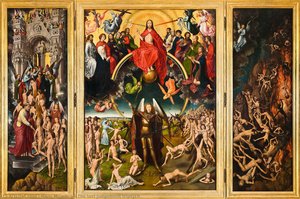
El estilo artístico de Memling es inmediatamente reconocible: caracterizado por paletas cromáticas luminosas, capas de tejido plisado delicadamente trabajadas y un nivel asombroso de precisión anatómica. Estudió meticulosamente la anatomía humana —inspirándose en esculturas clásicas— para lograr un realismo sin precedentes en sus retratos y escenas religiosas por igual. Como muchos contemporáneos que favorecían pinceladas expresivas, Memling priorizó una observación cuidadosa y una ejecución meticulosa, lo que resultó en imágenes impregnadas de belleza serena y profundidad espiritual. Sus obras reflejan la influencia del Renacimiento italiano, especialmente en el uso de elementos escultóricos y ornamentación elaborada para crear espacios interiores impresionantes.- Obras maestras religiosas: Memling alcanzó la fama gracias a encargos lucrativos de clientes religiosos —principalmente clérigos y familias aristocráticas— que buscaban representaciones de santos y narrativas bíblicas que resonaran con piedad y prestigio. Ejemplos notables incluyen “El Juicio Final” en el Hospital St John de Brujas, una impresionante pintura mural que demuestra la maestría compositiva de Memling y su uso dramático del color.
- Retratos: Memling destacó como pintor de retratos, capturando los rasgos de figuras prominentes con notable sensibilidad y comprensión psicológica —una habilidad que consolidó su lugar entre los artistas más grandes de su época—. Sus retratos —como “Retrato de un hombre con una flecha”— demuestran su capacidad para transmitir carácter mediante gestos sutiles y expresiones faciales— una cualidad que marcó una diferencia significativa en comparación con otros artistas contemporáneos.
Influencia y legado
El legado artístico de Memling trascendió su propia vida. Su taller produjo una amplia variedad de pinturas —muchas similares a las originales del artista— que propagaron el estilo distintivo de Memling por toda Flandes y más allá. Además, la técnica meticulosa de Memling sirvió como inspiración para generaciones posteriores de artistas —particularmente Quentin Massys, quien estableció la Escuela Antwerpen— consolidando así la posición de Memling como piedra angular del arte flamenco renacentista. Su obra sigue siendo estudiada y admirada por historiadores de arte y artistas contemporáneos como testimonio de su impacto duradero en el desarrollo artístico europeo.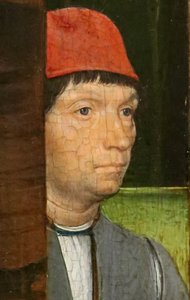
Hans Memling
Alemania
Datos clave
- Artistic Movement Or Style: Arte Flamenco Primitivo
- Artists Or Movements Influenced By This Artist: ['Escuela Antwerpen']
- Artists Who Influenced This Artist: ['Rogier van der Weyden']
- Date Of Birth: c. 1430
- Date Of Death: August 11, 1494
- Full Name: Hans Memling
- Nationality: Alemana-Flamenca
- Notable Artworks:
- El Juicio Final
- Tríptico Donne
- Virgen con el Niño
- Place Of Birth: Seligenstadt, Alemania
Artículos relacionados
El Amanecer de una Nueva Visión: La Pintura Flamenca Primitiva (Siglos XV-XVI) y su Legado Revolucionario
Descubra la riqueza y el simbolismo de la pintura flamenca primitiva (siglos XV-XVI). Explore las obras maestras de Van Eyck, van der Weyden y más. Análisis experto e historia del arte en ArtsDot.
El Amanecer de una Nueva Visión: La Pintura Flamenca Primitiva y su Revolución Artística (Siglos XV-XVI)
Descubre la revolución artística de los Primitivos Flamencos (siglos XV-XVI). Explora su técnica innovadora del óleo, el simbolismo oculto en sus obras y el legado de maestros como Van Eyck y Weyden. ¡Un viaje profundo al Renacimiento nórdico!

Los 10 Maestros del Primitivo Flamenco: Obras que Definen un Arte Inigualable | ArtsDot
Descubre los 10 imprescindibles del Primitivo Flamenco: Jan van Eyck, Robert Campin y más. Explora la historia, simbolismo y técnica de estas obras maestras renacentistas tempranas. Encuentra reproducciones de arte de museo en ArtsDot.com.
Gerard David: Bridging Late Medieval Tradition with Early Renaissance Humanism
Explore the captivating world of Gerard David, a pivotal figure bridging late medieval artistry with the Early Renaissance. Discover his innovative techniques, religious masterpieces, and enduring legacy – a must-read for discerning art collectors.
Sacred Narratives Embodied: A Comprehensive Exploration of Religious Iconography in Art History
Explore the rich history of religious iconography in art! Discover symbolism, movements & masterpieces from Byzantine to Renaissance periods. Expert insights for collectors and enthusiasts at ArtsDot.