 Ver en contexto
 Enviar
 Compartir
 Detalles

 Descargar
 Similares
 Radiografía
 Presentación de diapositivas
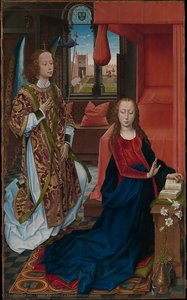
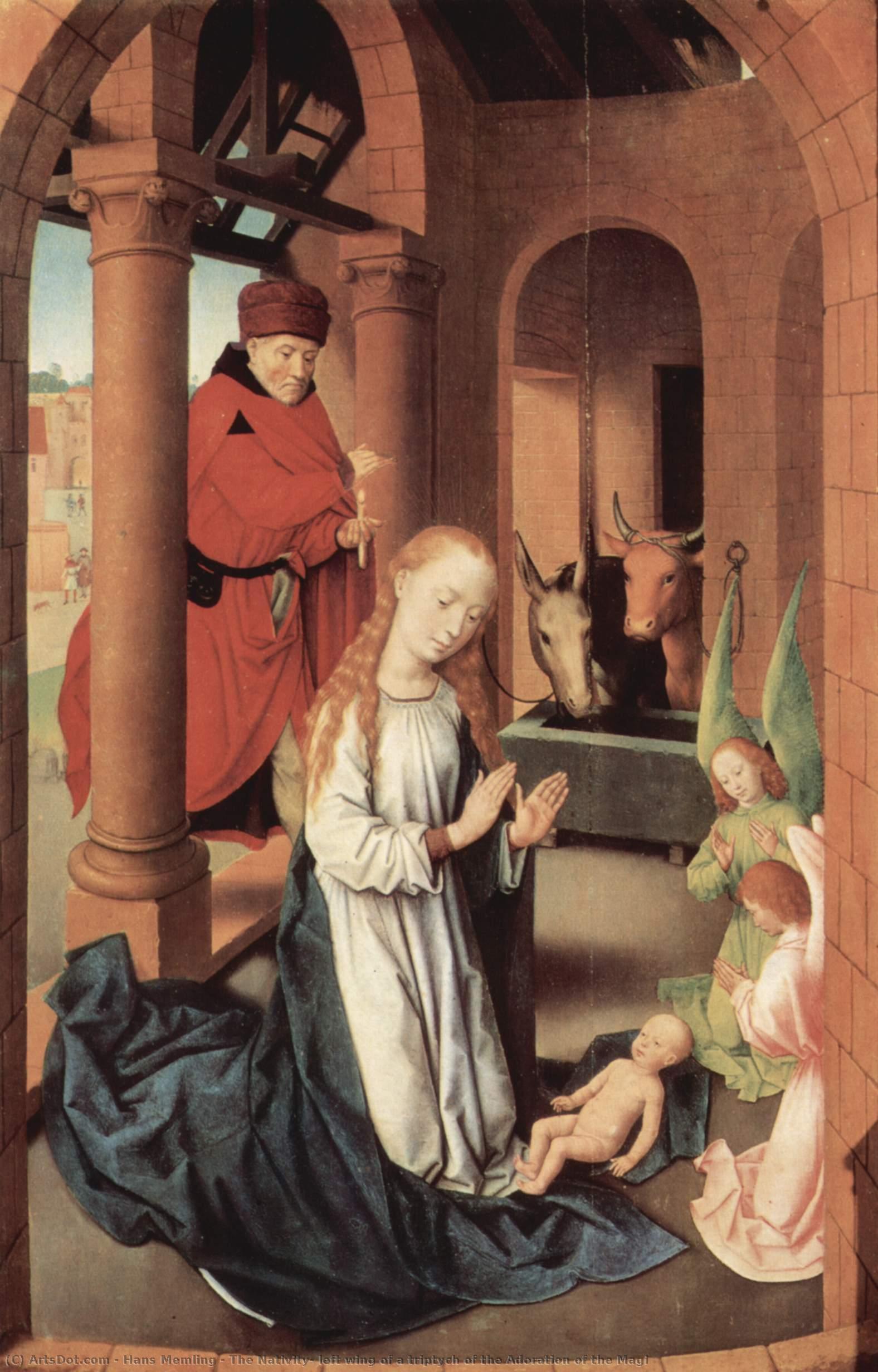
The Nativity, left wing of a triptych of the Adoration of the Magi
 Oil On Canvas
- WallArt
- Northern Renaissance
 1472
1472 95.0 x 63.0 cm
 Museo del Prado
 Ver más
Reproducción al óleo hecha a mano
Óleo sobre lienzo pintado a mano en el tamaño y marco de su elección, realizado por encargo por nuestros artistas. ( Comprar impresión Comprar imagen)




P118B $10

P118H $10

P118W $10

P438Z $10

P508JH $12

P508YH $12

P805H $10

P805Z $10

P919BZ $10

P919G $10

P919XJ $10

P959ZH $10

P968JZ $12

W106C $8

W218G $10

W218JH $8

W218Y $10

W307PJ $10

W316G $10

W316PJ $8

W316Y $10

W398PJ $8

W4111J $10

W500HY $15

W500JH $15

W692G $12

W849H $8

W940BG $15

W953PJ $8




Elija entre nuestros tamaños predefinidos que respetan las proporciones originales de la obra.

Puede ingresar sus propias dimensiones para adaptarse a un marco o espacio específico. Si el tamaño seleccionado no coincide con las proporciones de la imagen original, recortaremos la obra o extenderemos la pintura con elementos adicionales pintados a mano. Se le enviará una maqueta digital para su aprobación antes de comenzar la producción.
Tenga en cuenta que la vista previa en pantalla no refleja el recorte o la extensión reales. Solo la maqueta mostrará con precisión la composición final.
Si bien existen tamaños personalizados, recomendamos seleccionar una dimensión de la lista predefinida para preservar las proporciones originales.
Tras realizar el pedido, el equipo de ArtsDot.com enviará un correo electrónico al cliente para solicitar instrucciones y proporcionarle una vista previa del boceto.
Envío a todo el mundo () en 3-4 semanas en lugar de las 5 semanas estándar. (26 agosto). Sin comprometer la calidad.

Envío exprés gratuito a todo el mundo

Lienzo de lino de alta calidad

Seguro de envío total

Garantía de reembolso de impuestos aduaneros

Garantía de fidelidad cromática exacta

Política de devolución de 60 días (solo por defectos)

Garantía de devolución del 100% del dinero

Descuento por cantidad
 La opción de vidrio solo está disponible en tamaños inferiores a 110 cm.

The Nativity, left wing of a triptych of the Adoration of the Magi
Técnica de reproducción
Dimensiones de la reproducción
-


Precio total final
$ 263
Descripción de la obra
A Moment Frozen in Time: Hans Memling’s “The Nativity”
Hans Memling's "The Nativity, left wing of a triptych of the Adoration of the Magi," painted circa 1472, isn’t merely a depiction of a biblical scene; it’s a carefully constructed tableau brimming with devotional intensity and exquisite technical detail. Created during his pivotal years in Bruges, this panel offers a poignant glimpse into the burgeoning artistic landscape of early Netherlandish painting – a period defined by its profound realism, meticulous observation of nature, and an almost palpable sense of spiritual contemplation. The work immediately draws the viewer into a serene, intimate space, dominated by the central figure of Mary cradling the infant Jesus. Her posture is one of quiet reverence, her hands gently clasped in prayer, radiating a maternal tenderness that transcends the painted surface.
The composition is masterfully balanced, utilizing a restrained palette of earthy browns, muted blues, and subtle greens to create an atmosphere of solemnity and peace. Memling’s skill lies not just in his rendering of form but also in his ability to imbue the scene with a sense of depth and perspective. The architectural elements – the simple stable, the arched doorway, the supporting columns – are rendered with astonishing precision, grounding the divine event within a believable earthly setting. Notice how he subtly incorporates light, casting gentle shadows that enhance the three-dimensionality of the figures and objects, creating an illusion of reality that is both captivating and deeply moving.
The Symbolism of Humble Devotion
Beyond its technical brilliance, “The Nativity” is rich in symbolic meaning. The stable itself represents humility – a stark contrast to the grandeur often associated with depictions of Christ’s birth. The presence of the ox and donkey further emphasizes this theme, reminding viewers of the simplicity and poverty inherent in the story. The angels surrounding Mary are not depicted as imposing celestial beings but rather as attentive servants, mirroring her role as a devoted mother. The figures' gestures – the outstretched hands, the bowed heads – communicate a profound sense of faith and reverence. Even the placement of the figures within the architectural space carries symbolic weight; the stable is positioned in the background, subtly suggesting that the divine event unfolds within the ordinary world.
The inclusion of the two men standing before the window adds another layer to the narrative. Their presence suggests a moment of quiet contemplation, perhaps reflecting on the significance of the Nativity. Their attire – one clad in red, the other in dark robes – hints at their roles as Joseph and an unnamed figure, adding a touch of earthly realism to the divine scene. The window itself acts as a visual portal, inviting the viewer into the intimate space of Mary’s devotion.
A Masterpiece Within a Larger Context
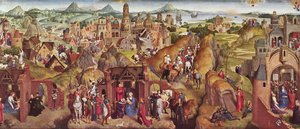
“The Nativity” is part of a larger triptych depicting the Adoration of the Magi, currently housed in the Museo del Prado in Madrid. Memling's workshop produced numerous works during his career, and this panel exemplifies his signature style – characterized by meticulous detail, refined draftsmanship, and a deep understanding of perspective and light. Studying it alongside its counterpart offers a fascinating insight into Memling’s artistic process and his ability to seamlessly integrate religious themes with humanist ideals. The influence of Rogier van der Weyden, Memling's early master, is evident in the painting’s careful attention to detail and its use of oil paint – a technique that allowed for greater realism and luminosity than previous methods.
Reproductions of this work capture only a fraction of its profound beauty and emotional depth. Consider commissioning a high-quality hand-painted reproduction to bring the serenity and spiritual power of “The Nativity” into your home or office – a timeless testament to the enduring legacy of Hans Memling’s artistic genius.
Obras relacionadas
Biografía del artista
Hans Memling: El Maestro de Detalle de Brujas y Patronazgo
Hans Memling (c. 1430 – agosto 11, 1494), nacido en Seligenstadt, Alemania, ocupa un lugar destacado entre los artistas de la pintura neerlandesa temprana —un movimiento caracterizado por el realismo exquisito, la observación meticulosa de la naturaleza y la profunda contemplación espiritual—. Aunque sus primeros años transcurrieron principalmente en el ámbito artístico del Rin, su trayectoria finalmente lo llevó a Brujas, Bélgica, donde se estableció como uno de los artistas más destacados de su tiempo y cultivó un amplio taller que difundió su estilo distintivo por toda Europa.Primeros años y aprendizaje
Los detalles biográficos precisos sobre el nacimiento de Memling siguen siendo esquivos, pero el consenso académico sugiere que emergió de Mainz alrededor de 1430. Su educación artística comenzó bajo la tutela de Rogier van der Weyden, un gigante de la pintura flamenca cuyo dominio del óleo y el modelado escultórico influyó profundamente en la técnica de Memling. Esta formación inculcó en él una dedicación inquebrantable al detalle —una característica que definiría su obra— estableciendo las bases para su futuro éxito artístico.Brujas y el taller
Para 1465, Memling obtuvo ciudadanía en Brujas, un centro comercial floreciente y epicentro artístico. Reconociendo el potencial de la creatividad colaborativa, fundó un taller con numerosos asistentes, fomentando un entorno de innovación y coherencia estilística. Este taller fue reconocido por producir reproducciones impresionantes de obras maestras —un testimonio del talento de Memling tanto como artista como pedagogo— convirtiéndose en una fuerza impulsora en el desarrollo artístico de la ciudad. Además, Memling acumuló riqueza gracias a sus encargos, demostrando su habilidad para atraer clientes importantes y asegurar proyectos prestigiosos.Un estilo definido por precisión y patrocinio
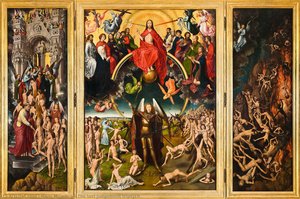
El estilo artístico de Memling es inmediatamente reconocible: caracterizado por paletas cromáticas luminosas, capas de tejido plisado delicadamente trabajadas y un nivel asombroso de precisión anatómica. Estudió meticulosamente la anatomía humana —inspirándose en esculturas clásicas— para lograr un realismo sin precedentes en sus retratos y escenas religiosas por igual. Como muchos contemporáneos que favorecían pinceladas expresivas, Memling priorizó una observación cuidadosa y una ejecución meticulosa, lo que resultó en imágenes impregnadas de belleza serena y profundidad espiritual. Sus obras reflejan la influencia del Renacimiento italiano, especialmente en el uso de elementos escultóricos y ornamentación elaborada para crear espacios interiores impresionantes.- Obras maestras religiosas: Memling alcanzó la fama gracias a encargos lucrativos de clientes religiosos —principalmente clérigos y familias aristocráticas— que buscaban representaciones de santos y narrativas bíblicas que resonaran con piedad y prestigio. Ejemplos notables incluyen “El Juicio Final” en el Hospital St John de Brujas, una impresionante pintura mural que demuestra la maestría compositiva de Memling y su uso dramático del color.
- Retratos: Memling destacó como pintor de retratos, capturando los rasgos de figuras prominentes con notable sensibilidad y comprensión psicológica —una habilidad que consolidó su lugar entre los artistas más grandes de su época—. Sus retratos —como “Retrato de un hombre con una flecha”— demuestran su capacidad para transmitir carácter mediante gestos sutiles y expresiones faciales— una cualidad que marcó una diferencia significativa en comparación con otros artistas contemporáneos.
Influencia y legado
El legado artístico de Memling trascendió su propia vida. Su taller produjo una amplia variedad de pinturas —muchas similares a las originales del artista— que propagaron el estilo distintivo de Memling por toda Flandes y más allá. Además, la técnica meticulosa de Memling sirvió como inspiración para generaciones posteriores de artistas —particularmente Quentin Massys, quien estableció la Escuela Antwerpen— consolidando así la posición de Memling como piedra angular del arte flamenco renacentista. Su obra sigue siendo estudiada y admirada por historiadores de arte y artistas contemporáneos como testimonio de su impacto duradero en el desarrollo artístico europeo.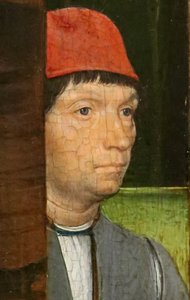
Hans Memling
Alemania
Datos clave
- Artistic Movement Or Style: Arte Flamenco Primitivo
- Artists Or Movements Influenced By This Artist: ['Escuela Antwerpen']
- Artists Who Influenced This Artist: ['Rogier van der Weyden']
- Date Of Birth: c. 1430
- Date Of Death: August 11, 1494
- Full Name: Hans Memling
- Nationality: Alemana-Flamenca
- Notable Artworks:
- El Juicio Final
- Tríptico Donne
- Virgen con el Niño
- Place Of Birth: Seligenstadt, Alemania
Artículos relacionados
Renacimiento Nórdico: 10 Obras Maestras que Transformaron el Arte |
Descubre 10 obras maestras del Renacimiento Nórdico: Jan van Eyck, Durero y más. Explora la historia, el simbolismo y las técnicas de estos icónicos pintores. Encuentra reproducciones de arte exclusivas en .
Hans Holbein the Younger: A Renaissance Portraitist's Mastery of Realism & Psychological Insight
Explore the life & art of Hans Holbein the Younger, a Renaissance master renowned for his strikingly realistic portraits and psychological insight. Discover iconic works like 'The Ambassadors' and delve into his lasting legacy.
El Renacimiento Septentrional: Florecimiento del Realismo y la Innovación Artística
Descubre el Renacimiento Septentrional y la maestría de los Primitivos Flamencos. Explora sus técnicas innovadoras, simbolismo oculto y obras icónicas con ArtsDot.
Hans Baldung Grien: A Renaissance Master of Allegory, Innovation & the Grotesque
Explore the captivating world of Hans Baldung Grien, a Renaissance master renowned for his allegorical paintings, striking woodcuts & unique depictions of mythology and the grotesque. Discover his life, works & legacy with ArtsDot.
The Northern Awakening: Artistic Innovation & Cultural Transformation in the German Renaissance
Explore the artistic innovation of the German Renaissance! Discover Dürer, the Danube School & Reformation art. Learn about techniques, materials & lasting influence. Find museum-quality reproductions at ArtsDot.