 Ver en contexto
 Enviar
 Compartir
 Detalles

 Descargar
 Similares
 Radiografía
 Presentación de diapositivas
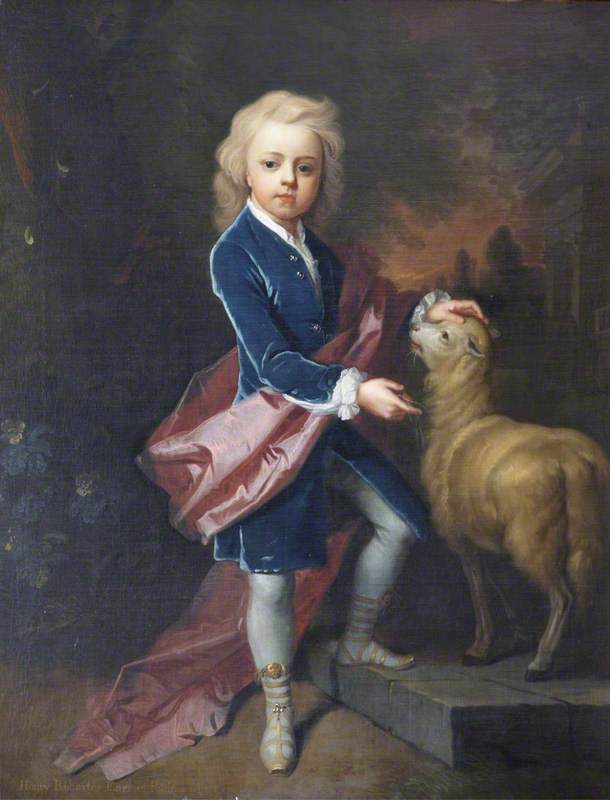
Henry Robartes (c.1695–1741), 3rd Earl of Radnor, as a Boy
 Oil On Canvas
- WallArt
- Rococo Portrait
 1704
1704 127.0 x 102.0 cm
 National Trust
 Ver más
Reproducción al óleo hecha a mano
Óleo sobre lienzo pintado a mano en el tamaño y marco de su elección, realizado por encargo por nuestros artistas. ( Comprar impresión Comprar imagen)




P118B $10

P118H $10

P118W $10

P438Z $10

P508JH $12

P508YH $12

P805H $10

P805Z $10

P919BZ $10

P919G $10

P919XJ $10

P959ZH $10

P968JZ $12

W106C $8

W218G $10

W218JH $8

W218Y $10

W307PJ $10

W316G $10

W316PJ $8

W316Y $10

W398PJ $8

W4111J $10

W500HY $15

W500JH $15

W692G $12

W849H $8

W940BG $15

W953PJ $8




Elija entre nuestros tamaños predefinidos que respetan las proporciones originales de la obra.

Puede ingresar sus propias dimensiones para adaptarse a un marco o espacio específico. Si el tamaño seleccionado no coincide con las proporciones de la imagen original, recortaremos la obra o extenderemos la pintura con elementos adicionales pintados a mano. Se le enviará una maqueta digital para su aprobación antes de comenzar la producción.
Tenga en cuenta que la vista previa en pantalla no refleja el recorte o la extensión reales. Solo la maqueta mostrará con precisión la composición final.
Si bien existen tamaños personalizados, recomendamos seleccionar una dimensión de la lista predefinida para preservar las proporciones originales.
Tras realizar el pedido, el equipo de ArtsDot.com enviará un correo electrónico al cliente para solicitar instrucciones y proporcionarle una vista previa del boceto.
Envío a todo el mundo () en 3-4 semanas en lugar de las 5 semanas estándar. (26 agosto). Sin comprometer la calidad.

Envío exprés gratuito a todo el mundo

Lienzo de lino de alta calidad

Seguro de envío total

Garantía de reembolso de impuestos aduaneros

Garantía de fidelidad cromática exacta

Política de devolución de 60 días (solo por defectos)

Garantía de devolución del 100% del dinero

Descuento por cantidad
 La opción de vidrio solo está disponible en tamaños inferiores a 110 cm.

Henry Robartes (c.1695–1741), 3rd Earl of Radnor, as a Boy
Técnica de reproducción
Dimensiones de la reproducción
-


Precio total final
$ 263
Descripción de la obra
A Portrait of Innocence: Michael Dahl’s Young Earl
Michael Dahl's “Henry Robartes (c.1695–1741), 3rd Earl of Radnor, as a Boy” is more than just a painted likeness; it’s a carefully constructed tableau of aristocratic youth, imbued with an almost palpable sense of quiet dignity and nascent power. Completed in 1704, this exquisite portrait offers a rare glimpse into the formative years of a man destined for prominence within the English court, capturing not merely his physical appearance but also the subtle suggestion of character and future bearing. The painting’s enduring appeal lies in its masterful blend of formal portraiture with an intimate, almost familial quality – a testament to Dahl's skill in imbuing his subjects with life and personality.
Dahl, a pivotal figure in 18th-century English art, arrived in London from Stockholm around 1702, bringing with him the refined aesthetic sensibilities of the Swedish court. His journey was marked by a fascinating confluence of personal circumstances – a conversion to Protestantism that opened doors within the British elite, and a relentless pursuit of artistic excellence. This portrait exemplifies his signature style: a meticulous attention to detail combined with a remarkable ability to convey emotion through subtle gestures and nuanced expressions. The painting’s success speaks volumes about Dahl's ability to capture the essence of his subjects, transforming them into compelling visual narratives.
A Landscape of Promise
The composition itself is remarkably balanced, drawing the eye immediately to the young Earl who occupies the central space. He stands in a three-quarter pose against a backdrop that’s both idyllic and subtly symbolic. The rolling hills and distant structures – likely representing the Radnor estate – are rendered with a muted palette of greens and browns, creating an atmosphere of serene beauty. However, it's not merely a scenic vista; the landscape functions as a visual anchor, grounding the figure and suggesting his connection to the land and its responsibilities. The prominent sheep grazing nearby is particularly noteworthy. In 18th-century England, livestock ownership was a key indicator of wealth and status, and the inclusion of this animal subtly reinforces the Earl’s position within the social hierarchy.
The two figures flanking the boy – partially obscured by drapery – are likely attendants or family members. Their presence adds to the formality of the scene, reinforcing the notion that Henry Robartes is being presented as a young nobleman destined for leadership. The careful arrangement of these secondary elements contributes significantly to the painting’s overall sense of order and control, reflecting the values associated with the aristocratic class.
The Language of Light and Texture
Dahl's technical mastery is immediately apparent in his skillful manipulation of light and texture. The illumination appears to originate from the left side of the canvas, casting subtle shadows that define the contours of the boy’s face, clothing, and the sheep’s wool. This directional lighting not only creates a sense of depth but also draws attention to key areas of the composition – particularly the Earl's youthful features.
The artist employs a rich palette of blues, creams, and browns, punctuated by touches of pink and red in the drapery. The velvet of his coat is rendered with exquisite detail, showcasing the luxuriousness of his attire. Similarly, the sheep’s wool appears incredibly soft and voluminous, inviting the viewer to almost reach out and touch it. This meticulous attention to texture adds a tactile quality to the painting, making it feel remarkably lifelike. Dahl's use of oil paint allows for subtle gradations of tone, creating a sense of depth and realism that was highly valued in 18th-century portraiture.
A Portrait of a Future
“Henry Robartes (c.1695–1741), 3rd Earl of Radnor, as a Boy” is more than just a depiction of a young nobleman; it’s a carefully constructed portrait of potential and promise. The painting captures a fleeting moment in time – a boy on the cusp of adulthood, poised to inherit a title and responsibilities. The subtle expression on his face suggests both intelligence and a quiet confidence, hinting at the man he would become. It's a poignant reminder that even within the formality of aristocratic portraiture, there’s always room for capturing the essence of human character – a testament to Michael Dahl’s extraordinary talent.
Obras relacionadas
Biografía del artista
Michael Dahl: Vida y Legado
Michael Dahl (1659-1743) fue un destacado pintor de retratos sueco que logró un reconocimiento significativo durante su larga carrera, principalmente en Inglaterra. Se convirtió en uno de los pintores suecos más conocidos internacionalmente de su época, celebrado por sus retratos aristocráticos y su dominio del estilo barroco.
Primeros Años y Educación
Nacido en Estocolmo, Suecia, alrededor de 1659 (las fuentes varían entre 1658 y 1659), el viaje artístico de Michael Dahl comenzó con un fuerte apoyo familiar. Su madre, Catarina Dahl, se cree que hizo considerables sacrificios para asegurar que recibiera una educación de calidad, reconociendo su talento inherente. Inicialmente estudió bajo Martin Hannibal en 1674, quien había sido traído a Suecia por David Klöcker Ehrenstrahl para establecer una academia de retratos.
- Hannibal proporcionó una formación fundamental antes de que Dahl pasara a estudiar directamente con Ehrenstrahl, lo que indicaba su promesa como estudiante.
- Esta temprana educación sentó las bases para su futura especialización en el retrato.
Viaje a Inglaterra y Desarrollo Artístico
En 1682, Dahl emprendió un viaje educativo extendido por Europa con un pasaporte que permitía viajar. Primero llegó a Londres, donde estuvo bajo la tutela de Robert White, un hábil grabador y pintor. Esta conexión demostró ser invaluable, ya que Dahl ayudó a White con proyectos de grabado, incluido un retrato del rey Carlos XI de Suecia.
- Una influencia clave fue Godfrey Kneller, quien le enseñó a Dahl sobre las realidades del mercado artístico y cómo satisfacer la demanda pública, un marcado contraste con el enfoque más centrado en la corte de Ehrenstrahl.
- Dahl también estudió junto a Henry Tilson, con quien planeó viajes a París, Venecia y Roma.
Roma y Conversión Religiosa
Después de tiempo en París, Dahl llegó a Roma, donde la exiliada Reina Cristina de Suecia jugó un papel crucial en su carrera. Para obtener acceso a círculos influyentes y patrocinio papal, Dahl se convirtió al catolicismo por insistencia de la Reina Cristina. Esta conversión abrió puertas a oportunidades, incluido pintar retratos de la propia Reina y presentar su trabajo al Papa Inocencio XI, quien le otorgó una medalla de oro.
Carrera Madura y Obras Notables
Dahl regresó a Inglaterra y se estableció como un retratista muy solicitado. Se hizo conocido por su estilo elegante y refinado, capturando el estatus y la personalidad de sus modelos aristocráticos. Sus retratos se caracterizan por colores ricos, texturas detalladas y una sensación de grandeza.
- Pintó numerosas figuras prominentes, incluyendo a la Reina Ana, el Príncipe Jorge de Dinamarca y miembros de la nobleza inglesa.
- Obras notables incluyen retratos del Sir William Carew, John Churchill (1er Duque de Marlborough) y Sir Robert Walpole.
- Su retrato triple del 2º Conde de Burlington, el 1er Duque de Kingston upon Hull y el 3º Barón Berkeley of Stratton es un ejemplo particularmente impresionante de su habilidad en el retrato de grupo.
Influencias y Legado
El estilo artístico de Dahl fue moldeado por una mezcla de influencias suecas, italianas e inglesas. Absorbió las habilidades técnicas de Hannibal y Ehrenstrahl, aprendió astucia comercial de Kneller y se benefició del sistema de patrocinio en Roma. Su trabajo refleja la estética barroca prevaleciente durante su tiempo, pero con un refinamiento único.
- Influyó en generaciones posteriores de pintores de retratos con su estilo elegante y pericia técnica.
- Los retratos de Dahl proporcionan valiosas perspectivas sobre las vidas y apariencias de la aristocracia inglesa durante la primera parte del siglo XVIII.
Significado Histórico
El éxito de Michael Dahl como artista sueco que trabajó principalmente en Inglaterra destaca la naturaleza internacional del intercambio artístico durante el período barroco. Navegó con éxito por diferentes contextos culturales y se estableció como un retratista líder, dejando atrás un legado de exquisitas pinturas que continúan siendo admiradas hoy en día.
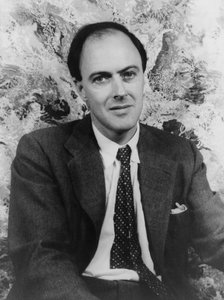
Michael Dahl
1658 - 1743 , Suecia
Datos clave
- Artistas Que Influyeron:
- Martin Hannibal
- David Ehrenstrahl
- Godfrey Kneller
- Fecha De Muerte: 1743
- Fecha De Nacimiento: c. 1659
- Lugar De Nacimiento: Estocolmo, Suecia
- Movimiento Artístico: Barroco
- Nacionalidad: Sueco
- Nombre Completo: Michael Dahl
- Obras Notables:
- Retrato de la Reina Ana
- Retrato de la Reina Cristina
Artículos relacionados

Rococó: 10 Obras Maestras que Definieron una Época | Arte y Decoración en
Descubre las 10 obras maestras del Rococó que marcaron una época. Explora la elegancia de Fragonard, Boucher y Watteau en . Reproducciones de arte de calidad museo para decorar tu hogar con estilo.

La Estética Rococó: Opulencia, Rebelión y Placer en el Arte del Siglo XVIII
Descubre la fascinante estética rococó: su historia, características clave y los artistas más influyentes del siglo XVIII. Un análisis profundo para amantes del arte y coleccionistas.
Reflecting Nobility & Nuance: 18th-Century Portraiture as a Window into Societal Values
Explore the world of 18th-century portraiture with ArtsDot. Discover symbolism, artistic innovation & societal values reflected in masterpieces by Reynolds, Hogarth & more. Expert insights for collectors.
Illuminating the Enlightenment: A Comprehensive Exploration of 18th-Century Painting
Explore the captivating world of 18th-century painting! Discover Rococo's playful elegance & Neoclassicism’s Enlightenment ideals with expert insights into Fragonard, David, and more. A comprehensive guide for art enthusiasts.

The Allure of Elegance in Art: A Historical & Aesthetic Exploration of Refinement & Grace
Explore the exquisite world of Rococo art! Discover its history, masters (Watteau, Boucher & more), and defining elegance. Expert insights for collectors seeking museum-quality reproductions & custom portraits.