

 Ver en contexto
 Enviar
 Compartir
 Detalles

 Descargar
 Similares
 Radiografía
 Presentación de diapositivas
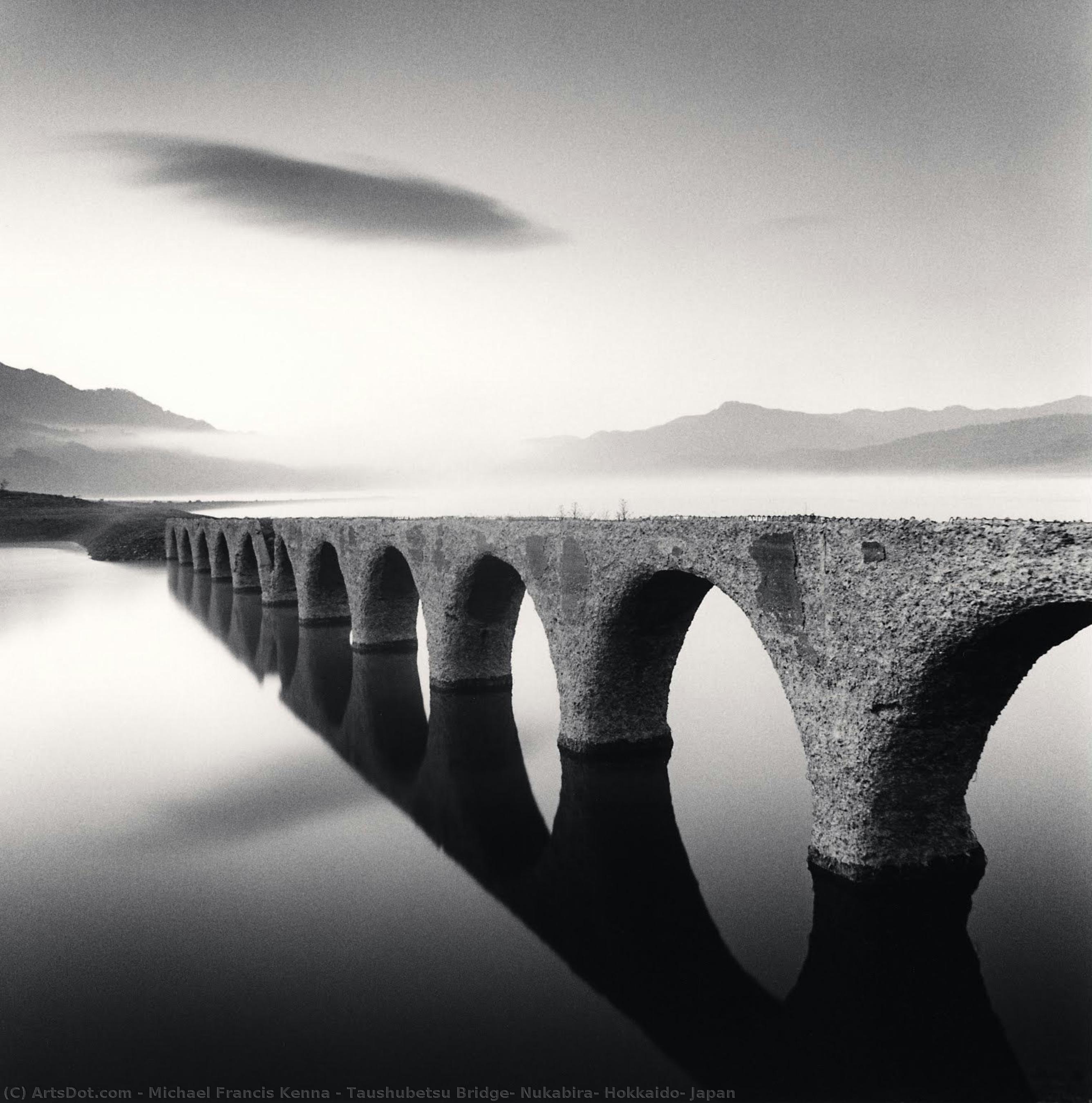
Taushubetsu Bridge, Nukabira, Hokkaido, Japan


 Ver más
Reproducción al óleo hecha a mano
Óleo sobre lienzo pintado a mano en el tamaño y marco de su elección, realizado por encargo por nuestros artistas. ( Comprar impresión Comprar imagen)




P118B $10

P118H $10

P118W $10

P438Z $10

P508JH $12

P508YH $12

P805H $10

P805Z $10

P919BZ $10

P919G $10

P919XJ $10

P959ZH $10

P968JZ $12

W106C $8

W218G $10

W218JH $8

W218Y $10

W307PJ $10

W316G $10

W316PJ $8

W316Y $10

W398PJ $8

W4111J $10

W500HY $15

W500JH $15

W692G $12

W849H $8

W940BG $15

W953PJ $8




Elija entre nuestros tamaños predefinidos que respetan las proporciones originales de la obra.

Puede ingresar sus propias dimensiones para adaptarse a un marco o espacio específico. Si el tamaño seleccionado no coincide con las proporciones de la imagen original, recortaremos la obra o extenderemos la pintura con elementos adicionales pintados a mano. Se le enviará una maqueta digital para su aprobación antes de comenzar la producción.
Tenga en cuenta que la vista previa en pantalla no refleja el recorte o la extensión reales. Solo la maqueta mostrará con precisión la composición final.
Si bien existen tamaños personalizados, recomendamos seleccionar una dimensión de la lista predefinida para preservar las proporciones originales.
Tras realizar el pedido, el equipo de ArtsDot.com enviará un correo electrónico al cliente para solicitar instrucciones y proporcionarle una vista previa del boceto.
Envío a todo el mundo () en 3-4 semanas en lugar de las 5 semanas estándar. (26 agosto). Sin comprometer la calidad.

Envío exprés gratuito a todo el mundo

Lienzo de lino de alta calidad

Seguro de envío total

Garantía de reembolso de impuestos aduaneros

Garantía de fidelidad cromática exacta

Política de devolución de 60 días (solo por defectos)

Garantía de devolución del 100% del dinero

Descuento por cantidad
 La opción de vidrio solo está disponible en tamaños inferiores a 110 cm.

Taushubetsu Bridge, Nukabira, Hokkaido, Japan
Técnica de reproducción
Dimensiones de la reproducción
-


Precio total final
$ 263
Descripción de la obra
Taushubetsu Bridge: A Meditation on Minimalism and Landscape Harmony
The Taushubetsu Bridge in Nukabira, Hokkaido, Japan, stands as an emblem of understated beauty—a testament to the vision of Michael Francis Kenna and a captivating subject for contemplation. More than just a structure spanning a river, it embodies a philosophy rooted in simplicity and observation, qualities that define Kenna’s distinctive artistic style. This photograph isn't merely documenting a place; it’s inviting us into a carefully crafted dialogue between man-made form and the natural world.Composition and Light: Embracing Silence
Kenna’s masterful composition immediately establishes dominance with the bridge itself, positioned centrally against the backdrop of rolling hills and distant mountains shrouded in atmospheric haze. The symmetry is deliberate—a mirroring effect across the calm water below—creating a visual equilibrium that speaks to a profound sense of stillness. Crucially, the diffused lighting – characteristic of overcast days or early morning light – eliminates harsh shadows, fostering an environment conducive to quiet reflection. This gentle illumination allows subtle tonal variations within the grayscale palette to emerge, revealing textures and contours with remarkable sensitivity. The photographer’s eye seeks not grand spectacle but rather the understated elegance found in capturing a fleeting moment of natural harmony.Technique: Long Exposure and Precise Detail
The photograph's execution likely involved utilizing a long exposure technique—a deliberate choice that ensures a flawlessly smooth surface on the water, effectively erasing ripples and conveying an illusion of tranquility. Coupled with Kenna’s meticulous attention to detail, this method allows for capturing nuanced textures – from the rough stone or concrete of the bridge structure to the soft haze enveloping the mountains – enhancing the overall visual experience. The photographer's skill lies in transforming ordinary scenery into extraordinary art through careful manipulation of light and time.Historical Context: Kenna’s Minimalist Legacy
Michael Francis Kenna emerged as a prominent figure in landscape photography during the late 20th century, aligning himself with a broader movement toward minimalism that rejected excessive ornamentation and prioritized pure form. Influenced by Japanese Zen Buddhism—a tradition deeply ingrained in Kenna's upbringing—his work reflects an aesthetic sensibility focused on capturing essential qualities of place without embellishment. Like many artists of his era, Kenna sought to distill the essence of nature into its purest visual representation, rejecting representational accuracy for a more emotive response from the viewer.Symbolism and Emotional Resonance: Beyond Representation
The monochrome palette—a deliberate rejection of color—amplifies the photograph’s contemplative mood, inviting viewers to engage in introspection rather than passive observation. The bridge itself symbolizes connection – bridging the gap between human endeavor and the grandeur of the landscape – while its symmetrical composition reinforces a sense of balance and harmony. Ultimately, Taushubetsu Bridge encapsulates Kenna's artistic ethos: an invitation to appreciate beauty not as something to be grasped or analyzed but as something to be experienced—a quiet communion with the sublime.A Reflection of Kenna’s Vision
This photograph exemplifies Kenna’s unwavering commitment to capturing the profound emotional impact of landscape, prioritizing subtle tonal shifts and textural nuances over dramatic visual effects. It stands as a powerful reminder that true artistry resides in recognizing and conveying the essence of place—a feat accomplished with remarkable grace and precision.Obras relacionadas

Biografía del artista
A Life Etched in Silver: The World of Michael Kenna
Michael Francis Kenna’s artistic journey began in Widnes, England, a town steeped in industrial heritage but harboring within it the quiet beauty of the Cheshire countryside. Born in 1953 into an Irish-Catholic family with deep roots in tradition, his formative years instilled a profound appreciation for contemplation and discipline—values that would become central to his artistic vision. Initially drawn to religious vocation, he spent seven years at St Joseph’s College, honing his spiritual awareness alongside developing a keen eye for visual detail. However, it was the encounter with art – specifically, the transformative power of photography – that ultimately ignited his passion and steered him toward a path of creative expression. Recognizing that painting offered limited prospects for sustaining a livelihood in England's evolving cultural landscape, Kenna opted for photography as a more pragmatic choice, enrolling at the London College of Printing where he mastered the technical skills necessary to realize his artistic ambitions.Influences: Masters of Landscape Photography and Beyond
Kenna’s aesthetic sensibilities were profoundly shaped by exposure to the work of pioneering European photographers. He was captivated by Atget's meticulous documentation of Parisian streets, Emerson's evocative depictions of American wilderness, and Sudek’s masterful use of tonal range to convey mood and atmosphere. Equally influential were American artists like Bernhard, Callahan, Sheeler, and Stieglitz—figures who championed objectivity in representation while simultaneously exploring the expressive potential of visual media. A pivotal moment arrived during his travels to San Francisco where he met Ruth Bernhard, a mentor whose unwavering dedication to craftsmanship instilled in him a meticulous approach to printing and a deep respect for artistic heritage. Bernhard’s influence extended beyond technique; she encouraged Kenna to embrace a philosophical perspective on photography as a means of conveying profound emotional truths—a conviction that would permeate his subsequent work. The New Topographics movement, with its emphasis on capturing the essence of place without sentimental embellishment, served as an important conceptual framework for Kenna’s early explorations. Yet, he swiftly moved beyond mere documentation, seeking to distill landscapes into distilled forms of beauty and contemplation.The Technique of Long Exposure: Capturing Ephemeral Light
Michael Kenna's distinctive photographic style is characterized by a singular technique—long exposure photography. Unlike conventional snapshots that freeze fleeting moments in time, long exposures allow light to accumulate over extended periods, transforming ordinary scenes into ethereal visions imbued with atmosphere and movement. He frequently shoots at dawn or dusk, capitalizing on the dramatic interplay of light and shadow during these transitional hours. Utilizing specialized equipment and employing careful compositional strategies, Kenna achieves remarkable results—images that convey a sense of stillness and timelessness unattainable through shorter exposures. His approach is rooted in patience and observation, demanding an intimate connection with the natural environment. He meticulously adjusts camera settings to maximize tonal range and minimize noise, striving for images that capture subtle nuances of color and texture. The resulting photographs are often strikingly beautiful, conveying a profound appreciation for the ephemeral qualities of light and landscape—a testament to Kenna’s mastery of photographic technique.A Legacy in Minimalist Composition: Exploring Essence
Kenna's artistic vision is defined by his preference for minimalist compositions—spaces devoid of extraneous elements that allow the viewer’s eye to focus on the core subject matter. He eschews busy backgrounds and distracting details, prioritizing clarity and simplicity to reveal the underlying essence of a scene. This stylistic choice reflects Kenna’s belief that beauty resides in restraint and contemplation—a conviction that aligns with Zen Buddhist principles of mindfulness and perceiving reality without preconceptions. His photographs often depict solitary landscapes—mountains shrouded in mist, trees standing alone against twilight skies—creating spaces for quiet reflection and fostering a sense of connection to the natural world. Recurring themes permeate his oeuvre: the passage of time, the relationship between humanity and nature, and the profound beauty found in moments of stillness. Kenna’s work has garnered international acclaim, appearing in numerous solo exhibitions and group shows across continents—a testament to his enduring influence on contemporary landscape photography. His images are held in prominent museum collections worldwide, securing his place as one of the foremost practitioners of minimalist aesthetic and long exposure technique—artists who capture the sublime beauty of nature with unwavering dedication and artistic vision.Notable Series: Landscapes Across Continents
Throughout his prolific career, Michael Kenna has explored diverse geographical locations, documenting landscapes from Japan to Italy, capturing their unique character and atmosphere. His celebrated series include:- Japan: Images depicting iconic sites like Mount Fuji and temples bathed in misty light—a testament to the beauty of Japanese landscape photography.
- China: Documentation of Huangshan Mountains and seaweed farms—capturing the grandeur of China’s natural wonders.
- Italy: Series featuring ancient castles and rural landscapes illuminated by soft, diffused sunlight—reflecting Kenna's fascination with architectural history and serene vistas.
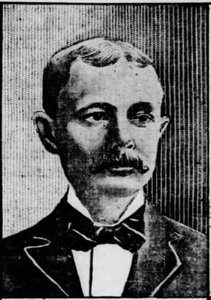
Michael Kenna
1953 - , Reino Unido
Datos clave
- Artistic Movement Or Style: Black & white landscape
- Artists Who Influenced This Artist:
- Robert Adams
- Lewis Baltz
- Mark Rothko
- Date Of Birth: 1953
- Full Name: Michael Francis Kenna
- Nationality: English
- Notable Artworks:
- Huangshan Mountains, Study 42
- Seaweed Farms, Study 3
- Taushubetsu Bridge
- Place Of Birth: Widnes, UK
Artículos relacionados

Monochrome Visions: Exploring the Aesthetic & Historical Significance of Black & White Photography
Explore the rich history & artistic power of black and white photography. From early techniques to iconic masters like Ansel Adams, discover why monochrome continues to captivate art lovers today. Expert insights for collectors.

Blanco Sublime: Los 10 Cuadros Más Famosos Dominados por la Luz y el Color
Descubre los 10 cuadros blancos más emblemáticos de la historia del arte. Explora Monet, Van Gogh y Klimt, y su magistral uso de la luz y el color. Encuentra reproducciones de alta calidad e inspírate para tu decoración en .

Timeless & Chic: Elevating Your New Home with the Sophistication of Black and White Photography
Transform your new home with the timeless allure of black and white photography. ArtsDot.com specializes in elegant monochrome decor and custom hand-painted wedding portraits that turn cherished milestones into lasting, soulful masterpieces. Elevate your space with ease.
Beyond the Lens: Photography's Enduring Influence on Modern & Contemporary Art
Explore photography's pivotal role in shaping modern & contemporary art. Discover key movements, influential artists like Stieglitz, and expert collecting advice from ArtsDot.

Las 10 Pinturas Más Famosas Dominadas por el Negro | Arte y Decoración
Descubre las 10 pinturas más impactantes dominadas por el negro. Explora obras maestras de Rembrandt, Goya y Rothko, su historia y significado. Encuentra reproducciones de arte exclusivas para transformar tu hogar en .

