

 Ver en contexto
 Enviar
 Compartir
 Detalles

 Descargar
 Similares
 Radiografía
 Presentación de diapositivas
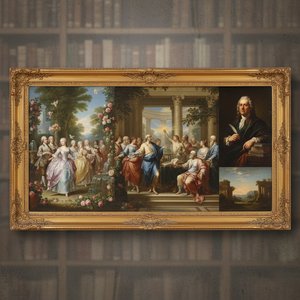
Afternoon Tea at the Temple
 Oil On Canvas
- WallArt
- Rococo
 1766
1766- Early Modern
 53.0 x 68.0 cm
 Musée National du Château de Versailles
 Ver más
Reproducción al óleo hecha a mano
Óleo sobre lienzo pintado a mano en el tamaño y marco de su elección, realizado por encargo por nuestros artistas. ( Comprar impresión Comprar imagen)




P118B $10

P118H $10

P118W $10

P438Z $10

P508JH $12

P508YH $12

P805H $10

P805Z $10

P919BZ $10

P919G $10

P919XJ $10

P959ZH $10

P968JZ $12

W106C $8

W218G $10

W218JH $8

W218Y $10

W307PJ $10

W316G $10

W316PJ $8

W316Y $10

W398PJ $8

W4111J $10

W500HY $15

W500JH $15

W692G $12

W849H $8

W940BG $15

W953PJ $8




Elija entre nuestros tamaños predefinidos que respetan las proporciones originales de la obra.

Puede ingresar sus propias dimensiones para adaptarse a un marco o espacio específico. Si el tamaño seleccionado no coincide con las proporciones de la imagen original, recortaremos la obra o extenderemos la pintura con elementos adicionales pintados a mano. Se le enviará una maqueta digital para su aprobación antes de comenzar la producción.
Tenga en cuenta que la vista previa en pantalla no refleja el recorte o la extensión reales. Solo la maqueta mostrará con precisión la composición final.
Si bien existen tamaños personalizados, recomendamos seleccionar una dimensión de la lista predefinida para preservar las proporciones originales.
Tras realizar el pedido, el equipo de ArtsDot.com enviará un correo electrónico al cliente para solicitar instrucciones y proporcionarle una vista previa del boceto.
Envío a todo el mundo () en 3-4 semanas en lugar de las 5 semanas estándar. (2 septiembre). Sin comprometer la calidad.

Envío exprés gratuito a todo el mundo

Lienzo de lino de alta calidad

Seguro de envío total

Garantía de reembolso de impuestos aduaneros

Garantía de fidelidad cromática exacta

Política de devolución de 60 días (solo por defectos)

Garantía de devolución del 100% del dinero

Descuento por cantidad
 La opción de vidrio solo está disponible en tamaños inferiores a 110 cm.

Afternoon Tea at the Temple
Técnica de reproducción
Dimensiones de la reproducción
-


Precio total final
$ 263
A Glimpse into Rococo Leisure: Afternoon Tea at the Temple
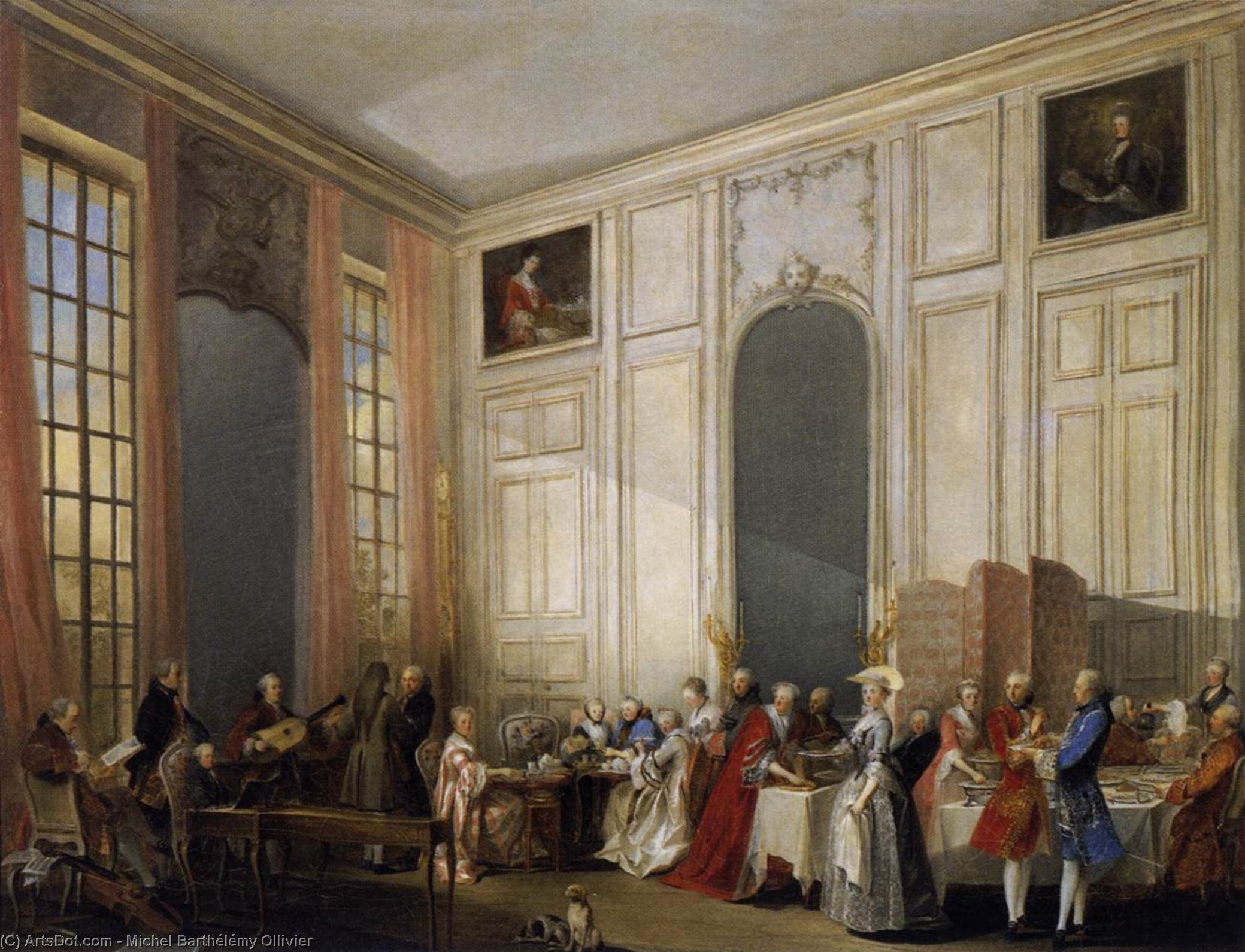
To gaze upon this scene is to be instantly transported to an era of exquisite refinement and languid pleasure. Afternoon Tea at the Temple captures more than just a gathering; it encapsulates the very spirit of late eighteenth-century aristocratic life—a moment suspended between polite society and genuine, unburdened enjoyment. The composition unfolds with an effortless grace characteristic of the Rococo period, inviting the viewer to settle into the plush surroundings and partake in the gentle murmur of conversation.
The scene is richly populated, a tableau vivant where every figure seems caught mid-gesture. Dressed in the fashionable finery of the time, some sporting crisp ties that speak of gentlemanly leisure, they are gathered around a substantial dining table. The inclusion of domestic companions—a placid dog resting near a chair and an observant cat positioned to the right—adds a layer of intimate realism, grounding the high society drama with touches of everyday life.
The Allure of Rococo Technique and Setting
Michel Barthélémy Ollivier masterfully employs the techniques that defined the Rococo movement. The light itself feels like an element within the painting; streaming in through a large, unseen window, it bathes the formal dining area in a natural luminescence. This handling of light is crucial, lending an airy quality to the oil on canvas that prevents the gathering from feeling stuffy or overly dramatic. Ollivier’s skill lies in rendering textures—the sheen of silk gowns, the polished wood of the furniture, and the soft fur of the pets—with remarkable verisimilitude.
The overall atmosphere is one of cultivated ease. The setting suggests a private, elegant space within or adjacent to a temple structure, lending an air of cultured contemplation to the social ritual. It speaks to a time when leisure itself was considered a high art form, worthy of meticulous depiction by masters like Ollivier.
Historical Echoes and Social Symbolism
Painted in 1766, this work sits at the zenith of Rococo sensibility, a period marked by a move away from the weighty grandeur of Baroque formality toward intimacy, playfulness, and natural beauty. The afternoon tea itself functions as a potent symbol—it represents the structured yet seemingly spontaneous pleasures of the upper class. It is a visual narrative about connection, status, and the performance of refined taste. For the collector or designer, this piece offers an immediate conduit to that historical sensibility, suggesting an interior steeped in cultivated charm.
The inclusion of nature—the light, the implied garden outside the window, and the animals within—serves as a gentle counterpoint to the formality of the gathering. It suggests that even amidst the most structured social engagements, there remains room for the organic and the delightful.
Bringing Salon Elegance Home
For those seeking to infuse a space with the romance and sophistication of an ancien régime salon, this reproduction offers unparalleled depth. The size, measuring approximately 53 x 68 cm, makes it a perfect focal point for a drawing-room or dining area mantelpiece. Owning this piece is not merely acquiring art; it is curating an atmosphere—a perpetual afternoon where the clinking of teacups and soft conversation seem just moments away from beginning.
It invites contemplation on the passage of time, beautifully capturing a moment that feels both historically distant and intimately present. It is a testament to Ollivier’s ability to imbue domesticity with the grandeur of high art.
Obras relacionadas


Biografía del artista
Michel Barthélémy Ollivier: Un Maestro de los Paisajes Idílicos del Rococó
Michel Barthélémy Ollivier (24 de agosto de 1712 – 15 de junio de 1784) se erige como una figura trascendental en el arte rococó francés, reconocido especialmente por sus cautivadoras representaciones de paisajes serenos entrelazados con escenas aristocráticas. Nacido en Marsella, el linaje artístico de Ollivier se remontaba a una familia profundamente arraigada en las tradiciones pictóricas, un legado que moldeó profundamente su propia trayectoria creativa. Perfeccionó sus habilidades en la Académie de Saint-Luc y bajo la tutela de Charles-A André van Loo, absorbiendo los matices estilísticos de los artistas más destacados de su época.- Primeros años y formación: Los años formativos de Ollivier estuvieron marcados por una constante exposición a la excelencia artística. Su padre, Louis Ollivier, era también pintor, lo que estableció un vínculo familiar con las artes visuales que infundió en Michel una pasión por la observación y la representación. Estudiar junto a van Loo le permitió comprender los principios del arte barroco francés y del arte clásico francés.
- Años en Madrid e influencias artísticas: El viaje de Ollivier lo llevó a Madrid durante el periodo en que Louis-Michel van Loo se desempeñaba como pintor de la corte del rey Felipe V, donde absorbió las influencias de las convenciones artísticas españolas. Esta experiencia amplió su perspectiva y enriqueció su repertorio estilístico.
Obras Notables y Estilo Artístico
La obra de Ollivier comprende aproximadamente cinco piezas que ejemplifican los sellos distintivos de la pintura rococó, caracterizada por pinceladas delicadas, tonos pastel, composiciones asimétricas y un énfasis en la belleza idealizada. Sus paisajes presentan frecuentemente tranquilos escenarios acuáticos habitados por pastores y ninfas, reflejando una fascinación por los temas pastoriles predominantes en el periodo. Simultáneamente, representó con gran destreza interiores aristocráticos adornados con mobiliario opulento y retratos que transmiten elegancia y refinamiento.- “Afternoon Tea at the Temple” (1766): Esta célebre pieza muestra la maestría de Ollivier para capturar las sutilezas atmosféricas —particularmente la luz— dentro de una escena meticulosamente elaborada que representa una reunión aristocrática entre una exuberante vegetación.
Reconocimiento y Legado
La obra de Ollivier obtuvo reconocimiento en toda Europa, destacando su exhibición en la Royal Academy de Londres en 1772. Sus pinturas residen en instituciones prestigiosas como el Musée des beaux-arts de Bordeaux y el Louvre, asegurando que su legado artístico continúe inspirando admiración y estudio académico. La contribución de Michel Barthélémy Ollivier a la pintura rococó francesa sigue siendo invaluable: un testimonio de su dedicación para capturar la belleza sublime de la naturaleza y retratar la vida aristocrática con una gracia inigualable.Exploración Adicional
Para obtener información más detallada sobre los logros artísticos de Michel Barthélémy Ollivier, visite WikiArt: WikiArt.org. También puede profundizar en sus detalles biográficos en Wikipedia: Wikipedia.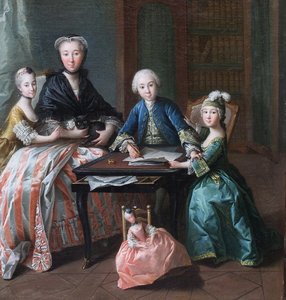
Michel Barthélémy Ollivier
1712 - 1784 , Francia
Datos clave
- Artistic Movement Or Style: Rococó
- Artists Or Movements Influenced By This Artist: ['Arte barroco francés']
- Artists Who Influenced This Artist: ['Charles André van Loo']
- Date Of Birth: 1712 Marsella Francia
- Date Of Death: 1784 París Francia
- Full Name: Michel Barthélémy Ollivier
- Nationality: Francés
- Notable Artworks: ['Té de la tarde en el templo']
- Place Of Birth: Marsella Francia
Artículos relacionados

La Estética Rococó: Opulencia, Rebelión y Placer en el Arte del Siglo XVIII
Descubre la fascinante estética rococó: su historia, características clave y los artistas más influyentes del siglo XVIII. Un análisis profundo para amantes del arte y coleccionistas.

Rococó: 10 Obras Maestras que Definieron una Época | Arte y Decoración en
Descubre las 10 obras maestras del Rococó que marcaron una época. Explora la elegancia de Fragonard, Boucher y Watteau en . Reproducciones de arte de calidad museo para decorar tu hogar con estilo.
The Allure of Elegance in Art: A Historical & Aesthetic Exploration of Refinement & Grace
Explore the exquisite world of Rococo art! Discover its history, masters (Watteau, Boucher & more), and defining elegance. Expert insights for collectors seeking museum-quality reproductions & custom portraits.
Illuminating the Enlightenment: Artistic Expression in 18th-Century Europe
Explore the artistic brilliance of the Enlightenment era! Discover Rococo's elegance & Neoclassicism’s virtue with expert insights into 18th-century masterpieces. Learn about David, Kauffmann & more.
Illuminating the Enlightenment: A Comprehensive Exploration of 18th-Century Painting
Explore the captivating world of 18th-century painting! Discover Rococo's playful elegance & Neoclassicism’s Enlightenment ideals with expert insights into Fragonard, David, and more. A comprehensive guide for art enthusiasts.

