 Ver en contexto
 Enviar
 Compartir
 Detalles

 Descargar
 Similares
 Radiografía
 Presentación de diapositivas
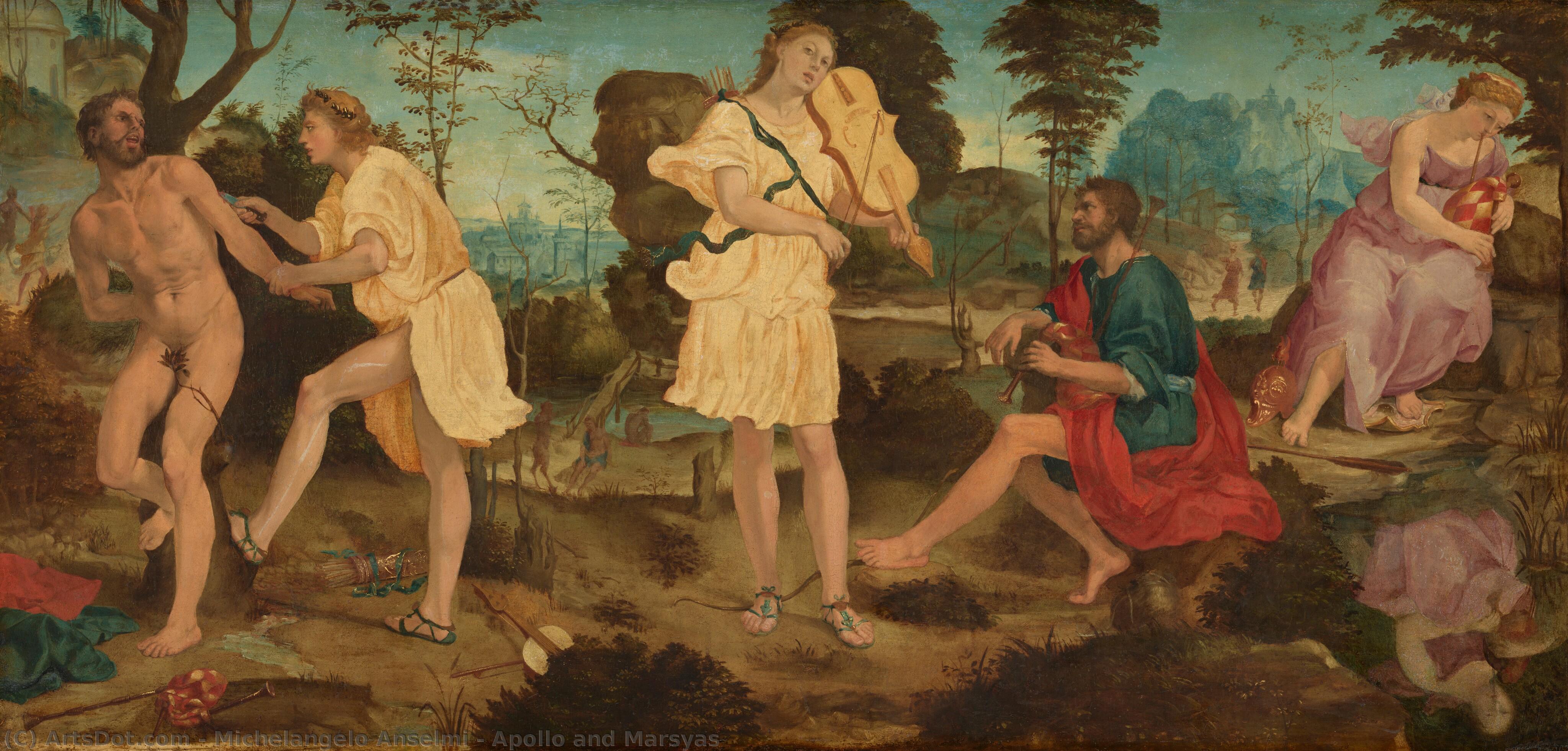
Apollo and Marsyas
 1540
1540 76.0 x 136.0 cm
 Ver más
Reproducción al óleo hecha a mano
Óleo sobre lienzo pintado a mano en el tamaño y marco de su elección, realizado por encargo por nuestros artistas. ( Comprar impresión Comprar imagen)




































Elija entre nuestros tamaños predefinidos que respetan las proporciones originales de la obra.

Puede ingresar sus propias dimensiones para adaptarse a un marco o espacio específico. Si el tamaño seleccionado no coincide con las proporciones de la imagen original, recortaremos la obra o extenderemos la pintura con elementos adicionales pintados a mano. Se le enviará una maqueta digital para su aprobación antes de comenzar la producción.
Tenga en cuenta que la vista previa en pantalla no refleja el recorte o la extensión reales. Solo la maqueta mostrará con precisión la composición final.
Si bien existen tamaños personalizados, recomendamos seleccionar una dimensión de la lista predefinida para preservar las proporciones originales.
Tras realizar el pedido, el equipo de ArtsDot.com enviará un correo electrónico al cliente para solicitar instrucciones y proporcionarle una vista previa del boceto.
Envío a todo el mundo () en 3-4 semanas en lugar de las 5 semanas estándar. (31 agosto). Sin comprometer la calidad.

Envío exprés gratuito a todo el mundo

Lienzo de lino de alta calidad

Seguro de envío total

Garantía de reembolso de impuestos aduaneros

Garantía de fidelidad cromática exacta

Política de devolución de 60 días (solo por defectos)

Garantía de devolución del 100% del dinero

Descuento por cantidad
 La opción de vidrio solo está disponible en tamaños inferiores a 110 cm.

Apollo and Marsyas
Técnica de reproducción
Dimensiones de la reproducción
-


Precio total final
$ 263
Obras relacionadas






Biografía del artista
Michelangelo Anselmi: A Parma Maestro of Mannerist Elegance
Michelangelo Anselmi (c. 1492 – c. 1556) stands as a pivotal figure in the artistic landscape of Parma during the High Renaissance and its subsequent Mannerist transition. Born likely in Tuscany, perhaps Lucca, into an aristocratic family tracing its lineage back to Lombard origins—the Anselmi di Cardano—his early life remains shrouded in relative obscurity, leaving much to speculation regarding formative influences beyond his Tuscan roots. However, by 1500 he had established himself in Siena, where documented appearances suggest a burgeoning artistic career marked by commissions for prominent patrons and an immersion into the stylistic currents of the time.- Early Training & Influences: Anselmi’s formative years were shaped by the tutelage of Il Sodoma and Domenico Beccafumi, masters renowned for their expressive Mannerist style—a movement characterized by elongated figures, dramatic poses, and a deliberate distortion of perspective aimed at conveying psychological intensity. These influences undoubtedly instilled in him a penchant for capturing emotion and dynamism within meticulously crafted compositions. He absorbed the lessons of these titans, recognizing that true artistic expression demanded a departure from traditional conventions.
- Arrival in Parma & Patronage: Anselmi’s relocation to Parma around 1515 proved transformative, securing him access to the influential patronage of Federico II Gonzaga—the Duke of Parma—who recognized his talent and commissioned ambitious projects that cemented his reputation as one of the era's foremost painters. Gonzaga’s vision championed artistic innovation, fostering an environment where Anselmi could flourish and realize his creative aspirations.
Notable Artistic Achievements & Major Commissions
Anselmi’s artistic output in Parma is distinguished by a remarkable series of frescoes adorning sacred spaces—most notably the San Giovanni Evangelista cathedral, where he undertook extensive decoration encompassing the nave vaults and altar walls. His masterful depiction of saints and biblical narratives exemplifies the Mannerist preoccupation with conveying spiritual contemplation through stylized forms and evocative color palettes. Equal to this monumental undertaking was his altarpiece for the Duomo, a project that showcased Anselmi’s technical prowess and artistic vision—a collaboration with Giulio Romano that resulted in an unforgettable masterpiece.- Madonna with Saint Sebastian & Saint Roch (c. 1530): This iconic painting housed in the National Gallery at Parma exemplifies Anselmi's ability to fuse classical elegance with Mannerist dynamism. The composition—featuring Mary, Sebastian, and Roch—is imbued with a palpable sense of sorrow and piety, reflecting the stylistic conventions of the period. Anselmi skillfully rendered the drapery folds and facial expressions, capturing the emotional depth demanded by Mannerist aesthetics.
- Holy Family with Saint Barbara (c. 1530): Located in Palazzo Ducale, Anselmi’s Holy Family with Saint Barbara is another testament to his artistic skill and compositional ingenuity. The fresco's narrative unfolds with meticulous detail, conveying a profound spiritual message through stylized forms and luminous colors.
- Frescoes for Santa Maria della Steccata (1541): Anselmi collaborated with Giulio Romano on the decoration of Santa Maria della Steccata’s apse—a project that reflects the stylistic dialogue between Parmigianino and Romano, showcasing Anselmi's contribution to Parma’s artistic heritage.
Style & Technique: Mannerist Expressionism
Anselmi’s artistic style is firmly rooted in Mannerism, characterized by a deliberate departure from the idealized proportions and harmonious compositions of earlier Renaissance art. He embraced elongated figures, exaggerated gestures, and flattened perspectives—techniques designed to heighten emotional impact and convey psychological complexity. His palette favored rich hues and subtle gradations, creating luminous surfaces that captured the ethereal beauty of religious iconography. Anselmi’s meticulous attention to detail—evident in the drapery folds, facial expressions, and textural nuances—underscored his mastery of artistic craftmanship. He sought to transcend mere representation, aiming instead for a profound emotional resonance that would captivate the viewer's imagination.Legacy & Historical Significance
Michelangelo Anselmi’s oeuvre represents a crucial juncture between Renaissance idealism and Mannerist experimentation—a period marked by profound intellectual and aesthetic shifts. His frescoes in Parma continue to inspire admiration for their expressive power and stylistic sophistication, serving as enduring emblems of the High Renaissance's artistic legacy. Anselmi’s work stands as a testament to the transformative influence of Mannerism on Italian painting, securing his place among the most celebrated artists of his era and ensuring that his contribution to Parma’s cultural heritage would endure for centuries to come. He remains an unforgettable figure in art history—a beacon of elegance and innovation whose legacy continues to illuminate the artistic landscape of today.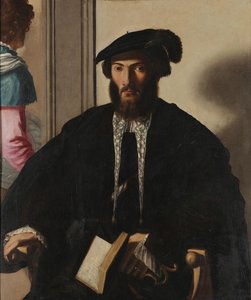
Miguel Ángel Anselmi
1492 - 1556 , Italia
Datos clave
- Artistic Movement Or Style: Manierismo
- Artists Or Movements Influenced By This Artist: ['Parmigianino']
- Artists Who Influenced This Artist:
- Il Sodoma
- Domenico Beccafumi
- Date Of Birth: Tuscany, Italia (1492)
- Date Of Death: 1556
- Full Name: Michelangelo Anselmi
- Nationality: Italiano
- Notable Artworks:
- Madonna con San Sebastiano
- Cristo Benedicente
- Place Of Birth: Lucca