 Enviar
 Compartir
 Detalles

 Descargar
 Similares
 Presentación de diapositivas
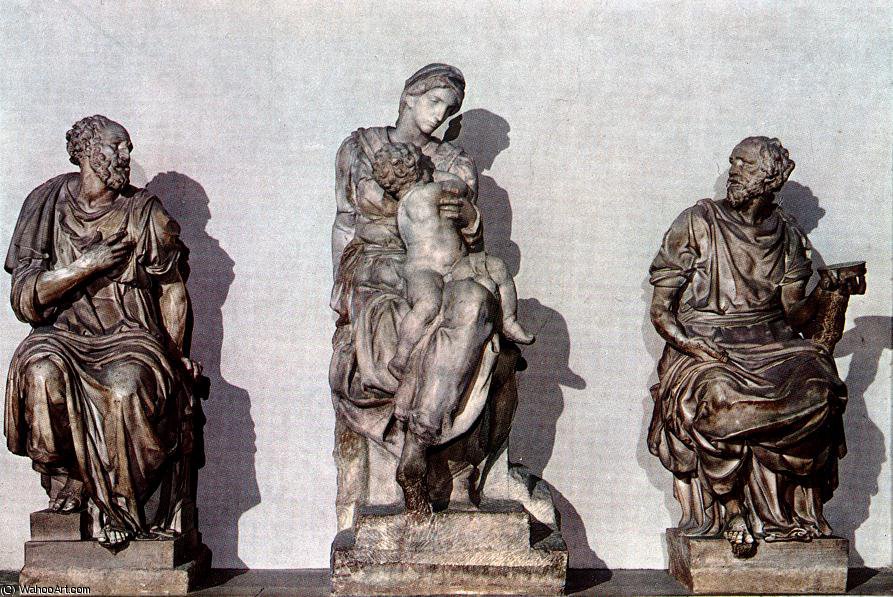
Medicis - Medici Madonna, between Sts Cosmas and Damian


 Ver más
Giclée / Impresión de arte
Impresiones giclée o en lienzo de calidad de museo con producción rápida y opciones de acabado flexibles. ( Comprar pintura hecha a mano Comprar imagen)




































Elija entre nuestros tamaños predefinidos que respetan las proporciones originales de la obra.

Puede introducir sus propias dimensiones para adaptarse a un marco o espacio específico. Si el tamaño seleccionado no coincide con las proporciones de la imagen original, recortaremos la obra de arte o extenderemos la imagen con un borde con efecto espejo o de color sólido. Se enviará una maqueta digital para su aprobación antes de que comience la producción.
Tenga en cuenta que la vista previa en pantalla no refleja el recorte o la extensión real. Solo la maqueta mostrará con precisión la composición final.
Aunque existen tamaños personalizados, recomendamos seleccionar una dimensión de la lista predefinida para preservar las proporciones originales.
Envío a todo el mundo () en 2 semanas en lugar de las 4/5 semanas estándar. (28 agosto)

Envío exprés gratuito a todo el mundo

Lienzo de lino de alta calidad

Seguro de envío total

Garantía de reembolso de impuestos aduaneros

Garantía de fidelidad cromática exacta

Política de devolución de 60 días (solo por defectos)

Garantía de devolución del 100% del dinero

Descuento por cantidad
 La opción de vidrio solo está disponible en tamaños inferiores a 110 cm.

Medicis - Medici Madonna, between Sts Cosmas and Damian
Giclée / Impresión de arte
Dimensiones de la reproducción
-


Precio total final
$ 62
A Divine Encounter in Marble
In the quiet, hallowed atmosphere of the Renaissance, few works capture the intersection of human tenderness and divine majesty as poignantly as Michelangelo Buonarroti’s Medicis - Medici Madonna, between Sts Cosmas and Damian. Conceived during the artist's formative years in Florence, roughly between 1504 and 1506, this sculptural masterpiece serves as a breathtaking testament to a burgeoning genius. The composition presents a sacred triad: the Virgin Mary, cradling the infant Jesus, is flanked by the venerable saints Cosmas and Damian. There is an immediate, palpable sense of grace that radiates from the white marble, inviting the viewer into a moment of profound spiritual contemplation. For the discerning collector or interior designer, this piece offers more than mere decoration; it provides a focal point of serene elegance and historical weight.
The sculpture is steeped in the rich Christian symbolism of the era, acting as a silent sermon in stone. The presence of Saints Cosmas and Damian—revered physicians known for their selfless compassion and healing miracles—adds a layer of earthly virtue to the celestial scene. Their protective gestures and solemn dignity mirror the serene, heavenward gaze of the Madonna herself. This interplay between the mortal and the divine is a hallmark of the High Renaissance, where the physical beauty of the human form was used to express the highest spiritual truths. To possess a reproduction of such a work is to bring a sense of timeless protection and sanctity into a living space.
The Mastery of Form and Technique
To gaze upon this work is to witness Michelangelo’s unparalleled command over his medium. Even in these early stages of his career, the artist demonstrated an extraordinary ability to breathe life into cold, unyielding marble. Utilizing what is often referred to as the Buonarroti method, he meticulously sculpted from the interior of the block outwards, a technique that demanded immense structural foresight and precision. The result is a triumph of anatomical accuracy; one can almost sense the subtle warmth of the Madonna’s skin and the delicate weight of the Christ child in her arms. His ability to render the heavy, flowing drapery with such realistic texture—capturing every fold and shadow—creates a dynamic sense of movement that contrasts beautifully with the stillness of the figures.
The stylistic essence of the piece draws deeply from classical Greek ideals, reflecting the humanist scholarship that flourished in the Medici gardens. The idealized proportions and the graceful, rhythmic lines of the garments evoke the timeless elegance of antiquity, making the sculpture feel both ancient and eternally modern. For those looking to inspire awe within a curated gallery or a sophisticated study, the technical brilliance of this piece offers an inexhaustible source of aesthetic fascination. It is a masterclass in how light and shadow dance across carved surfaces, creating a visual depth that transforms any room into a sanctuary of high art.
An Eternal Legacy for the Modern Collector
Beyond its historical significance, the Medici Madonna possesses an emotional resonance that transcends the centuries. It evokes a sense of peace, stability, and profound reverence. In the context of modern interior design, a high-quality reproduction of this sculpture serves as a sophisticated anchor, bridging the gap between classical heritage and contemporary luxury. Whether placed in a sunlit foyer or a quiet library, the piece commands attention through its subtle emotional depth rather than through ostentation.
Investing in a reproduction of Michelangelo’s early mastery allows one to surround themselves with the very essence of the Renaissance spirit. It is an opportunity to celebrate the enduring power of human creativity and the pursuit of perfection. As a centerpiece, it does not merely occupy space; it elevates it, offering a window into a period where art was the ultimate expression of the soul's journey toward the divine.
Obras relacionadas
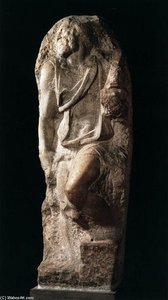
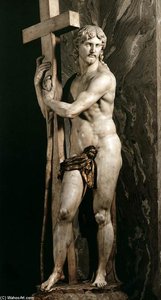
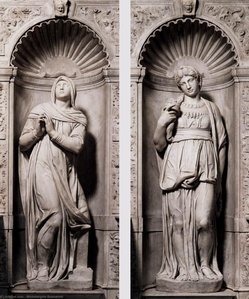
Biografía del artista
Miguel Ángel Buonarroti: Un Titán del Renacimiento
Vida Temprana y Formación (1475-1496)
- Miguel ángel de Lodovico Buonarroti Simoni nació el 6 de marzo de 1475, en Caprese Michelangelo, Toscana.
- Inicialmente, su padre resistió una carrera artística, pero accedió al excepcional talento de su hijo para dibujar.
- A los 13 años, se hizo aprendiz de Domenico Ghirlandaio, aprendiendo técnicas de fresco y dibujo.
- Pronto se inclinó hacia la escultura, estudiando obras clásicas en los jardines de los Medici – una influencia decisiva.
Periodo Temprano: Estableciendo el Dominio (1490-1505)
- Alrededor de 1496, recibió su primera comisión importante: la escultura de la Piedad, completada en 1499.
- La Piedad, ubicada en la Basílica de San Pedro, demostró su maestría en el tallado del mármol y su profundidad emocional.
- Su siguiente obra maestra fue la colosal estatua de David (1501-1504), que simbolizaba los ideales republicanos florentinos.
- El David, más de 17 pies de alto, demostró su comprensión anatómica y su capacidad para dar vida a la piedra.
El Alto Renacimiento: Pinturas de la Capilla Sixtina (1505-1520)
- Papa Julio II encargó a Miguel ángel pintar el techo de la Capilla Sixtina en 1508.
- Durante cuatro años, pintó más de 300 figuras que representan escenas del Génesis, incluyendo La Creación de Adán.
- Este ciclo monumental de frescos es un logro destacado en el arte occidental, demostrando su habilidad compositiva y su poder narrativo.
- También comenzó a trabajar en la tumba de Papa Julio II – un proyecto que abarcaría décadas pero permanecería sin terminar según lo concebido originalmente.
Años Tardíos: Arquitectura y el ‘Juicio Final’ (1520-1564)
- En 1520, Miguel ángel se convirtió en arquitecto de la Basílica de San Pedro, alterando significativamente el diseño de Bramante.
- Entre 1536 y 1541, pintó El Juicio Final en la pared del altar de la Capilla Sixtina.
- Este vasto fresco representaba la Segunda Venida de Cristo con una composición dramática e intensidad emocional, reflejando un cambio hacia el Manierismo.
Influencias y Desarrollo Artístico
- Antigüedad Clásica: El estudio de las esculturas griegas y romanas impactó profundamente su comprensión de la anatomía y la proporción.
- Humanismo Renacentista: La énfasis en el potencial humano es evidente en su celebración de la forma humana.
- Tradición Florentina: Construyó sobre el legado de artistas como Donatello y Masaccio.
- Su estilo evolucionó desde el idealismo clásico a un manierismo más dinámico y expresivo.
Significado Histórico y Legado
- Miguel ángel es considerado uno de los mayores artistas de todos los tiempos, encarnando al “hombre del Renacimiento”.
- Sus esculturas, pinturas y arquitectura han inspirado a generaciones y continúan cautivando al público en todo el mundo.
- Influyó profundamente tanto en los movimientos artísticos del Alto Renacimiento como del Manierismo.
- Su precisión anatómica, sus composiciones dramáticas y su profundidad emocional establecieron nuevos estándares de excelencia artística.
Años Finales
- Miguel ángel murió el 18 de febrero de 1564, en Roma, dejando atrás una obra incomparable.
- Su legado continúa dando forma a nuestra comprensión de la belleza, el poder y el potencial humano.
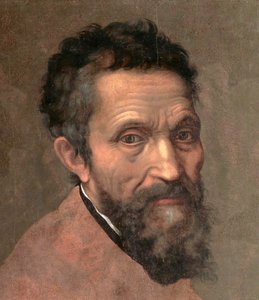
Miguel Ángel
1475 - 1564 , Italia
Datos clave
- Artistas Que Influyeron:
- Donatello
- Masaccio
- Estilo Artístico: Alto Renacimiento, Manierismo
- Fecha De Muerte: 18 de febrero de 1564
- Fecha De Nacimiento: 6 de marzo de 1475
- Influenciado A Artistas: ['Manierismo']
- Lugar De Nacimiento: Caprese Michelangelo, Italia
- Nacionalidad: Italiana
- Nombre Completo: Miguel Ángel Buonarroti
- Obras Notables:
- La Piedad
- David
- Techo de la Capilla Sixtina
- El Juicio Final
Artículos relacionados
Michelangelo Buonarroti: Las 25 Obras Maestras que Definen un Genio del Renacimiento | ArtsDot
Descubre las 25 obras maestras de Michelangelo Buonarroti: del David a la Capilla Sixtina. Explora su historia, técnica y significado en el Renacimiento italiano. Reproducciones de arte exclusivas para tu hogar en ArtsDot.com.

Esculturas de Bronce Legendarias: 10 Obras Maestras que Transformaron el Arte | ArtsDot
Descubre las 10 esculturas de bronce más legendarias que revolucionaron el arte. Explora la historia de Rodin, Degas y otros maestros del bronce. Encuentra reproducciones de alta calidad e inspiración para tu hogar en ArtsDot.com.

Las 10 Obras Maestras de Bronce que Revolucionaron la Historia del Arte | ArtsDot
Descubre las 10 esculturas de bronce más influyentes de la historia del arte. Explora obras maestras de Rodin, Degas y otros genios. Encuentra reproducciones de arte de calidad museo en ArtsDot.com.
Los 25 Tesoros del Uffizi: Arte Renacentista para tu Hogar | ArtsDot
Descubre los 25 tesoros del Uffizi en Florencia: Botticelli, Leonardo da Vinci y más. Explora la historia, el arte renacentista y encuentra reproducciones de alta calidad para tu hogar. ¡Inspírate con ArtsDot.com!

The Enduring Form: Exploring Themes & Techniques in Sculpture Across Historical Periods
Explore the rich history of sculpture from ancient masterpieces to contemporary innovations. Discover key techniques, influential artists & investment potential for discerning art collectors.