 Enviar
 Compartir
 Detalles

 Descargar
 Similares
 Presentación de diapositivas
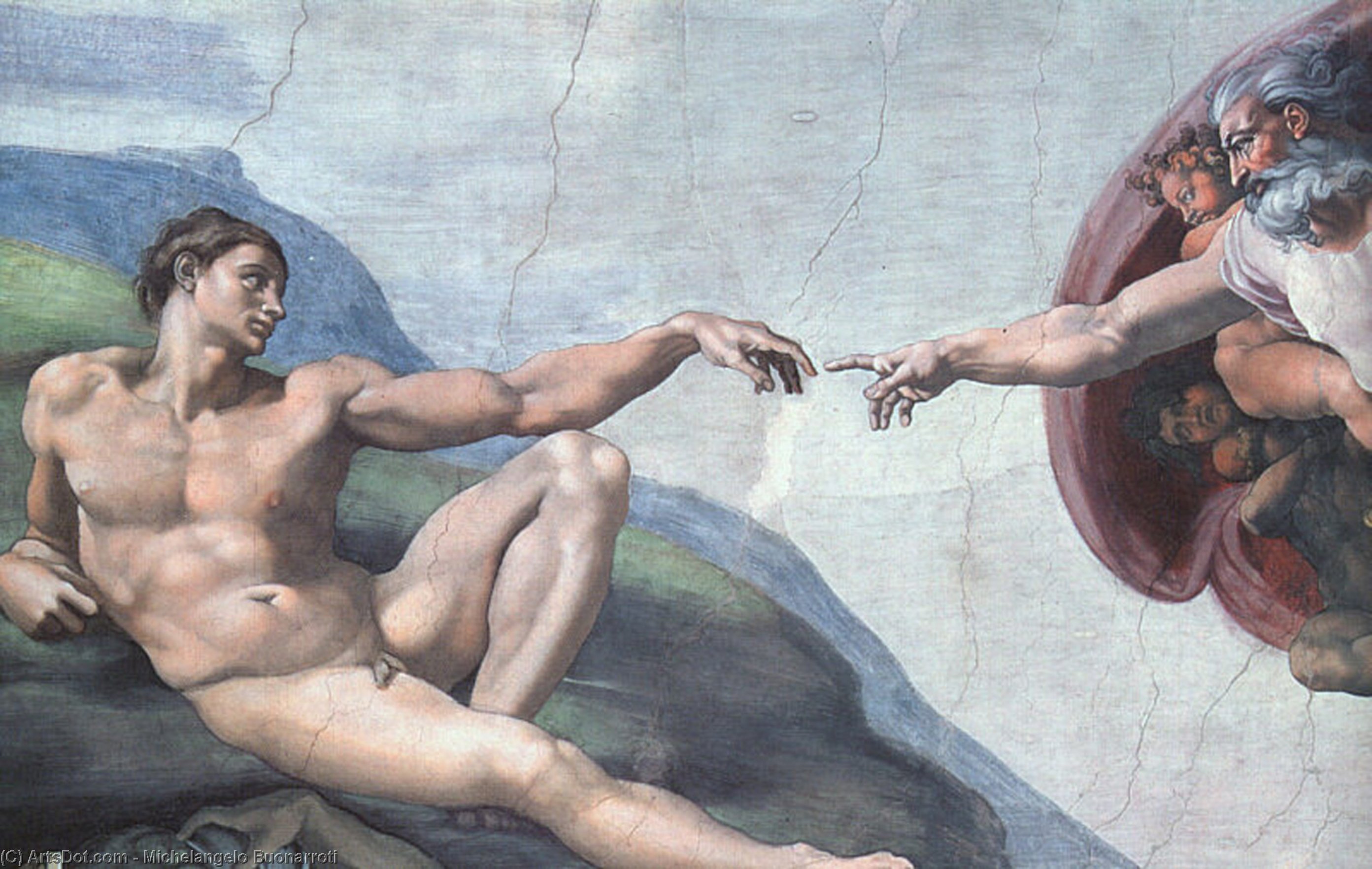
The Creation of Man


 Ver más
Reproducción al óleo hecha a mano
Óleo sobre lienzo pintado a mano en el tamaño y marco de su elección, realizado por encargo por nuestros artistas. ( Comprar impresión Comprar imagen)




































Elija entre nuestros tamaños predefinidos que respetan las proporciones originales de la obra.

Puede ingresar sus propias dimensiones para adaptarse a un marco o espacio específico. Si el tamaño seleccionado no coincide con las proporciones de la imagen original, recortaremos la obra o extenderemos la pintura con elementos adicionales pintados a mano. Se le enviará una maqueta digital para su aprobación antes de comenzar la producción.
Tenga en cuenta que la vista previa en pantalla no refleja el recorte o la extensión reales. Solo la maqueta mostrará con precisión la composición final.
Si bien existen tamaños personalizados, recomendamos seleccionar una dimensión de la lista predefinida para preservar las proporciones originales.
Tras realizar el pedido, el equipo de ArtsDot.com enviará un correo electrónico al cliente para solicitar instrucciones y proporcionarle una vista previa del boceto.
Envío a todo el mundo () en 3-4 semanas en lugar de las 5 semanas estándar. (31 agosto). Sin comprometer la calidad.

Envío exprés gratuito a todo el mundo

Lienzo de lino de alta calidad

Seguro de envío total

Garantía de reembolso de impuestos aduaneros

Garantía de fidelidad cromática exacta

Política de devolución de 60 días (solo por defectos)

Garantía de devolución del 100% del dinero

Descuento por cantidad
 La opción de vidrio solo está disponible en tamaños inferiores a 110 cm.

The Creation of Man
Técnica de reproducción
Dimensiones de la reproducción
-


Precio total final
$ 263
The Divine Spark: A Moment Frozen in Eternity
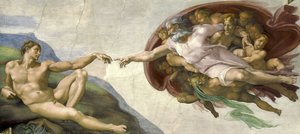
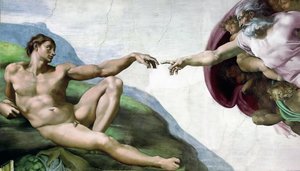
In the hallowed silence of the Sistine Chapel, one single gesture holds the weight of human history. Michelangelo Buonarroti’s “The Creation of Man” is not merely a fresco; it is a profound theological dialogue captured in pigment and plaster. At its heart lies the electric tension between two fingers—one belonging to the primordial Adam, resting heavy with new life, and the other to the divine, reaching out with an urgent, celestial energy. This infinitesimal gap, this near-touch, represents the very threshold of existence, capturing the precise moment when the spiritual essence is imparted to the physical form. To behold this masterpiece is to witness the breath of God entering the lungs of humanity, a scene that transcends its biblical origins to touch upon the universal human longing for connection and purpose.
The composition is a triumph of High Renaissance ideals, where anatomical precision meets spiritual grandeur. Michelangelo, a master who understood the architecture of the human body as intimately as a sculptor understands marble, renders Adam with a breathtaking muscularity. Every sinew and bone is articulated with a scientific rigor born from his studies of anatomy, yet these figures are far from mere biological specimens; they are idealized vessels of divine intent. The weight of Adam’s reclining form provides a grounded, earthly counterpoint to the dynamic, swirling movement of the Creator. This interplay between the heavy, terrestrial presence of man and the ethereal, weightless momentum of the divine creates a visual harmony that has captivated collectors and scholars for centuries.
A Masterclass in Fresco and Form
The technical brilliance of this work lies in Michelangelo’s unparalleled mastery of the fresco technique. Working on the vast, curved expanse of the Sistine ceiling, he applied pigments directly onto wet plaster, a demanding process that required both immense foresight and rapid execution. Through meticulous layering, he achieved a luminous quality that seems to emanate from within the figures themselves. The subtle glazes of color create a sculptural effect, making the painted flesh appear as though it possesses volume, warmth, and even a pulse. For the discerning eye, the brilliance of the work lies in how Michelangelo uses light not just to illuminate the scene, but to sculpt the very essence of life, casting shadows that define the profound depth of the human spirit.
Beyond its technical prowess, the painting serves as a monumental testament to the Humanist movement of the Renaissance. It reflects an era where the boundaries between the earthly and the divine were being reimagined through the lens of human dignity. The strength and nobility of Adam’s form echo the contemporary belief in the potential of mankind, a sentiment championed by thinkers like Pico della Mirandola. For those seeking to bring a piece of this historical majesty into their own spaces, a high-quality reproduction offers more than just decoration; it provides a window into an era of unparalleled intellectual and artistic rebirth.
An Enduring Legacy for the Modern Collector
Integrating a reproduction of “The Creation of Man” into a curated interior is an act of bringing profound narrative depth into a living space. Whether placed in a grand library, a sophisticated study, or a contemporary gallery-style room, the artwork acts as a focal point of contemplation and conversation. Its presence commands respect, offering a sense of timelessness that complements both classical and modern aesthetics. For interior designers, the piece provides a rich source of inspiration, its palette of earthy tones and celestial highlights capable of anchoring a room with both warmth and intellectual gravity.
Owning a tribute to Michelangelo’s genius is an opportunity to surround oneself with the very pinnacle of Western art history. It is an invitation to reflect on the themes of creation, vitality, and the eternal connection between the individual and the infinite. As a centerpiece for any collection, this work remains an undying symbol of the human capacity to reach for the divine, making it an essential acquisition for anyone who finds beauty in the intersection of strength, grace, and sacred history.
Obras relacionadas
Biografía del artista
Miguel Ángel Buonarroti: Un Titán del Renacimiento
Vida Temprana y Formación (1475-1496)
- Miguel ángel de Lodovico Buonarroti Simoni nació el 6 de marzo de 1475, en Caprese Michelangelo, Toscana.
- Inicialmente, su padre resistió una carrera artística, pero accedió al excepcional talento de su hijo para dibujar.
- A los 13 años, se hizo aprendiz de Domenico Ghirlandaio, aprendiendo técnicas de fresco y dibujo.
- Pronto se inclinó hacia la escultura, estudiando obras clásicas en los jardines de los Medici – una influencia decisiva.
Periodo Temprano: Estableciendo el Dominio (1490-1505)
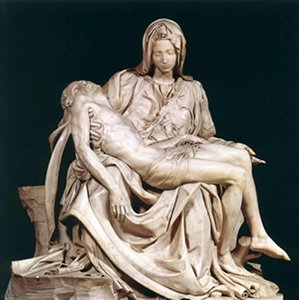
- Alrededor de 1496, recibió su primera comisión importante: la escultura de la Piedad, completada en 1499.
- La Piedad, ubicada en la Basílica de San Pedro, demostró su maestría en el tallado del mármol y su profundidad emocional.
- Su siguiente obra maestra fue la colosal estatua de David (1501-1504), que simbolizaba los ideales republicanos florentinos.
- El David, más de 17 pies de alto, demostró su comprensión anatómica y su capacidad para dar vida a la piedra.
El Alto Renacimiento: Pinturas de la Capilla Sixtina (1505-1520)
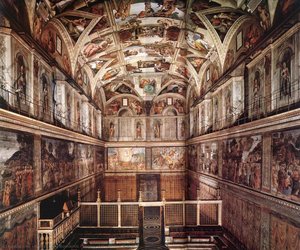
- Papa Julio II encargó a Miguel ángel pintar el techo de la Capilla Sixtina en 1508.
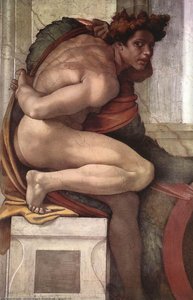
- Durante cuatro años, pintó más de 300 figuras que representan escenas del Génesis, incluyendo La Creación de Adán.
- Este ciclo monumental de frescos es un logro destacado en el arte occidental, demostrando su habilidad compositiva y su poder narrativo.
- También comenzó a trabajar en la tumba de Papa Julio II – un proyecto que abarcaría décadas pero permanecería sin terminar según lo concebido originalmente.
Años Tardíos: Arquitectura y el ‘Juicio Final’ (1520-1564)
- En 1520, Miguel ángel se convirtió en arquitecto de la Basílica de San Pedro, alterando significativamente el diseño de Bramante.
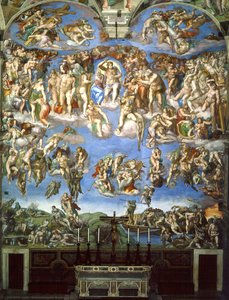
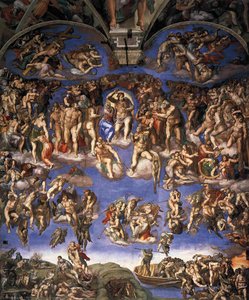
- Entre 1536 y 1541, pintó El Juicio Final en la pared del altar de la Capilla Sixtina.
- Este vasto fresco representaba la Segunda Venida de Cristo con una composición dramática e intensidad emocional, reflejando un cambio hacia el Manierismo.
Influencias y Desarrollo Artístico
- Antigüedad Clásica: El estudio de las esculturas griegas y romanas impactó profundamente su comprensión de la anatomía y la proporción.
- Humanismo Renacentista: La énfasis en el potencial humano es evidente en su celebración de la forma humana.
- Tradición Florentina: Construyó sobre el legado de artistas como Donatello y Masaccio.
- Su estilo evolucionó desde el idealismo clásico a un manierismo más dinámico y expresivo.
Significado Histórico y Legado
- Miguel ángel es considerado uno de los mayores artistas de todos los tiempos, encarnando al “hombre del Renacimiento”.
- Sus esculturas, pinturas y arquitectura han inspirado a generaciones y continúan cautivando al público en todo el mundo.
- Influyó profundamente tanto en los movimientos artísticos del Alto Renacimiento como del Manierismo.
- Su precisión anatómica, sus composiciones dramáticas y su profundidad emocional establecieron nuevos estándares de excelencia artística.
Años Finales
- Miguel ángel murió el 18 de febrero de 1564, en Roma, dejando atrás una obra incomparable.
- Su legado continúa dando forma a nuestra comprensión de la belleza, el poder y el potencial humano.
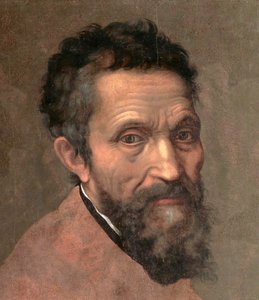
Miguel Ángel
1475 - 1564 , Italia
Datos clave
- Artistas Que Influyeron:
- Donatello
- Masaccio
- Estilo Artístico: Alto Renacimiento, Manierismo
- Fecha De Muerte: 18 de febrero de 1564
- Fecha De Nacimiento: 6 de marzo de 1475
- Influenciado A Artistas: ['Manierismo']
- Lugar De Nacimiento: Caprese Michelangelo, Italia
- Nacionalidad: Italiana
- Nombre Completo: Miguel Ángel Buonarroti
- Obras Notables:
- La Piedad
- David
- Techo de la Capilla Sixtina
- El Juicio Final
Artículos relacionados

Legado en las Paredes: Frescos Familiares que Trascienden el Tiempo
Descubre el arte del fresco muralístico para inmortalizar tu historia familiar. Expertos en frescos personalizados y técnicas ancestrales. Crea un legado visual único con .
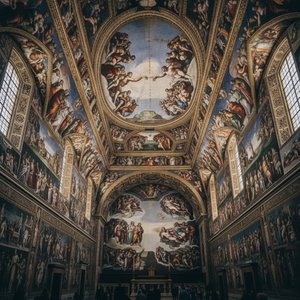
25 Must-See Masterpieces of the Sistine Chapel, Vatican City
Embark on a divine journey through the Sistine Chapel’s most iconic frescoes. Discover the genius of Michelangelo and the breathtaking beauty of Renaissance art. Find inspiration for museum-quality reproductions and elegant decor. Explore the full collection online at ArtsDot.com.

The Enduring Legacy of Fresco Painting: Techniques, History & Contemporary Relevance
Explore the rich history & enduring artistry of fresco painting – from Giotto to Michelangelo! Discover techniques, conservation efforts, & modern applications. Learn how ArtsDot brings this timeless art form to your home.

The Enduring Legacy of Fresco: Technique, History & Artistic Expression Across Cultures
Explore the rich history & enduring legacy of fresco painting! Discover ancient techniques, Giotto's masterpieces, and modern applications. Expert insights for art lovers & professionals.
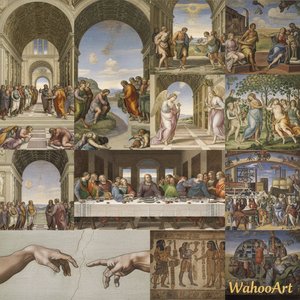
Frescos Legendarios: 10 Obras Maestras que Revolucionaron la Historia del Arte | ArtsDot
Descubre los 10 frescos más legendarios de la historia del arte, desde Miguel Ángel y Rafael hasta Giotto. Explora sus técnicas, historias y el impacto cultural que perdura. Reproducciones de alta calidad en ArtsDot.com.