

 Vista previa
 Compartir
 Compartir
 Ver detalles

 Descargar
 Ver similares
 Radiografía
 Presentación de diapositivas
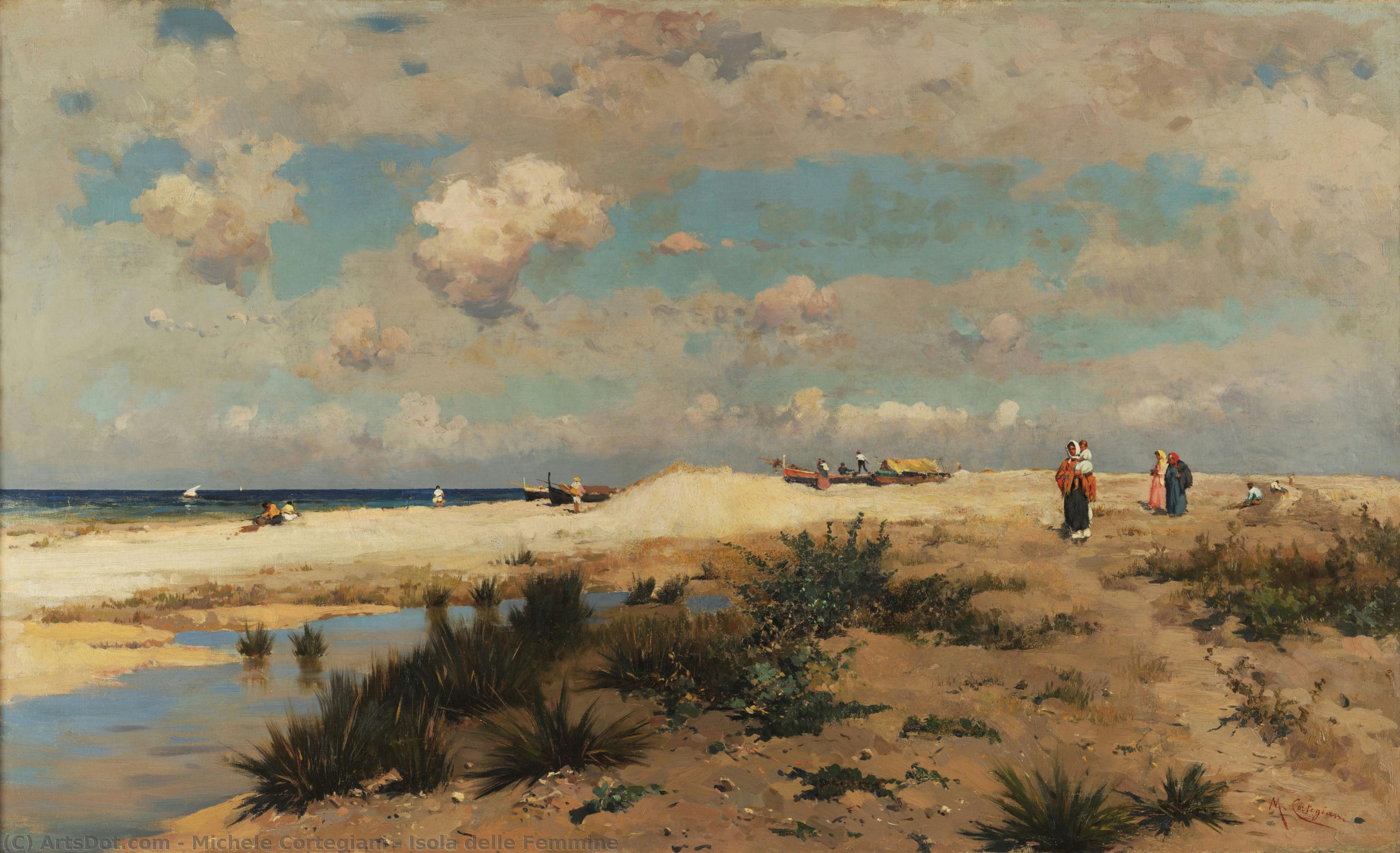
Isola delle Femmine
 1890
1890 76.0 x 129.0 cm
 Leer más
Reproducción al óleo hecha a mano
Óleo sobre lienzo pintado a mano en el tamaño y marco de su elección, realizado por encargo por nuestros artistas. ( Pedir impresión Comprar descarga)




































Elija entre nuestros tamaños predefinidos que respetan las proporciones originales de la obra.

Puede ingresar sus propias dimensiones para adaptarse a un marco o espacio específico. Si el tamaño seleccionado no coincide con las proporciones de la imagen original, recortaremos la obra o extenderemos la pintura con elementos adicionales pintados a mano. Se le enviará una maqueta digital para su aprobación antes de comenzar la producción.
Tenga en cuenta que la vista previa en pantalla no refleja el recorte o la extensión reales. Solo la maqueta mostrará con precisión la composición final.
Si bien existen tamaños personalizados, recomendamos seleccionar una dimensión de la lista predefinida para preservar las proporciones originales.
Tras realizar el pedido, el equipo de ArtsDot.com enviará un correo electrónico al cliente para solicitar instrucciones y proporcionarle una vista previa del boceto.
Envío a todo el mundo () en 3-4 semanas en lugar de las 5 semanas estándar. (20 agosto). Sin comprometer la calidad.

Envío exprés gratuito a todo el mundo

Lienzo de lino de alta calidad

Seguro de envío completo

Garantía de reembolso de aranceles aduaneros

Garantía de fidelidad cromática exacta

Política de devolución de 60 días (solo por defectos)

Garantía de devolución del 100% del dinero

Oferta por volumen
 La opción de vidrio solo está disponible en tamaños inferiores a 110 cm.

Isola delle Femmine
Técnica de reproducción
Tamaño de la reproducción
-


Precio total
$ 263
Obras relacionadas
Biografía del artista
Michele Cortegiani (1857 – 1928): Capturing Sicilian Light
Michele Cortegiani, born in Palermo, Italy, on February 8th, 1857, was a prolific painter whose canvases breathed with the vibrant hues of Sicily and Tunisia. He emerged from a lineage steeped in artistic tradition, inheriting influences from his mentor, Francesco Lojacono, who instilled in him a profound appreciation for color and observation—a foundation that would propel Cortegiani to become one of the foremost figures within the “Masters of Color” movement. His journey began with formal training under Lojacono before relocating to Paris in 1877-1881, where he absorbed the stylistic currents of Impressionism and Post-Impressionism, broadening his artistic horizons considerably.Early Training & Parisian Influences
Cortegiani’s formative years in Paris exposed him to groundbreaking techniques championed by artists like Claude Monet and Camille Pissarro, fostering a sensitivity to fleeting light and atmospheric perspective that would characterize much of his subsequent oeuvre. He diligently studied the interplay between sunlight and shadow—a practice honed through countless hours spent observing the landscapes of Normandy and Brittany alongside fellow Impressionists. This dedication to meticulous observation became a hallmark of his artistic style, informing his approach to portraying Sicilian vistas with unparalleled accuracy.Collaboration at Teatro Massimo
A pivotal moment arrived with his involvement in the Teatro Massimo’s ceiling decoration project (1893-1897) alongside Luigi Di Giovanni and Ettore De Maria Bergler, under Rocco Lentini's direction. This ambitious undertaking demanded meticulous planning and execution—a collaborative effort that solidified Cortegiani’s reputation as a skilled craftsman and demonstrated his ability to synthesize diverse artistic visions into a unified aesthetic experience. The project tasked him with capturing the grandeur of Sicilian history and culture through monumental frescoes, showcasing his mastery of scale and composition.The Sicilian Landscape: A Symphony of Color
Cortegiani’s artistic vision centered on capturing the essence of Sicily—specifically its coastal marinas and tranquil villages—with unparalleled accuracy and beauty. He possessed an extraordinary ability to translate the subtleties of light onto canvas, achieving a remarkable luminosity that mirrored the Mediterranean sun. His paintings are not merely representations of scenery; they are immersive experiences designed to transport viewers into the heart of Sicilian life. The “Masters o Color” movement recognized Cortegiani’s mastery in depicting chromatic harmonies—a testament to his dedication and artistic prowess. He favored a technique rooted in plein air painting, diligently studying the changing conditions of light throughout the day. His palette was rich with pigments derived from natural sources, reflecting his commitment to capturing the authentic colors of Sicily’s landscape. Notable Sicilian Works: Among his celebrated paintings are “Isola delle Femmine” and numerous depictions of coastal vistas—each infused with a palpable sense of atmosphere and emotion. These works stand as enduring symbols of Sicilian artistic heritage.Tunisian Inspirations & Genre Subjects
Cortegiani’s travels to Tunisia further enriched his artistic repertoire, introducing him to the distinctive cultural traditions and visual aesthetics of North Africa. The influence of Tunisian art is evident in his compositions—particularly in their use of bold colors and dramatic perspectives—demonstrating his willingness to experiment with new stylistic approaches. Beyond landscapes, Cortegiani excelled in portraying female portraits and genre scenes, capturing human emotion and social life with sensitivity and nuance. His paintings align closely with the Orientalist movement—a trend that sought to depict exotic locales and cultures through a Western gaze. He collaborated with Carlo Carrà and Giuseppe De Nittis, whose artistic visions shared similar stylistic concerns. Cortegiani’s work is housed in museums like the Michele & Donald D'Amour Museum of Fine Arts (Springfield) and San Michele Museums (Lucca), showcasing his enduring impact on the art world. Explore more about him at ArtsDot.com and Teatro Massimo’s ceiling decoration!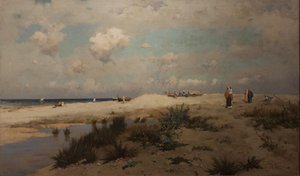
Michele Cortegiani
1857 - 1919 , Italia
Datos clave
- Artistic Movement Or Style: Masters of Color
- Artists Or Movements Influenced By This Artist: ['Carlo Carrà']
- Artists Who Influenced This Artist: ['Francesco Lojacono']
- Date Of Birth: 8 febrero 1857
- Date Of Death: 1928
- Full Name: Michele Cortegiani
- Nationality: Italiano
- Notable Artworks: ['Isola delle Femmine']
- Place Of Birth: Palermo, Italia

