

 Ver en contexto
 Enviar
 Compartir
 Detalles

 Descargar
 Similares
 Radiografía
 Presentación de diapositivas
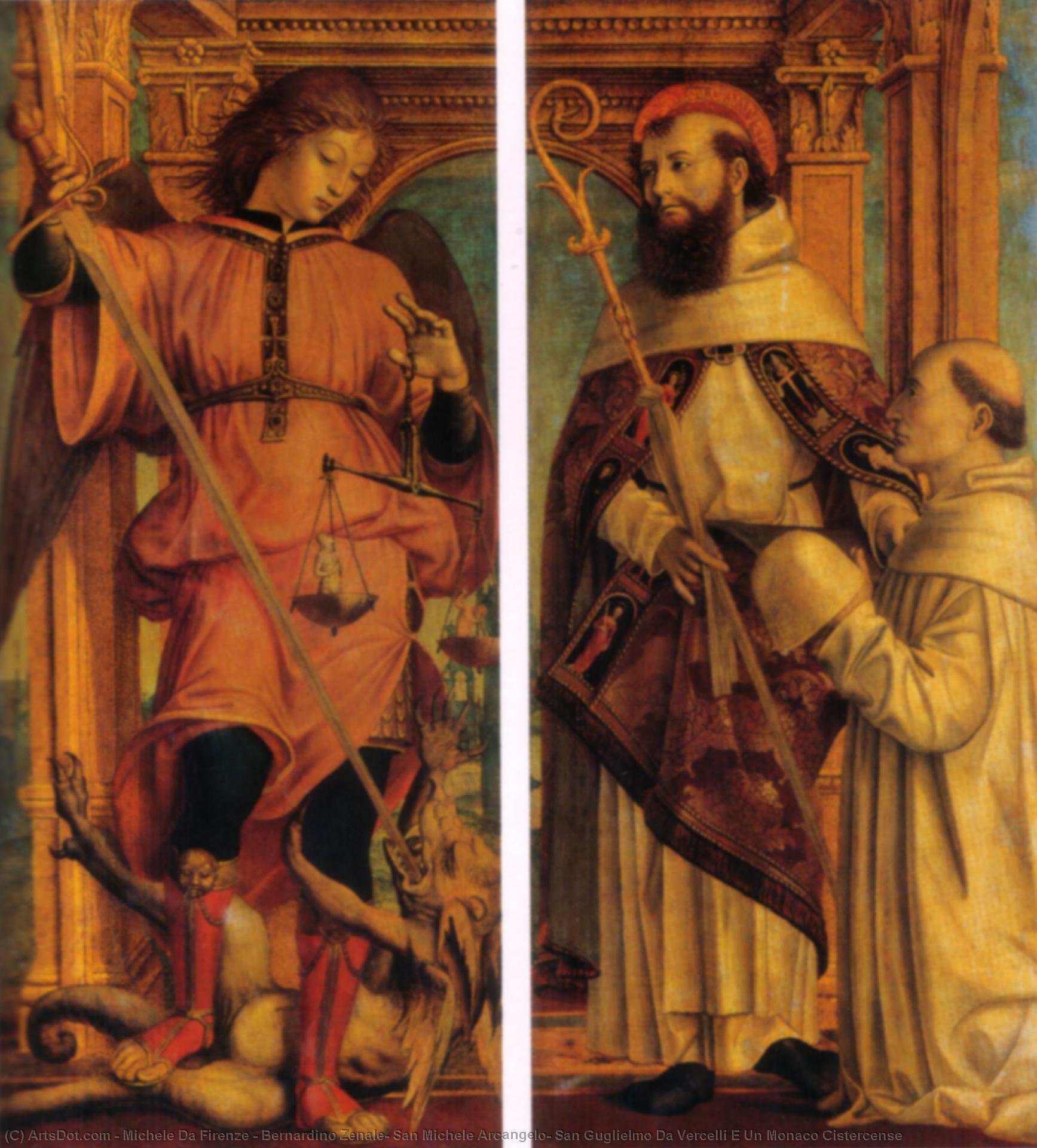
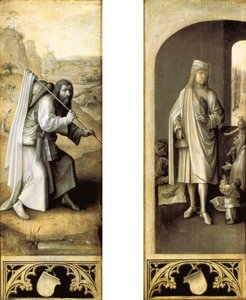
Bernardino Zenale, San Michele Arcangelo, San Guglielmo Da Vercelli E Un Monaco Cistercense

 Ver más
Adquiera una imagen digital de alta resolución y optimizada, muy superior a la vista previa en línea.
Cada archivo es preparado meticulosamente por nuestros especialistas internos mediante el uso de herramientas avanzadas y un experto retoque manual. Nos aseguramos de que cada imagen posea una claridad excepcional, una precisión cromática impecable y un detalle minucioso.
El archivo final se entrega por correo electrónico en un plazo de 72 horas, optimizado para su uso inmediato en entornos profesionales, editoriales y de impresión. Esta es la misma calidad en la que confían los estudios de diseño, las editoriales y las galerías de primer nivel.
Imagen Digital
Descarga un archivo de alta resolución para exhibición personal, impresión y proyectos creativos. ( Comprar impresión Comprar pintura hecha a mano)
Incluido en cada pedido de imágenes digitales
Entrega digital experta, garantizada.
Al elegir ArtsDot.com, no solo está adquiriendo una imagen; está recibiendo una obra de arte digital mejorada profesionalmente, elaborada con precisión y respaldada por una garantía de satisfacción. Esto es todo lo que incluye su pedido, automáticamente:

Entrega rápida por email
Recibirá su archivo de imagen digital en alta resolución por correo electrónico en un plazo de 72 horas tras realizar su pedido, listo para su uso inmediato.

Archivo digital optimizado por IA
Su obra de arte se optimiza profesionalmente mediante herramientas avanzadas de IA y edición manual, garantizando el máximo detalle, claridad y precisión cromática.

Reenvío gratuito de por vida
¿Has borrado o perdido tu archivo por error? No te preocupes: te lo volveremos a enviar en cualquier momento, sin coste adicional.

Sin gastos de importación, siempre
Disfrute de su obra de arte al instante sin aduanas, aranceles ni gastos de envío; las descargas digitales siempre están libres de impuestos.

Garantía de fidelidad de color
Garantizamos que su imagen digital refleje los colores originales con la mayor fidelidad posible, mediante el uso de herramientas profesionales y gestión del color.

Garantía de satisfacción de 60 días
Si no está satisfecho con su imagen digital, la revisaremos o le reembolsaremos el 100% en un plazo de 60 días, sin preguntas.

100% Garantía de devolución de dinero
¿No está satisfecho? Obtenga un reembolso completo dentro de los 60 días posteriores a la recepción de su archivo digital, sin necesidad de explicaciones.

Descuentos por pedidos grandes
Compra 3 imágenes, ahorra 10% - Compra 5, ahorra 15% - Compra 10+, ahorra 20%. Ideal para proyectos creativos, galerías y agencias.
Obras relacionadas
Biografía del artista
A Quiet Revolutionary: The Life and Art of Michele da Firenze
Michele da Firenze, a name perhaps less familiar than those of his contemporaries Ghiberti or Donatello, nevertheless stands as a pivotal figure in the history of Renaissance sculpture. Born around 1385 in Florence and tragically dying circa 1455, he carved out a unique legacy not through grand monuments or dramatic narratives, but through an astonishing volume of intimate terracotta works – devotional panels, tomb effigies, and small-scale religious figures that offered a profound connection to the spiritual life of his patrons. His story is one of quiet innovation, relentless dedication, and a subtle yet significant shift in how sculpture was conceived and experienced during the early 15th century.
Michele’s early career was inextricably linked to Lorenzo Ghiberti, the celebrated sculptor who oversaw the creation of the north doors of the Florence Baptistery. Serving as an assistant within Ghiberti's workshop from around 1404 until 1407, Michele absorbed the master’s techniques and aesthetic sensibilities – particularly his mastery of bronze relief and his deep understanding of classical forms. However, unlike Ghiberti who primarily worked in bronze, Michele quickly established himself as a specialist in terracotta, a medium then considered somewhat humble but possessing remarkable potential for color and detail. This decision marked a crucial divergence, setting him on a path to develop a distinct artistic identity.
His early works demonstrate a clear debt to Ghiberti’s style – the elegant drapery, the balanced compositions, and the meticulous attention to anatomical accuracy are all hallmarks of his training. Yet, Michele soon began to refine these influences, injecting his own personality and a remarkable sensitivity into his creations. He moved beyond mere imitation, exploring new techniques for modeling terracotta, achieving an unprecedented level of realism and expressiveness within this challenging medium. His early output included numerous small-scale devotional panels depicting the Virgin Mary with the Child, saints, and angels – pieces that were often sold directly to private clients, a practice unheard of in Florence at the time.
The Pellegrini Chapel: A Masterpiece of Terracotta Relief
Michele’s most celebrated achievement is undoubtedly the decoration of the Pellegrini Chapel in the Basilica of Sant'anastasia in Verona. Commissioned around 1433-38, this ambitious project represents a radical departure from the traditional frescoed narrative cycles that dominated church decoration at the time. Instead, Michele created an entirely new approach – a vast wall surface covered with over twenty individual terracotta panels, each depicting a scene from the life, passion, and death of Christ. This innovative use of terracotta, combined with its vibrant polychrome surfaces, transformed the chapel into a dazzling spectacle of color and form.
The Pellegrini Chapel is not merely a decorative scheme; it’s a profound meditation on faith and redemption. Michele's figures are imbued with an extraordinary sense of humanity – they are not idealized saints but relatable individuals experiencing moments of joy, sorrow, and spiritual struggle. The influence of the International Gothic style is evident in the elegant drapery, the flowing lines, and the delicate details, yet Michele’s work possesses a unique emotional depth that transcends stylistic influences. The panel depicting the Kiss of Judas, with its dramatic portrayal of betrayal and remorse, stands as a particularly poignant example of his artistic power.
A Traveling Sculptor: Workshops and Regional Influences
Michele da Firenze was not a stationary figure; he spent much of his career traveling throughout Italy, working in various workshops and establishing connections with influential patrons. He worked in Florence, Arezzo, Verona, Modena, and Pesaro, adapting his style to the specific demands and tastes of each location. This itinerant lifestyle allowed him to absorb diverse artistic influences – from the classical traditions of antiquity to the Gothic sensibilities prevalent in Northern Italy.
His time in Arezzo, particularly during the 1420s and early 1430s, was marked by significant productivity. He created a tomb effigy for Francesco Roselli, a wealthy jurist, demonstrating his ability to handle large-scale projects and integrate complex sculptural programs. The tomb is notable for its elaborate decoration and its integration of terracotta with other materials, such as marble and bronze.
Legacy and Significance
Michele da Firenze’s contribution to the history of Renaissance sculpture is often underestimated, yet his impact was profound. He pioneered the use of terracotta as a primary sculptural medium, establishing it as a viable alternative to bronze and stone. His innovative approach to chapel decoration – utilizing individual panels rather than continuous frescoes – paved the way for future generations of artists. Furthermore, his emphasis on emotional realism and intimate devotional themes resonated deeply with his patrons, transforming sculpture into a powerful tool for personal piety.
While overshadowed by the more celebrated figures of his contemporaries, Michele da Firenze deserves recognition as a quiet revolutionary – an artist who quietly reshaped the landscape of Renaissance art through his dedication to terracotta and his profound understanding of human emotion. His legacy continues to inspire artists today, reminding us that beauty and spiritual depth can be found in the most unexpected materials and forms.
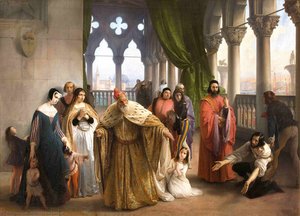
michele da firenze
1385 - 1455 , Italy
Breves datos
- Artistic Movement Or Style: Early Renaissance
- Artists Or Movements Influenced By This Artist: ['Pietro Da Cortona']
- Artists Who Influenced This Artist: ['Lorenzo Ghiberti']
- Date Of Birth: 1385, Florence
- Date Of Death: c. 1455, Florence
- Full Name: Michele di Niccolò Dini
- Nationality: Italian
- Notable Artworks:
- San Michele Arcangelo
- Martirio Di San Lorenzo
- Scenes From The Life Of Christ
- Place Of Birth: Florence, Italy

