 Ver en contexto
 Enviar
 Compartir
 Detalles

 Descargar
 Similares
 Radiografía
 Presentación de diapositivas
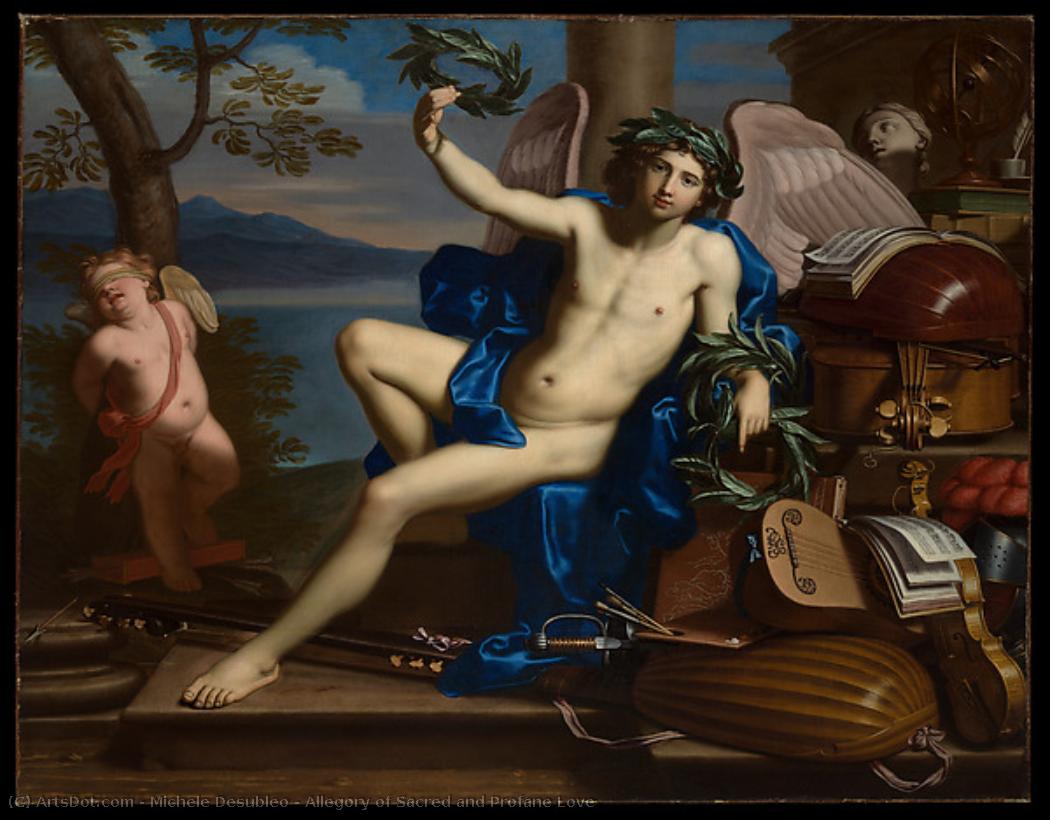
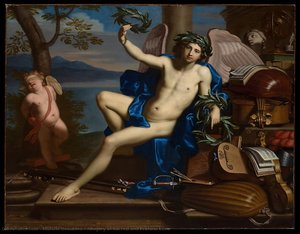
Alegría Sagrada y Alegría Profana
 Óleo sobre lienzo
- Arte de pared
- Baroque Art
 1665
1665 150.0 x 194.0 cm
 Museo Metropolitano de Arte
 Ver más
Giclée / Impresión de arte
Impresiones giclée o en lienzo de calidad de museo con producción rápida y opciones de acabado flexibles. ( Comprar pintura hecha a mano Comprar imagen)




P118B $10

P118H $10

P118W $10

P438Z $10

P508JH $12

P508YH $12

P805H $10

P805Z $10

P919BZ $10

P919G $10

P919XJ $10

P959ZH $10

P968JZ $12

W106C $8

W218G $10

W218JH $8

W218Y $10

W307PJ $10

W316G $10

W316PJ $8

W316Y $10

W398PJ $8

W4111J $10

W500HY $15

W500JH $15

W692G $12

W849H $8

W940BG $15

W953PJ $8




Elija entre nuestros tamaños predefinidos que respetan las proporciones originales de la obra.

Puede introducir sus propias dimensiones para adaptarse a un marco o espacio específico. Si el tamaño seleccionado no coincide con las proporciones de la imagen original, recortaremos la obra de arte o extenderemos la imagen con un borde con efecto espejo o de color sólido. Se enviará una maqueta digital para su aprobación antes de que comience la producción.
Tenga en cuenta que la vista previa en pantalla no refleja el recorte o la extensión real. Solo la maqueta mostrará con precisión la composición final.
Aunque existen tamaños personalizados, recomendamos seleccionar una dimensión de la lista predefinida para preservar las proporciones originales.
Envío a todo el mundo () en 2 semanas en lugar de las 4/5 semanas estándar. (26 agosto)

Envío exprés gratuito a todo el mundo

Lienzo de lino de alta calidad

Seguro de envío total

Garantía de reembolso de impuestos aduaneros

Garantía de fidelidad cromática exacta

Política de devolución de 60 días (solo por defectos)

Garantía de devolución del 100% del dinero

Descuento por cantidad
 La opción de vidrio solo está disponible en tamaños inferiores a 110 cm.

Alegría Sagrada y Alegría Profana
Giclée / Impresión de arte
Dimensiones de la reproducción
-


Precio total final
$ 62
Descripción de la pieza
Una Exaltación del Amor en la Pintura Barroca Italiana
Este cuadro, obra maestra de Michele Desubleo, representa un logro excepcional dentro del arte barroco flamenco y romano. Formado bajo la tutela de Abraham Janssens van Nuyssen en Flandes junto a su hermano Nicolás Renier, Desubleo absorbió las enseñanzas de Guido Reni, cuyo propio *Sacro e Profano Amore* (Palazzo Spinola, Génova) influyó profundamente en su estilo y visión artística. La composición innovadora combina la sensualidad característica del cuerpo humano heredada de Reni con una impresionante representación realista de objetos cotidianos que reflejan los ideales humanistas de la época: instrumentos musicales, paleta de pintor, fragmentos escultóricos y armadura – elementos cuidadosamente seleccionados para estimular el pensamiento filosófico y moral de su público. ### Análisis Estético y Técnica Magistral Desubleo demostró una habilidad técnica impresionante al emplear óleo sobre lienzo, siguiendo las convenciones establecidas por los grandes maestros del barroco italiano. La aplicación meticulosa de la pintura permite apreciar con detalle la textura de los materiales utilizados – el brillo suave del oro en algunos elementos simbólicos, la profundidad cromática de los tonos tierra y azules – creando una atmósfera llena de luz y movimiento que captura la esencia del espíritu barroco. Además, la composición equilibrada y armoniosa refuerza el mensaje artístico, guiando el ojo del espectador hacia el centro de interés: la figura centralizada de Cupido, símbolo universal del amor divino y sensual. ### Contexto Histórico y Simbolismo Profundo El cuadro fue creado en Génova alrededor de 1665-75, durante un período marcado por la consolidación del poder papal y la influencia creciente de las ideas humanistas. Desubleo buscaba transmitir una visión compleja del amor, entendiendo este como fuerza esencial para el desarrollo humano tanto física como espiritual. La inclusión de instrumentos musicales y objetos relacionados con el arte reflejan la importancia de la belleza y la cultura en la sociedad aristocrática italiana de aquel tiempo. Asimismo, la representación de elementos religiosos – como los ángeles – refuerza la conexión entre el amor terreno y el amor trascendente, ofreciendo una reflexión sobre la naturaleza del deseo humano y su capacidad para alcanzar la perfección espiritual. ### Impacto Emocional y Valor Artístico Actual La obra sigue siendo impresionante por su belleza estética y profundidad simbólica. Observadores modernos pueden sentirse atraídos por la riqueza de detalles y colores que evocan un mundo idealizado donde el amor verdadero puede iluminar incluso los aspectos más oscuros de la existencia humana. Más allá de su valor artístico intrínseco, *Allegory of Sacred and Profane Love* representa una ventana fascinante al pensamiento barroco italiano y a las preocupaciones culturales de una época clave en la historia del arte occidental. Una reproducción excepcionalmente bien ejecutada puede aportar un toque de elegancia y sofisticación a cualquier espacio interior, manteniendo viva la esencia de esta obra maestra universal.Obras relacionadas



Biografía del artista
The Flemish Visionary of the Italian Baroque
In the grand, dramatic tapestry of the seventeenth century, few threads are as intriguing as that of Michele Desubleo. A painter who bridged the gap between the meticulous traditions of Flanders and the emotive splendor of Italy, Desubleo embodied the very essence of the Baroque era. Born around 1601 or 1602 in Maubeuge, within the Spanish Netherlands, his early life was rooted in a landscape of profound artistic discipline. It is believed that he honed his foundational skills in the workshop of Abraham Janssens van Nuyssen, working alongside his stepbrother, the celebrated Nicolas Régnier. This Flemish upbringing provided him with a rigorous command of texture, light, and anatomical precision—tools that would later allow him to navigate the complex emotional landscapes of the Italian masters.
The trajectory of Desublean art changed irrevocably when he migrated toward the sun-drenched centers of Italian creativity. Arriving in Rome around 1625, he found himself immersed in a city where the echoes of the Renaissance were being transformed into the theatrical intensity of the Baroque. It was here that his talent met its most profound catalyst: the workshop of Guido Reni. Under Reni’s tutelage, Desubleo moved beyond mere technical proficiency to embrace an idealized beauty and a sophisticated use of chiaroscuro. This period of intense study allowed him to synthesize the robust, tactile qualities of his Northern heritage with the graceful, lyrical compositions characteristic of the Bolognese school.
A Journey Through Light and Devotion
As Desubleo’s career progressed, his presence moved across the Italian peninsula like a shadow cast by flickering candlelight, leaving behind works in Venice, Florence, Bologna, and Genoa. His ability to adapt to different regional aesthetics made him a versatile force in the art market of the 1600s. In the Veneto region, he spent much of the 1650s, while his later years saw him establishing a significant legacy in Parma. His work often functioned as a bridge between the sacred and the secular, capable of conveying both the divine ecstasy of a saint and the complex allegories of human virtue.
The technical mastery evident in his most famous compositions reveals a deep understanding of dramatic tension. Consider the following hallmarks of his mature style:
- Dramatic Chiaroscuro: The masterful use of extreme light and shadow to sculpt figures and create a sense of three-dimensional presence.
- Anatomical Grace: A lingering influence from Reni, seen in the fluid, muscular, yet idealized depiction of the human form.
- Narrative Intensity: An ability to capture pivotal biblical or mythological moments, such as the triumph in David with the Head of Goliath, through expressive gestures and rich textures.
- Allegorical Depth: The capacity to weave complex philosophical themes into single canvases, most notably seen in his explorations of Sacred and Profane Love.
Legacy and Historical Significance
Though history occasionally obscures the names of those who worked within the shadows of giants like Reni or Régnier, Desubleo’s contribution remains vital to our understanding of the Baroque's international character. He was not merely a student of Italian trends but an active participant in their evolution, bringing a Northern sensibility to the Mediterranean palette. His later works in Parma, including monumental altarpieces for the cathedral, stand as testaments to his enduring devotion to religious iconography and his ability to inspire awe in the faithful.
When he passed away in Parma in 1676, he left behind a body of work that serves as a historical record of an era defined by movement, emotion, and light. To study Michele Desubleo is to witness the beautiful collision of two worlds—the disciplined precision of Flanders meeting the soaring, dramatic spirit of Italy—resulting in a visual language that continues to captivate the modern eye.
michele desubleo
1602 - 1676
Datos clave
- Artistic Movement Or Style: Baroque
- Artists Or Movements Influenced By This Artist: ['Renaissance']
- Artists Who Influenced This Artist: ['Guido Reni']
- Date Of Birth: 1602
- Date Of Death: 1676
- Full Name: Michele Desubleo
- Nationality: Flemish
- Notable Artworks:
- David with Goliath
- Allegory of Sacred and Profane Love
- Place Of Birth: Maubege
Artículos relacionados

Drama Barroca: Llevando la Grandeza y la Emoción a los Interiores Contemporáneos
Descubre cómo el drama y la grandeza del arte barroco pueden transformar tus interiores. Guía experta, inspiración y reproducciones de alta calidad en .

The Visceral Stage: Exploring Dramatic Narratives & Emotional Intensity in Baroque Art
Explore the dramatic world of Baroque art! Discover iconic masters like Caravaggio & Rembrandt, their techniques, and the movement's lasting impact. Expert insights for collectors & enthusiasts at ArtsDot.

The Dramatic Flourish: Exploring the Baroque Movement's Enduring Legacy in Art History
Explore the dramatic world of Baroque art! Discover iconic artists like Caravaggio & Rubens, defining techniques, and its lasting impact on art history. Expert insights for collectors & enthusiasts at ArtsDot.

Barroco Sublime: 10 Obras Maestras que Definieron una Época |
Descubre las 10 obras maestras del Barroco que marcaron una época. Caravaggio, Bernini y Velázquez cobran vida en . Reproducciones de arte de calidad museo para decorar tu hogar con elegancia. ¡Explora la colección online!

Baroque Classicism: Reconciling Drama & Order in 17th-Century Art
Explore the captivating world of Baroque Classicism! Discover its history, key artists like Caravaggio & Rubens, and defining characteristics. Expert insights & high-quality reproductions at ArtsDot.