

 Ver en contexto
 Enviar
 Compartir
 Detalles

 Descargar
 Similares
 Radiografía
 Presentación de diapositivas
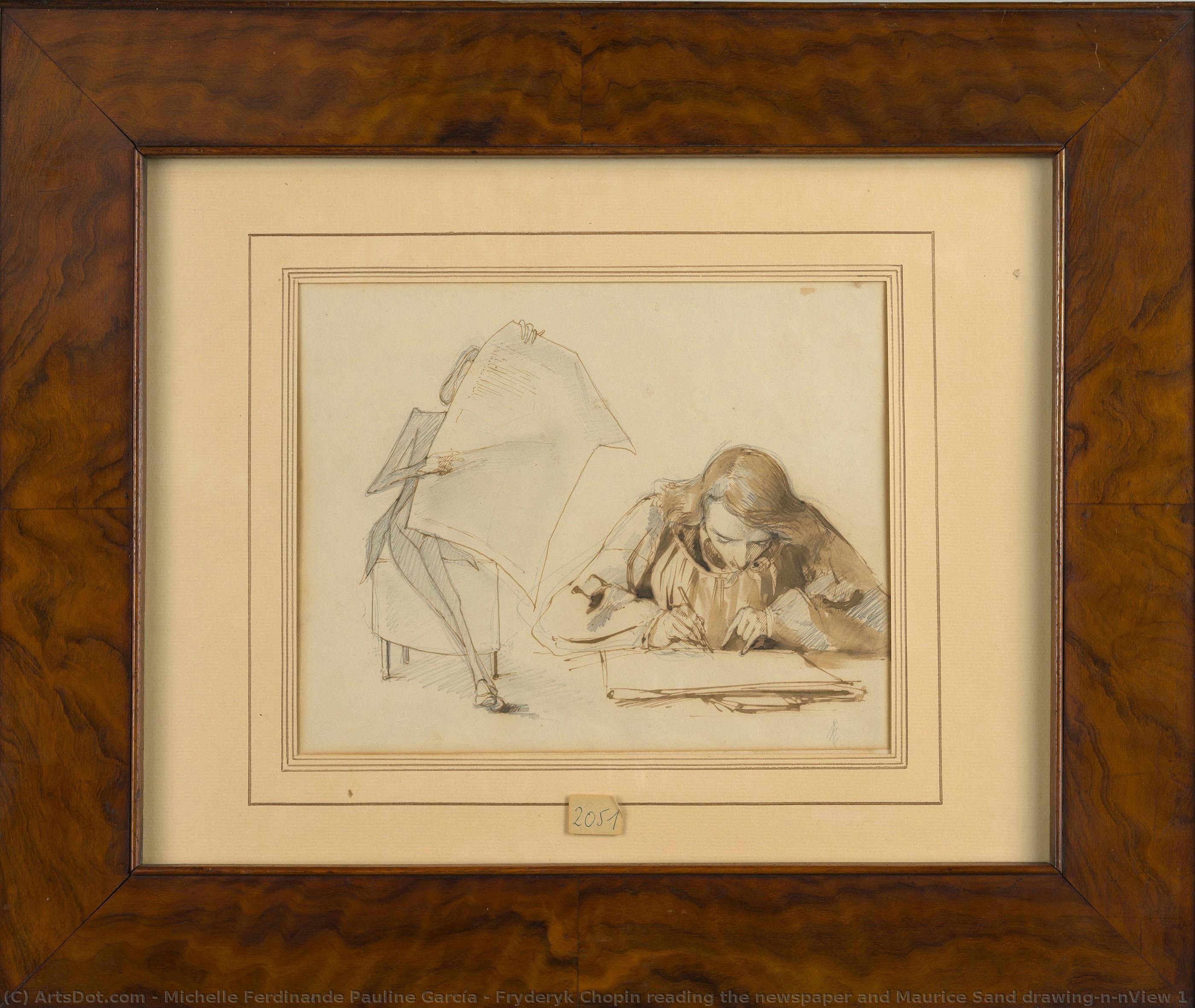
Fryderyk Chopin reading the newspaper and Maurice Sand drawing\n\nView 1


 Ver más
Giclée / Impresión de arte
Impresiones giclée o en lienzo de calidad de museo con producción rápida y opciones de acabado flexibles. ( Comprar pintura hecha a mano Comprar imagen)




P118B $10

P118H $10

P118W $10

P438Z $10

P508JH $12

P508YH $12

P805H $10

P805Z $10

P919BZ $10

P919G $10

P919XJ $10

P959ZH $10

P968JZ $12

W106C $8

W218G $10

W218JH $8

W218Y $10

W307PJ $10

W316G $10

W316PJ $8

W316Y $10

W398PJ $8

W4111J $10

W500HY $15

W500JH $15

W692G $12

W849H $8

W940BG $15

W953PJ $8




Elija entre nuestros tamaños predefinidos que respetan las proporciones originales de la obra.

Puede introducir sus propias dimensiones para adaptarse a un marco o espacio específico. Si el tamaño seleccionado no coincide con las proporciones de la imagen original, recortaremos la obra de arte o extenderemos la imagen con un borde con efecto espejo o de color sólido. Se enviará una maqueta digital para su aprobación antes de que comience la producción.
Tenga en cuenta que la vista previa en pantalla no refleja el recorte o la extensión real. Solo la maqueta mostrará con precisión la composición final.
Aunque existen tamaños personalizados, recomendamos seleccionar una dimensión de la lista predefinida para preservar las proporciones originales.
Envío a todo el mundo () en 2 semanas en lugar de las 4/5 semanas estándar. (5 septiembre)

Envío exprés gratuito a todo el mundo

Lienzo de lino de alta calidad

Seguro de envío total

Garantía de reembolso de impuestos aduaneros

Garantía de fidelidad cromática exacta

Política de devolución de 60 días (solo por defectos)

Garantía de devolución del 100% del dinero

Descuento por cantidad
 La opción de vidrio solo está disponible en tamaños inferiores a 110 cm.

Fryderyk Chopin reading the newspaper and Maurice Sand drawing\n\nView 1
Giclée / Impresión de arte
Dimensiones de la reproducción
-


Precio total final
$ 62
A Moment Captured in Parisian Life
This evocative drawing transports us directly into the intimate atmosphere of a nineteenth-century Parisian salon or study. The scene is imbued with the quiet drama of intellectual pursuit and artistic collaboration. At the heart of the composition, a woman sits absorbed in the rustling pages of a newspaper, suggesting a moment paused from the ceaseless current of daily news and thought. Behind her, another figure stands, perhaps an admirer, a confidant, or even the artist at work, lending a sense of narrative tension to the otherwise domestic setting. The inclusion of comfortable yet formal furnishings—the sturdy chairs and the plush couch visible in the background—grounds the scene in a recognizable, affluent milieu.
The Echoes of Artistic Genius
While the specific figures evoke memories of musical luminaries like Fryderyk Chopin and artists such as Maurice Sand, the drawing itself functions as a beautiful tableau vivant. It speaks to the vibrant ecosystem of creative life that flourished in Paris during the 19th century—a time when music, literature, and visual arts were inextricably intertwined. The presence of these celebrated names, even if only suggested by the composition's spirit, invites us to contemplate the salon culture where genius was both nurtured and observed. It is a meditation on inspiration itself.
Mastery in Line and Shadow
The technique employed here lends itself to an air of delicate realism characteristic of fine academic drawing. The artist has utilized line work with remarkable skill, capturing not just the forms of the people and furniture, but also the subtle interplay of light and shadow that defines a room's mood. One can almost feel the texture of the paper beneath the woman’s fingers or the weight of the air in the room. This masterful handling of graphite or charcoal allows the viewer to connect with the scene on an almost tactile level.
Symbolism of Leisure and Intellect
Beyond the surface narrative, the drawing is rich with symbolism. The newspaper itself represents the confluence of public life and private contemplation—the necessary pause amidst information overload. The act of observation, whether through reading or sketching, symbolizes the human need to process the world around us. For the collector or designer, this piece offers more than mere decoration; it offers a sophisticated conversation starter, suggesting an appreciation for culture, history, and the quiet dignity found in moments of intellectual repose.
Bringing Parisian Romance Home
Reproducing such a scene allows one to infuse any interior space—be it a formal drawing-room or a cozy study nook—with the romance and depth of historical European art. Owning this reproduction is an embrace of that golden age when artistic patronage was at its height. It serves as a timeless homage to the creative spirit, making your walls resonate with the whispers of past masters.
Obras relacionadas
Biografía del artista
Una Sinfonía del Espíritu: La Vida y el Legado de Pauline Viardot
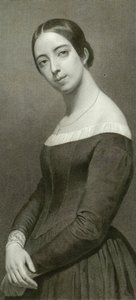
En los vibrantes salones iluminados por velas del París del siglo XIX, pocas figuras dominaron la estancia con tanta gracia y profundidad intelectual como Michelle Ferdinande Pauline García. Conocida en la historia por su nombre de casada, Pauline Viardot, fue mucho más que una simple intérprete; fue un fenómeno cultural cuya propia existencia tendió un puente entre las apasionadas tradiciones de su herencia española y las sofisticadas corrientes artísticas de Francia. Nacida en París en 1821, su vida fue un intrincado tapiz tejido con melodía, drama y una profunda dedicación a las artes. Encontrarse con su obra es adentrarse en una era donde la música, la literatura y la expresión visual no eran disciplinas separadas, sino un único y palpitante ecosistema de emoción humana.
Su viaje comenzó en la cuna del genio musical. Criada en una familia donde cada aliento parecía compuesto de ritmo y armonía, era hija del legendario maestro de canto español Manuel García II. Este linaje le proporcionó una base inigualable, permitiéndole dominar el piano bajo la tutela del incomparable Franz Liszt y explorar las complejidades de la teoría musical con Anton Reicha. Esta inmersión temprana en un entrenamiento riguroso inculcó en ella una búsqueda de perfección técnica de por vida; sin embargo, fue su capacidad para infundir esa técnica con un alma dramática y pura lo que finalmente definiría su estatus legendario como mezzosoprano.
El Escenario y la Partitura: Una Carrera de Brillo Dramático
Cuando Viardot hizo su debut operístico en Londres en 1839, el mundo conoció una voz de rango extraordinario y poder expresivo. Ella no se limitaba a cantar papeles; los habitaba. Sus actuaciones se caracterizaban por una capacidad notable para navegar los paisajes dramáticos más exigentes, como su celebrada interpretación de Desdémona en el Otello de Rossini. En esos momentos, las fronteras entre la cantante y el personaje se disolvían, dejando al público cautivado por un matiz de emoción que se sentía a la vez íntimo y monumental. Su repertorio fue un testimonio de su versatilidad, abarcando las obras operísticas más profundas de su tiempo y consolidando su reputación como una de las principales mezzosopranos dramáticas del siglo XIX.
Sin embargo, el impulso de crear no terminaba cuando caía el telón. Viardot poseía un espíritu creativo prolífico que encontró expresión a través de la composición y la pedagogía. Fue una erudita del sonido, componiendo transcripciones de las mazurkas de Chopin y extrayendo inspiración de las tradiciones líricas de Rusia. Su labor como compositora reflejaba una profunda curiosidad intelectual, fusionando la maestría técnica con una sensibilidad poética. Además, su influencia se extendió a las generaciones futuras a través de su papel como pedagoga, donde transmitió los secretos de la excelencia vocal, asegurando que su linaje musical continuara resonando mucho después de su última actuación.
Una Huella Imborrable en el Paisaje Artístico
La importancia histórica de Pauline Viardot reside en su papel como un nodo central en la red de la alta cultura europea. Fue una mujer que se movía sin fisuras entre idiomas —hablando con fluidez español, francés, inglés e italiano— y entre disciplinas. Su vida sirve como un hermoso tableau vivant de la cultura de salón del siglo XIX, donde la presencia de figuras como Chopin o Maurice Sand podía convertir una simple reunión en un momento de peso histórico. A través de sus composiciones, su presencia escénica y su legado pedagógico, ayudó a dar forma a la definición misma del artista moderno: aquel que es, simultáneamente, creador, intérprete y guardián de la tradición.
Hoy la recordamos no solo por las notas que cantó, sino por la atmósfera de inspiración que cultivó. Su vida sigue siendo un testimonio del poder de la convergencia artística, demostrando que cuando la herencia se encuentra con la disciplina rigurosa, el resultado es un legado que trasciende el tiempo, muy parecido a los ecos perdurables de una aria perfectamente ejecutada.
Pauline Viardot
1821 - 1910 , Francia
Datos clave
- Artistic Movement Or Style: Arte español y francés
- Artists Or Movements Influenced By This Artist: ['Hector Berlioz']
- Artists Who Influenced This Artist:
- Franz Liszt
- Anton Reicha
- Date Of Birth: 18 julio 1821
- Full Name: Michelle Ferdinande Pauline García
- Nationality: Francesa
- Notable Artworks:
- Chopin Reading
- Maurice Sand Drawing View 1
- Place Of Birth: París, Francia
Artículos relacionados
La Estética Refinada de la Ilustración Victoriana: Narrativa y Técnica en el Arte del Siglo XIX
Descubra la estética refinada de la ilustración victoriana y el impacto revolucionario de los Prerrafaelitas. Análisis profundo de técnicas, narrativa y simbolismo en el arte del siglo XIX.

Hablot Knight Browne: Phiz & the Victorian Social Canvas – A Critical Legacy
Explore the life & art of Hablot Knight Browne ('Phiz'), Dickens's iconic illustrator. Discover his masterful social commentary, technical innovations, and enduring legacy in Victorian illustration. A critical examination for history lovers.
The Enduring Power of Illustration: A Historical Survey of Narrative Art & Visual Storytelling
Explore the rich history of illustration! From ancient cave paintings to Art Nouveau masterpieces, discover how visual storytelling has shaped culture. Expert insights & stunning examples.
El Siglo XIX en el Arte: 10 Obras Maestras para Decorar con Historia y Estilo
Descubre 10 obras maestras del siglo XIX: Monet, Goya y más. Explora el impresionismo, realismo y romanticismo que definieron una época. Encuentra reproducciones de arte exclusivas para decorar tu hogar con estilo en ArtsDot.com.

Kay Rasmus Nielsen: A Golden Age Illustrator's Enchanting Legacy of Symbolism & Narrative
Explore the captivating world of Kay Rasmus Nielsen, a celebrated Golden Age illustrator renowned for his Art Nouveau fairy tale art & Disney contributions. Discover his unique style, enduring legacy, and how to collect his enchanting works.

