 Ver en contexto
 Enviar
 Compartir
 Detalles

 Descargar
 Similares
 Radiografía
 Presentación de diapositivas
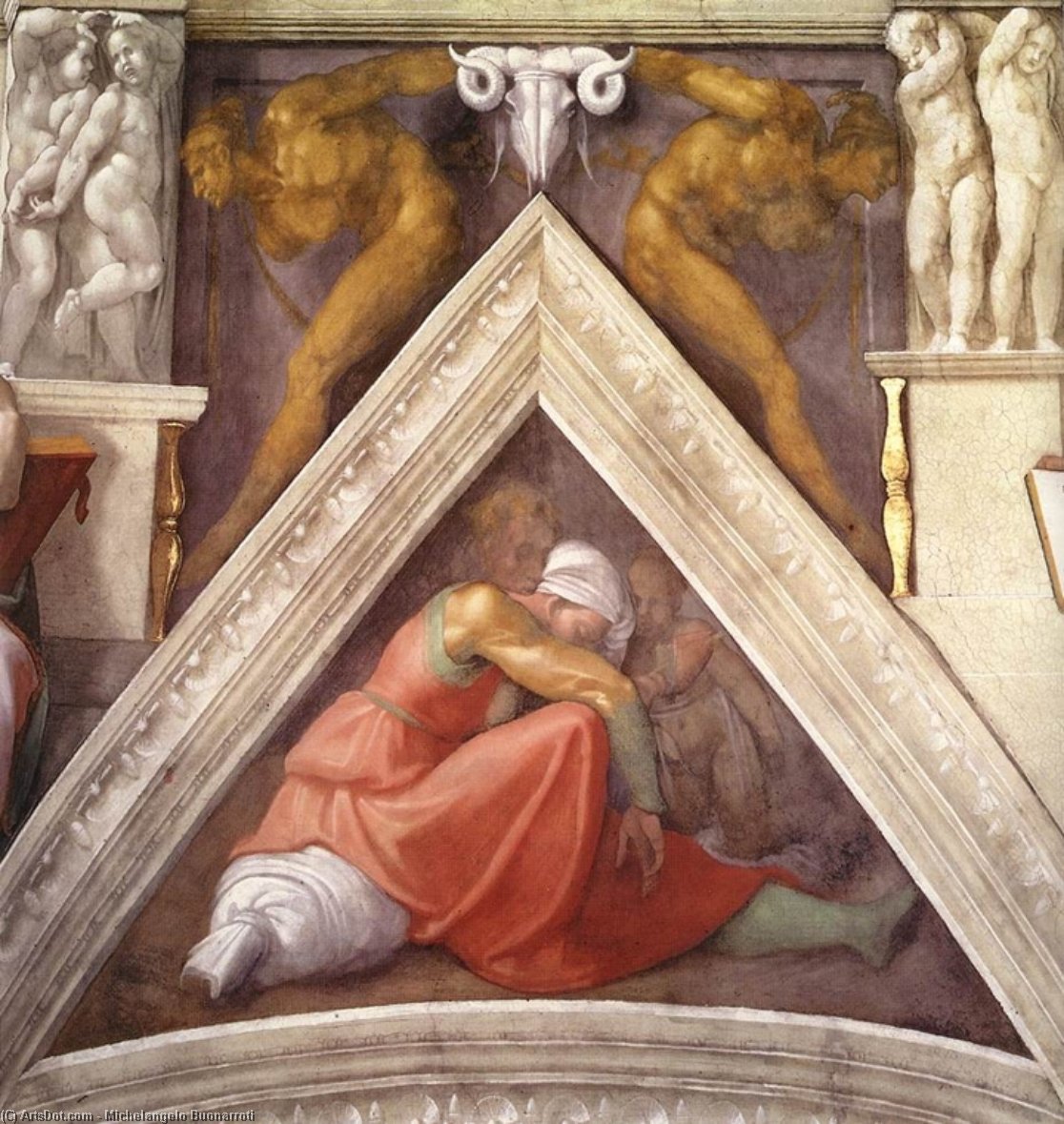
Ancestors of Christ: figures (21)
 Acrílico sobre lienzo
- Arte de pared
- High Renaissance
 1511
1511- Renacimiento
 240.0 x 340.0 cm
 Cappella Sistina
 Ver más
Giclée / Impresión de arte
Impresiones giclée o en lienzo de calidad de museo con producción rápida y opciones de acabado flexibles. ( Comprar pintura hecha a mano Comprar imagen)




P118B $10

P118H $10

P118W $10

P438Z $10

P508JH $12

P508YH $12

P805H $10

P805Z $10

P919BZ $10

P919G $10

P919XJ $10

P959ZH $10

P968JZ $12

W106C $8

W218G $10

W218JH $8

W218Y $10

W307PJ $10

W316G $10

W316PJ $8

W316Y $10

W398PJ $8

W4111J $10

W500HY $15

W500JH $15

W692G $12

W849H $8

W940BG $15

W953PJ $8




Elija entre nuestros tamaños predefinidos que respetan las proporciones originales de la obra.

Puede introducir sus propias dimensiones para adaptarse a un marco o espacio específico. Si el tamaño seleccionado no coincide con las proporciones de la imagen original, recortaremos la obra de arte o extenderemos la imagen con un borde con efecto espejo o de color sólido. Se enviará una maqueta digital para su aprobación antes de que comience la producción.
Tenga en cuenta que la vista previa en pantalla no refleja el recorte o la extensión real. Solo la maqueta mostrará con precisión la composición final.
Aunque existen tamaños personalizados, recomendamos seleccionar una dimensión de la lista predefinida para preservar las proporciones originales.
Envío a todo el mundo () en 2 semanas en lugar de las 4/5 semanas estándar. (24 agosto)

Envío exprés gratuito a todo el mundo

Lienzo de lino de alta calidad

Seguro de envío total

Garantía de reembolso de impuestos aduaneros

Garantía de fidelidad cromática exacta

Política de devolución de 60 días (solo por defectos)

Garantía de devolución del 100% del dinero

Descuento por cantidad
 La opción de vidrio solo está disponible en tamaños inferiores a 110 cm.

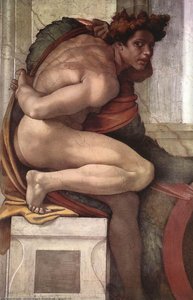
Ancestors of Christ: figures (21)
Giclée / Impresión de arte
Dimensiones de la reproducción
-


Precio total final
$ 62
Descripción de la pieza
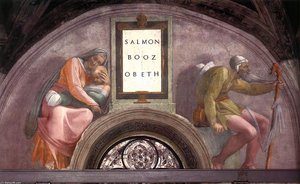
Ancestors of Christ: figures (21) – A Symphony in Red and Blue
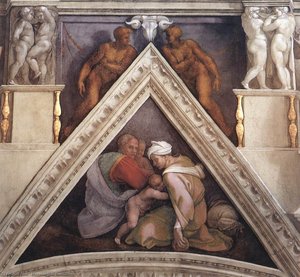
The fresco “Ancestors of Christ: figures (21)” by Michelangelo Buonarroti, completed in 1511 during the ambitious Sistine Chapel project commissioned by Pope Julius II, transcends mere decoration; it embodies a profound meditation on divine lineage and human aspiration. Situated within the sixth bay between Ezekiel and the Persian Sibyl—a space deliberately chosen to evoke contemplation—the artwork’s impact reverberates through centuries of artistic discourse. Michelangelo's masterful manipulation of color and form elevates this biblical narrative into an unforgettable visual experience.- Color Palette: Dominating the scene are hues of crimson and azure, meticulously blended to imbue the fresco with a palpable sense of solemnity and grandeur. The red, particularly prominent in the drapery of several figures—most notably the woman seated prominently at the forefront—represents passion, sacrifice, and divine grace. Conversely, the blue symbolizes piety, heavenliness, and the contemplative spirit demanded by the sacred subject matter.
- Compositional Arrangement: Michelangelo’s genius lies not only in his technical prowess but also in his astute understanding of visual storytelling. The figures are arranged in a complex pyramidal structure, guiding the viewer's gaze upwards towards the celestial realm. This deliberate compositional choice underscores the fresco’s central theme—the unbroken chain of ancestry leading to Jesus Christ—and reinforces the notion of divine providence.
Michelangelo Buonarroti: The Maestro of Marble and Fresco
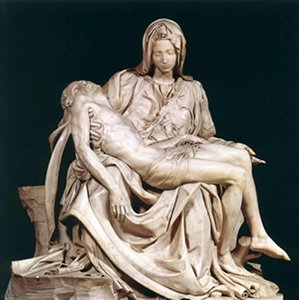
Michelangelo Buonarroti (1475-1564), born in Caprese Michelangelo, Tuscany, stands as one of the titans of the High Renaissance—a period characterized by an unparalleled revival of classical ideals and artistic innovation. His formative years were spent honing his sculptural skills under Domenico Ghirlandaio’s tutelage, where he gained invaluable experience in carving marble with meticulous precision. However, it was his fascination with ancient sculpture that truly ignited his creative spirit, shaping his aesthetic sensibilities and propelling him to achieve monumental accomplishments.- Early Career Highlights: Michelangelo's breakthrough came with the creation of “David” (1501-1504), a colossal statue embodying Florentine republican virtues—a testament to his sculptural mastery and artistic vision. Simultaneously, he undertook the daunting task of sculpting the Pietà, commemorating Mary Magdalene’s grief over Jesus Christ’s crucifixion—a poignant portrayal of maternal sorrow infused with spiritual depth.
The Sistine Chapel Ceiling: A Monumental Undertaking
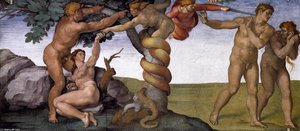
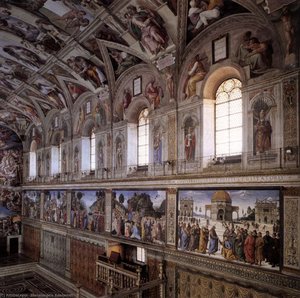
Pope Julius II entrusted Michelangelo with the monumental commission to decorate the Sistine Chapel ceiling, initiating a project that would redefine Western art history. Between 1508 and 1512, Michelangelo labored tirelessly on this ambitious undertaking—a feat of artistic perseverance and technical innovation—resulting in one of the most iconic frescoes of all time. The fresco’s depiction of scenes from Genesis—including Adam and Eve's expulsion from Paradise—captures the essence of biblical narrative with breathtaking realism and emotional intensity.- Technique: Michelangelo employed a revolutionary fresco technique—a method involving applying pigment directly onto wet plaster—allowing for unparalleled detail and tonal nuance. His meticulous attention to anatomical accuracy—evident in every figure—demonstrates his profound understanding of human anatomy and his unwavering commitment to artistic excellence.
Symbolism and Emotional Resonance
Beyond its technical brilliance, “Ancestors of Christ: figures (21)” resonates deeply with viewers on an emotional level—reflecting Michelangelo’s masterful ability to convey profound spiritual truths through visual imagery. The pyramidal composition symbolizes divine order and ascension, while the vibrant colors evoke feelings of awe and reverence. Each figure embodies a distinct emotion—ranging from solemn contemplation to tender affection—creating a tapestry of human experience that transcends time and cultural boundaries.- Legacy: Michelangelo Buonarroti’s legacy extends far beyond his artistic achievements; he remains an enduring symbol of Renaissance genius—a testament to the transformative power of creativity and intellectual curiosity. His frescoes continue to inspire artists and art enthusiasts alike, cementing his place as one of history's most influential figures—a beacon of artistic excellence for generations to come.
Exploring Reproductions: Bringing Michelangelo’s Vision Home
At ArtsDot.com, you can immerse yourself in the splendor of Michelangelo Buonarroti’s artistry through meticulously crafted reproductions of “Ancestors of Christ: figures (detail)” and other masterpieces—allowing art lovers to experience the grandeur of the Sistine Chapel within their own residences. Discover high-quality prints and canvases that capture the essence of Michelangelo's original vision—a celebration of artistic brilliance and spiritual contemplation. Visit ArtsDot.com today!Obras relacionadas
Biografía del artista
Miguel Ángel Buonarroti: Un Titán del Renacimiento
Vida Temprana y Formación (1475-1496)
- Miguel ángel de Lodovico Buonarroti Simoni nació el 6 de marzo de 1475, en Caprese Michelangelo, Toscana.
- Inicialmente, su padre resistió una carrera artística, pero accedió al excepcional talento de su hijo para dibujar.
- A los 13 años, se hizo aprendiz de Domenico Ghirlandaio, aprendiendo técnicas de fresco y dibujo.
- Pronto se inclinó hacia la escultura, estudiando obras clásicas en los jardines de los Medici – una influencia decisiva.
Periodo Temprano: Estableciendo el Dominio (1490-1505)
- Alrededor de 1496, recibió su primera comisión importante: la escultura de la Piedad, completada en 1499.
- La Piedad, ubicada en la Basílica de San Pedro, demostró su maestría en el tallado del mármol y su profundidad emocional.
- Su siguiente obra maestra fue la colosal estatua de David (1501-1504), que simbolizaba los ideales republicanos florentinos.
- El David, más de 17 pies de alto, demostró su comprensión anatómica y su capacidad para dar vida a la piedra.
El Alto Renacimiento: Pinturas de la Capilla Sixtina (1505-1520)
- Papa Julio II encargó a Miguel ángel pintar el techo de la Capilla Sixtina en 1508.
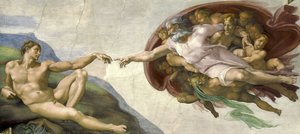
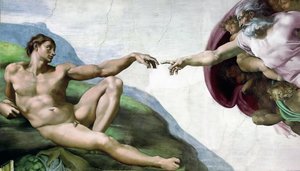
- Durante cuatro años, pintó más de 300 figuras que representan escenas del Génesis, incluyendo La Creación de Adán.
- Este ciclo monumental de frescos es un logro destacado en el arte occidental, demostrando su habilidad compositiva y su poder narrativo.
- También comenzó a trabajar en la tumba de Papa Julio II – un proyecto que abarcaría décadas pero permanecería sin terminar según lo concebido originalmente.
Años Tardíos: Arquitectura y el ‘Juicio Final’ (1520-1564)
- En 1520, Miguel ángel se convirtió en arquitecto de la Basílica de San Pedro, alterando significativamente el diseño de Bramante.
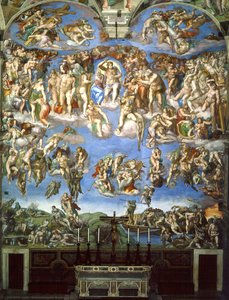
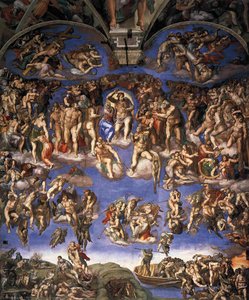
- Entre 1536 y 1541, pintó El Juicio Final en la pared del altar de la Capilla Sixtina.
- Este vasto fresco representaba la Segunda Venida de Cristo con una composición dramática e intensidad emocional, reflejando un cambio hacia el Manierismo.
Influencias y Desarrollo Artístico
- Antigüedad Clásica: El estudio de las esculturas griegas y romanas impactó profundamente su comprensión de la anatomía y la proporción.
- Humanismo Renacentista: La énfasis en el potencial humano es evidente en su celebración de la forma humana.
- Tradición Florentina: Construyó sobre el legado de artistas como Donatello y Masaccio.
- Su estilo evolucionó desde el idealismo clásico a un manierismo más dinámico y expresivo.
Significado Histórico y Legado
- Miguel ángel es considerado uno de los mayores artistas de todos los tiempos, encarnando al “hombre del Renacimiento”.
- Sus esculturas, pinturas y arquitectura han inspirado a generaciones y continúan cautivando al público en todo el mundo.
- Influyó profundamente tanto en los movimientos artísticos del Alto Renacimiento como del Manierismo.
- Su precisión anatómica, sus composiciones dramáticas y su profundidad emocional establecieron nuevos estándares de excelencia artística.
Años Finales
- Miguel ángel murió el 18 de febrero de 1564, en Roma, dejando atrás una obra incomparable.
- Su legado continúa dando forma a nuestra comprensión de la belleza, el poder y el potencial humano.
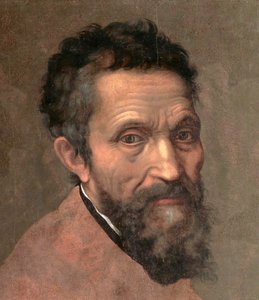
Miguel Ángel
1475 - 1564 , Italia
Datos clave
- Artistas Que Influyeron:
- Donatello
- Masaccio
- Estilo Artístico: Alto Renacimiento, Manierismo
- Fecha De Muerte: 18 de febrero de 1564
- Fecha De Nacimiento: 6 de marzo de 1475
- Influenciado A Artistas: ['Manierismo']
- Lugar De Nacimiento: Caprese Michelangelo, Italia
- Nacionalidad: Italiana
- Nombre Completo: Miguel Ángel Buonarroti
- Obras Notables:
- La Piedad
- David
- Techo de la Capilla Sixtina
- El Juicio Final
Artículos relacionados
Michelangelo Buonarroti: Las 25 Obras Maestras que Definen un Genio del Renacimiento | ArtsDot
Descubre las 25 obras maestras de Michelangelo Buonarroti: del David a la Capilla Sixtina. Explora su historia, técnica y significado en el Renacimiento italiano. Reproducciones de arte exclusivas para tu hogar en ArtsDot.com.

The Enduring Legacy of Fresco Painting: Techniques, History & Contemporary Relevance
Explore the rich history & enduring artistry of fresco painting – from Giotto to Michelangelo! Discover techniques, conservation efforts, & modern applications. Learn how ArtsDot brings this timeless art form to your home.

Legado en las Paredes: Frescos Familiares que Trascienden el Tiempo
Descubre el arte del fresco muralístico para inmortalizar tu historia familiar. Expertos en frescos personalizados y técnicas ancestrales. Crea un legado visual único con .
Frescos Legendarios: 10 Obras Maestras que Revolucionaron la Historia del Arte | ArtsDot
Descubre los 10 frescos más legendarios de la historia del arte, desde Miguel Ángel y Rafael hasta Giotto. Explora sus técnicas, historias y el impacto cultural que perdura. Reproducciones de alta calidad en ArtsDot.com.
El Fresco a Través de los Siglos: Técnica, Historia y Expresión Artística Duradera
Descubre la historia y técnica del fresco, desde sus orígenes en la antigüedad hasta los maestros renacentistas. Guía completa sobre conservación, restauración y el legado artístico de este arte milenario.