 Ver en contexto
 Enviar
 Compartir
 Detalles

 Descargar
 Similares
 Radiografía
 Presentación de diapositivas
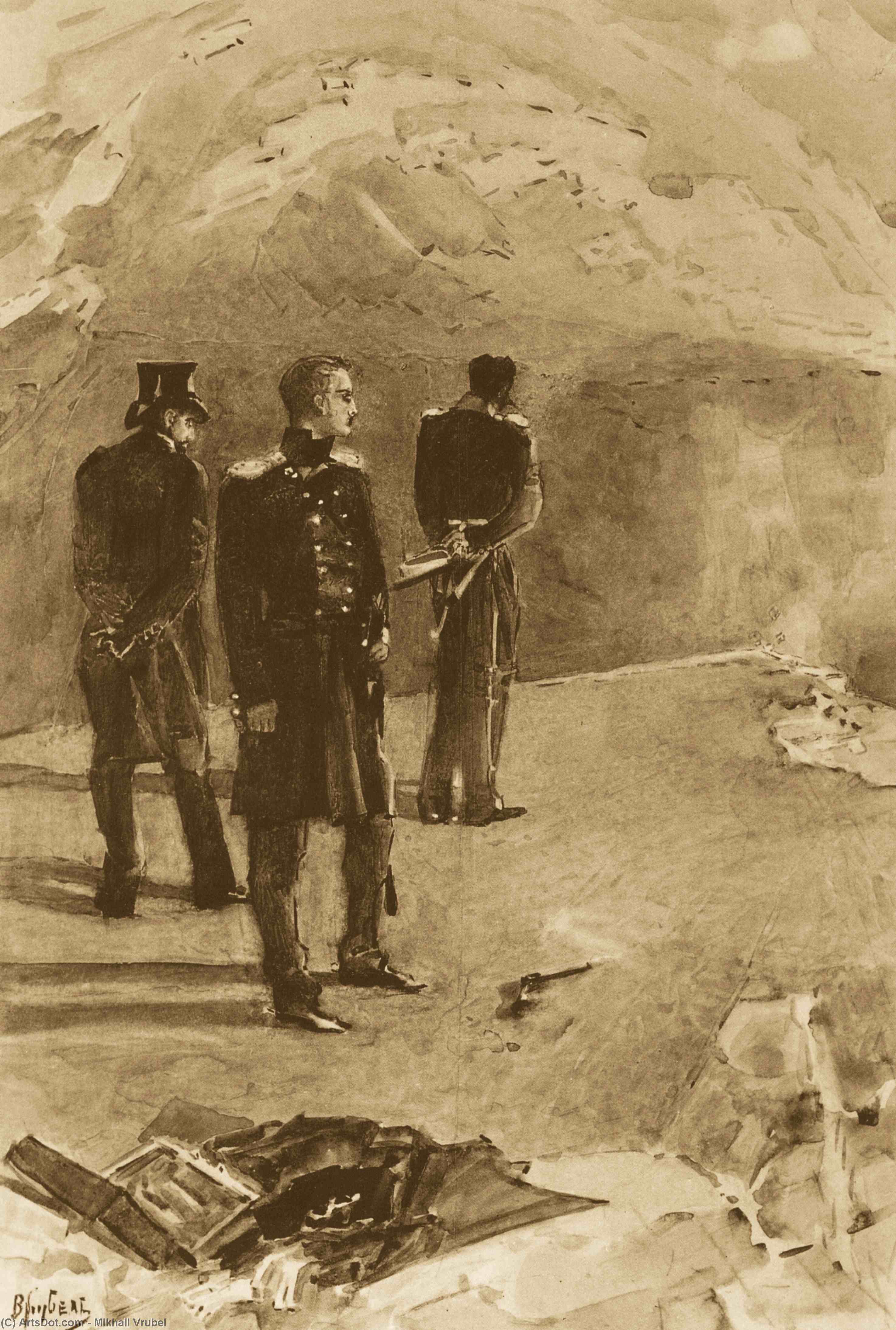
Duel of Pechorin and Grushnitsky


 Ver más
Reproducción al óleo hecha a mano
Óleo sobre lienzo pintado a mano en el tamaño y marco de su elección, realizado por encargo por nuestros artistas. ( Comprar impresión Comprar imagen)




P118B $10

P118H $10

P118W $10

P438Z $10

P508JH $12

P508YH $12

P805H $10

P805Z $10

P919BZ $10

P919G $10

P919XJ $10

P959ZH $10

P968JZ $12

W106C $8

W218G $10

W218JH $8

W218Y $10

W307PJ $10

W316G $10

W316PJ $8

W316Y $10

W398PJ $8

W4111J $10

W500HY $15

W500JH $15

W692G $12

W849H $8

W940BG $15

W953PJ $8




Elija entre nuestros tamaños predefinidos que respetan las proporciones originales de la obra.

Puede ingresar sus propias dimensiones para adaptarse a un marco o espacio específico. Si el tamaño seleccionado no coincide con las proporciones de la imagen original, recortaremos la obra o extenderemos la pintura con elementos adicionales pintados a mano. Se le enviará una maqueta digital para su aprobación antes de comenzar la producción.
Tenga en cuenta que la vista previa en pantalla no refleja el recorte o la extensión reales. Solo la maqueta mostrará con precisión la composición final.
Si bien existen tamaños personalizados, recomendamos seleccionar una dimensión de la lista predefinida para preservar las proporciones originales.
Tras realizar el pedido, el equipo de ArtsDot.com enviará un correo electrónico al cliente para solicitar instrucciones y proporcionarle una vista previa del boceto.
Envío a todo el mundo () en 3-4 semanas en lugar de las 5 semanas estándar. (25 agosto). Sin comprometer la calidad.

Envío exprés gratuito a todo el mundo

Lienzo de lino de alta calidad

Seguro de envío total

Garantía de reembolso de impuestos aduaneros

Garantía de fidelidad cromática exacta

Política de devolución de 60 días (solo por defectos)

Garantía de devolución del 100% del dinero

Descuento por cantidad
 La opción de vidrio solo está disponible en tamaños inferiores a 110 cm.

Duel of Pechorin and Grushnitsky
Técnica de reproducción
Dimensiones de la reproducción
-


Precio total final
$ 263
Descripción de la obra
A Moment Frozen in Tension
In the quiet, dust-laden atmosphere of Mikhail Vrubel’s 1891 watercolor, Duel of Pechorin and Grushnitsky, we are invited into a scene of profound psychological weight. The painting captures a pivotal moment of confrontation, where three men stand poised in a landscape of dry earth and impending violence. Dressed in the rigid, formal military attire of the nineteenth century, their figures are positioned with a deliberate, geometric tension; they stand with backs turned to one another, creating a triangular composition that traps the viewer within their unspoken conflict. There is a haunting stillness to the work, as if the very air has grown heavy with the anticipation of the first shot. The parched, textured ground beneath their feet serves not just as a setting, but as a metaphor for the barren, unforgiving nature of the duel itself.
Vrubel, a master of the Russian Symbolist movement, utilizes the delicate medium of watercolor to achieve an extraordinary sense of depth and atmospheric grit. Unlike the broad, sweeping strokes found in more traditional academic works, this piece employs a nuanced layering of tones that lends a crystalline clarity to the scene. The artist’s ability to manipulate light and shadow creates a palpable sense of heat and dust, making the historical setting feel immediate and visceral. For the discerning collector, the technique offers a mesmerizing study in texture; one can almost feel the roughness of the military wool and the fine silt of the battlefield rising around the combatants.
Symbolism and the Russian Soul
Beyond its literal depiction of a duel, the artwork resonates with the deeper, more turbulent themes prevalent in late 19th-century Russian literature and art. Vrubel’s work often dances on the edge of the mystical, and here, the confrontation serves as a vessel for exploring honor, fatalism, and the fractured psyche of the individual. The separation of the figures—their inability to face one another directly—symbolizes the profound isolation and alienation that characterizes the protagonists of the era. This sense of psychological fragmentation is rendered through a palette that, while grounded in naturalistic earth tones, possesses an underlying intensity that hints at the eruptive violence to come.
For interior designers and curators of fine art, this piece offers a sophisticated focal point that commands attention through its narrative gravity rather than mere ornamentation. It is a work that invites contemplation, making it an ideal addition to a collection focused on historical drama or Symbolist mastery. A high-quality reproduction of this watercolor allows the subtle gradations of color and the evocative, somber mood to transform a space, providing a window into a vanished world of aristocratic tension and tragic heroism. To possess such a piece is to hold a fragment of history, captured through the visionary lens of one of Russia's most enigmatic masters.
Obras relacionadas

Biografía del artista
Primeros años y educación
Mikhail Aleksándrovich Vrubel, un renombrado pintor ruso, nació el 17 de marzo de 1856 en Omsk, Rusia. Su herencia noble familiar y la carrera militar de su padre influyeron en sus primeros años. A pesar de graduarse en la facultad de derecho en la Universidad Estatal de San Petersburgo en 1880, la verdadera pasión de Vrubel residía en el arte. Ingresó a la Academia Imperial de las Artes, donde estudió bajo Pavel Chistyakov, demostrando un talento excepcional para el dibujo y un estilo idiosincrásico.Carrera artística
La trayectoria artística de Vrubel se caracterizó por su singular mezcla de simbolismo y art nouveau. En 1884, fue comisionado para recrear los murales y mosaicos perdidos del siglo XII en la Iglesia de San Cirilo de Kiev. Este proyecto lo llevó a estudiar el arte cristiano medieval en Venecia, lo que resultó en una paleta de tonos saturados y fuertes, reminiscente de piedras preciosas.- El demonio sentado (1890), una gran pintura que le dio notoriedad a Vrubel, fue elogiada por el mecenas del arte Savva Mamontov como "fascinantes sinfonías de un genio".
- Su trabajo en el hotel "Metropol" en Moscú, particularmente el panel de mosaico Princesa del Sueño, demostró su dominio de las artes aplicadas.
- El interés de Vrubel por los artes orientales y las alfombras persas influyó en sus imitaciones de texturas en pinturas como El demonio abatido (1901).
Obras destacadas y colaboraciones
- La colaboración de Mikhail Vrubel con la cantante de ópera Nadezhda Zabela llevó a su diseño de escenografías y vestuario para sus actuaciones en el teatro de ópera privado de Mamontov.
- Sus obras galardonadas, como Pan (1899), La princesa cisne (1900) y Lilas (1900), mostraron su talento para los cuentos de hadas rusos.
Legado y últimos años
La enfermedad mental de Vrubel, complicada por la sífilis terciaria, provocó un grave colapso nervioso en 1906. Dejó de pintar y finalmente falleció el 14 de abril de 1910. A pesar de su prematuro final, las contribuciones de Vrubel al simbolismo ruso y al art nouveau siguen siendo inigualables.Explore más obras de Mikhail Vrubel en ArtsDot:- Mikhail Vrubel | 204 obras de arte
- El movimiento artístico del realismo socialista (para comprender el contexto del movimiento artístico más amplio en Rusia)
- Alfred Roller (otro artista que, como Vrubel, formó parte de la Secesión Vienesa)
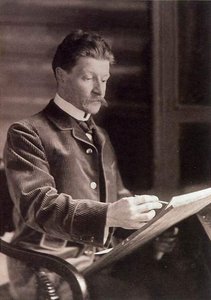
Mikhail Vrubel
1856 - 1910 , Rusia
Datos clave
- Artistas Que Influyeron: ['Pavel Chistyakov']
- Fecha De Muerte: 14 de abril de 1910
- Fecha De Nacimiento: 17 de marzo de 1856
- Influenciado A Artistas:
- Viktor Borisov-Musatov
- Pyotr Konchalovsky
- Lugar De Nacimiento: Omsk, Rusia
- Movimiento Artístico: Simbolismo ruso, Art Nouveau
- Nacionalidad: Ruso
- Nombre Completo: Mikhail Vrubel
- Obras Notables:
- Demonio Sentado
- Princesa del Sueño
- El Demonio Caído
- Pan
- La Princesa Cisne
- Lila
Artículos relacionados
Acuarelas Legendarias: 10 Obras Maestras que Transformaron el Arte | ArtsDot
Descubre 10 acuarelas legendarias de Turner, Monet y Sargent que revolucionaron el arte. Explora la historia, técnica y belleza de estas obras maestras impresionistas y románticas. Reproducciones de museo en ArtsDot.com.
Ephemeral Visions: Exploring the Artistic Legacy & Contemporary Practice of Watercolor Painting
Explore the captivating world of watercolor painting! Discover its rich history, essential techniques, influential artists & collecting tips. A comprehensive guide for art enthusiasts from ArtsDot.
Visiones Efímeras: Historia y Resonancia Emocional de la Pintura Acuarela
Descubre la fascinante historia de la acuarela, desde sus orígenes hasta su expresión contemporánea. Explora técnicas, artistas clave como Paul Klee y encuentra reproducciones de alta calidad en ArtsDot.
Ephemeral Visions: Exploring the Artistic Legacy & Nuances of Watercolor Painting
Explore the captivating world of watercolor painting! Discover its rich history, essential techniques, influential artists & collecting tips from art experts. A comprehensive guide for enthusiasts.
La Fascinación Duradera de la Acuarela: Historia, Técnicas y Práctica Contemporánea
Descubre la fascinante historia y las técnicas de la acuarela. Explora obras maestras, aprende con expertos y encuentra reproducciones o comisiones personalizadas en .