

 Ver en contexto
 Enviar
 Compartir
 Detalles

 Descargar
 Similares
 Radiografía
 Presentación de diapositivas
Sukkot (Feast of Tabernacles) (Das Laubhütten-Fest)
 Oil On Canvas
- WallArt
- German Romanticism
 1867
1867 559.0 x 646.0 cm
 El Museo Judío
 Ver más
Reproducción al óleo hecha a mano
Óleo sobre lienzo pintado a mano en el tamaño y marco de su elección, realizado por encargo por nuestros artistas. ( Comprar impresión Comprar imagen)




P118B $10

P118H $10

P118W $10

P438Z $10

P508JH $12

P508YH $12

P805H $10

P805Z $10

P919BZ $10

P919G $10

P919XJ $10

P959ZH $10

P968JZ $12

W106C $8

W218G $10

W218JH $8

W218Y $10

W307PJ $10

W316G $10

W316PJ $8

W316Y $10

W398PJ $8

W4111J $10

W500HY $15

W500JH $15

W692G $12

W849H $8

W940BG $15

W953PJ $8




Elija entre nuestros tamaños predefinidos que respetan las proporciones originales de la obra.

Puede ingresar sus propias dimensiones para adaptarse a un marco o espacio específico. Si el tamaño seleccionado no coincide con las proporciones de la imagen original, recortaremos la obra o extenderemos la pintura con elementos adicionales pintados a mano. Se le enviará una maqueta digital para su aprobación antes de comenzar la producción.
Tenga en cuenta que la vista previa en pantalla no refleja el recorte o la extensión reales. Solo la maqueta mostrará con precisión la composición final.
Si bien existen tamaños personalizados, recomendamos seleccionar una dimensión de la lista predefinida para preservar las proporciones originales.
Tras realizar el pedido, el equipo de ArtsDot.com enviará un correo electrónico al cliente para solicitar instrucciones y proporcionarle una vista previa del boceto.
Envío a todo el mundo () en 3-4 semanas en lugar de las 5 semanas estándar. (24 agosto). Sin comprometer la calidad.

Envío exprés gratuito a todo el mundo

Lienzo de lino de alta calidad

Seguro de envío total

Garantía de reembolso de impuestos aduaneros

Garantía de fidelidad cromática exacta

Política de devolución de 60 días (solo por defectos)

Garantía de devolución del 100% del dinero

Descuento por cantidad
 La opción de vidrio solo está disponible en tamaños inferiores a 110 cm.

Sukkot (Feast of Tabernacles) (Das Laubhütten-Fest)
Técnica de reproducción
Dimensiones de la reproducción
-


Precio total final
$ 388
Descripción de la obra
A Window into Tradition: Moritz Daniel Oppenheim’s “Sukkot”
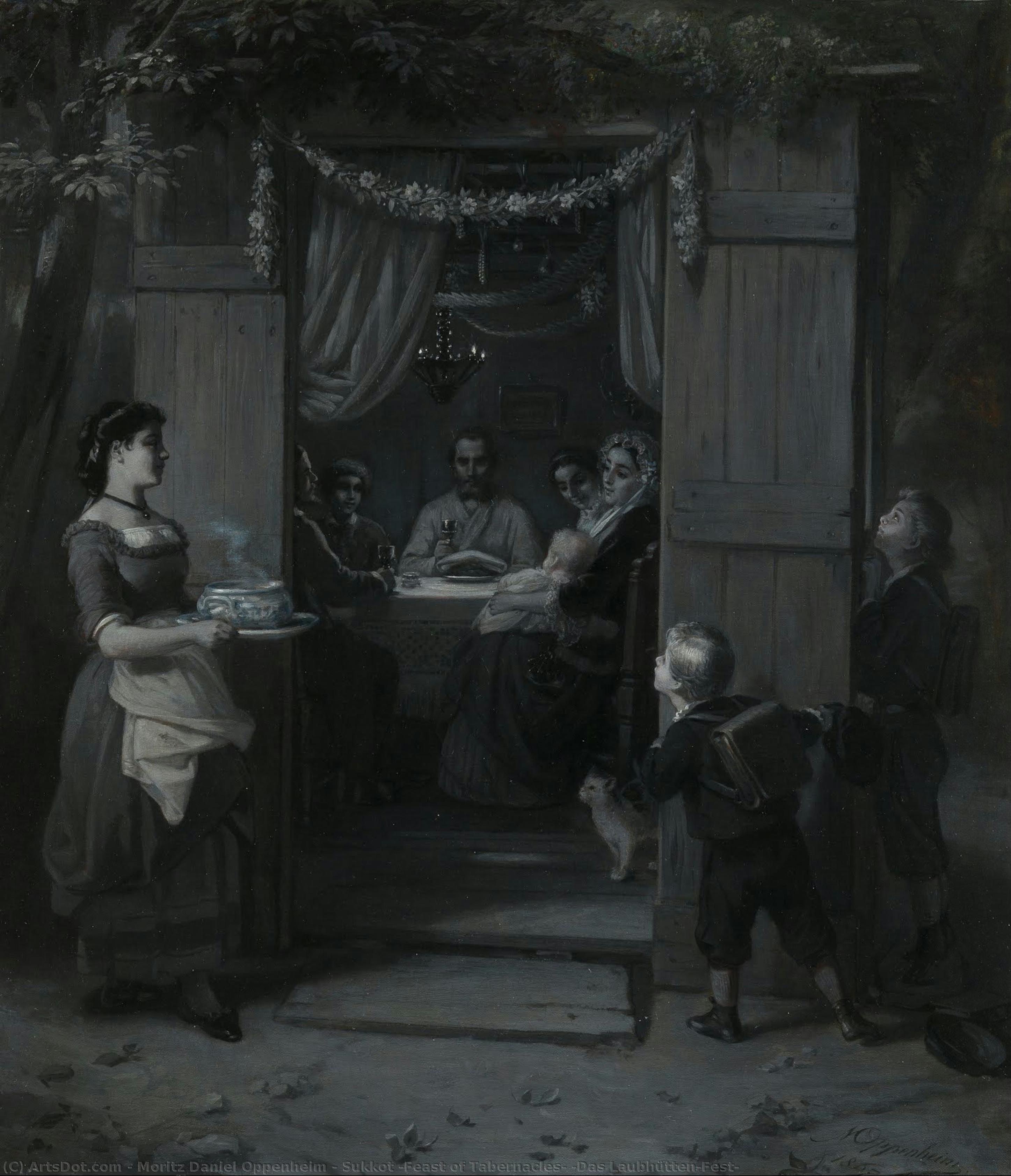
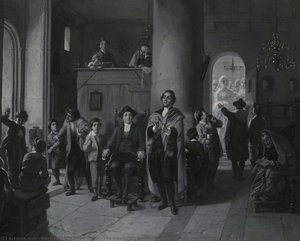
Moritz Daniel Oppenheim's "Sukkot (Feast of Tabernacles) (Das Laubhütten-Fest)," painted in 1867, is more than just a depiction of a family gathering; it’s a poignant window into the heart of 19th-century Jewish life and a testament to an artist's commitment to portraying his heritage with remarkable sensitivity. Born in Hanau, Germany, Oppenheim navigated a world where many of his fellow Jews were choosing assimilation, yet he resolutely remained true to his roots, documenting the rituals and customs that defined his community’s identity. This painting, now housed within The Jewish Museum's collection, stands as a powerful example of this dedication – a quiet celebration brimming with familial warmth and spiritual significance.
The scene unfolds within a rustic sukkah, a temporary dwelling constructed for the Feast of Sukkot, commemorating the Israelites’ wandering in the desert. Oppenheim masterfully captures the essence of this tradition through meticulous detail: the rough-hewn wooden walls, draped with fabric and adorned with autumnal fruits and foliage – symbols of abundance and gratitude. The composition is anchored by a central table laden with food and drink, a focal point for communal sharing and blessing. Beyond the immediate domestic setting, the painting subtly hints at the broader historical context, reminding viewers of the ancient roots of this celebration.
A Study in Grayscale and Texture
Oppenheim’s choice to render the scene entirely in grayscale—a deliberate stylistic decision—amplifies the painting's emotional impact. Rather than relying on vibrant color, he skillfully employs tonal variations – from deep blacks to soft whites – to create a profound sense of form and depth. This monochromatic palette lends an air of solemnity and timelessness, drawing attention to the textures of the scene: the rough grain of the wood, the delicate folds of fabric, the smooth porcelain of the dishes, and even the fur of the cat playfully observing the festivities. The artist’s meticulous rendering technique is evident in every brushstroke, showcasing a deep understanding of how light and shadow can shape perception.
Linear perspective guides the viewer's eye through the composition, receding into the background to create a believable sense of space. The figures are carefully arranged, with overlapping forms and subtle gradations of tone that enhance the feeling of depth. The artist’s attention to detail extends beyond mere representation; he seems to have deliberately sculpted the scene using light and shadow, imbuing it with a tangible quality – as if one could reach out and touch the rough wood of the sukkah or feel the warmth radiating from the steaming soup.
Symbolism and Emotional Resonance
The painting is rich in symbolic meaning. The act of blessing the wine glass, presided over by the father, represents a central ritual of Sukkot – a moment of communal gratitude and connection to God. The gaze of the wife and daughter towards the baby underscores themes of family, lineage, and continuity. Even the presence of the maid carrying the steaming soup—and the cat playfully caught in its warmth—adds a layer of domesticity and humor, reminding us that even sacred traditions are rooted in everyday life.
“Sukkot” is not merely a record of a religious celebration; it’s an exploration of human connection, tradition, and faith. The painting evokes feelings of warmth, familial love, and reverence for the past. It speaks to the enduring power of community and the importance of preserving cultural heritage – themes that resonate deeply with viewers today. The subtle expressions on the faces of the family members, combined with the intimate setting, create a powerful sense of emotional resonance, inviting us to contemplate our own connections to tradition and belonging.
Historical Context and Artistic Significance
Moritz Daniel Oppenheim’s work is particularly significant for its role in shaping Jewish artistic representation during a period of profound change. As one of the first Jewish artists to achieve widespread recognition within the mainstream German art world, Oppenheim challenged prevailing stereotypes and offered a nuanced portrayal of Jewish life that moved beyond simplistic representations. His commitment to documenting his community’s traditions—particularly through scenes like “Sukkot”—contributed significantly to the development of *Wissenschaft des Judentums* (the Science of Judaism), a movement dedicated to scholarly research into Jewish history, culture, and religion.
Oppenheim's decision to remain within his faith, despite societal pressures towards assimilation, is reflected in his art. “Sukkot” stands as a testament to his dedication to preserving Jewish identity through artistic expression – a powerful reminder of the importance of cultural heritage and the enduring beauty of tradition.
Obras relacionadas


Biografía del artista
Un Visionario de la Identidad Judía
Moritz Daniel Oppenheim (1800-1882) se erige como una figura singular en los anales de la historia del arte alemán, actuando como un profundo pionero de la representación artística judía. Nacido en Hanau, Alemania, su vida y obra estuvieron profundamente arraigadas en el compromiso de documentar y celebrar los matices de la vida y la cultura judías durante el transformador siglo XIX. A menudo fue aclamado como el primer pintor judío en lograr un reconocimiento generalizado dentro del panorama artístico convencional, trascendiendo el mero detalle biográfico para crear una obra que encarna un registro visual vital de una comunidad que navegaba las complejidades de la modernización mientras luchaba por preservar sus tradiciones sagradas.
La trayectoria artística de Oppenheim comenzó con una formación fundamental bajo la tutela de Conrad Westermayr en su ciudad natal, donde absorbió por primera vez los principios de la pintura romántica alemana. Sin embargo, su verdadero ascenso profesional fue catalizado por su ingreso en la Academia de Bellas Artes de Múnich a la edad de diecisiete años. Fue en estos prestigiosos salones donde perfeccionó su maestría técnica junto a contemporáneos como Wilhelm Leibl y Johann Baptist Eberhard Krauss. Buscando expandir sus horizontes, Oppenheim se embarcó en un periodo transformador de estudios en el extranjero, viajando a París para estudiar con Jean-Baptiste Regnault y, más tarde, a Roma. En Italia, bajo la mentoría de luminarias como Bertel Thorwaldsen y el pintor nazareno Johann Friedrich Overbeck, su estilo evolucionó hacia una sofisticada mezcla de observación meticulosa e influencia clásica. Este periodo romano fue particularmente crucial, ya que infundió su obra con un sentido de gravedad histórica que más tarde nutriría sus representaciones de los rituales y la vida cotidiana judía.
El Arte de la Intimidad y la Tradición
El corazón de la contribución de Oppenheim al arte reside en su capacidad para transformar la esfera doméstica en un escenario para una profunda narrativa cultural. Sus pinturas se centran a menudo en escenas íntimas de la vida familiar judía, capturando la dignidad silenciosa del ritual y la calidez de los vínculos comunitarios. A través de su pincel, lo cotidiano se vuelve monumental. En obras como La conclusión del Sabbat (Sabbath-Ausgang), emplea un realismo magistral y un simbolismo sutil para representar la conmovedora transición desde el descanso sagrado del Sabbat de vuelta al mundo temporal, invitando al espectador a ser testigo de la santidad del ritual familiar.
Su habilidad para entrelazar el contexto histórico con la emoción personal es quizás más evidente en sus pinturas de género que documentan hitos culturales específicos. Por ejemplo:
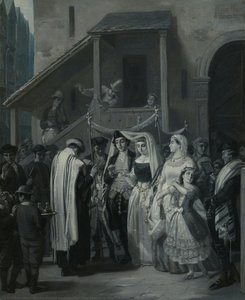
- La Boda (Die Trauung): Una representación asombrosamente detallada de una boda judía en 1866 dentro del gueto de Frankfurt, donde Oppenheim captura el esplendor del atuendo tradicional y la solemnidad del palio nupcial, ofreciendo un vistazo raro y preservado de un modo de vida que se desvanecía.
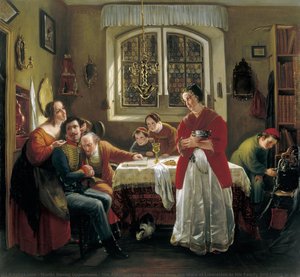
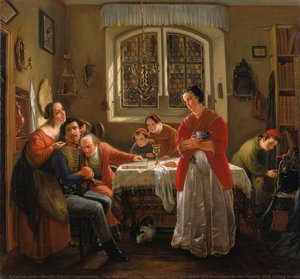
- El Regreso del Voluntario: En este impresionante óleo de 1834, explora la intersección entre la herencia judía y la historia europea más amplia, retratando a un soldado que regresa de las Guerras de Liberación a una familia que aún vive según las antiguas costumbres, ilustrando eficazmente la tensión entre los cambios políticos de la era napoleónica y la identidad religiosa perdurable.
Legado y Significado Histórico
Más allá de su destreza técnica, la obra de Oppenheim está inextricablemente ligada al movimiento Wissenschaft des Judentums, un esfuerzo académico por establecer la historia y la cultura judías como un campo de estudio respetado. Sus pinturas funcionaron como una forma de erudición visual, proporcionando una representación digna y auténtica de una comunidad que a menudo era marginada en el canon artístico europeo más amplio. Al retratar sujetos judíos con el mismo nivel de detalle, dignidad y grandeza romántica que típicamente se reservaba para temas aristocráticos o mitológicos, desafió los prejuicios existentes y afirmó la importancia de la identidad judía dentro del tejido cultural alemán.
En última instancia, el legado de Moritz Daniel Oppenheim es uno de resiliencia y visibilidad. Él no se limitó a pintar escenas; construyó un lenguaje visual para una era de transición. Su capacidad para capturar el delicado equilibrio entre el viejo mundo y el nuevo asegura que su obra siga siendo un punto de referencia vital para comprender la experiencia judía del siglo XIX, convirtiéndolo en una figura indispensable tanto en la historia del Romanticismo alemán como en la narrativa global del arte judío.
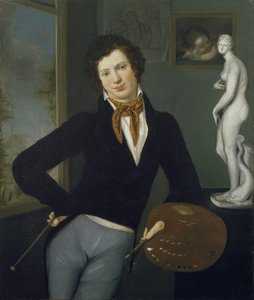
Moritz Daniel Oppenheim
1800 - 1882 , Alemania
Datos clave
- Artistic Movement Or Style: Romanticism
- Artists Who Influenced This Artist:
- Jean-Baptiste Regnault
- Bertel Thorwaldsen
- Barthold Georg Niebuhr
- Johann Friedrich Overbeck
- Date Of Birth: January 7, 1800
- Date Of Death: 1882
- Full Name: Moritz Daniel Oppenheim
- Nationality: German
- Notable Artworks:
- Return of the Volunteer
- Mignon and the Harper
- Italian Genre Scene
- Confirmation
- Sabbath Blessing
- Place Of Birth: Hanau, Germany
Artículos relacionados
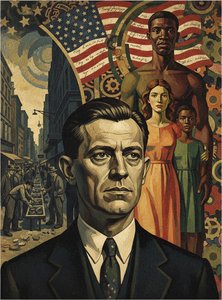
Benjamin Shahn: Social Realism & the Poetics of American Identity
Explore the powerful social realism of Benjamin Shahn (1898-1969). Discover his iconic murals, poignant Dust Bowl paintings & unique synthesis of Jewish identity and American Modernism. Learn about this influential artist's legacy.
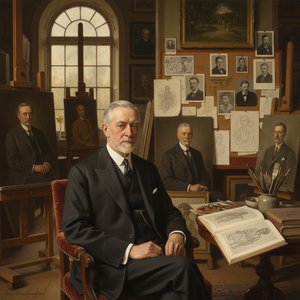
Sir William Rothenstein: A Life Dedicated to British Art & Modernism's Cultivation
Explore the life & art of Sir William Rothenstein – a pivotal figure in British Modernism. Discover his portraits, war paintings, and influential role at the Royal College of Art. A comprehensive biography for art enthusiasts.
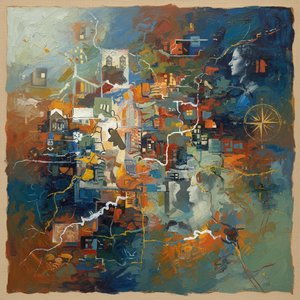
Penny Diane Wolin: Navigating Memory, Identity & Place Through Abstract Expressionism
Explore the profound work of Penny Diane Wolin, a master of abstract expressionism & documentary photography. Discover her explorations of memory, identity, and cultural heritage – a compelling investment for discerning art collectors.

