 Ver en contexto
 Enviar
 Compartir
 Detalles

 Descargar
 Similares
 Radiografía
 Presentación de diapositivas
Abbess Lucrezia Agliardi Vertova
 Oil On Canvas
- WallArt
- Mannerist Portraiture
 1556
1556- Renaissance
 91.0 x 69.0 cm
 Museo Metropolitano de Arte
 Ver más
Reproducción al óleo hecha a mano
Óleo sobre lienzo pintado a mano en el tamaño y marco de su elección, realizado por encargo por nuestros artistas. ( Comprar impresión Comprar imagen)




P118B $10

P118H $10

P118W $10

P438Z $10

P508JH $12

P508YH $12

P805H $10

P805Z $10

P919BZ $10

P919G $10

P919XJ $10

P959ZH $10

P968JZ $12

W106C $8

W218G $10

W218JH $8

W218Y $10

W307PJ $10

W316G $10

W316PJ $8

W316Y $10

W398PJ $8

W4111J $10

W500HY $15

W500JH $15

W692G $12

W849H $8

W940BG $15

W953PJ $8




Elija entre nuestros tamaños predefinidos que respetan las proporciones originales de la obra.

Puede ingresar sus propias dimensiones para adaptarse a un marco o espacio específico. Si el tamaño seleccionado no coincide con las proporciones de la imagen original, recortaremos la obra o extenderemos la pintura con elementos adicionales pintados a mano. Se le enviará una maqueta digital para su aprobación antes de comenzar la producción.
Tenga en cuenta que la vista previa en pantalla no refleja el recorte o la extensión reales. Solo la maqueta mostrará con precisión la composición final.
Si bien existen tamaños personalizados, recomendamos seleccionar una dimensión de la lista predefinida para preservar las proporciones originales.
Tras realizar el pedido, el equipo de ArtsDot.com enviará un correo electrónico al cliente para solicitar instrucciones y proporcionarle una vista previa del boceto.
Envío a todo el mundo () en 3-4 semanas en lugar de las 5 semanas estándar. (29 agosto). Sin comprometer la calidad.

Envío exprés gratuito a todo el mundo

Lienzo de lino de alta calidad

Seguro de envío total

Garantía de reembolso de impuestos aduaneros

Garantía de fidelidad cromática exacta

Política de devolución de 60 días (solo por defectos)

Garantía de devolución del 100% del dinero

Descuento por cantidad
 La opción de vidrio solo está disponible en tamaños inferiores a 110 cm.

Abbess Lucrezia Agliardi Vertova
Técnica de reproducción
Dimensiones de la reproducción
-


Precio total final
$ 263
A Portrait of Serenity: Abbess Lucrezia Agliardi Vertova by Giovanni Battista Moroni
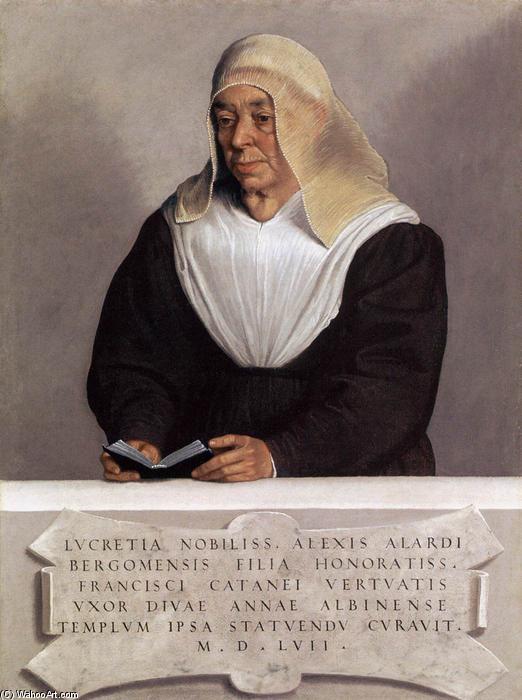
Giovanni Battista Moroni’s “Abbess Lucrezia Agliardi Vertova,” painted around 1556, is more than just a portrait; it's a poignant meditation on faith, age, and the quiet dignity of a life devoted to service. This remarkable work, now housed within ArtsDot’s meticulously crafted hand-painted reproductions, offers a rare glimpse into the world of Renaissance religious life through the eyes of one of Italy’s most perceptive artists. The painting immediately draws the viewer in with its central figure – a woman radiating an almost palpable sense of serenity despite the evident signs of time etched upon her face.
Lucrezia Agliardi Vertova, identified as the founder of the Carmelite convent of Sant'Anna in Albino, Bergamo, is depicted in a manner strikingly different from the idealized representations common at the time. Moroni eschews the conventional glamour often associated with portraits of nobility, instead presenting us with an honest and unvarnished portrayal of a woman who has dedicated her life to prayer and contemplation. Her attire – a simple black robe adorned with a white cowl – speaks volumes about her status and commitment, while her hands, clasped gently around a book or manuscript, suggest a life spent in study and devotion.
The Language of Renaissance Realism
Moroni’s masterful technique is evident in every brushstroke. Executed in oil on canvas, the painting showcases his signature style: a remarkable blend of realism and Mannerist elegance. The artist's meticulous attention to detail—the delicate folds of the robe, the subtle texture of her skin, the careful rendering of her gaze—creates an illusion of astonishing depth and immediacy. Notice how Moroni uses light not to simply illuminate, but to sculpt the figure, highlighting her features while simultaneously creating a sense of mystery within the shadowed background.
The minimalist setting – a plain wall with a subtle hint of shadow – serves to amplify the subject’s importance. It's a deliberate choice that directs our attention entirely to Lucrezia’s face and expression, inviting us to contemplate her inner life. The Latin inscription at the bottom of the painting provides crucial context, revealing that she was the daughter of Honoratus Bergomesi, married to Francesco Cataneo Vertova, and herself responsible for establishing the convent. This biographical detail adds a layer of historical significance to the portrait, transforming it from a simple likeness into a testament to her legacy.
Symbolism and Spiritual Depth
Beyond its technical brilliance, “Abbess Lucrezia Agliardi Vertova” is rich in symbolic meaning. The book she holds represents knowledge, faith, and the pursuit of spiritual understanding – central tenets of monastic life. Her aged appearance isn’t a sign of decline but rather a symbol of wisdom gained through years of contemplation and service. The goiter visible on her neck, often interpreted as a mark of humility and devotion, further underscores this theme.
Moroni's decision to portray Lucrezia with such unflinching honesty—embracing wrinkles, imperfections, and the passage of time—was revolutionary for his era. It’s a powerful statement about the beauty of aging and the value of inner strength over outward appearance. This painting isn’t simply a portrait; it’s an invitation to reflect on themes of faith, mortality, and the enduring power of the human spirit.
Bringing Moroni's Masterpiece Home
ArtsDot is proud to offer meticulously crafted hand-painted reproductions of “Abbess Lucrezia Agliardi Vertova,” allowing you to experience the artistry and emotional depth of this iconic Renaissance masterpiece in your own home. Our skilled artisans painstakingly recreate every detail, from Moroni’s nuanced brushstrokes to the subtle play of light and shadow, ensuring that your reproduction captures the essence of the original painting. Whether you're an art collector, a design enthusiast, or simply someone seeking a piece of timeless beauty, this reproduction offers a stunning addition to any space – a constant reminder of serenity, wisdom, and the enduring legacy of Abbess Lucrezia Agliardi Vertova.
Obras relacionadas



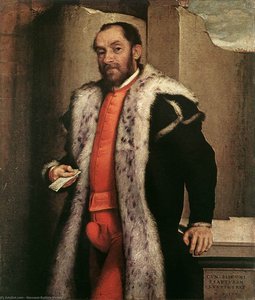
Biografía del artista
Giovanni Battista Moroni: Vida y Legado
Primeros Años y Formación
Giovanni Battista Moroni (también conocido como Giambattista Moroni) nació en Albino, cerca de Bergamo, Italia, en 1520. Su padre, Andrea Moroni, era arquitecto, proporcionando un entorno formativo para el desarrollo artístico. Recibió su formación inicial bajo Alessandro Bonvicino (conocido como Moretto) en Brescia. Esta temprana aprendizaje sentó las bases para sus habilidades técnicas y comprensión de las técnicas de pintura del Renacimiento.
Desarrollo Artístico e Influencias
El viaje artístico de Moroni lo llevó a través de varias ciudades italianas, incluyendo Trento y Bergamo. Un momento decisivo ocurrió durante su estancia en Trento donde conoció a Tiziano y al Conde-Obispo Cristoforo Madruzzo. La influencia de Tiziano es evidente en el uso del color y el manejo sofisticado de la luz por parte de Moroni. Si bien inicialmente fue influenciado por estilos renacentistas anteriores, Moroni gradualmente desarrolló un enfoque distintivo manierista caracterizado por la elegancia y el realismo.
Características Clave de su Obra
- Retratos: Moroni es celebrado principalmente por sus retratos de la nobleza y el clero local. Estas obras no son meras representaciones, sino estudios perspicaces del carácter, capturando la dignidad y la profundidad psicológica de sus modelos.
- Realismo y Naturalismo: Empleó técnicas naturalistas y un agudo ojo para los detalles, creando una sensación de inmediatez y presencia en sus retratos.
- Tonos Plateados: Las pinturas de Moroni a menudo se distinguen por su exquisito tono plateado, logrado a través de sutiles graduaciones de luz y sombra.
- Pinturas Religiosas: Si bien son menos numerosas que sus retratos, Moroni también produjo lienzos religiosos. Estas obras exhiben un estilo más arcaico, reminiscente de composiciones del tardío Quattrocento.
Obras Notables
Entre las pinturas más renombradas de Moroni se encuentran:
- El Herrero: Actualmente alojada en la National Gallery, Londres, esta pintura ejemplifica su representación realista de la vida cotidiana y el carácter.
- Gian Lodovico Madruzzo: Un retrato impactante que muestra la capacidad de Moroni para capturar tanto el poder como la introspección.
- Numerosos retratos de miembros de la nobleza de Bergamo, proporcionando un valioso registro visual de la sociedad del siglo XVI.
Significado Histórico y Legado
La obra de Giovanni Battista Moroni ocupa un lugar significativo en la historia del arte italiano. Puenteó el abismo entre los ideales del Alto Renacimiento y el estilo manierista emergente, creando retratos que eran a la vez elegantes y psicológicamente convincentes. Su influencia se extendió a artistas posteriores como Fra' Galgario y Pietro Longhi, quienes admiraron su capacidad para capturar la esencia de sus sujetos. Hoy en día, las pinturas de Moroni se exhiben en prestigiosos museos como la Galería Uffizi y la National Gallery, continuando a inspirar a amantes del arte e investigadores por igual.
Reflexiones Finales
El legado de Moroni reside en su capacidad para elevar el retrato más allá de la mera representación. Infundió sus obras con un sentido de humanidad y profundidad psicológica que continúa resonando entre el público siglos después. Sus pinturas ofrecen una visión única de las vidas y personalidades de Italia del siglo XVI, consolidando su posición como maestro de la época del Cinquecento.
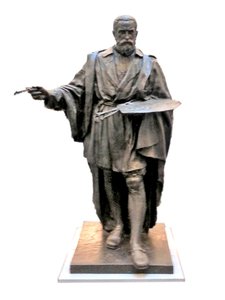
moroni, giovanni battista
1520 - 1578 , Italia
Datos clave
- Artistic Movement Or Style: Mannerism
- Artists Who Influenced This Artist:
- Alessandro Bonvicino
- Titian
- Date Of Birth: c. 1520
- Date Of Death: ?5 Feb. 1578
- Full Name: Giovanni Battista Moroni
- Nationality: Italian
- Notable Artworks:
- The Tailor
- Gian Lodovico Madruzzo
- Place Of Birth: Albino, Italia
Artículos relacionados

Giovanni Giacometti: Sculpting Existentialism – A Study of Form, Space, and the Human Condition
Explore the profound artistic journey of Giovanni Giacometti, father to Alberto. Discover his unique transition from Surrealism to Existentialist sculpture and painting – a compelling study for elite collectors and art enthusiasts.

Giovanni Battista Piranesi: Visionary of Ruins & Architect of Imagination
Explore the life & work of Giovanni Battista Piranesi, master etcher of Roman views & creator of the haunting 'Carceri d'Invenzione'. Discover his architectural vision and lasting influence on art history.
Giovanni Boldini: A Study in Belle Époque Portraiture & the Cult of Personality
Explore the captivating world of Giovanni Boldini, master of Belle Époque portraiture. Discover his signature style, iconic works like 'Miss Bell,' and lasting influence on art history. Expert analysis for collectors.
Giovanni Paolo Panini: Capturing Roman Grandeur – A Vedute Master's Legacy
Explore the captivating world of Giovanni Paolo Panini, master of Roman vedute painting. Discover his technique, iconic works, influence on art history & collecting advice from experts at ArtsDot.

Giovanni Segantini: Capturing Alpine Light & Symbolist Visions
Explore the captivating world of Giovanni Segantini, master of Alpine landscapes & Symbolist art. Discover his innovative techniques, allegorical masterpieces like 'La Vita,' and enduring legacy. Learn about this pivotal 19th-century Italian painter.