 Vista previa
 Compartir
 Compartir
 Ver detalles

 Descargar
 Ver similares
 Radiografía
 Presentación de diapositivas
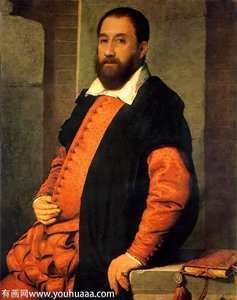
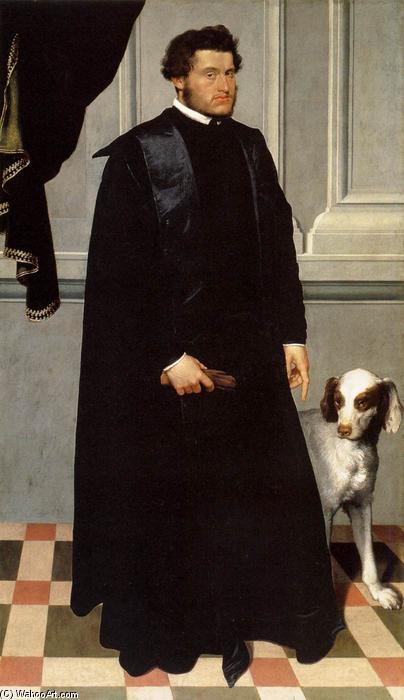
Gian Lodovico Madruzzo
 Oil On Canvas
- WallArt
- Renaissance Portraiture
 1551
1551 202.0 x 117.0 cm
 Instituto de Arte de Chicago
 Leer más
Giclée / Impresión de arte
Impresiones giclée o en lienzo de calidad de museo con producción rápida y opciones de acabado flexibles. ( Encargar reproducción pintada a mano Comprar descarga)




P118B $10

P118H $10

P118W $10

P438Z $10

P508JH $12

P508YH $12

P805H $10

P805Z $10

P919BZ $10

P919G $10

P919XJ $10

P959ZH $10

P968JZ $12

W106C $8

W218G $10

W218JH $8

W218Y $10

W307PJ $10

W316G $10

W316PJ $8

W316Y $10

W398PJ $8

W4111J $10

W500HY $15

W500JH $15

W692G $12

W849H $8

W940BG $15

W953PJ $8




Elija entre nuestros tamaños predefinidos que respetan las proporciones originales de la obra.

Puede introducir sus propias dimensiones para adaptarse a un marco o espacio específico. Si el tamaño seleccionado no coincide con las proporciones de la imagen original, recortaremos la obra de arte o extenderemos la imagen con un borde con efecto espejo o de color sólido. Se enviará una maqueta digital para su aprobación antes de que comience la producción.
Tenga en cuenta que la vista previa en pantalla no refleja el recorte o la extensión real. Solo la maqueta mostrará con precisión la composición final.
Aunque existen tamaños personalizados, recomendamos seleccionar una dimensión de la lista predefinida para preservar las proporciones originales.
Envío a todo el mundo () en 2 semanas en lugar de las 4/5 semanas estándar. (22 agosto)

Envío exprés gratuito a todo el mundo

Lienzo de lino de alta calidad

Seguro de envío completo

Garantía de reembolso de aranceles aduaneros

Garantía de fidelidad cromática exacta

Política de devolución de 60 días (solo por defectos)

Garantía de devolución del 100% del dinero

Oferta por volumen
 La opción de vidrio solo está disponible en tamaños inferiores a 110 cm.

Gian Lodovico Madruzzo
Giclée / Impresión de arte
Tamaño de la reproducción
-


Precio total
$ 62
Descripción de la pieza
A Renaissance Portrait of Contemplation: Gian Lodovico Madruzzo by Giovanni Battista Moroni
Giovanni Battista Moroni’s “Gian Lodovico Madruzzo,” painted in 1551-1552, is more than just a likeness; it's a profound meditation on human experience captured with the meticulous detail and evocative light characteristic of the Lombard Renaissance. Housed within the Art Institute of Chicago’s esteemed collection, this oil on canvas offers a rare glimpse into the inner life of a 16th-century nobleman, inviting viewers to ponder his thoughts alongside him.
The subject himself, Gian Lodovico Madruzzo, was a prominent figure in Venetian society – a canon and later prince-bishop of Trent. Moroni’s decision to portray him not amidst grand courtly scenes but in quiet contemplation speaks volumes about the artist's understanding of his patron’s character. The man stands before a simple, checkered floor, its red, white, and black squares providing a subtly contrasting backdrop to his dark robe. This deliberate simplicity draws attention directly to his face – a study in restrained expression, hinting at both intelligence and a certain melancholy.
The Master's Technique: Realism Elevated
Moroni’s skill lies not merely in replicating appearance but in conveying the *essence* of his subject. He was renowned for his “al vero” – painting ‘from life,’ as Titian famously described him. This is evident in the remarkably realistic rendering of textures, from the fine weave of the robe to the subtle sheen on Gian Lodovico’s skin. The artist masterfully employs chiaroscuro—the dramatic interplay of light and shadow—to sculpt the figure, creating a sense of volume and depth that transcends mere representation. Note particularly how the light catches the curve of his hand holding the book, highlighting its weight and suggesting an active engagement with thought.
The use of color is equally deliberate. Moroni favors muted earth tones – browns, ochres, and grays – creating a somber yet dignified atmosphere. This palette reinforces the contemplative mood, avoiding any ostentation or superficiality. The background wall, illuminated by a window, provides a soft, diffused light that further emphasizes the subject’s stillness.
Symbolism and Context: A Portrait of Power and Reflection
The inclusion of the book is significant. It suggests scholarship, contemplation, and perhaps even spiritual reflection – qualities highly valued in Renaissance nobility. The pose itself—the raised hand, the direct gaze—commands attention and conveys a sense of authority tempered by introspection. Considering that Moroni painted this portrait during the Council of Trent, a pivotal moment for the Catholic Church, it’s plausible that Gian Lodovico Madruzzo was seeking to project an image of stability and wisdom amidst turbulent times.
Interestingly, Moroni created similar portraits of his subject's brother, Gian Federico Madruzzo, also at the National Gallery of Art in Washington. These paired works offer a fascinating insight into the family’s aspirations and the artist’s evolving style. The fact that these portraits were once displayed together in Trent’s Castello del Buonconsiglio underscores their importance within the noble household.
A Timeless Masterpiece: Reproductions for Today
The enduring appeal of “Gian Lodovico Madruzzo” lies not only in Moroni's technical brilliance but also in its ability to connect with viewers across centuries. Today, discerning art lovers and interior designers can experience the beauty and depth of this Renaissance masterpiece through meticulously crafted oil painting reproductions available at ArtsDot.com. These reproductions capture the essence of Moroni’s original – the subtle nuances of expression, the masterful use of light and shadow, and the profound sense of contemplative stillness—making them a stunning addition to any collection or space.
For further exploration, we encourage you to visit the Art Institute of Chicago's website (https://www.artic.edu/artworks/4081/gian-lodovico-madruzzo) and delve into the artist’s biography on Wikipedia, as well as the Web Gallery of Art (https://www.wga.hu/html_m/m/moroni/madruzzo.html) for a deeper understanding of Giovanni Battista Moroni’s remarkable legacy.
Obras relacionadas



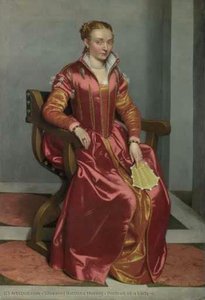
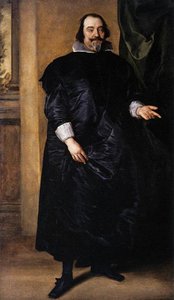
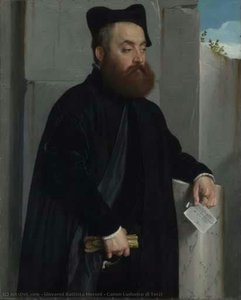
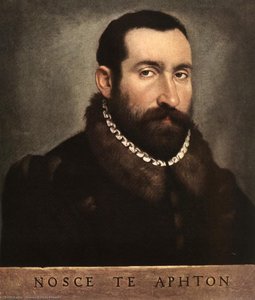
Biografía del artista
Giovanni Battista Moroni: Vida y Legado
Primeros Años y Formación
Giovanni Battista Moroni (también conocido como Giambattista Moroni) nació en Albino, cerca de Bergamo, Italia, en 1520. Su padre, Andrea Moroni, era arquitecto, proporcionando un entorno formativo para el desarrollo artístico. Recibió su formación inicial bajo Alessandro Bonvicino (conocido como Moretto) en Brescia. Esta temprana aprendizaje sentó las bases para sus habilidades técnicas y comprensión de las técnicas de pintura del Renacimiento.
Desarrollo Artístico e Influencias
El viaje artístico de Moroni lo llevó a través de varias ciudades italianas, incluyendo Trento y Bergamo. Un momento decisivo ocurrió durante su estancia en Trento donde conoció a Tiziano y al Conde-Obispo Cristoforo Madruzzo. La influencia de Tiziano es evidente en el uso del color y el manejo sofisticado de la luz por parte de Moroni. Si bien inicialmente fue influenciado por estilos renacentistas anteriores, Moroni gradualmente desarrolló un enfoque distintivo manierista caracterizado por la elegancia y el realismo.
Características Clave de su Obra
- Retratos: Moroni es celebrado principalmente por sus retratos de la nobleza y el clero local. Estas obras no son meras representaciones, sino estudios perspicaces del carácter, capturando la dignidad y la profundidad psicológica de sus modelos.
- Realismo y Naturalismo: Empleó técnicas naturalistas y un agudo ojo para los detalles, creando una sensación de inmediatez y presencia en sus retratos.
- Tonos Plateados: Las pinturas de Moroni a menudo se distinguen por su exquisito tono plateado, logrado a través de sutiles graduaciones de luz y sombra.
- Pinturas Religiosas: Si bien son menos numerosas que sus retratos, Moroni también produjo lienzos religiosos. Estas obras exhiben un estilo más arcaico, reminiscente de composiciones del tardío Quattrocento.
Obras Notables
Entre las pinturas más renombradas de Moroni se encuentran:
- El Herrero: Actualmente alojada en la National Gallery, Londres, esta pintura ejemplifica su representación realista de la vida cotidiana y el carácter.
- Gian Lodovico Madruzzo: Un retrato impactante que muestra la capacidad de Moroni para capturar tanto el poder como la introspección.
- Numerosos retratos de miembros de la nobleza de Bergamo, proporcionando un valioso registro visual de la sociedad del siglo XVI.
Significado Histórico y Legado
La obra de Giovanni Battista Moroni ocupa un lugar significativo en la historia del arte italiano. Puenteó el abismo entre los ideales del Alto Renacimiento y el estilo manierista emergente, creando retratos que eran a la vez elegantes y psicológicamente convincentes. Su influencia se extendió a artistas posteriores como Fra' Galgario y Pietro Longhi, quienes admiraron su capacidad para capturar la esencia de sus sujetos. Hoy en día, las pinturas de Moroni se exhiben en prestigiosos museos como la Galería Uffizi y la National Gallery, continuando a inspirar a amantes del arte e investigadores por igual.
Reflexiones Finales
El legado de Moroni reside en su capacidad para elevar el retrato más allá de la mera representación. Infundió sus obras con un sentido de humanidad y profundidad psicológica que continúa resonando entre el público siglos después. Sus pinturas ofrecen una visión única de las vidas y personalidades de Italia del siglo XVI, consolidando su posición como maestro de la época del Cinquecento.
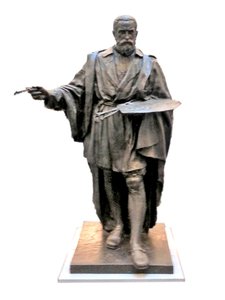
moroni, giovanni battista
1520 - 1578 , Italia
Datos clave
- Artistic Movement Or Style: Mannerism
- Artists Who Influenced This Artist:
- Alessandro Bonvicino
- Titian
- Date Of Birth: c. 1520
- Date Of Death: ?5 Feb. 1578
- Full Name: Giovanni Battista Moroni
- Nationality: Italian
- Notable Artworks:
- The Tailor
- Gian Lodovico Madruzzo
- Place Of Birth: Albino, Italia
Artículos relacionados

The Enduring Legacy of Oil on Canvas: Technique, History & Aesthetic Impact
Explore the rich history & techniques of oil painting – from Renaissance masters to Impressionism. Discover pigments, layering methods, and why this timeless medium endures. Expert insights for artists & art enthusiasts.

El Óleo sobre Lienzo: Historia, Técnica y la Persistencia de un Medio Artístico Atemporal
Descubre la historia y técnica del óleo sobre lienzo. Explora reproducciones fieles hechas a mano, personalización artística y consejos de expertos con ArtsDot. ¡Colecciona arte con confianza!

The Enduring Power of Painting: A Historical & Contemporary Exploration of Form and Emotion
Explore the rich history & enduring techniques of oil painting with ArtsDot. Discover masterpieces, learn about art collecting, and find authentic handmade reproductions crafted by skilled artists.

El Legado Duradero del Óleo sobre Lienzo: Técnica, Historia y Práctica Contemporánea
Descubre la historia y técnica del óleo sobre lienzo. Explora reproducciones fieles hechas a mano, personalización artística y consejos de expertos con .

Convierta su NFT en una obra maestra: Venda reproducciones de óleo artesanal y reciba ingresos inmediatos
Descubre cómo convertir tus NFTs en ingresos reales con reproducciones de óleo artesanal de ArtsDot. Expertos en calidad y autenticidad, garantizamos entrega segura y satisfacción total. Transforma tu colección hoy.