

 Ver en contexto
 Enviar
 Compartir
 Detalles

 Descargar
 Similares
 Radiografía
 Presentación de diapositivas
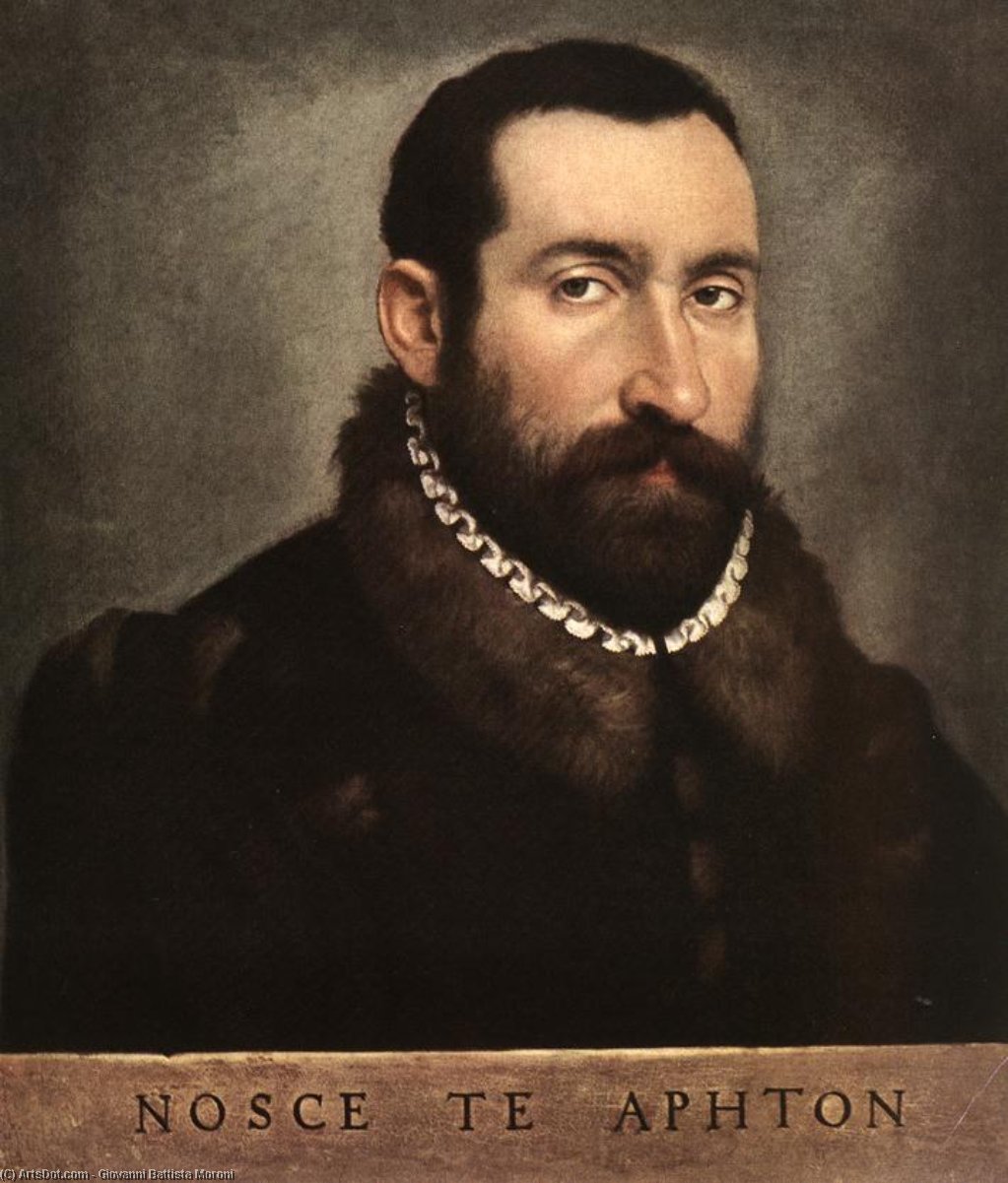
Portrait of a Man
 Oil On Canvas
- WallArt
- Mannerist
 37.0 x 50.0 cm
 Museo del Hermitage
 Ver más
Giclée / Impresión de arte
Impresiones giclée o en lienzo de calidad de museo con producción rápida y opciones de acabado flexibles. ( Comprar pintura hecha a mano Comprar imagen)




P118B $10

P118H $10

P118W $10

P438Z $10

P508JH $12

P508YH $12

P805H $10

P805Z $10

P919BZ $10

P919G $10

P919XJ $10

P959ZH $10

P968JZ $12

W106C $8

W218G $10

W218JH $8

W218Y $10

W307PJ $10

W316G $10

W316PJ $8

W316Y $10

W398PJ $8

W4111J $10

W500HY $15

W500JH $15

W692G $12

W849H $8

W940BG $15

W953PJ $8




Elija entre nuestros tamaños predefinidos que respetan las proporciones originales de la obra.

Puede introducir sus propias dimensiones para adaptarse a un marco o espacio específico. Si el tamaño seleccionado no coincide con las proporciones de la imagen original, recortaremos la obra de arte o extenderemos la imagen con un borde con efecto espejo o de color sólido. Se enviará una maqueta digital para su aprobación antes de que comience la producción.
Tenga en cuenta que la vista previa en pantalla no refleja el recorte o la extensión real. Solo la maqueta mostrará con precisión la composición final.
Aunque existen tamaños personalizados, recomendamos seleccionar una dimensión de la lista predefinida para preservar las proporciones originales.
Envío a todo el mundo () en 2 semanas en lugar de las 4/5 semanas estándar. (24 agosto)

Envío exprés gratuito a todo el mundo

Lienzo de lino de alta calidad

Seguro de envío total

Garantía de reembolso de impuestos aduaneros

Garantía de fidelidad cromática exacta

Política de devolución de 60 días (solo por defectos)

Garantía de devolución del 100% del dinero

Descuento por cantidad
 La opción de vidrio solo está disponible en tamaños inferiores a 110 cm.

Portrait of a Man
Giclée / Impresión de arte
Dimensiones de la reproducción
-


Precio total final
$ 62
Descripción de la pieza
Giovanni Battista Moroni’s “Portrait of a Man”: A Study in Renaissance Dignity
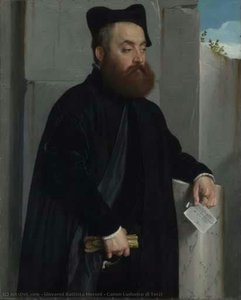
The world of 16th-century Italy was one of burgeoning artistic innovation, yet also deeply rooted in the traditions of the High Renaissance. Within this vibrant landscape, Giovanni Battista Moroni emerged as a master portraitist, renowned for his ability to capture not just likenesses but profound psychological depth and an understated elegance. His “Portrait of a Man,” often referred to as “The Lawyer” or “L’Avvocato,” exemplifies these qualities, offering a captivating glimpse into the sensibilities of its subject and the artist's remarkable skill.
Painted around 1570-1572, this oil on canvas work resides within the esteemed collection of the National Gallery in London. It immediately draws the eye with its masterful use of light and shadow – a technique known as chiaroscuro – that sculpts the figure’s face and clothing, lending them an almost three-dimensional quality. Moroni eschews dramatic poses or flamboyant displays of wealth; instead, he presents a man of quiet dignity, absorbed in thought. The subject, whose identity remains somewhat enigmatic, is depicted seated, his posture relaxed yet conveying a sense of self-assuredness. His gaze, directed slightly to the left, invites contemplation and suggests an inner life rich with complexity.
A Symphony of Color and Texture
Moroni’s palette is remarkably restrained, dominated by earthy tones – browns, grays, and ochres – that create a sense of solidity and timelessness. The dark clothing, rendered in subtle variations of brown and black, provides a striking contrast to the lighter hues of his face and hands. Notice how Moroni meticulously builds up texture through layers of thin paint, capturing the sheen of the velvet fabric and the delicate folds of the collar. This attention to detail is characteristic of Moroni’s approach, reflecting a deep respect for the materials he employed.
The composition itself is deceptively simple yet profoundly effective. The diagonal line created by the subject's posture and the placement of his hand draws the viewer’s eye across the canvas, anchoring the figure within the space. The background, rendered in muted gray tones, serves to further isolate the subject, emphasizing his importance and drawing attention to his features.
Symbolism and Context
While the precise meaning behind the portrait remains open to interpretation, several elements suggest a deeper symbolic significance. The letter clutched in the man’s hand – believed to be addressed “Al Magº Sig Julii” (to the most worshipful Lord Giulio or Giuliano) – hints at his profession as a lawyer or counselor. This detail underscores the importance of legal expertise and social standing within Renaissance society. The subtle, almost melancholic expression on the man’s face suggests a contemplative nature, perhaps reflecting the weighty responsibilities associated with his role.
Moroni's artistic development was significantly influenced by Titian, whose use of color and atmospheric perspective he adopted. However, Moroni developed a distinct style characterized by a greater emphasis on realism and psychological insight. His portraits are not merely representations of individuals; they are windows into their souls, offering glimpses of their inner lives and the complexities of human experience.
A Legacy of Dignity
“Portrait of a Man” stands as a testament to Giovanni Battista Moroni’s artistic genius. It is a work that transcends its historical context, continuing to resonate with viewers today through its quiet dignity, psychological depth, and masterful technique. Reproductions of this remarkable painting capture only a fraction of the original's power; experiencing it in person offers an unparalleled opportunity to connect with one of the Renaissance’s most perceptive portraitists.
Obras relacionadas
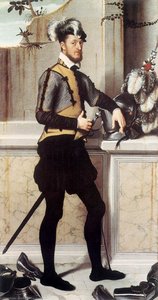
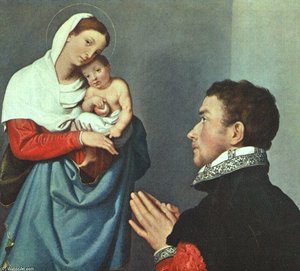
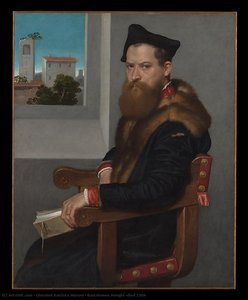
Biografía del artista
Giovanni Battista Moroni: Vida y Legado
Primeros Años y Formación
Giovanni Battista Moroni (también conocido como Giambattista Moroni) nació en Albino, cerca de Bergamo, Italia, en 1520. Su padre, Andrea Moroni, era arquitecto, proporcionando un entorno formativo para el desarrollo artístico. Recibió su formación inicial bajo Alessandro Bonvicino (conocido como Moretto) en Brescia. Esta temprana aprendizaje sentó las bases para sus habilidades técnicas y comprensión de las técnicas de pintura del Renacimiento.
Desarrollo Artístico e Influencias
El viaje artístico de Moroni lo llevó a través de varias ciudades italianas, incluyendo Trento y Bergamo. Un momento decisivo ocurrió durante su estancia en Trento donde conoció a Tiziano y al Conde-Obispo Cristoforo Madruzzo. La influencia de Tiziano es evidente en el uso del color y el manejo sofisticado de la luz por parte de Moroni. Si bien inicialmente fue influenciado por estilos renacentistas anteriores, Moroni gradualmente desarrolló un enfoque distintivo manierista caracterizado por la elegancia y el realismo.
Características Clave de su Obra
- Retratos: Moroni es celebrado principalmente por sus retratos de la nobleza y el clero local. Estas obras no son meras representaciones, sino estudios perspicaces del carácter, capturando la dignidad y la profundidad psicológica de sus modelos.
- Realismo y Naturalismo: Empleó técnicas naturalistas y un agudo ojo para los detalles, creando una sensación de inmediatez y presencia en sus retratos.
- Tonos Plateados: Las pinturas de Moroni a menudo se distinguen por su exquisito tono plateado, logrado a través de sutiles graduaciones de luz y sombra.
- Pinturas Religiosas: Si bien son menos numerosas que sus retratos, Moroni también produjo lienzos religiosos. Estas obras exhiben un estilo más arcaico, reminiscente de composiciones del tardío Quattrocento.
Obras Notables
Entre las pinturas más renombradas de Moroni se encuentran:
- El Herrero: Actualmente alojada en la National Gallery, Londres, esta pintura ejemplifica su representación realista de la vida cotidiana y el carácter.
- Gian Lodovico Madruzzo: Un retrato impactante que muestra la capacidad de Moroni para capturar tanto el poder como la introspección.
- Numerosos retratos de miembros de la nobleza de Bergamo, proporcionando un valioso registro visual de la sociedad del siglo XVI.
Significado Histórico y Legado
La obra de Giovanni Battista Moroni ocupa un lugar significativo en la historia del arte italiano. Puenteó el abismo entre los ideales del Alto Renacimiento y el estilo manierista emergente, creando retratos que eran a la vez elegantes y psicológicamente convincentes. Su influencia se extendió a artistas posteriores como Fra' Galgario y Pietro Longhi, quienes admiraron su capacidad para capturar la esencia de sus sujetos. Hoy en día, las pinturas de Moroni se exhiben en prestigiosos museos como la Galería Uffizi y la National Gallery, continuando a inspirar a amantes del arte e investigadores por igual.
Reflexiones Finales
El legado de Moroni reside en su capacidad para elevar el retrato más allá de la mera representación. Infundió sus obras con un sentido de humanidad y profundidad psicológica que continúa resonando entre el público siglos después. Sus pinturas ofrecen una visión única de las vidas y personalidades de Italia del siglo XVI, consolidando su posición como maestro de la época del Cinquecento.
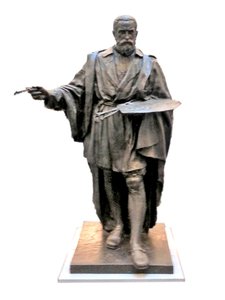
moroni, giovanni battista
1520 - 1578 , Italia
Datos clave
- Artistic Movement Or Style: Mannerism
- Artists Who Influenced This Artist:
- Alessandro Bonvicino
- Titian
- Date Of Birth: c. 1520
- Date Of Death: ?5 Feb. 1578
- Full Name: Giovanni Battista Moroni
- Nationality: Italian
- Notable Artworks:
- The Tailor
- Gian Lodovico Madruzzo
- Place Of Birth: Albino, Italia
Artículos relacionados
Giovanni Fattori: Realism, Identity & the Tuscan Landscape – A Macchiaioli Master
Explore the life & art of Giovanni Fattori, a leading figure of the Macchiaioli movement. Discover his revolutionary realism, captivating Tuscan landscapes, and lasting impact on Italian painting. Learn more at ArtsDot.
Giovanni Boldini: A Study in Belle Époque Portraiture & the Cult of Personality
Explore the captivating world of Giovanni Boldini, master of Belle Époque portraiture. Discover his signature style, iconic works like 'Miss Bell,' and lasting influence on art history. Expert analysis for collectors.
El Crepúsculo del Clasicismo Renacentista: Un Estudio del Estilo y la Afectación en el Manierismo
Descubre el Manierismo: un análisis profundo de este fascinante estilo artístico del Renacimiento tardío. Explora sus características, artistas clave y legado con ArtsDot.

Giovanni Battista Piranesi: Visionary of Ruins & Architect of Imagination
Explore the life & work of Giovanni Battista Piranesi, master etcher of Roman views & creator of the haunting 'Carceri d'Invenzione'. Discover his architectural vision and lasting influence on art history.
The Grandeur of Presence: Exploring Representations of Stately Bearing in Western Portraiture
Explore the art of stately bearing in Western portraiture with expert analysis of Renaissance & Baroque masterpieces. Discover symbolism, techniques, and the legacy of iconic portraits – a guide for discerning collectors.


