

 Ver en contexto
 Enviar
 Compartir
 Detalles

 Descargar
 Similares
 Radiografía
 Presentación de diapositivas
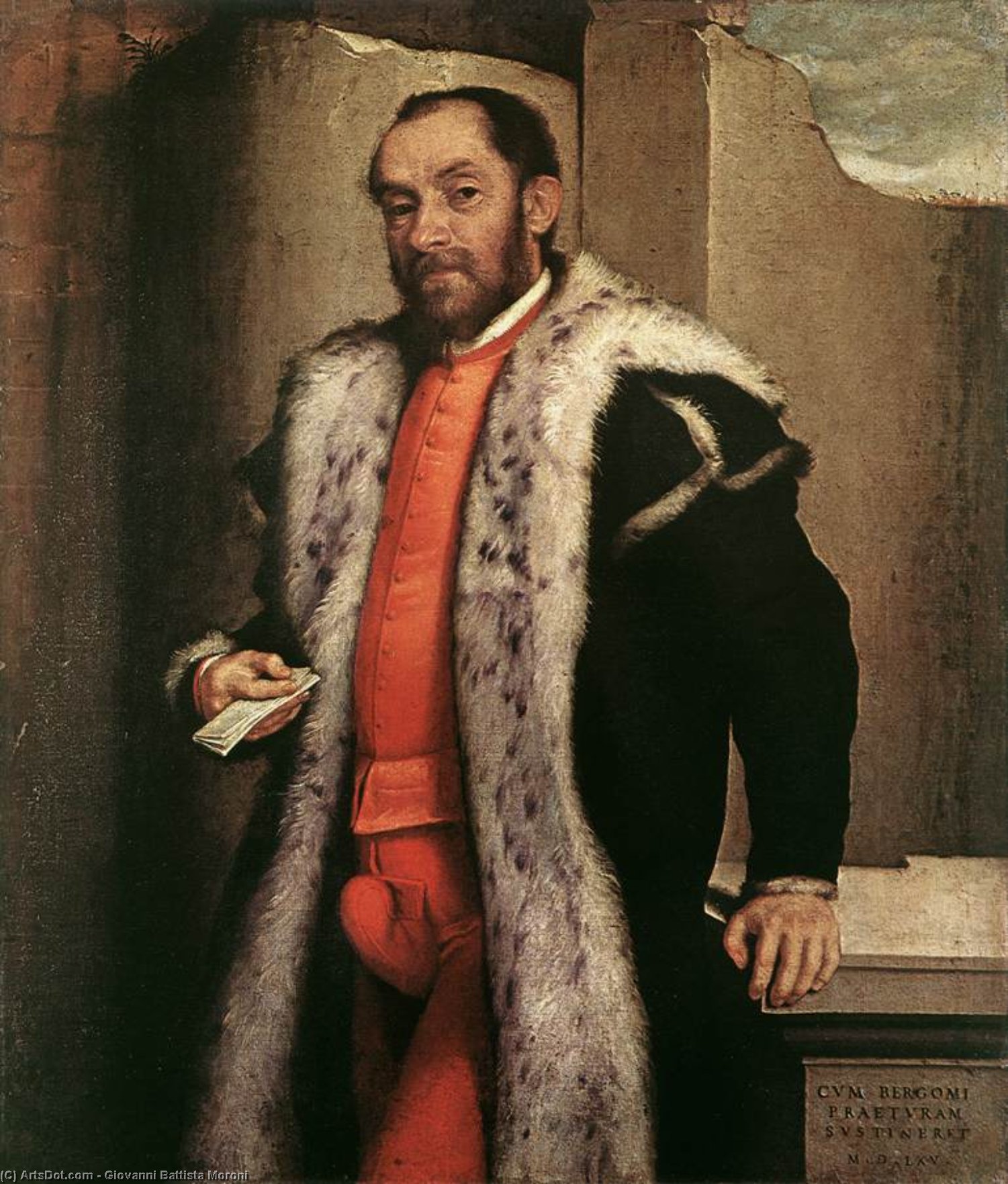
Portrait of Antonio Navagero
 Oil On Canvas
- WallArt
- Mannerist
 1565
1565 115.0 x 90.0 cm
 Pinacoteca de Brera
 Ver más
Giclée / Impresión de arte
Impresiones giclée o en lienzo de calidad de museo con producción rápida y opciones de acabado flexibles. ( Comprar pintura hecha a mano Comprar imagen)




P118B $10

P118H $10

P118W $10

P438Z $10

P508JH $12

P508YH $12

P805H $10

P805Z $10

P919BZ $10

P919G $10

P919XJ $10

P959ZH $10

P968JZ $12

W106C $8

W218G $10

W218JH $8

W218Y $10

W307PJ $10

W316G $10

W316PJ $8

W316Y $10

W398PJ $8

W4111J $10

W500HY $15

W500JH $15

W692G $12

W849H $8

W940BG $15

W953PJ $8




Elija entre nuestros tamaños predefinidos que respetan las proporciones originales de la obra.

Puede introducir sus propias dimensiones para adaptarse a un marco o espacio específico. Si el tamaño seleccionado no coincide con las proporciones de la imagen original, recortaremos la obra de arte o extenderemos la imagen con un borde con efecto espejo o de color sólido. Se enviará una maqueta digital para su aprobación antes de que comience la producción.
Tenga en cuenta que la vista previa en pantalla no refleja el recorte o la extensión real. Solo la maqueta mostrará con precisión la composición final.
Aunque existen tamaños personalizados, recomendamos seleccionar una dimensión de la lista predefinida para preservar las proporciones originales.
Envío a todo el mundo () en 2 semanas en lugar de las 4/5 semanas estándar. (31 agosto)

Envío exprés gratuito a todo el mundo

Lienzo de lino de alta calidad

Seguro de envío total

Garantía de reembolso de impuestos aduaneros

Garantía de fidelidad cromática exacta

Política de devolución de 60 días (solo por defectos)

Garantía de devolución del 100% del dinero

Descuento por cantidad
 La opción de vidrio solo está disponible en tamaños inferiores a 110 cm.

Portrait of Antonio Navagero
Giclée / Impresión de arte
Dimensiones de la reproducción
-


Precio total final
$ 62
A Portrait of Power and Quiet Dignity: Giovanni Battista Moroni’s Antonio Navagero
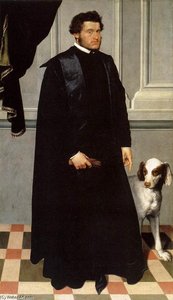
Giovanni Battista Moroni's "Portrait of Antonio Navagero," painted in 1565, is more than just a likeness; it’s a carefully constructed tableau of Venetian power, civic responsibility, and the subtle artistry that defined the artist’s distinctive style. The painting, now residing within the Pinacoteca di Brera in Milan, immediately draws the eye with its rich palette – deep reds, luxurious browns, and shimmering golds – all expertly rendered through Moroni's masterful use of oil paint on canvas. The subject himself, Antonio Navagero, the *Podestà* (chief magistrate) of Bergamo at the time, is presented not as a conquering hero or a flamboyant nobleman, but as a man of quiet authority, embodying the virtues expected of a high-ranking official within the complex political landscape of Renaissance Italy.The Anatomy of a Portrait: Technique and Style
Moroni’s approach to portraiture in this piece diverges significantly from the grand, theatrical styles favored by Titian or Tintoretto. Instead, he embraces a more intimate, almost bourgeois sensibility, reminiscent of Veronese but imbued with a uniquely Moronian depth. The composition is remarkably focused – a close-up study of Navagero’s face and upper body – creating an immediate sense of connection with the subject. The artist skillfully employs *impasto*, building up thick layers of paint to capture the textures of the fur-lined coat, the intricate details of his clothing, and even the subtle sheen of his polished boots. Note particularly the rendering of the fabric; it’s not merely painted flat but appears to possess a palpable weight and volume, reflecting Moroni's meticulous attention to detail. The lighting is dramatic, originating from an unseen source above and slightly to the left, casting strong shadows that define Navagero’s features and adding a sense of three-dimensionality to the image. The use of perspective is deliberately shallow, typical of portraiture during this period, prioritizing likeness and psychological insight over strict spatial accuracy.Symbolism Woven into the Fabric of Power
Beyond its technical brilliance, “Portrait of Antonio Navagero” is rich in symbolic meaning. The opulent attire – a deep red tunic, a richly embroidered coat, and a magnificent fur-lined cloak – immediately signifies Navagero’s elevated social status and wealth. The choice of fur, particularly the luxurious sable, was a potent symbol of power and prestige during this era, reserved for the wealthiest and most influential figures. The pose itself is carefully considered; Navagero stands with his gaze directed slightly off to the side, projecting an air of thoughtful contemplation rather than overt arrogance. This subtle gesture suggests a man accustomed to leadership but also aware of the responsibilities that come with it. The inscription at the bottom of the painting – “CUM BERGOMI PRAETURAM SUSTINERET M.D.LXV” – confirms the date and location of the portrait, further anchoring it within its historical context.A Window into a Renaissance Mind: Moroni’s Humanism
Giovanni Battista Moroni's work represents a fascinating intersection of artistic skill and humanist ideals. Unlike many of his contemporaries who focused solely on glorifying patrons through grand displays of wealth and power, Moroni seemed genuinely interested in capturing the essence of his subjects – their personalities, their aspirations, and even their vulnerabilities. “Portrait of Antonio Navagero” exemplifies this approach, offering a remarkably intimate glimpse into the life of a prominent Venetian official. It’s a testament to Moroni's ability to elevate a simple portraiture commission into something far more profound—a meditation on power, status, and the quiet dignity of human experience. The painting invites us to contemplate not just the outward appearance of Navagero but also the inner world that shaped his actions and decisions. Reproductions of this piece offer a beautiful opportunity to bring this nuanced portrait into any space, adding a touch of Renaissance sophistication and thoughtful contemplation.Obras relacionadas
Biografía del artista
Giovanni Battista Moroni: Vida y Legado
Primeros Años y Formación
Giovanni Battista Moroni (también conocido como Giambattista Moroni) nació en Albino, cerca de Bergamo, Italia, en 1520. Su padre, Andrea Moroni, era arquitecto, proporcionando un entorno formativo para el desarrollo artístico. Recibió su formación inicial bajo Alessandro Bonvicino (conocido como Moretto) en Brescia. Esta temprana aprendizaje sentó las bases para sus habilidades técnicas y comprensión de las técnicas de pintura del Renacimiento.
Desarrollo Artístico e Influencias
El viaje artístico de Moroni lo llevó a través de varias ciudades italianas, incluyendo Trento y Bergamo. Un momento decisivo ocurrió durante su estancia en Trento donde conoció a Tiziano y al Conde-Obispo Cristoforo Madruzzo. La influencia de Tiziano es evidente en el uso del color y el manejo sofisticado de la luz por parte de Moroni. Si bien inicialmente fue influenciado por estilos renacentistas anteriores, Moroni gradualmente desarrolló un enfoque distintivo manierista caracterizado por la elegancia y el realismo.
Características Clave de su Obra
- Retratos: Moroni es celebrado principalmente por sus retratos de la nobleza y el clero local. Estas obras no son meras representaciones, sino estudios perspicaces del carácter, capturando la dignidad y la profundidad psicológica de sus modelos.
- Realismo y Naturalismo: Empleó técnicas naturalistas y un agudo ojo para los detalles, creando una sensación de inmediatez y presencia en sus retratos.
- Tonos Plateados: Las pinturas de Moroni a menudo se distinguen por su exquisito tono plateado, logrado a través de sutiles graduaciones de luz y sombra.
- Pinturas Religiosas: Si bien son menos numerosas que sus retratos, Moroni también produjo lienzos religiosos. Estas obras exhiben un estilo más arcaico, reminiscente de composiciones del tardío Quattrocento.
Obras Notables
Entre las pinturas más renombradas de Moroni se encuentran:
- El Herrero: Actualmente alojada en la National Gallery, Londres, esta pintura ejemplifica su representación realista de la vida cotidiana y el carácter.
- Gian Lodovico Madruzzo: Un retrato impactante que muestra la capacidad de Moroni para capturar tanto el poder como la introspección.
- Numerosos retratos de miembros de la nobleza de Bergamo, proporcionando un valioso registro visual de la sociedad del siglo XVI.
Significado Histórico y Legado
La obra de Giovanni Battista Moroni ocupa un lugar significativo en la historia del arte italiano. Puenteó el abismo entre los ideales del Alto Renacimiento y el estilo manierista emergente, creando retratos que eran a la vez elegantes y psicológicamente convincentes. Su influencia se extendió a artistas posteriores como Fra' Galgario y Pietro Longhi, quienes admiraron su capacidad para capturar la esencia de sus sujetos. Hoy en día, las pinturas de Moroni se exhiben en prestigiosos museos como la Galería Uffizi y la National Gallery, continuando a inspirar a amantes del arte e investigadores por igual.
Reflexiones Finales
El legado de Moroni reside en su capacidad para elevar el retrato más allá de la mera representación. Infundió sus obras con un sentido de humanidad y profundidad psicológica que continúa resonando entre el público siglos después. Sus pinturas ofrecen una visión única de las vidas y personalidades de Italia del siglo XVI, consolidando su posición como maestro de la época del Cinquecento.
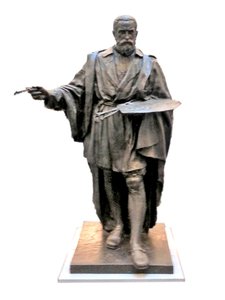
moroni, giovanni battista
1520 - 1578 , Italia
Datos clave
- Artistic Movement Or Style: Mannerism
- Artists Who Influenced This Artist:
- Alessandro Bonvicino
- Titian
- Date Of Birth: c. 1520
- Date Of Death: ?5 Feb. 1578
- Full Name: Giovanni Battista Moroni
- Nationality: Italian
- Notable Artworks:
- The Tailor
- Gian Lodovico Madruzzo
- Place Of Birth: Albino, Italia
Artículos relacionados
Giovanni Fattori: Realism, Identity & the Tuscan Landscape – A Macchiaioli Master
Explore the life & art of Giovanni Fattori, a leading figure of the Macchiaioli movement. Discover his revolutionary realism, captivating Tuscan landscapes, and lasting impact on Italian painting. Learn more at ArtsDot.

Giovanni Battista Piranesi: Visionary of Ruins & Architect of Imagination
Explore the life & work of Giovanni Battista Piranesi, master etcher of Roman views & creator of the haunting 'Carceri d'Invenzione'. Discover his architectural vision and lasting influence on art history.
Giovanni Giacometti: Sculpting Existentialism – A Study of Form, Space, and the Human Condition
Explore the profound artistic journey of Giovanni Giacometti, father to Alberto. Discover his unique transition from Surrealism to Existentialist sculpture and painting – a compelling study for elite collectors and art enthusiasts.
Mario Sironi: A Poetic of Modern Italian Identity Through Symbolism & Social Commentary
Explore the profound works of Mario Sironi, a key figure in Italian Modernism. Discover his evolution from Futurism to Metaphysical painting and his powerful social commentary. Learn about his legacy at ArtsDot.
Virtud Cívica y Rivalidad Artística: Mecenazgo e Innovación en las Repúblicas Italianas del Renacimiento, 1400–1600
Descubre el Renacimiento italiano: mecenazgo, rivalidad artística y la explosión del humanismo. Análisis experto de artistas clave y su legado cultural. ¡Sumérgete en una época fascinante!


