 Ver en contexto
 Enviar
 Compartir
 Detalles

 Descargar
 Similares
 Radiografía
 Presentación de diapositivas
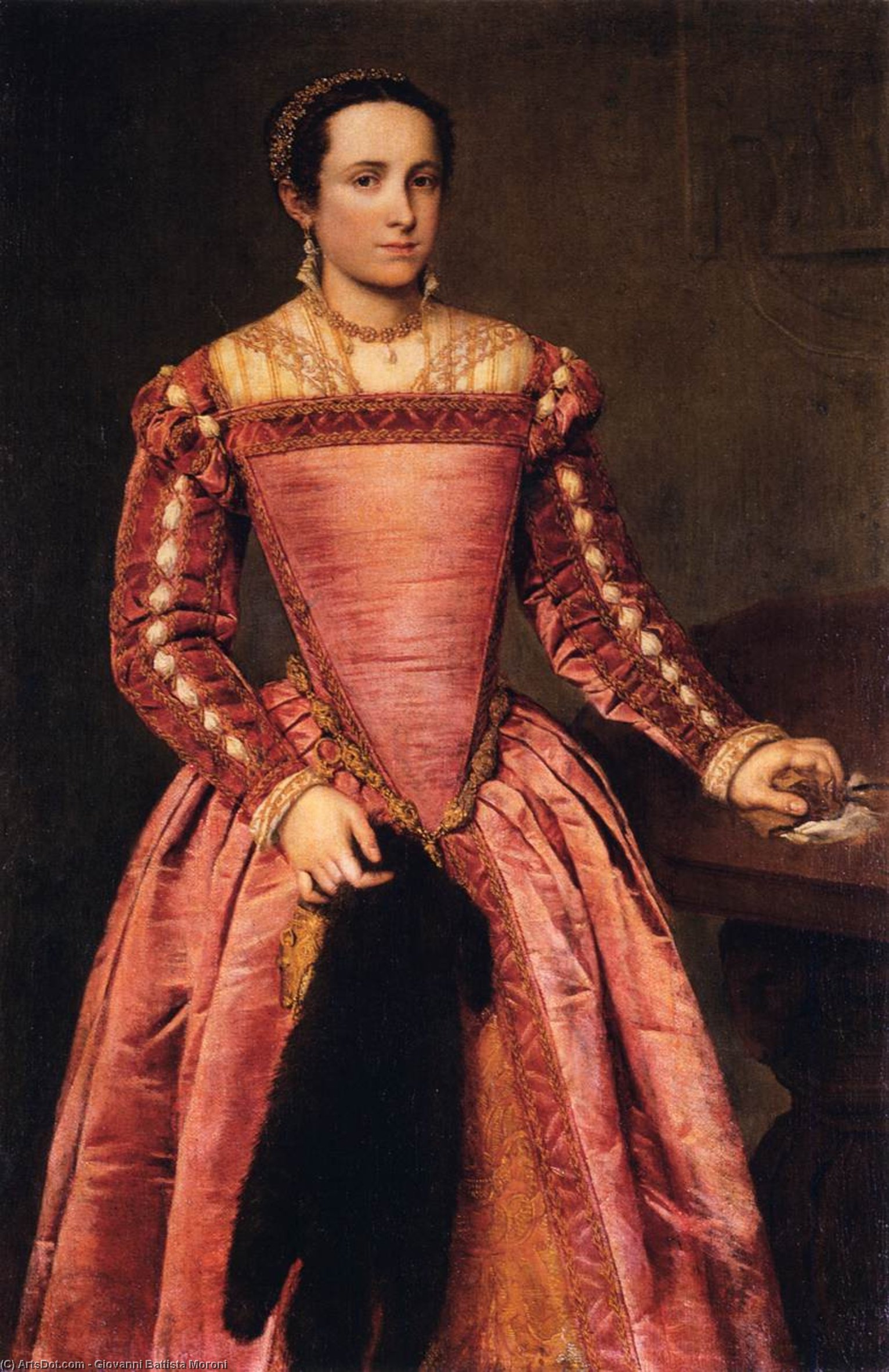
Woman in a Red Dress
 Acrylic On Canvas
- WallArt
- Mannerist Painting
 1560
1560 135.0 x 90.0 cm
 Galería de Pinturas Antiguas
 Ver más
Giclée / Impresión de arte
Impresiones giclée o en lienzo de calidad de museo con producción rápida y opciones de acabado flexibles. ( Comprar pintura hecha a mano Comprar imagen)




P118B $10

P118H $10

P118W $10

P438Z $10

P508JH $12

P508YH $12

P805H $10

P805Z $10

P919BZ $10

P919G $10

P919XJ $10

P959ZH $10

P968JZ $12

W106C $8

W218G $10

W218JH $8

W218Y $10

W307PJ $10

W316G $10

W316PJ $8

W316Y $10

W398PJ $8

W4111J $10

W500HY $15

W500JH $15

W692G $12

W849H $8

W940BG $15

W953PJ $8




Elija entre nuestros tamaños predefinidos que respetan las proporciones originales de la obra.

Puede introducir sus propias dimensiones para adaptarse a un marco o espacio específico. Si el tamaño seleccionado no coincide con las proporciones de la imagen original, recortaremos la obra de arte o extenderemos la imagen con un borde con efecto espejo o de color sólido. Se enviará una maqueta digital para su aprobación antes de que comience la producción.
Tenga en cuenta que la vista previa en pantalla no refleja el recorte o la extensión real. Solo la maqueta mostrará con precisión la composición final.
Aunque existen tamaños personalizados, recomendamos seleccionar una dimensión de la lista predefinida para preservar las proporciones originales.
Envío a todo el mundo () en 2 semanas en lugar de las 4/5 semanas estándar. (1 septiembre)

Envío exprés gratuito a todo el mundo

Lienzo de lino de alta calidad

Seguro de envío total

Garantía de reembolso de impuestos aduaneros

Garantía de fidelidad cromática exacta

Política de devolución de 60 días (solo por defectos)

Garantía de devolución del 100% del dinero

Descuento por cantidad
 La opción de vidrio solo está disponible en tamaños inferiores a 110 cm.

Woman in a Red Dress
Giclée / Impresión de arte
Dimensiones de la reproducción
-


Precio total final
$ 62
A Portrait of Quiet Dignity: Giovanni Battista Moroni’s “Woman in a Red Dress”
Giovanni Battista Moroni's "Woman in a Red Dress," painted circa 1560, is not merely a depiction of a woman; it’s a carefully constructed tableau of Renaissance elegance and subtle psychological depth. This captivating portrait, now housed within the State Kunstsammlungen Dresden, offers a glimpse into the refined world of Venetian nobility, revealing a masterful command of light, color, and the art of conveying character through gesture and expression.
The painting immediately draws the eye to its subject – a woman presented in a classically framed niche, reminiscent of the works of Gerrit Dou and François Duquesnoy. She stands with an air of dignified composure, her gaze direct yet not confrontational, inviting the viewer into a private moment. The rich crimson of her bodice is a striking focal point, immediately establishing a sense of luxury and status – a color often associated with power, passion, and even mourning in Renaissance art. Her attire, though simple in its cut, speaks volumes about her social standing; the subtle details—the delicate pearls adorning her neck, the carefully draped fabric—suggest a life of comfort and refinement.
The Language of Gesture and Symbolism
Moroni’s genius lies not just in his technical skill but also in his ability to imbue the portrait with layers of meaning. The woman's posture is remarkably restrained, yet subtly conveys a sense of contained emotion. Her hands are gracefully folded, suggesting both self-possession and perhaps a hint of melancholy. Notably, she holds a small cloth bag – a detail that has fueled much speculation among art historians. It’s believed to contain a “flea fur,” a fashionable accessory during the Renaissance designed to ward off insects and maintain hygiene. This seemingly mundane object adds an intriguing layer to the portrait, hinting at the woman's awareness of contemporary concerns and her adherence to social norms.
Further adding to the painting’s complexity is the bas-relief beneath the window – a miniature version of a frieze depicting children playing with a goat, attributed to François Duquesnoy. This inclusion suggests a connection between the subject and Moroni's artistic circle, possibly indicating she was a model or muse for other painters in Leiden. The presence of this detail elevates the portrait beyond a simple likeness, transforming it into a microcosm of Renaissance life and artistic practice.
A Masterclass in Mannerist Technique
Moroni’s style is firmly rooted in the Mannerism movement, characterized by an emphasis on elegance, refinement, and psychological subtlety. He skillfully employs chiaroscuro – the dramatic contrast between light and shadow – to sculpt the woman's form and create a sense of depth and volume. The lighting is particularly effective in highlighting her face, emphasizing her features and conveying a quiet intensity. The brushwork is precise yet fluid, demonstrating Moroni’s mastery of oil paint and his ability to capture both texture and atmosphere.
Unlike the vibrant colors often associated with Venetian painting, Moroni favors a more restrained palette, dominated by muted tones of brown, ochre, and red. This deliberate choice contributes to the portrait's overall sense of sophistication and timelessness. The background is deliberately blurred, drawing attention to the subject and reinforcing her importance within the composition.
An Enduring Legacy
"Woman in a Red Dress" stands as a testament to Giovanni Battista Moroni’s artistic skill and his profound understanding of human psychology. It's a portrait that invites contemplation, prompting viewers to consider not only the woman herself but also the social, cultural, and artistic context in which it was created. Reproductions of this captivating work offer a remarkable opportunity to experience the beauty and nuance of Renaissance art firsthand, bringing a touch of timeless elegance to any interior space.
Obras relacionadas
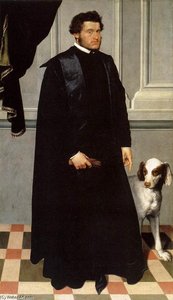
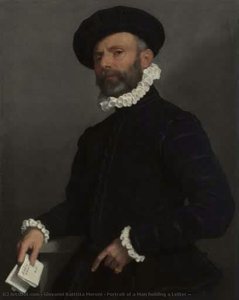

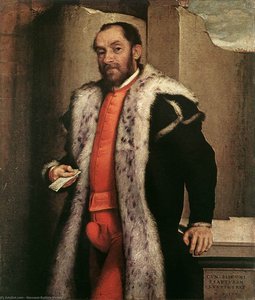
Biografía del artista
Giovanni Battista Moroni: Vida y Legado
Primeros Años y Formación
Giovanni Battista Moroni (también conocido como Giambattista Moroni) nació en Albino, cerca de Bergamo, Italia, en 1520. Su padre, Andrea Moroni, era arquitecto, proporcionando un entorno formativo para el desarrollo artístico. Recibió su formación inicial bajo Alessandro Bonvicino (conocido como Moretto) en Brescia. Esta temprana aprendizaje sentó las bases para sus habilidades técnicas y comprensión de las técnicas de pintura del Renacimiento.
Desarrollo Artístico e Influencias
El viaje artístico de Moroni lo llevó a través de varias ciudades italianas, incluyendo Trento y Bergamo. Un momento decisivo ocurrió durante su estancia en Trento donde conoció a Tiziano y al Conde-Obispo Cristoforo Madruzzo. La influencia de Tiziano es evidente en el uso del color y el manejo sofisticado de la luz por parte de Moroni. Si bien inicialmente fue influenciado por estilos renacentistas anteriores, Moroni gradualmente desarrolló un enfoque distintivo manierista caracterizado por la elegancia y el realismo.
Características Clave de su Obra
- Retratos: Moroni es celebrado principalmente por sus retratos de la nobleza y el clero local. Estas obras no son meras representaciones, sino estudios perspicaces del carácter, capturando la dignidad y la profundidad psicológica de sus modelos.
- Realismo y Naturalismo: Empleó técnicas naturalistas y un agudo ojo para los detalles, creando una sensación de inmediatez y presencia en sus retratos.
- Tonos Plateados: Las pinturas de Moroni a menudo se distinguen por su exquisito tono plateado, logrado a través de sutiles graduaciones de luz y sombra.
- Pinturas Religiosas: Si bien son menos numerosas que sus retratos, Moroni también produjo lienzos religiosos. Estas obras exhiben un estilo más arcaico, reminiscente de composiciones del tardío Quattrocento.
Obras Notables
Entre las pinturas más renombradas de Moroni se encuentran:
- El Herrero: Actualmente alojada en la National Gallery, Londres, esta pintura ejemplifica su representación realista de la vida cotidiana y el carácter.
- Gian Lodovico Madruzzo: Un retrato impactante que muestra la capacidad de Moroni para capturar tanto el poder como la introspección.
- Numerosos retratos de miembros de la nobleza de Bergamo, proporcionando un valioso registro visual de la sociedad del siglo XVI.
Significado Histórico y Legado
La obra de Giovanni Battista Moroni ocupa un lugar significativo en la historia del arte italiano. Puenteó el abismo entre los ideales del Alto Renacimiento y el estilo manierista emergente, creando retratos que eran a la vez elegantes y psicológicamente convincentes. Su influencia se extendió a artistas posteriores como Fra' Galgario y Pietro Longhi, quienes admiraron su capacidad para capturar la esencia de sus sujetos. Hoy en día, las pinturas de Moroni se exhiben en prestigiosos museos como la Galería Uffizi y la National Gallery, continuando a inspirar a amantes del arte e investigadores por igual.
Reflexiones Finales
El legado de Moroni reside en su capacidad para elevar el retrato más allá de la mera representación. Infundió sus obras con un sentido de humanidad y profundidad psicológica que continúa resonando entre el público siglos después. Sus pinturas ofrecen una visión única de las vidas y personalidades de Italia del siglo XVI, consolidando su posición como maestro de la época del Cinquecento.
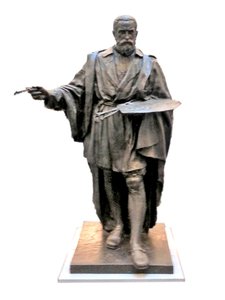
moroni, giovanni battista
1520 - 1578 , Italia
Datos clave
- Artistic Movement Or Style: Mannerism
- Artists Who Influenced This Artist:
- Alessandro Bonvicino
- Titian
- Date Of Birth: c. 1520
- Date Of Death: ?5 Feb. 1578
- Full Name: Giovanni Battista Moroni
- Nationality: Italian
- Notable Artworks:
- The Tailor
- Gian Lodovico Madruzzo
- Place Of Birth: Albino, Italia
Artículos relacionados

Crimson Threads of Narrative: Exploring Symbolism & Representation in Artworks Featuring the Red Dress
Explore the rich symbolism of the red dress in art history! From ancient power displays to iconic portraits like Cézanne’s 'Madame Cezanne', discover the cultural and artistic significance behind this captivating color. Expert analysis & insights.

Giovanni Giacometti: Sculpting Existentialism – A Study of Form, Space, and the Human Condition
Explore the profound artistic journey of Giovanni Giacometti, father to Alberto. Discover his unique transition from Surrealism to Existentialist sculpture and painting – a compelling study for elite collectors and art enthusiasts.

Mark Rothko: Las 25 Obras Maestras que Definen la Expresión Abstracta | ArtsDot
Descubre las 25 obras maestras de Mark Rothko, pionero del expresionismo abstracto. Explora la historia, el significado y los colores vibrantes que definen su arte emocional. Reproducciones de alta calidad en ArtsDot.com.

Giovanni Battista Piranesi: Visionary of Ruins & Architect of Imagination
Explore the life & work of Giovanni Battista Piranesi, master etcher of Roman views & creator of the haunting 'Carceri d'Invenzione'. Discover his architectural vision and lasting influence on art history.
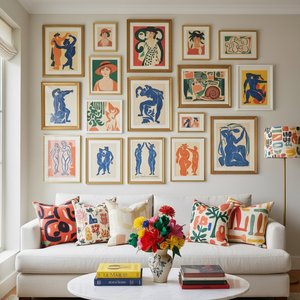
Henri Matisse: Las 25 Obras Maestras que Definieron un Genio del Color | ArtsDot
Descubre las 25 obras maestras de Henri Matisse, el rey del color y padre del fauvismo. Explora su arte moderno, lienzos vibrantes y la historia detrás de cada pintura icónica. Encuentra reproducciones de alta calidad en ArtsDot.com.